How to Authenticate and Restore an Antique Elephant Necklace
Learn how to authenticate, clean, and style an antique elephant necklace. Expert tips on Victorian hallmarks, enamel repair, and chain matching.

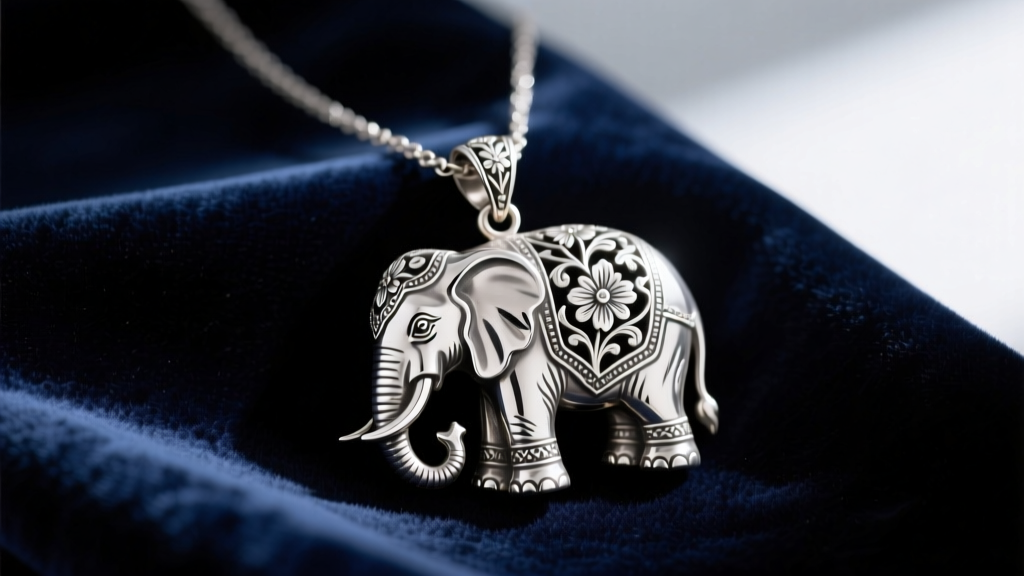
The Allure of the Elephant Motif in Antique Jewelry
The elephant has long been a symbol of strength, memory, and good fortune. In the realm of antique jewelry, the elephant motif surged in popularity during the mid-to-late 19th century. Influenced by the British Raj and the Victorian fascination with exoticism, an antique elephant necklace became a highly sought-after talisman for luck and protection. Whether crafted in intricate repoussé silver, enameled gold, or carved from vulcanite, these pieces are miniature masterpieces of history. However, acquiring, authenticating, and restoring these delicate artifacts requires a meticulous, step-by-step approach to preserve their historical integrity and monetary value.
Step 1: Authenticating Your Antique Elephant Necklace
Before attempting any cleaning or repairs, you must verify the piece's age and origin. The market is flooded with modern cast reproductions masquerading as Victorian or Edwardian antiques. According to the Victoria and Albert Museum, understanding period-specific construction techniques is the first line of defense against fakes.
Decoding Hallmarks and Maker's Marks
If your pendant or chain is British, look for hallmarks on the bale (the loop that holds the chain) or the clasp. A genuine Victorian sterling silver piece will typically feature the lion passant (sterling standard), a city mark (like the anchor for Birmingham), and a date letter. The London Assay Office maintains extensive archives for cross-referencing these date letters. Gold pieces from the 1800s often bear 9k, 15k, or 18k stamps, though many early Victorian pieces were unmarked and require acid testing by a professional.
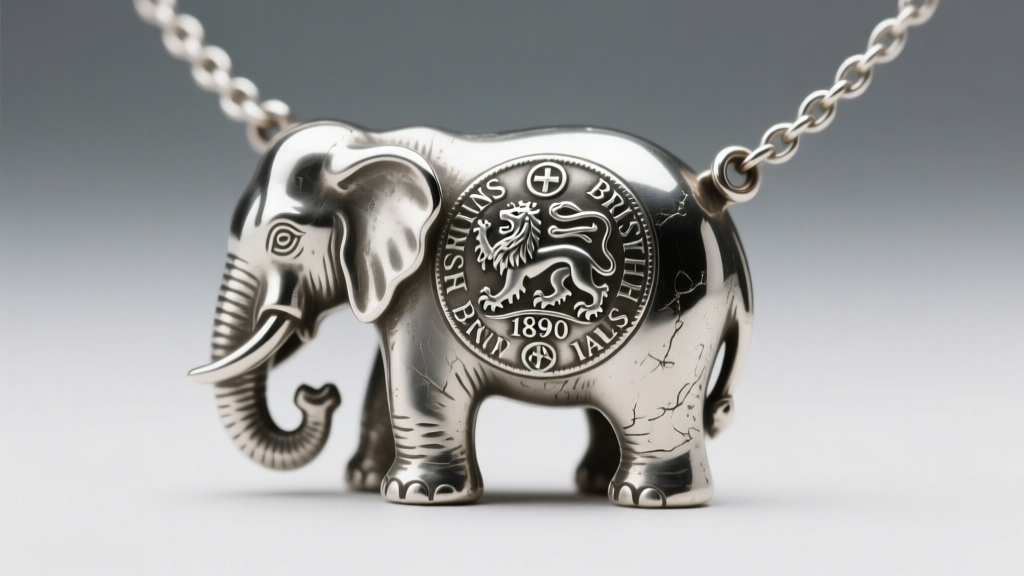
Material Analysis: Silver, Gold, and Vulcanite
Not all dark antique pendants are made of jet. During the mourning jewelry craze, materials like vulcanite (hardened rubber) and gutta-percha were heavily used to carve elephant motifs. To distinguish vulcanite from jet, gently rub the piece with your thumb until it warms; vulcanite will emit a faint smell of burnt rubber, whereas jet will not. Furthermore, examine the elephant's trunk and tusks. Hand-carved pieces will show microscopic tool marks and asymmetrical details, while modern reproductions will display the smooth, uniform seams of cast molds.
Step 2: Assessing Condition and Common Failure Modes
Antique jewelry has survived over a century of wear, which inevitably leads to specific structural vulnerabilities. As noted by experts at Lang Antiques University, assessing the condition is critical before wearing the piece. Below is a troubleshooting matrix for common damage found on antique elephant pendants.
| Damage Type | Common Cause | Restoration Viability & Cost Estimate |
|---|---|---|
| Bale Thinning / Breakage | Decades of friction against the chain | High. A jeweler can solder a new sterling or gold bale ($35–$75). |
| Enamel Chipping | Impact damage or ultrasonic cleaning | Moderate. Requires a specialist in guilloché or champlevé enamel ($150–$400+). |
| Missing Gemstone Inlays | Prong wear or dried-out shellac settings | High. Can be reset with period-correct turquoise or coral ($50–$120). |
| C-Clasp Failure | Metal fatigue or lack of a safety catch | High. Upgrade to a spring ring or lobster clasp while retaining the original ($25–$50). |
Step 3: Safe Cleaning and Restoration Techniques
Never place an antique elephant necklace in an ultrasonic cleaner. The high-frequency vibrations can shatter fragile enamel, loosen shellac-set stones, and crack porous materials like turquoise or coral. Instead, follow this safe, manual cleaning protocol.
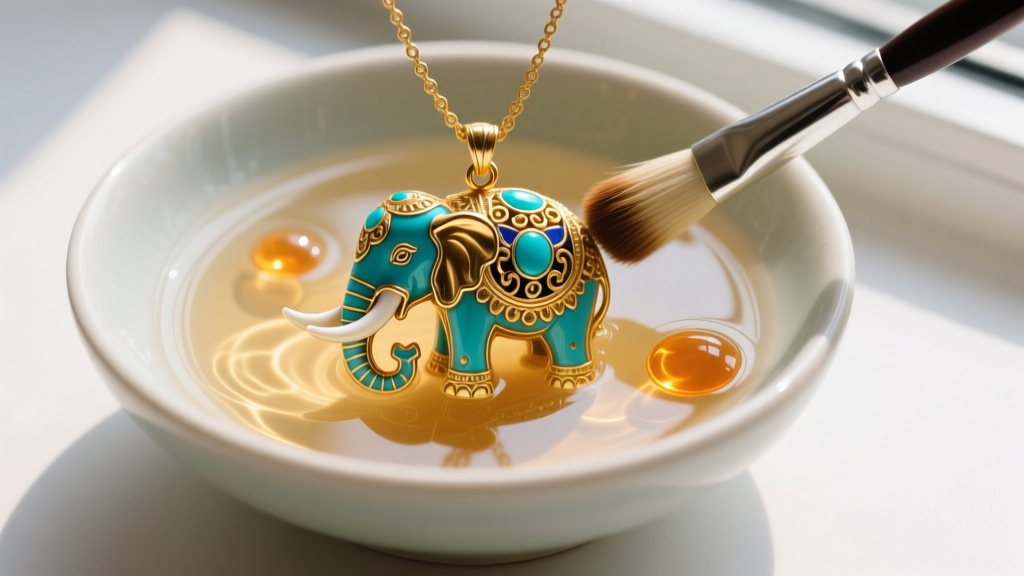
Cleaning Silver and Gold Without Damaging Patina
- Prepare a Mild Solution: Mix a few drops of phosphate-free dish soap (like Dawn) into a bowl of lukewarm distilled water. Avoid tap water, as chlorine and hard minerals can react with antique silver alloys.
- Gentle Agitation: Submerge the pendant for no more than 3–5 minutes. Use a baby-soft toothbrush to gently sweep dirt from the crevices of the elephant's trunk, ears, and floral repoussé borders.
- Preserve the Recesses: Do not aggressively polish the dark oxidation (patina) in the recessed areas. This contrast is essential for highlighting the hand-engraved details and proving the piece's age.
- Drying: Pat dry with a microfiber cloth and use a hairdryer on the "cool" setting to ensure no moisture remains trapped under stone settings.
Step 4: Re-stringing and Chain Matching
An antique pendant requires a chain that matches its weight, era, and aesthetic. Heavy Victorian silver elephant pendants (often weighing 10–15 grams) will snap delicate modern chains.
- For Silver Pendants: Opt for a 1.2mm to 1.5mm antique-style rope chain or an Albert chain. These provide the necessary tensile strength while maintaining a vintage profile.
- For Gold Pendants: A 1.0mm to 1.2mm snake chain or belcher chain complements the refined nature of Edwardian goldwork.
- Clasp Upgrades: If the original chain features a worn C-clasp, have a jeweler carefully snip it off and solder on a modern 5mm lobster clasp for security. Keep the original C-clasp in a small archival baggie; preserving original components maintains the necklace's provenance and resale value.
Step 5: Styling Your Antique Piece for Modern Wear
While an antique elephant necklace is a statement piece on its own, it can be beautifully integrated into a modern jewelry wardrobe. Because the elephant motif is visually "heavy" and grounded, it pairs exceptionally well in a layered necklace stack.
For a balanced look, wear your elephant pendant on a 24-inch chain, allowing it to sit at the sternum. Layer it above with a delicate 16-inch Victorian seed pearl choker and an 18-inch minimalist gold signet chain. The contrast between the intricate, dark patina of the antique silver elephant and the bright, modern gold chains creates a striking, curated aesthetic that bridges the gap between 19th-century craftsmanship and 2026 contemporary styling.
"An antique elephant necklace is not merely an accessory; it is a wearable artifact. Treating it with the respect of a museum conservator ensures that its story continues for another century."


