How to Style the Iconic Necklaces Worn by Baseball Players
Learn how to style and choose the iconic necklaces worn by baseball players. Discover chain types, materials, and layering techniques.


Baseball has long been a cultural incubator for men's jewelry. From the diamond-encrusted chains of the early 2000s to the refined, heavy-metal aesthetics seen in the dugouts today, the necklaces worn by baseball players represent a unique intersection of athletic durability and high-end style. As we navigate the style landscape of 2026, replicating this look requires more than just buying a thick chain; it demands an understanding of metallurgy, tensile strength, and ergonomic layering. This step-by-step guide will teach you how to select, style, and maintain athletic-grade necklaces that command attention whether you are stepping up to the plate or heading to a weekend dinner.
The Anatomy of Baseball Player Necklaces
What exactly defines the necklaces worn by baseball players? Unlike traditional men's dress jewelry, which prioritizes subtlety and delicate clasps, baseball jewelry is engineered for high-impact environments. It must withstand the corrosive effects of heavy perspiration, the abrasive nature of infield dirt, and the sudden kinetic forces generated during a swing or a head-first slide. The hallmark of this style is visual weight—typically achieved through 4mm to 10mm chain widths—paired with highly reflective link patterns that catch the stadium lights. To build this wardrobe, you must approach your jewelry selection with the same rigor a player applies to their equipment.
Step 1: Selecting the Right Metal for Durability
The dugout is a hostile environment for precious metals. Sweat is highly acidic and rich in chlorides, which can rapidly degrade inferior alloys. When evaluating the necklaces worn by baseball players, you will notice a distinct split between 'practice metals' and 'game-day metals'. According to the Gemological Institute of America (GIA), the alloy composition of gold drastically affects its durability, making pure 24k gold entirely unsuitable for athletic wear due to its softness.
| Metal Type | Mohs Hardness | Sweat/Chloride Resistance | Price Range (22" 5mm) | Best Use Case |
|---|---|---|---|---|
| 316L Stainless Steel | 6.5 | High (Molybdenum alloy) | $40 - $90 | Daily Practice & Gym |
| Grade 5 Titanium (Ti-6Al-4V) | 6.0 | Extreme | $80 - $150 | Sensitive Skin & Active Wear |
| 14k Yellow Gold | 3.5 - 4.0 | Moderate | $1,200 - $3,500 | Game Day & Press Conferences |
| Tungsten Carbide | 9.0 | Extreme | $60 - $120 | Heavy Duty & Scratch Resistance |
Pro Tip: Avoid Sterling Silver (925) for athletic wear. The copper content in sterling silver reacts with sulfur and moisture in sweat, causing rapid, stubborn tarnishing that requires constant chemical polishing.
Step 2: Choosing the Chain Link Profile
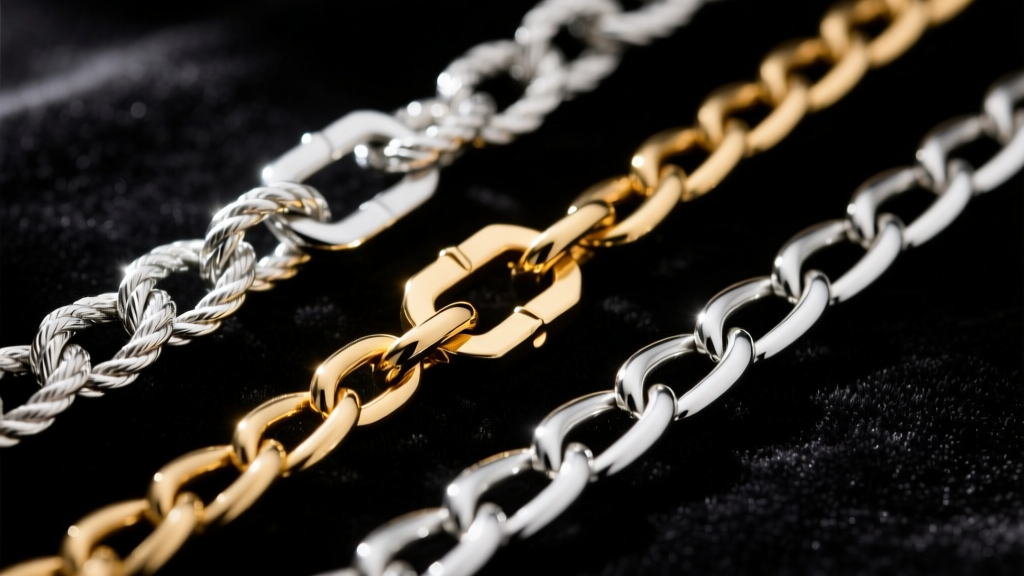
The structural integrity and visual impact of your necklace depend heavily on the link profile. The necklaces worn by baseball players generally fall into three categories, each serving a specific aesthetic and functional purpose.
The Rope Chain
Rope chains are the undisputed kings of baseball jewelry. Their twisted, helical structure captures and reflects light from multiple angles, making them highly visible even under the brim of a baseball cap. For athletic wear, opt for a 'solid' or 'semi-solid' rope chain rather than a hollow one. Hollow ropes are prone to denting if a baseball or bat strikes the chest, and they are notoriously difficult to repair once a link snaps.
The Cuban Link
Cuban links feature thick, interlocking oval links that sit completely flat against the sternum. This low-profile design is highly functional for athletes, as it eliminates the risk of the chain snagging on a jersey button or a sliding glove. A 6mm to 8mm Cuban link provides a bold, aggressive aesthetic that pairs perfectly with the relaxed fit of a baseball uniform.
The Figaro Chain
Characterized by a pattern of three short links followed by one long link, the Figaro chain offers a vintage, old-school baseball aesthetic. It is lighter and more flexible than a Cuban link, making it an excellent choice for layering or for players who prefer a less restrictive feel around the neck during high-intensity sprints.
Step 3: Dialing in the Perfect Length and Thickness
Sizing is where most amateur styling attempts fail. The necklaces worn by baseball players adhere to strict ergonomic guidelines to ensure they do not interfere with athletic performance.
The Helmet Clearance Rule: A baseball necklace must never extend so far down the chest that it swings freely, nor sit so high that it bunches up against the base of the skull when wearing a batting helmet. The 22-inch length is the industry standard, resting perfectly at the collarbone hollow.
- 20 Inches (Choker Fit): Sits tight on the neck. Best for thinner chains (2mm-4mm) or players with larger neck circumferences. Avoid for thick chains, as they can restrict breathing during exertion.
- 22 Inches (Standard Athletic Fit): Rests just below the Adam's apple. Ideal for 5mm-8mm chains. This length allows the chain to be visible above the jersey neckline without swinging into the face.
- 24 Inches (Drop Fit): Sits mid-chest. Reserved for heavy pendants or layering pieces. A 24-inch thick chain will swing violently during a sprint, causing metal fatigue at the clasp.
Step 4: Incorporating Performance and Recovery Pendants
While bare chains are a staple, many athletes incorporate pendants that serve a dual purpose of personal meaning and perceived recovery benefits. According to trend reports from JCK Online, the integration of wellness-focused materials into men's jewelry has surged in recent years.
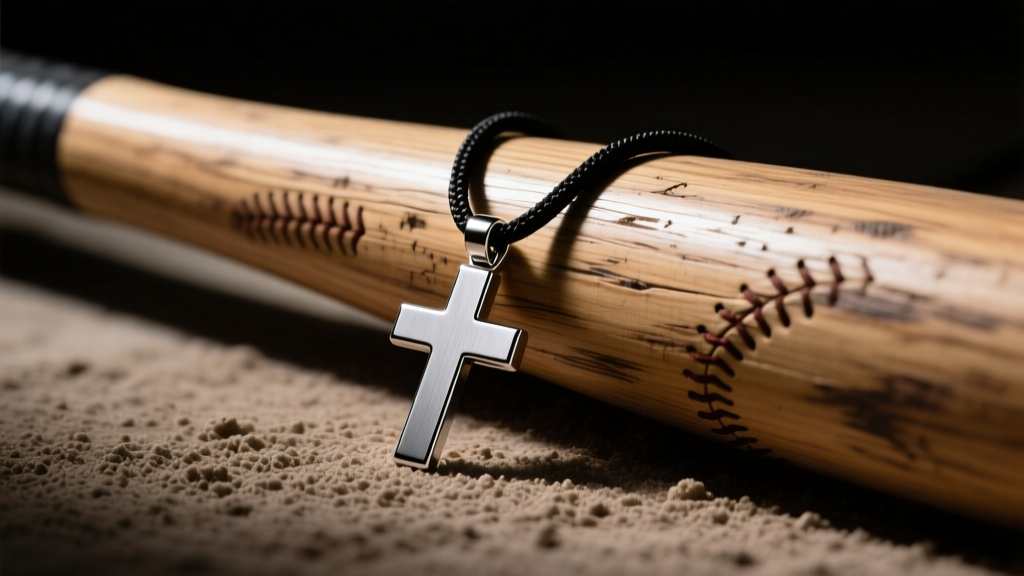
Grade 5 titanium pendants are incredibly popular because they are hypoallergenic and featherlight. Many players wear magnetic titanium pendants or ionized silicone cords, believing they aid in localized blood flow and muscle recovery. If you are attaching a pendant to a heavy gold chain, ensure the pendant's bail (the loop that holds it) is reinforced with a steel core. A standard gold bail will quickly wear thin from the friction of a heavy chain swinging during a game.
Step 5: Layering and Everyday Styling Rules
Replicating the dugout look for everyday wear requires mastering the art of the athletic layer. The necklaces worn by baseball players often feature a two-piece stack during post-game interviews and travel days.
The 2-Inch Separation Rule
When layering, the second chain must be exactly 1.5 to 2 inches longer than the first. This prevents the metal links from constantly grinding against each other, which causes premature wear and micro-scratches. A classic stack involves a 20-inch, 3mm Figaro chain paired with a 22-inch, 6mm solid Rope chain. This combination provides varied textures and ensures both pieces remain distinctly visible against the skin.
Maintenance and Care for Athletic Jewelry
Athletic jewelry requires a rigorous maintenance schedule to prevent structural failure and aesthetic degradation. Follow these protocols to extend the lifespan of your chains:
- Clasp Inspection: The necklaces worn by baseball players endure immense tensile stress. Never use a standard lobster clasp for chains over 4mm. Upgrade to a Box Clasp with a Figure-8 Safety Latch. Inspect the safety wire monthly for metal fatigue.
- Post-Sweat Rinsing: If you wear your chain during a workout or game, rinse it immediately with distilled water. Tap water contains chlorine and fluorides that can accelerate tarnishing on lower-karat gold alloys.
- Ultrasonic Cleaning: For rope chains, dirt and skin oils become trapped deep within the twisted links. Use an ultrasonic jewelry cleaner with a mild, ammonia-free solution for three minutes weekly to restore the chain's factory brilliance.
- Proper Storage: Never toss a heavy chain into a drawer. Hang thick chains on a padded jewelry valet or lay them perfectly flat. Storing them in a tangled pile will cause the links to kink, permanently weakening the structural integrity of the chain.
By understanding the specific material requirements, ergonomic lengths, and structural demands of athletic jewelry, you can confidently adopt the iconic style of the diamond. Whether you opt for the indestructible nature of tungsten or the classic prestige of 14k gold, the right chain will elevate your wardrobe with a distinct, competitive edge.


