Omega Pendant Necklace Guide: Sizing, Bails, and Care
Discover everything about the omega pendant necklace. Learn how to choose the right width, match slide bails, and prevent kinking in this beginner guide.

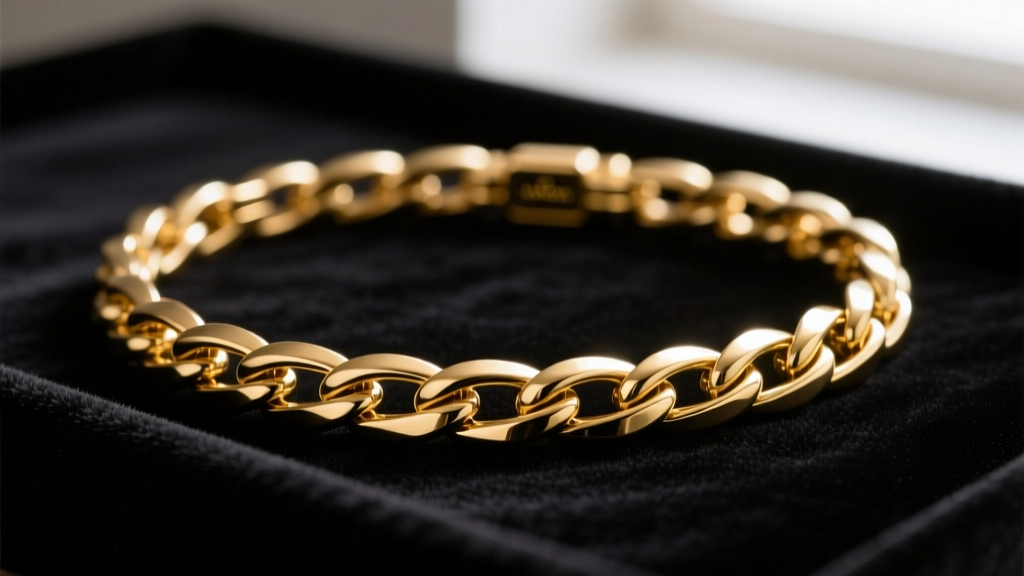
If you are exploring the world of fine jewelry, you have likely encountered the omega pendant necklace. Known for its sleek, modern aesthetic and brilliant shine, the omega chain is a staple in both contemporary and vintage jewelry boxes. However, pairing an omega chain with a pendant is not as simple as threading a charm onto a standard cable chain. The unique construction of the omega chain dictates specific rules regarding bail sizes, pendant weights, and daily maintenance.
This beginner-friendly explainer will break down the exact anatomy of omega chains, how to correctly match them with pendants, and the critical care instructions you need to know before making a purchase.
The Anatomy of an Omega Chain
Unlike cable, rope, or box chains that are made of interlocking open links, an omega chain is constructed from a series of flat, closely fitted metal plates. These plates are assembled over a flexible inner core, which is typically made of a woven wire mesh or a durable nylon string. This core is what gives the omega chain its flexibility, while the outer metal plates provide a continuous, mirror-like surface that catches the light beautifully.
Because the plates are laid flat against one another, the chain has a distinct, semi-rigid structure. It does not fold flat like a snake chain or a herringbone; instead, it naturally forms a wide, rounded circle. This structural rigidity is exactly what makes the omega pendant necklace so appealing—it sits perfectly on the collarbone without tangling.
Pros and Cons of Omega Chains for Pendants
Before selecting an omega chain for your favorite pendant, it is vital to weigh its practical advantages against its inherent vulnerabilities. Below is a data-driven comparison to help you decide if this chain style fits your lifestyle.
| Feature | Advantage (Pros) | Limitation (Cons) |
|---|---|---|
| Surface Texture | Extremely smooth; will not pull chest hair or snag on delicate fabrics. | Oils and fingerprints show easily, requiring frequent polishing. |
| Tangling | Virtually tangle-free due to the semi-rigid, wide-plate construction. | Cannot be folded or crushed; requires specific storage methods. |
| Pendant Display | Provides a solid, uninterrupted backdrop that makes pendants pop. | Standard pendant bails often do not fit over the wide, flat chain. |
| Durability | Highly resistant to stretching or snapping under normal pendant weight. | Highly susceptible to permanent kinking if bent backward sharply. |
The Bail Dilemma: Matching Pendants to Omega Chains
The most common mistake beginners make when building an omega pendant necklace is assuming any pendant will fit. Standard pendants feature a soldered loop or a small traditional bail designed for thin, flexible chains (usually 1mm to 2mm thick). Because omega chains are wide and flat, a standard 3mm omega chain will simply not pass through a standard pendant loop.
Solution 1: The Slide Pendant
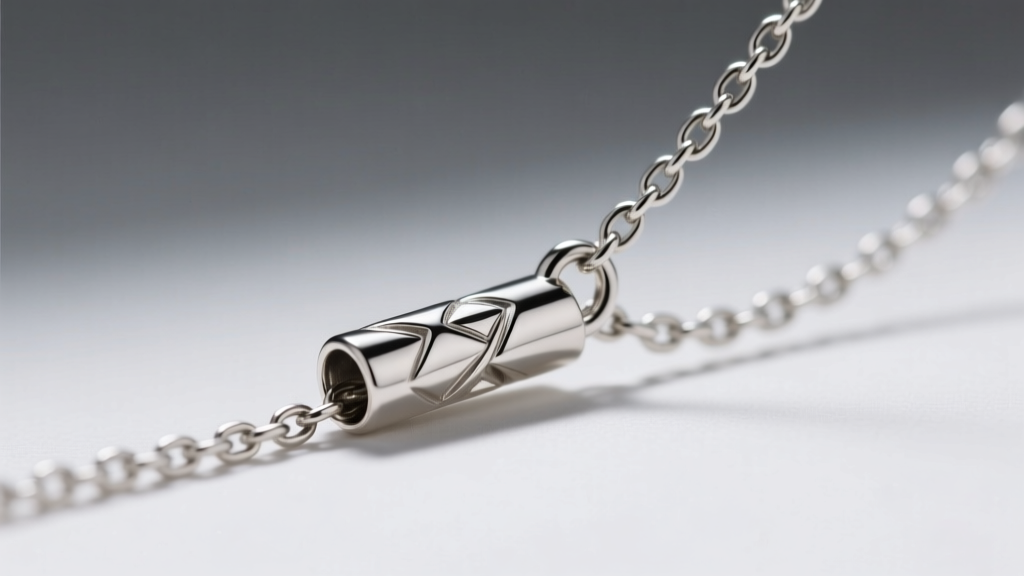
The most elegant solution is to use a slide pendant. Instead of hanging from a loop at the top, a slide pendant features a wide, hollow tube or a specialized wide-channel bail built directly into the design. The omega chain threads entirely through the pendant, allowing the charm to 'slide' freely across the collarbone. According to jewelry manufacturing standards, a slide pendant's inner diameter (ID) must be at least 0.5mm to 1mm wider than the chain's outer width to prevent friction and scratching.
Solution 2: The Hidden Tube Bail
If you have a traditional pendant, you can have a jeweler retrofit it with a hidden tube bail or a specialized omega clip-bail. These bails feature a wide, flat opening specifically stamped to accommodate the broad profile of an omega chain.
Width and Gauge Compatibility Chart
Use this reference chart to match your omega chain width with the appropriate pendant style and weight. Pairing a heavy pendant with a thin omega chain will cause the chain to bow and eventually kink.
- 1.5mm - 2.0mm Omega: Best for lightweight slide pendants (under 5 grams). Requires a tube bail with an inner diameter (ID) of at least 2.5mm.
- 2.5mm - 3.0mm Omega: The industry standard for medium pendants (5 to 12 grams). Requires a slide channel or bail with an ID of 3.5mm to 4.0mm.
- 3.5mm - 4.5mm Omega: Ideal for heavy, statement gemstone pendants (12 to 25 grams). Requires a wide channel bail with an ID of 5.0mm or larger.
- 5.0mm+ Omega: Generally worn alone as a statement piece. If used with a pendant, it requires custom-fabricated wide-barrel slide bails.
Sizing, Drape, and Necklines
Because an omega chain holds its shape, its length dictates exactly where it will sit on your body. Unlike a rope chain that drapes into a deep 'V' shape, an omega chain forms a rigid halo around the neck.
16-Inch (Choker Length): Sits tightly at the base of the throat. This is ideal for V-neck tops or off-the-shoulder garments. However, if you have a larger neck circumference, a 16-inch omega may feel restrictive and sit too high.
18-Inch (Princess Length): The most versatile size for an omega pendant necklace. It rests perfectly on the collarbone, allowing a slide pendant to sit squarely in the center of the chest. This length pairs beautifully with crew necks and scoop necks.
20-Inch to 24-Inch (Matinee Length): Sits lower on the chest. Because of the chain's rigidity, longer omega chains can sometimes protrude outward rather than laying flat against the sternum. If choosing a longer length, opt for a heavier, wider chain (3.5mm+) that has enough weight to drape properly.
The Kink Factor: Maintenance and Repair Realities
The single greatest vulnerability of the omega pendant necklace is its susceptibility to kinking. If the chain is bent sharply backward against its natural curve, the flat metal plates will crimp, and the inner mesh or nylon core will become permanently deformed.
Pro-Tip from the Bench: Never sleep in an omega chain. The tossing and turning during sleep creates the exact type of acute, reverse-angle pressure that causes irreversible kinks. Always remove it before bed.
If your omega chain does kink, do not attempt to bend it back into place with your fingers. This will only weaken the metal plates and cause them to snap. According to the Jewelers of America, professional repair is required. A master jeweler can sometimes carefully massage a minor kink out using specialized nylon-jawed pliers, but severe kinks require the chain to be completely disassembled and re-sleeved over a new core—a process that is often as expensive as replacing the chain entirely.
Daily Care and Storage
To maintain the mirror finish and structural integrity of your necklace, follow these specific care protocols:
- Storage: Always store your omega necklace hanging on a wide-hook jewelry stand, or laid completely flat in a long jewelry box. Never toss it into a small ring dish or a tangled jewelry pouch.
- Cleaning: Avoid ultrasonic cleaners, especially if your chain uses a glued nylon inner core, as the vibrations and heat can degrade the adhesive. Instead, use a soft, untreated microfiber polishing cloth to wipe away skin oils. For deeper cleaning, a mild dish soap and warm water soak, followed by gentle pat-drying, is recommended by the Gemological Institute of America (GIA).
- Chemical Exposure: Remove the chain before swimming in chlorinated pools or applying lotions and perfumes. Chlorine can cause microscopic pitting in the metal plates, dulling the reflective surface over time.
Final Verdict: Is an Omega Chain Right for You?
The omega pendant necklace is an unparalleled choice for those who prioritize a sleek, modern, and tangle-free jewelry experience. Its brilliant, unbroken surface elevates slide pendants and provides a luxurious feel against the skin. However, it demands a mindful wearer. If you are someone who prefers to sleep in their jewelry, frequently wears tangled layers, or wants to swap out dozens of different standard-loop pendants, a traditional box or cable chain will serve you better. But if you are willing to invest in the correct slide pendants and commit to proper flat storage, an omega chain will remain a stunning, lifelong staple in your collection.


