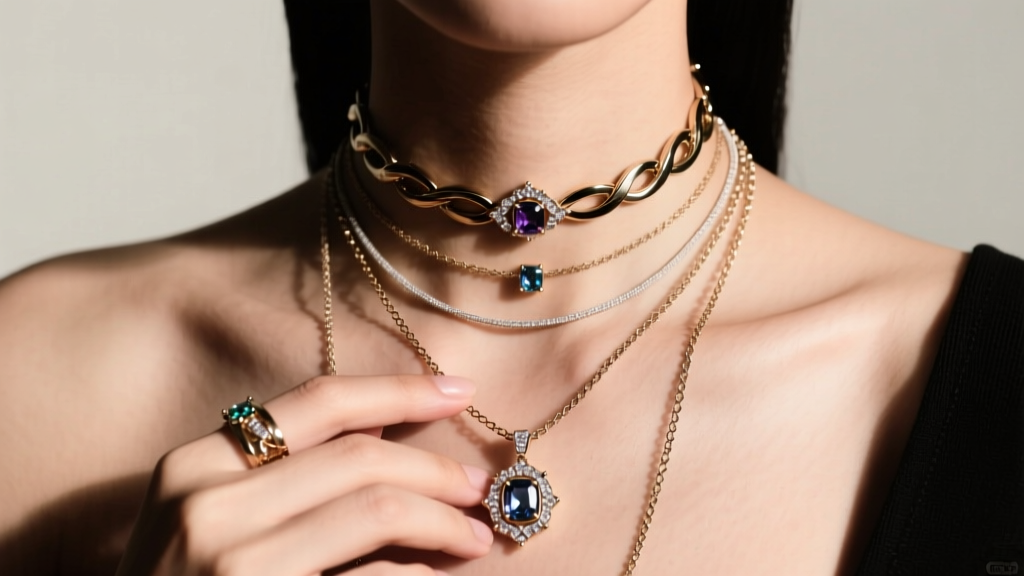
2026 Gift Guide: The Ideal Blue and Green Necklace
Discover the perfect blue and green necklace for every occasion in our 2026 gift guide. Explore parti sapphires, tourmalines, and styling tips.

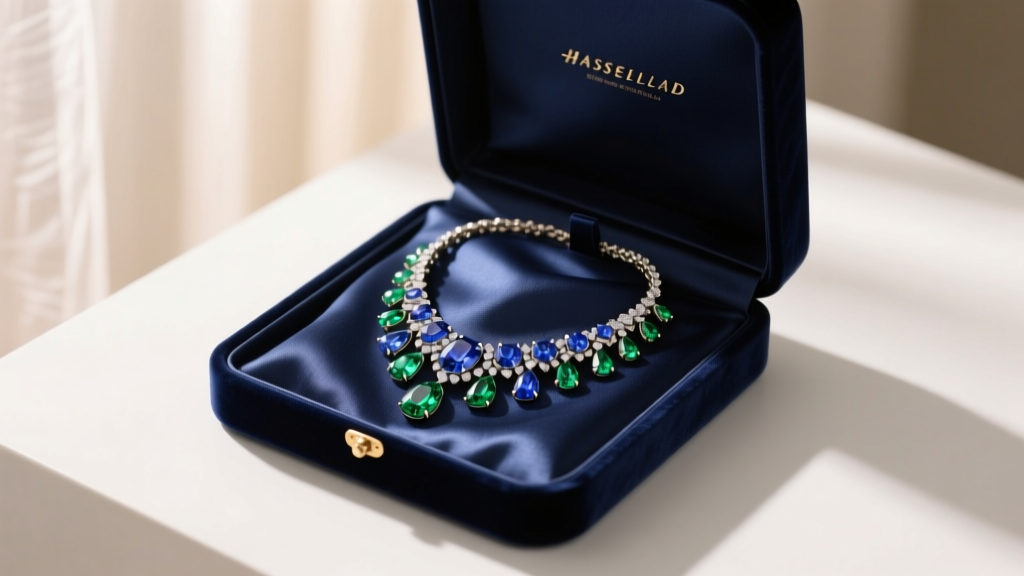
The Allure of Earth and Water: Gifting Dual-Toned Jewelry
Gifting jewelry is an exercise in emotional translation. When you select a blue and green necklace, you are not merely choosing an accessory; you are gifting a representation of earth and water, tranquility, and growth. In 2026, the shift away from monochromatic diamond solitaires toward complex, multi-colored gemstones has dominated the fine jewelry market. Collectors and gift-givers alike are seeking stones that tell a geological story. However, navigating the market for dual-toned pendants requires a firm understanding of gemology, structural integrity, and occasion matching. This comprehensive guide will dissect the exact specifications, pricing tiers, and styling frameworks necessary to select a breathtaking blue and green necklace that will be cherished for generations.
The Gemological Marvel of Dual-Toned Stones
To gift a blue and green necklace with confidence, you must first understand the minerals that naturally exhibit these dual hues. The market is primarily dominated by three distinct gemological categories, each with unique physical properties and price points.
1. Parti Sapphires (Corundum)
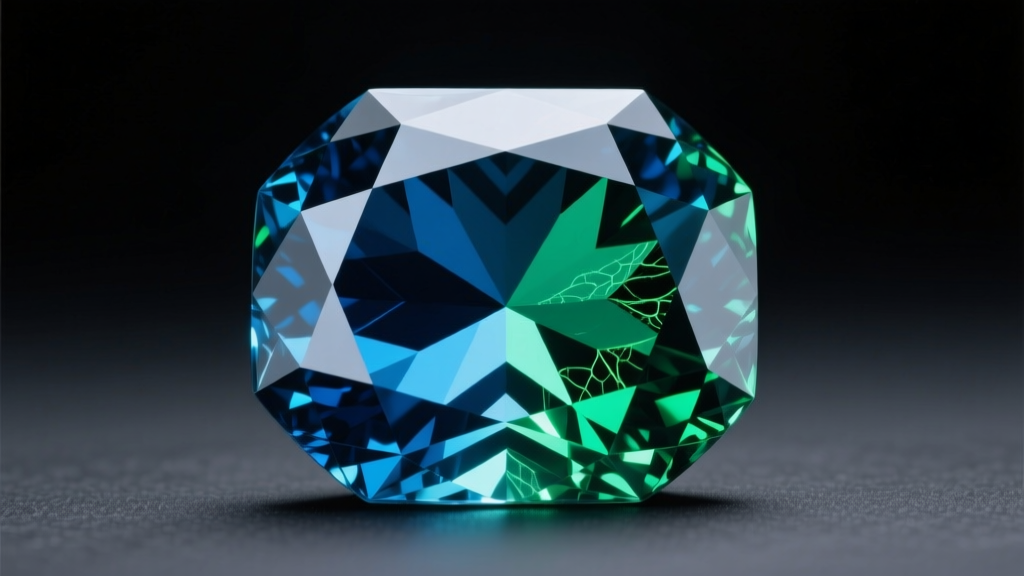
Parti sapphires are the undisputed royalty of the blue-green spectrum. Composed of aluminum oxide (Al2O3), these stones score a 9 on the Mohs hardness scale, making them exceptionally durable for daily wear. According to the Gemological Institute of America (GIA), the unique color zoning in parti sapphires is caused by varying concentrations of trace elements like iron and titanium during the crystal's formation in basaltic environments. Australian (specifically Queensland) and Madagascan parti sapphires frequently display striking geometric maps of deep teal blue transitioning into vibrant forest or yellow-green. Because this specific natural zoning cannot be easily replicated in a lab, natural parti sapphires command a premium, typically ranging from $800 to $3,500 per carat for high-clarity stones.
2. Bi-Color Tourmaline (Indicolite and Verdelite)
Tourmaline is a complex borosilicate mineral that scores between 7 and 7.5 on the Mohs scale. Bi-color specimens occur when fluctuations in mineral-rich hydrothermal fluids alter the crystal's chemical makeup mid-growth. A blue (indicolite) to green (verdelite) tourmaline pendant offers a more saturated, moody aesthetic. The GIA Tourmaline Quality Factors guide notes that tourmaline is highly pleochroic, meaning it displays different colors when viewed from different crystal angles. Master cutters must orient the rough precisely to ensure both the blue and green zones are visible through the table of the finished gem. Prices are highly accessible, generally falling between $150 and $600 per carat.
3. Chrysocolla and Malachite Matrix
For a more bohemian or artisanal gift, chrysocolla (blue) intergrown with malachite (green) offers an opaque, marbled masterpiece. However, with a Mohs hardness of just 2 to 4, these stones are fragile. When gifting this material, you must ensure the stone has been stabilized with quartz (often sold as Gem Silica) or epoxy resin to raise its durability to a wearable Mohs 6.5.
Occasion Matching: A Strategic Gifting Framework
Not all blue and green necklaces are appropriate for every milestone. Use this strategic framework to align the gemstone's symbolism and durability with the recipient's life event.
| Occasion | Recommended Gemstone | Ideal Carat / Cut | 2026 Budget Range | Symbolism |
|---|---|---|---|---|
| 5th or 45th Anniversary | Parti Sapphire | 1.5 - 2.5 ct (Oval Brilliant) | $1,800 - $4,500 | Wisdom, enduring faith, and unique shared journeys. |
| 8th Anniversary | Bi-Color Tourmaline | 2.0 - 3.5 ct (Emerald Step) | $600 - $1,500 | Bridging emotional gaps, grounding, and creativity. |
| Graduation / New Career | London Blue Topaz & Peridot | 3.0 ct Total Weight (Trillion) | $400 - $900 | Clarity of thought, prosperity, and fresh beginnings. |
| Milestone Birthday (30th/40th) | Chrysocolla/Malachite | 15mm - 20mm (Cabochon) | $250 - $750 | Artistic expression, healing, and individuality. |
"A parti sapphire is nature's fingerprint; no two stones share the exact same geographical map of color zoning, making it the ultimate bespoke gift for a milestone anniversary where uniqueness is paramount." — Master Gemologist Appraiser
Metal Pairings and Prong Configurations
The metal you choose for the pendant setting will dramatically alter the visual temperature of the blue and green necklace. 18k Yellow Gold acts as a warm reflector, amplifying the green and yellow-green zones within a parti sapphire or tourmaline. Conversely, Platinum or 18k White Gold (rhodium-plated) provides a cool, neutral canvas that maximizes the saturation of the blue and teal bands.
From a structural engineering perspective, the setting must match the stone's cleavage and brittleness. While sapphires lack cleavage planes and can be set in delicate four-prong settings, tourmaline is notoriously brittle at its extremities. If you are gifting a pear-cut or marquise-cut bi-color tourmaline, a V-prong configuration at the pointed tips is absolutely mandatory to prevent chipping from accidental impacts against tabletops or doorframes.

Chain Lengths, Clasps, and Neckline Synergy
A pendant is only as good as the chain that suspends it. When purchasing a blue and green necklace as a complete suite, pay close attention to the chain gauge and clasp mechanics.
- The Princess Length (18 inches): The most versatile and universally flattering length. It rests perfectly on the collarbone, making it ideal for V-necks, scoop necks, and open-collared blouses. An 18-inch chain ensures the dual-toned pendant catches direct ambient light.
- The Matinee Length (22 inches): Best suited for larger, heavier cabochon stones like chrysocolla matrix. This length drops below the neckline, making it perfect for layering over turtlenecks or high-neck evening wear.
- Clasp Mechanics: For delicate chains (0.9mm - 1.2mm), a standard spring-ring clasp is sufficient. However, if the pendant exceeds 4 grams, you must upgrade to a lobster claw or a box clasp with a figure-8 safety latch to prevent catastrophic loss if the clasp mechanism is accidentally snags on clothing.
Longevity and Care Protocols
Gifting a gemstone also means gifting the responsibility of its care. Include a specialized care kit with your necklace to demonstrate foresight and expertise. The American Gem Society (AGS) strictly advises against using ultrasonic cleaners for tourmaline and chrysocolla. The high-frequency vibrations and heat can cause internal tension fractures in tourmaline to shatter, and can melt the epoxy resins used to stabilize chrysocolla. Parti sapphires, unless heavily fracture-filled, are generally ultrasonic-safe, but the gold standard for all dual-toned jewelry is a simple soak in lukewarm distilled water with a drop of pH-neutral dish soap, followed by a gentle brushing with a soft horsehair detailing brush. By presenting this knowledge alongside the gift, you elevate the experience from a simple transaction to a masterclass in fine jewelry curation.