How to Style, Layer, and Maintain an Akuma Necklace
Learn how to style, layer, and clean your akuma necklace. Expert tips on metal care, chain lengths, and alt-fashion pairings for demon motif pendants.
The Anatomy of an Akuma Necklace
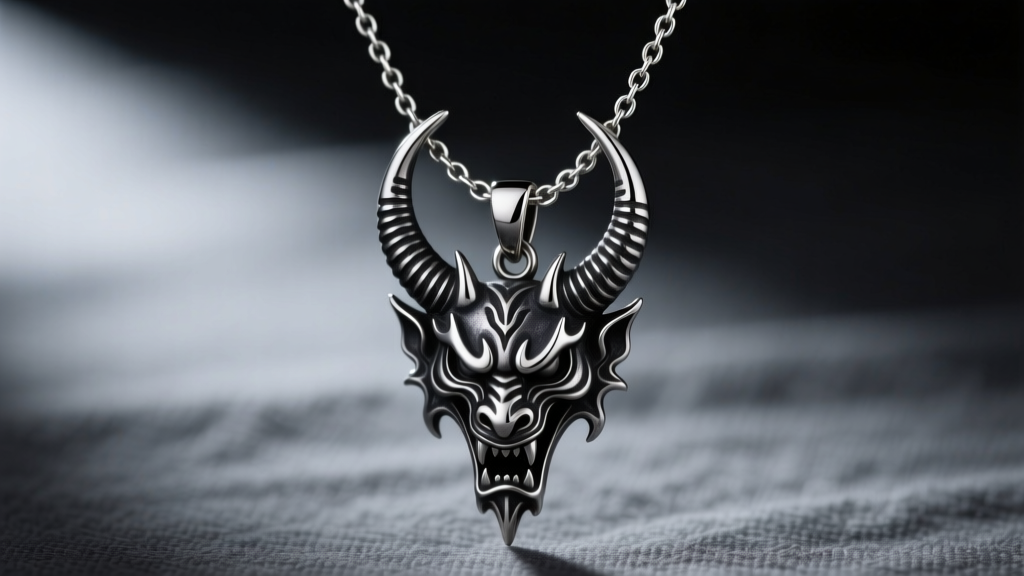
The term 'akuma' (悪魔) translates to demon or devil in Japanese, and in the realm of alternative jewelry, an akuma necklace represents a distinct intersection of dark fantasy, anime-inspired streetwear, and intricate metalwork. Unlike generic gothic crosses or standard skull pendants, an authentic akuma necklace features highly specific motif elements: asymmetrical horns, wrathful expressions, fangs, and occasionally crimson or gold vitreous enamel inlays. In 2026, these pieces have graduated from niche cosplay accessories to staple items in high-end alt-fashion and dark avant-garde wardrobes.
To truly master wearing this statement piece, you must first understand its construction. Premium akuma pendants are typically cast in 925 sterling silver and subjected to a sulfur oxidation process. This intentional blackening enhances the intricate recesses of the demon motif, providing a three-dimensional, antique appearance. According to the Silver Institute, oxidized silver requires entirely different care protocols than polished silver, a factor that drastically affects how you wear and maintain your necklace daily.
Step-by-Step Guide to Layering Demon Motif Pendants
Because an akuma pendant is visually heavy and often physically weighty (ranging from 15 to 35 grams), it cannot simply be thrown onto a random chain. Layering requires a strategic approach to balance, gauge thickness, and visual hierarchy.
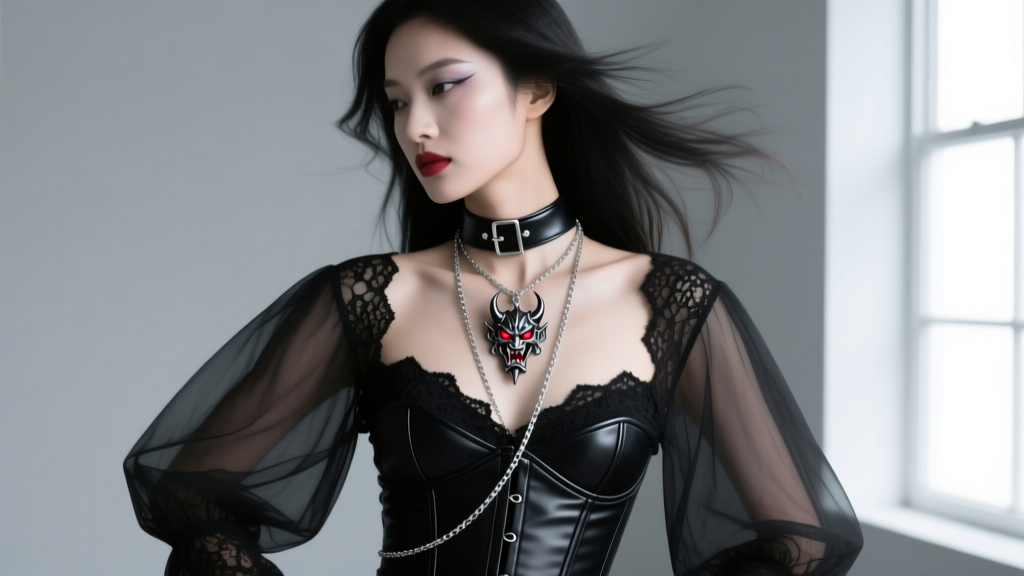
Step 1: Anchor with a Textured Choker (14-15 Inches)
Begin your stack with a contrasting texture. A 14-inch black leather cord with a simple sterling silver end cap or a minimalist 1.2mm box chain sits flush against the collarbone. This anchors the eye and provides a dark backdrop that makes the mid-layer pop without competing for attention.
Step 2: Suspend the Akuma Pendant (18-20 Inches)
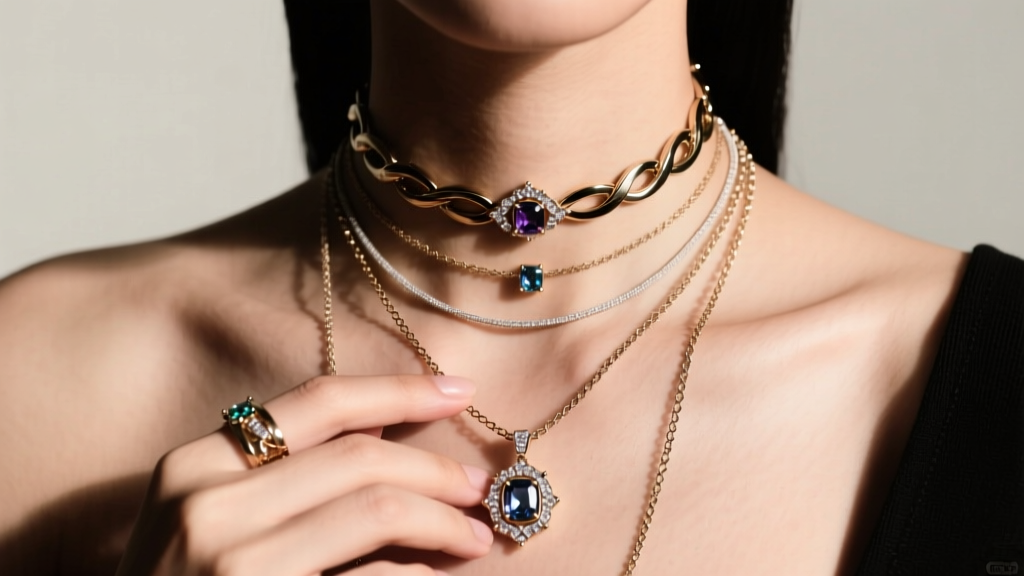
The akuma necklace must serve as the undisputed focal point of your stack. Drop it to an 18 or 20-inch length so the pendant rests precisely on the sternum. Critical E-E-A-T Tip: Because demon pendants are top-heavy, you must use a chain with a high tensile strength. Avoid delicate cable chains. Instead, opt for a 2.5mm to 3.5mm rolo or wheat chain. These weaves distribute the weight of a 30-gram pendant evenly, preventing the chain from stretching, kinking, or snapping at the clasp.
Step 3: Add a Long Lariat or Rosary Chain (24-28 Inches)
To elongate the torso and frame the central akuma motif, add a 26-inch oxidized silver rosary chain or a simple geometric lariat. The beads or geometric links will draw the eye downward, completing the vertical layering effect essential for gothic and dark-streetwear silhouettes.
Neckline Pairings for Gothic and Anime-Inspired Jewelry
An akuma necklace is a bold statement, and pairing it with the wrong neckline can cause the pendant to get lost in fabric folds or clash with garment patterns. Use the matrix below to select the correct chain length and pendant scale for your outfit.
| Neckline Type | Recommended Chain Length | Pendant Scale | Styling Notes |
|---|---|---|---|
| High Turtleneck | 22 - 24 Inches | Large (30mm+) | Wear over the fabric; the dark metal contrasts beautifully against black or deep burgundy knitwear. |
| Deep V-Neck | 18 - 20 Inches | Medium (20-25mm) | Let the pendant sit exactly one inch above the apex of the V-neck to elongate the neck. |
| Crew Neck Tee | 20 - 22 Inches | Medium to Large | Layer over the collar. Ensure the chain is thick enough to look intentional, not like an afterthought. |
| Off-Shoulder / Halter | 16 - 18 Inches (Choker/Princess) | Small to Medium (15-20mm) | Keep the pendant high on the chest to avoid tangling with bare skin and collarbone movements. |
How to Clean and Maintain Oxidized Silver and Enamel
The most common mistake owners make is treating an akuma necklace like standard shiny silver. If your pendant features intentional sulfur oxidation (the dark, blackened grooves) and vitreous enamel (fired glass accents), standard cleaning methods will permanently ruin the piece.
The Golden Rule: Never Use Silver Dip
Commercial liquid silver cleaners contain thiourea, a chemical that strips tarnish instantly. If you submerge an oxidized akuma necklace in silver dip, it will strip the intentional black patina from the recesses, leaving you with a flat, bright silver pendant that loses its three-dimensional demon detailing. Furthermore, harsh chemicals can cloud or crack cold enamel and epoxy resin accents.
Step-by-Step Safe Cleaning Protocol
- Step 1: Dry Dusting. Use a clean, dry, ultra-soft makeup brush to gently sweep dust and dead skin cells out of the intricate horn and fang crevices. Do not use compressed air, as moisture propellants can cause localized spotting.
- Step 2: Mild Wash. Mix a few drops of phosphate-free dish soap into a bowl of lukewarm (never hot) water. Hot water can cause thermal shock, potentially cracking vitreous enamel inlays.
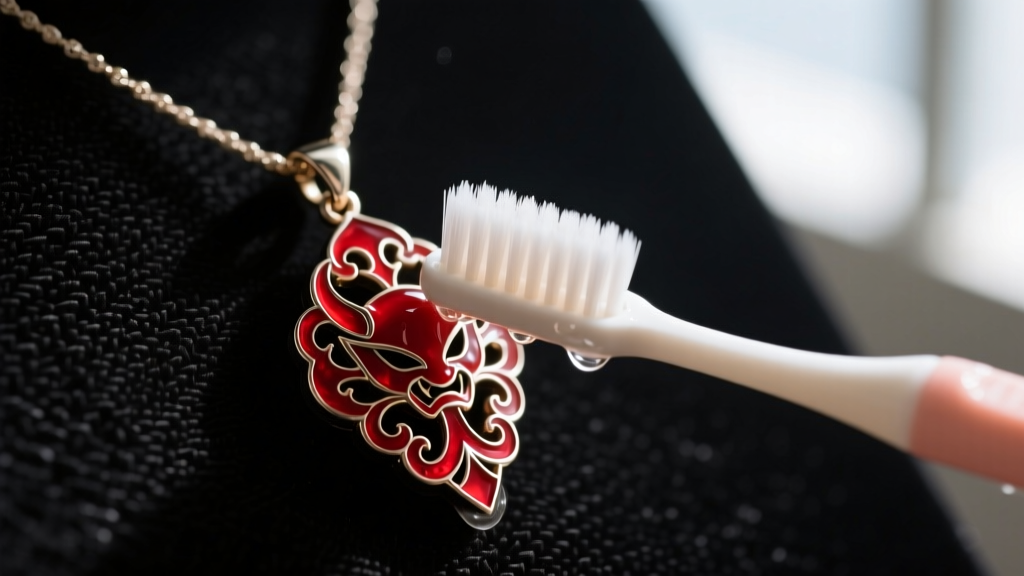
- Step 3: Gentle Agitation. Dip a soft-bristled baby toothbrush into the soapy water. Gently brush the high-polish areas of the necklace (the horns, the edges of the pendant). Avoid aggressively scrubbing the dark, oxidized recesses.
- Step 4: Rinsing and Drying. Rinse briefly under cool distilled water to prevent hard water mineral deposits. Pat dry immediately with a microfiber cloth. Do not air dry, as water spots will form on the polished silver edges.
- Step 5: Re-Waxing (Optional). To protect the oxidized patina and add a subtle sheen to the high points, rub a tiny amount of Renaissance Wax over the piece and buff it gently. This creates a micro-barrier against the sulfur and acidity in your skin's natural oils.
Sourcing Authentic Pieces: What to Look For
As the dark anime and alt-fashion aesthetic continues to dominate in 2026, the market is flooded with cheap, mass-produced alloys masquerading as artisan metalwork. When shopping for an akuma necklace, verify the metallurgy. The Gemological Institute of America (GIA) notes that authentic sterling silver must contain 92.5% pure silver, often stamped with a '925' hallmark.
Expect to pay between $25 and $45 for brass or zinc-alloy pieces, which are prone to turning your skin green and degrading within a year. For a solid 925 oxidized sterling silver akuma pendant with genuine vitreous enamel, budget between $120 and $280. Custom, small-batch silversmiths who hand-carve the original wax models for their demon motifs will typically charge $300 to $600+. Always inspect the bail (the loop the chain passes through); a high-quality piece will feature a heavy, soldered bail rather than a flimsy pinched loop that will snap under the weight of a dense silver casting.


