How to Authenticate, Restore, and Style a Richelieu Pearl Necklace
Learn how to authenticate, safely clean, and modernize a vintage Richelieu pearl necklace with our expert step-by-step restoration and styling guide.

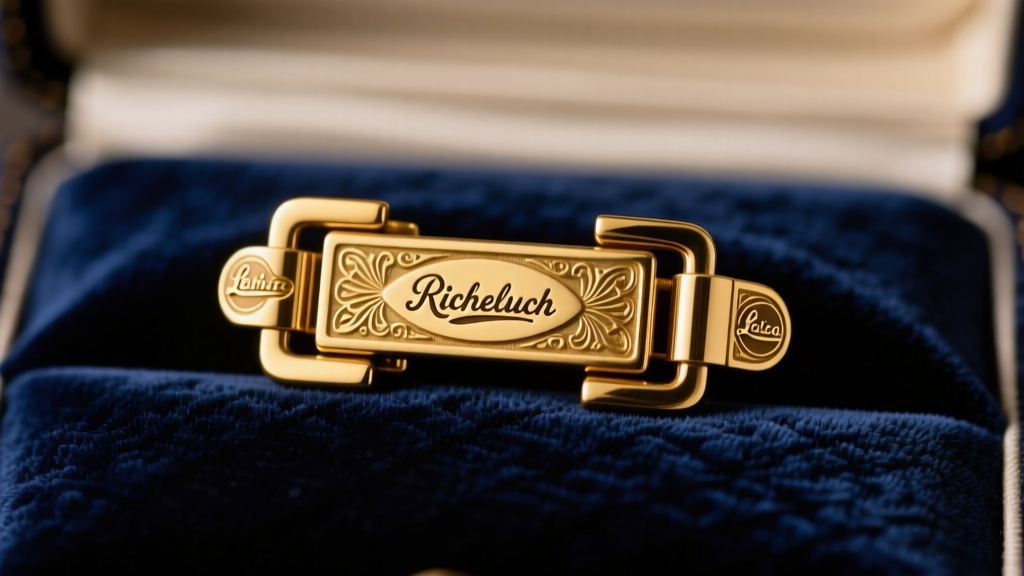
For mid-century costume jewelry collectors and modern vintage enthusiasts alike, the Richelieu pearl necklace represents the pinnacle of accessible luxury. Founded in 1911 by H. Richelieu, the brand earned its reputation by producing high-end faux pearls and rhinestone pieces that rivaled fine jewelry in craftsmanship and visual weight. However, because the secondary market is flooded with unmarked imitations and poorly maintained strands, acquiring and caring for these pieces requires a meticulous, expert approach.
Whether you have inherited a family heirloom or scored a tangled strand at an estate sale, this comprehensive guide will walk you through the exact steps to authenticate, safely restore, and confidently style a vintage Richelieu pearl necklace for the modern era.
Step 1: Authenticating Your Richelieu Pearl Necklace
Before applying any cleaning solutions or attempting repairs, you must verify the piece's provenance. Richelieu's manufacturing techniques evolved significantly over the decades, and understanding these nuances is critical for accurate authentication and valuation.
Decoding the Hallmarks and Clasp Signatures
The most reliable indicator of authenticity is the hallmark, typically stamped directly onto the metal clasp or affixed as a small, hanging metal tag near the closure. The presence and format of the copyright symbol (©) are your best clues for dating the piece. According to Ruby Lane's vintage identification guide, the U.S. Copyright Act of 1954 fundamentally changed how jewelry makers marked their work.
| Era | Typical Marking | Clasp Style |
|---|---|---|
| Pre-1955 | 'Richelieu' (No copyright symbol) | Simple barrel clasps or early fold-over clasps without safety chains. |
| 1955 - 1970s | 'Richelieu ©' or '© Richelieu' | Ornate fold-over clasps, often with integrated safety chains or figure-8 catches. |
| 1980s - 1990s | 'Richelieu' with 'Made in USA' | Standard lobster clasps or modernized spring-ring clasps. |
The 'Tooth Test' and Material Weight Analysis
Richelieu was famous for its high-grade glass pearls, not plastic. To verify the material, perform a gentle weight and temperature test. Genuine Richelieu glass pearls will feel noticeably heavy and cool to the touch compared to lightweight, warm plastic beads. Furthermore, if you gently rub the pearl against the biting edge of your front tooth, a glass pearl will feel perfectly smooth, whereas a real nacre pearl will feel slightly gritty or sandy. Be cautious of 'pearlized' plastic beads from lesser brands; they lack the deep, multi-layered luminescence and substantial gravity of Richelieu's signature glass cores.
Step 2: Safe Cleaning and Restoration Techniques
The pearlescent coating on vintage costume jewelry is notoriously fragile. It is often created using a mixture of lacquer and synthetic bismuth oxychloride (or historically, essence d'orient derived from fish scales). Harsh chemicals will strip this coating instantly, leaving you with dull, opaque glass beads.
The Safe Cleaning Protocol
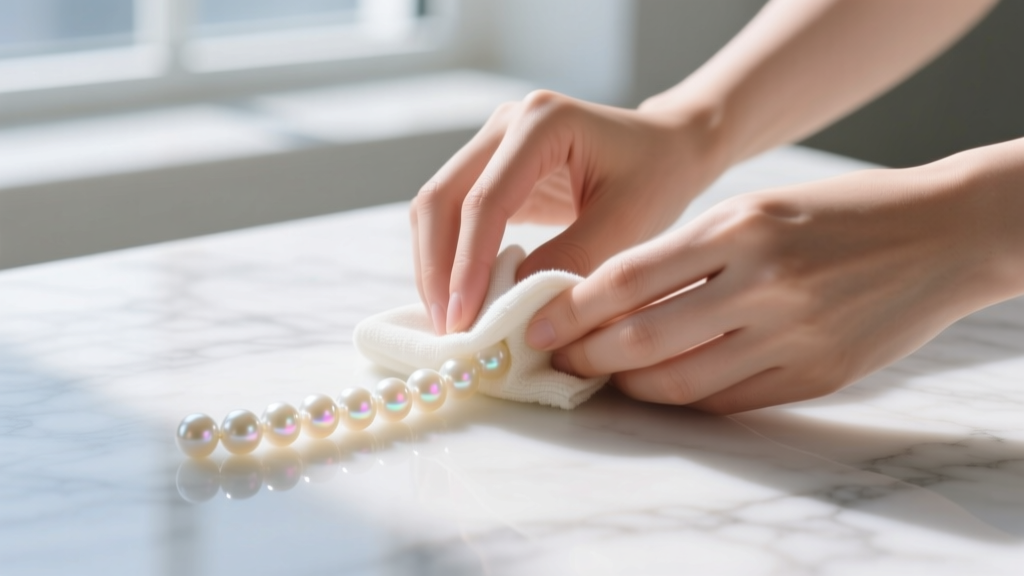
Follow this exact step-by-step process to remove decades of accumulated skin oils, perfume residue, and environmental grime without damaging the finish:
- Prepare the Solution: Mix one cup of distilled water (never tap water, as minerals can leave deposits) with a single drop of pH-neutral baby shampoo in a glass bowl.
- Dampen the Cloth: Dip a lint-free microfiber cloth into the solution and wring it out until it is only slightly damp. Never submerge the necklace, as water can seep into the drill holes and degrade the internal cotton or silk threading.
- Wipe Gently: Cradle each pearl individually and wipe it with the damp cloth, rotating the bead to ensure the entire surface is cleaned.
- Dry Immediately: Use a second, completely dry microfiber cloth to buff the pearls and the metal clasp immediately after wiping.
CRITICAL WARNING: Never place a vintage Richelieu pearl necklace in an ultrasonic cleaner, and never use jewelry dips, ammonia, rubbing alcohol, or baking soda. These will permanently dissolve the pearlescent coating and tarnish the gold-tone plating.
Professional Restringing Parameters
If your necklace shows signs of fraying thread, stretched gaps between the pearls, or a brittle clasp loop, it must be restrung. Do not use nylon or polyester monofilament (fishing line), as it stretches over time and lacks the drape required for heavy glass pearls. Instead, use Griffin 100% natural silk beading thread in Size No. 6 or No. 8. To protect the silk from fraying against the metal clasp, always finish the ends with Fine French wire (bullion), securing it with a jeweler's knot and a microscopic drop of flexible cyanoacrylate adhesive.
Step 3: Modern Styling and Layering Frameworks
The single-strand pearl necklace was a staple of mid-century formality, but wearing it exclusively with traditional tailoring can feel dated. To integrate a Richelieu pearl necklace into a contemporary 2026 wardrobe, you must leverage contrast and asymmetric layering.
- The 'Hard and Soft' Stack: Pair a 16-inch Richelieu pearl choker with a 20-inch oxidized sterling silver chain or a raw, unpolished gold link chain. The industrial texture of the metal contrasts beautifully with the refined, luminous surface of the vintage pearls.
- Neckline Pairing: Avoid high, ruffled collars which compete with the necklace's visual weight. Instead, opt for deep V-necks, structured square necklines, or unbuttoned silk blouses that provide a wide canvas of bare skin, allowing the pearls' luster to reflect directly against the body.
- Mixed Media Integration: If the piece is a sautoir (long opera-length strand), double-wrap it and secure the second loop slightly off-center with a vintage gold brooch, creating an asymmetric, avant-garde silhouette that breaks away from symmetrical, traditional styling.

Valuation and Sourcing Guide
Understanding the current market value is essential whether you are buying or selling. Based on recent auction data and Invaluable's costume jewelry valuation guide, pricing for Richelieu pearl necklaces generally falls into three distinct tiers:
- Standard Single Strands (1970s-1990s): $35 to $85. These are common, often feature plastic or lighter glass beads, and utilize modern lobster clasps.
- Mid-Century Multi-Strand and Torsades (1950s-1960s): $150 to $350. Twisted rope styles (torsades) and multi-strand chokers with elaborate, rhinestone-encrusted clasps command a premium due to their complexity and striking visual impact.
- Rare Art Deco & Early Pieces (1920s-1940s): $400 to $1,200+. Pre-war pieces featuring intricate filigree clasps, seed pearls, and early glass formulations are highly sought after by serious archival collectors and museum curators.
Conclusion
A vintage Richelieu pearl necklace is more than just a piece of costume jewelry; it is a masterclass in mid-century manufacturing and design. By carefully authenticating the hallmarks, utilizing safe, non-abrasive cleaning methods, and embracing modern, contrasting layering techniques, you can preserve the historical integrity of the piece while making it a striking focal point of your contemporary wardrobe. Treat the pearls with the respect usually reserved for fine nacre, and they will continue to radiate their signature luminous glow for decades to come.


