The Necklace of Diamonds India: 2026 Trend Analysis
Explore the 2026 necklace of diamonds India trend. Discover Polki, rose-cut, and brilliant fusion styles, pricing, and expert styling advice.

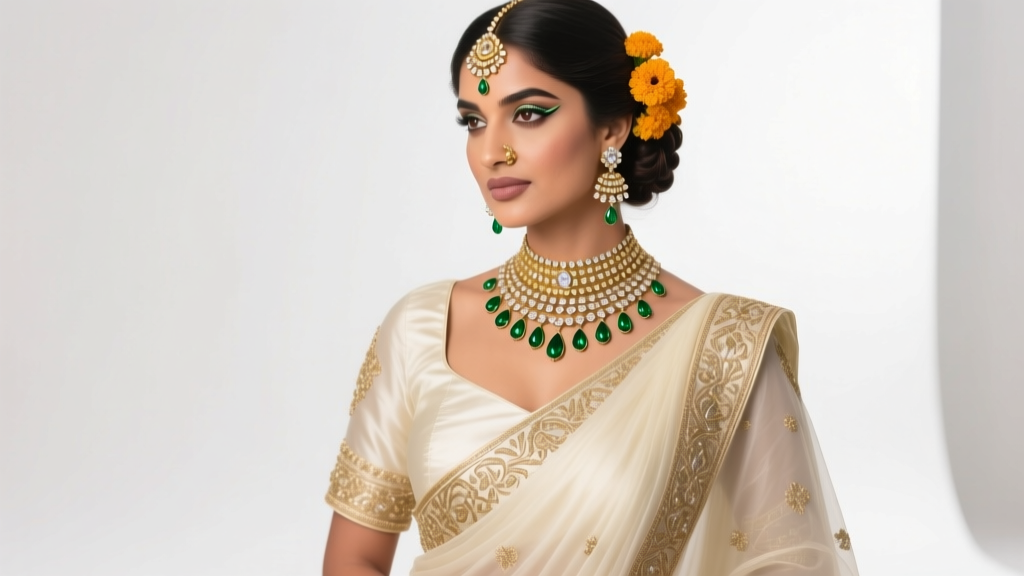
When high jewelry connoisseurs and modern brides alike search for the ultimate statement piece, the necklace of diamonds india category consistently emerges as a masterclass in heritage meeting contemporary design. In 2026, the Indian diamond necklace is no longer confined to heavy, traditional bridal trousseaus. Instead, it has evolved into a dynamic fusion of ancient metallurgy, uncut gemstones, and modern brilliant-cut precision. This style and trend analysis breaks down the exact silhouettes, material grades, and styling frameworks defining the Indian diamond necklace market this year.
The Evolution of the Indian Diamond Aesthetic
Historically, Indian diamond jewelry was defined by the Kundan and Polki techniques, where uncut diamonds were set in 22-karat gold using purified gold foil (kundan) rather than prongs. While these heritage techniques remain highly coveted, the 2026 landscape is dominated by hybrid designs. Today's leading Indian jewelry houses are blending flat, uncut Polki diamonds with modern 58-facet brilliant rounds and vintage-inspired rose cuts. This shift is driven by a demand for versatility. According to trend reports from Vogue India, modern collectors want pieces that transition seamlessly from a traditional wedding ceremony to a global red-carpet event. By setting uncut diamonds in 18k white or rose gold alongside brilliant accents, jewelers are reducing the overall weight of the necklace while maximizing light return and structural durability.
2026 Trend Forecast: Key Silhouettes & Settings
The architecture of the Indian diamond necklace has shifted dramatically. The rigid, collar-style chokers of the early 2010s have given way to fluid, adaptable silhouettes that drape naturally against the collarbone.
The Asymmetric Choker
Asymmetry is the defining silhouette of 2026. Designers are creating chokers where one side features dense, intricate Polki clusters, while the opposite side tapers into a sleek line of bezel-set brilliant diamonds. This design not only creates a striking visual imbalance but also reduces the carat weight on one side, making the necklace significantly more comfortable for extended wear. The clasp mechanisms have also been upgraded; hidden magnetic locks with secondary safety figure-eight clasps are now standard in high-end asymmetric pieces.
The Convertible Bib Necklace
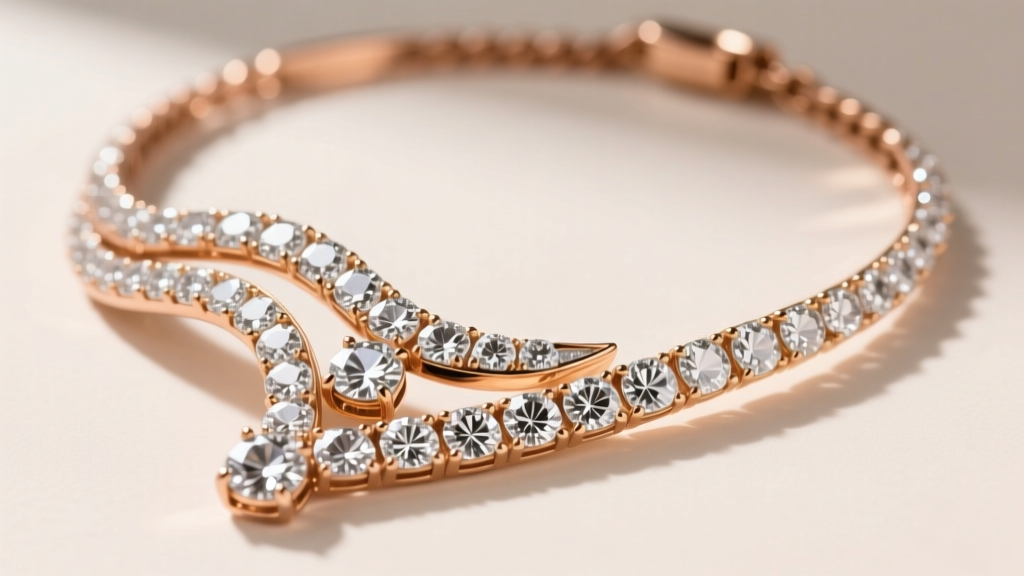
Modularity is a massive trend in luxury jewelry. The modern Indian bib necklace is engineered with micro-screw mechanisms and detachable motifs. A heavy, multi-layered diamond bib can be deconstructed into a simple solitaire pendant, a pair of chandelier earrings, and a delicate tennis bracelet. This engineering requires precise tolerance in the metalwork—usually cast in 18k gold for tensile strength—and represents a significant leap in functional high jewelry.
Material & Grade Breakdown: What to Look For
Understanding the specific diamond cuts used in Indian jewelry is critical for assessing value and authenticity. Unlike Western jewelry, which relies almost exclusively on the GIA 4Cs grading system for brilliant cuts, Indian heritage jewelry utilizes unique diamond forms that require a different evaluative framework. According to the Gemological Institute of America (GIA), understanding these variations is key to navigating the global diamond market.
| Diamond Type | Cut & Faceting | Typical Clarity/Color | Estimated Price Range (Per Carat) | Best Setting Metal |
|---|---|---|---|---|
| Polki (Uncut) | Raw, unfaceted, flat or slightly domed | SI1-I1 / J-K (Warm tones prized) | $150 - $600 | 22k or 24k Gold (Kundan foil) |
| Rose Cut | Flat base, domed top with 3-24 facets | VS2-SI1 / G-H | $800 - $2,500 | 18k Rose or Yellow Gold |
| Brilliant Round | 57-58 facets, conical pavilion | VVS1-VS2 / D-F | $4,500 - $12,000+ | 18k White Gold or Platinum |
| Briolette | Teardrop, fully faceted 360 degrees | VS1-SI1 / F-H | $1,200 - $3,500 | 18k Gold (Used as drops) |
Note: Polki diamonds are valued for their organic, glass-like luster rather than their brilliance. Silver foil (varak) is traditionally placed behind the Polki stone in a Kundan setting to reflect light, though modern 2026 designs often use rhodium-plated silver interiors to prevent the tarnishing associated with historical pieces.
Styling the Indian Diamond Necklace for Modern Necklines
The versatility of the contemporary necklace of diamonds india lies in how it interacts with modern fashion. The heavy, rigid collars of the past required specific traditional garments, but today's fluid designs can be styled across a variety of necklines.
- The Sweetheart Neckline: Pair with a 16-inch asymmetric Polki choker. The V-shape of the sweetheart neckline mirrors the central drop of the choker, creating a cohesive, elongating effect without overwhelming the décolletage.
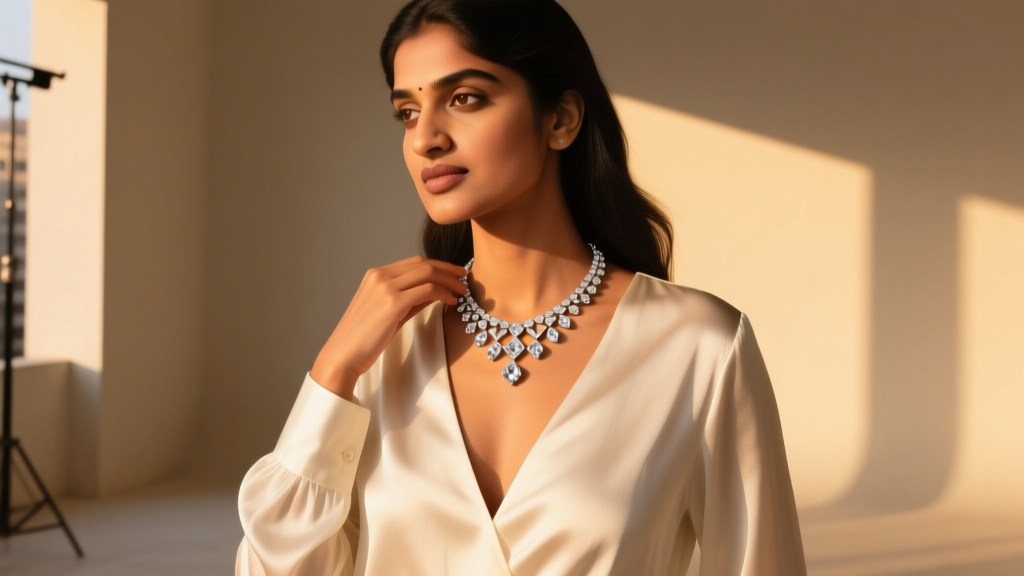
- The Deep-V or Plunge: Opt for a 20-inch convertible bib necklace featuring a central brilliant-cut diamond motif. The length ensures the diamonds rest directly on the skin rather than snagging on the fabric edge.
- The Halter or High-Neck: Avoid long pendants. Instead, choose a tight 14-inch rose-cut diamond collar that sits above the fabric line, acting as a luminous frame for the face.
- The Off-the-Shoulder: This is the ideal canvas for a multi-layered Kundan and diamond cascade. Ensure the innermost strand sits at 15 inches, with subsequent layers dropping by 2-inch increments to prevent tangling.
Investment & Sourcing: Navigating the Market
Purchasing an Indian diamond necklace in 2026 requires strict adherence to certification and hallmarking standards. The Bureau of Indian Standards (BIS) has made hallmarking mandatory for gold jewelry, ensuring that the 18k or 22k gold used in the setting is precisely alloyed. Always look for the 6-digit HUID (Hallmark Unique Identification) code laser-engraved on the clasp or inner link of the necklace.
"The true value of a modern Indian diamond necklace lies not just in the carat weight, but in the mastery of the goldsmith. The tension required to hold a fragile uncut Polki stone in a 22k gold bezel without fracturing the diamond is a skill that takes decades to perfect."
— Senior Master Jeweler, Amrapali Archives
When sourcing, insist on a detailed invoice that breaks down the weight of the gold, the total carat weight of the diamonds (separated by cut type), and the origin of the stones. Reputable houses will provide Kimberley Process certificates for all brilliant-cut diamonds, ensuring they are conflict-free. For antique or heritage Polki pieces, request a gemological report that verifies the absence of synthetic glass fillers, which are sometimes used to back lower-quality uncut stones in the secondary market.
Final Verdict
The necklace of diamonds india category in 2026 represents the pinnacle of cross-cultural jewelry design. By marrying the soulful, organic beauty of uncut Polki and rose-cut diamonds with the structural integrity and blinding fire of modern brilliant cuts, Indian jewelers are creating heirlooms that defy passing fads. Whether you are investing in a modular bib necklace for its engineering marvel or a lightweight asymmetric choker for everyday luxury, understanding the material grades and styling frameworks outlined above will ensure your acquisition is both a sartorial triumph and a sound financial investment.


