Coral Colored Necklace Guide: Real vs Faux Materials
Discover how to choose the perfect coral colored necklace. We compare genuine precious coral, dyed stones, glass, and resin for durability and value.

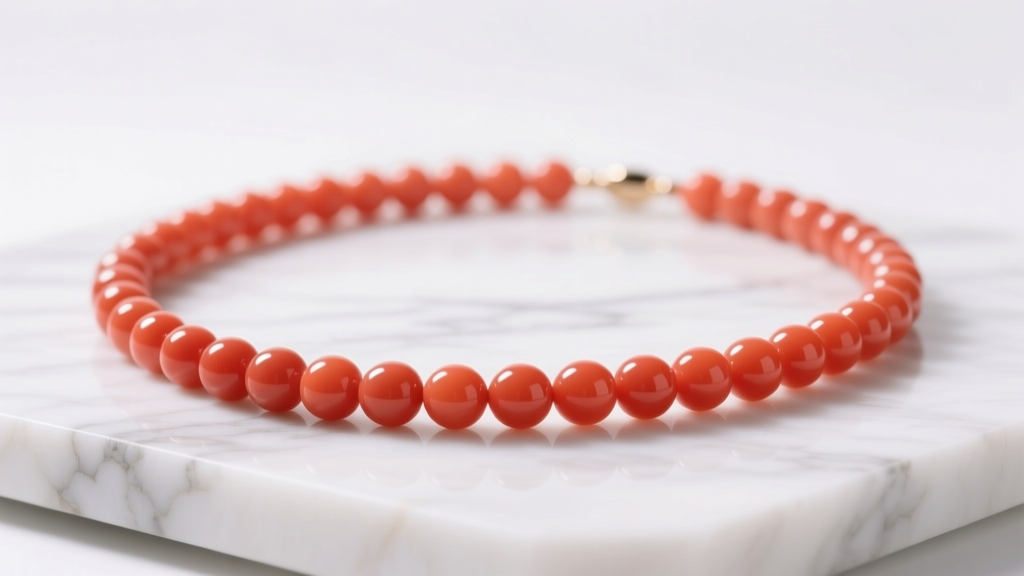
The Enduring Appeal of the Coral Colored Necklace
The demand for a vibrant coral colored necklace spans centuries, driven by the hue's unique ability to complement both warm and cool skin tones. However, the term 'coral' in the jewelry market is notoriously ambiguous. It can refer to genuine marine precious coral, ethically fraught and heavily regulated, or a wide spectrum of imitation materials ranging from dyed howlite to artisanal Murano glass. For the discerning collector or everyday wearer, understanding the gemological and physical properties of these materials is essential. This guide provides a deep-dive material comparison, equipping you with the scientific and practical knowledge needed to evaluate authenticity, durability, and ethical sourcing.
Genuine Precious Coral: Gemological Properties and Ethics
Genuine precious coral is an organic gemstone formed by marine polyps, primarily composed of calcium carbonate (CaCO3). The most prized varieties used in high-end necklaces are Corallium rubrum (Mediterranean red coral) and Corallium japonicum (Aka coral from the Pacific). Gemologically, genuine coral registers between 3.5 and 4.0 on the Mohs hardness scale, making it relatively soft and susceptible to scratching. Its specific gravity (SG) ranges from 2.60 to 2.70, giving it a satisfying, substantial heft when worn as a strand necklace.
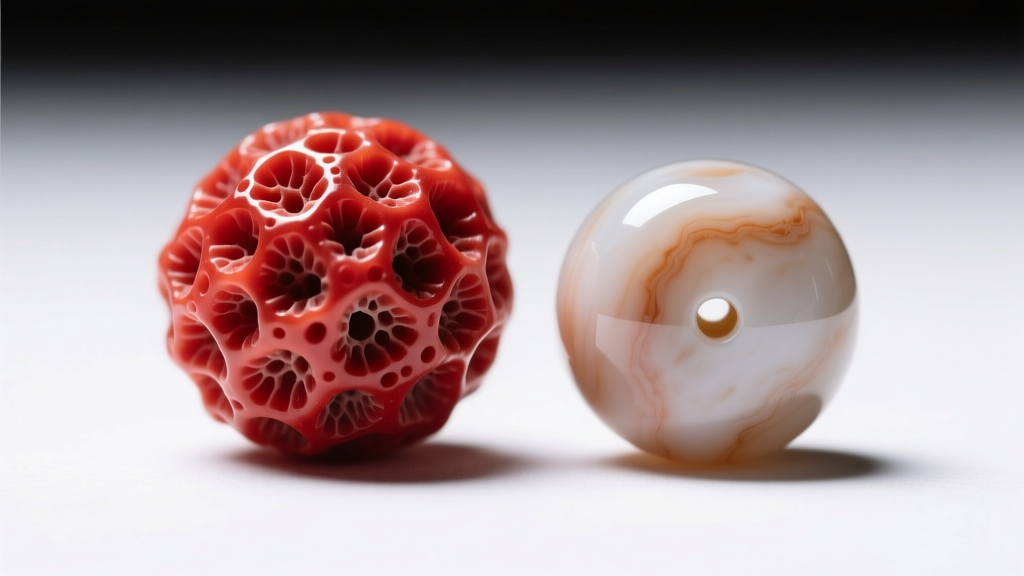
Under magnification, genuine coral exhibits distinct organic growth structures, often appearing as fine, parallel striations or a subtle wood-grain pattern. Unlike crystalline gemstones, coral is opaque and possesses a refractive index (RI) of approximately 1.48 to 1.65. One definitive, albeit destructive, gemological test involves applying a drop of dilute hydrochloric acid (HCl); genuine calcium carbonate will visibly effervesce (fizz), though this is rarely performed on finished jewelry.
CITES Regulations and Ethical Sourcing
The most critical factor when purchasing a genuine coral colored necklace is environmental legality. Due to overharvesting and ocean acidification, many coral species are strictly protected. According to the Convention on International Trade in Endangered Species (CITES), several coral species are listed under Appendix II, requiring stringent export permits. When shopping for real coral, always demand documentation proving the material was either harvested sustainably under strict quotas or is vintage (pre-1989). The Gemological Institute of America (GIA) strongly advises consumers to avoid undocumented coral, as the illicit trade severely damages fragile marine ecosystems.
Evaluating Faux and Alternative Materials
Given the ethical complexities and high cost of genuine precious coral (which can exceed $200 per gram for top-tier Aka coral), the market is flooded with alternatives. Understanding the physical properties of these substitutes is key to making an informed purchase.
Dyed Howlite and Magnesite
Howlite and magnesite are naturally white, porous minerals that readily absorb dyes, making them the most common imitations for a coral colored necklace. Howlite has a Mohs hardness of 3.5 and an SG of 2.53 to 2.59, closely mimicking the weight of real coral. However, under a loupe, dyed howlite lacks the organic striations of real coral, instead showing a web-like matrix or concentrated dye pooling in microscopic surface fractures. Pro Tip: You can perform a non-destructive acetone test. Rub a cotton swab dipped in nail polish remover (acetone) over an inconspicuous area of the bead; if the swab turns pink or orange, the stone is dyed. For more mineralogical data, the Mindat.org mineral database provides extensive crystallographic profiles on howlite and magnesite.
Murano Glass and Lampwork Beads
Artisanal glass, particularly from Murano, Italy, offers a brilliant, translucent alternative. Glass beads typically possess a higher Mohs hardness (5.5 to 7.0), making them far more resistant to everyday scratches than genuine coral or howlite. Glass has an amorphous structure, meaning it lacks a crystalline lattice. Under magnification, glass imitations may reveal tiny, perfectly spherical gas bubbles or swirl marks from the melting process—dead giveaways that the material is not organic. Glass also exhibits a conchoidal (shell-like) fracture if chipped, whereas coral will chip unevenly.
High-Grade Resins and Enamel
For fashion jewelry, high-grade epoxy resins and vitreous enamels are frequently used. Resin is exceptionally lightweight (SG around 1.05 to 1.20), meaning a heavy-looking resin necklace will feel surprisingly airy against the collarbone. The primary identifier for resin is thermal conductivity; unlike stone or glass, which feel cool to the touch, resin warms up almost instantly when held in the hand. Enamel, which is essentially powdered glass fused to a metal base, offers a brilliant, opaque coral hue with excellent durability, provided the metal substrate is not bent, which can cause the enamel to crack.
Comprehensive Material Comparison Matrix
To summarize the physical and economic differences, refer to the structured comparison below:
| Material | Mohs Hardness | Specific Gravity | Price Range (18" Strand) | Ethical / Sourcing Concerns |
|---|---|---|---|---|
| Genuine Aka Coral | 3.5 - 4.0 | 2.60 - 2.70 | $1,500 - $10,000+ | High (Requires CITES certification) |
| Dyed Howlite | 3.5 | 2.53 - 2.59 | $15 - $60 | Low (Abundant mineral) |
| Murano Glass | 5.5 - 7.0 | 2.40 - 2.80 | $80 - $400 | None (Man-made) |
| Epoxy Resin | 2.0 - 3.0 | 1.05 - 1.20 | $10 - $45 | Moderate (Petroleum-based plastics) |
| Vitreous Enamel | 5.0 - 6.0 | Varies (Metal base) | $50 - $250 | None (Man-made) |
Advanced Care and Maintenance Protocols
The structural integrity of your coral colored necklace dictates its care regimen. Genuine coral and dyed howlite are highly porous and chemically sensitive. They will permanently absorb oils, perfumes, and lotions, which can dull their polish or alter their color. Never use ultrasonic cleaners, steamers, or commercial jewelry dips on organic gems or dyed stones; the high-frequency vibrations and harsh chemicals will cause microscopic fracturing and dye leaching.
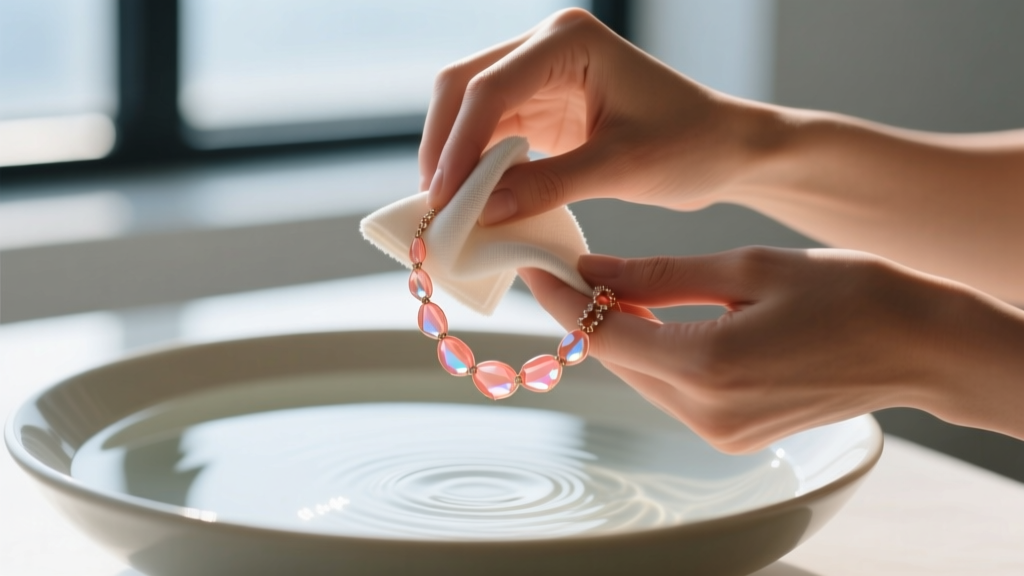
Instead, adopt a strict 'last on, first off' wearing protocol. Put your necklace on after applying cosmetics and fragrances, and remove it immediately upon returning home. Wipe the beads gently with a dry, untreated microfiber cloth after every wear to remove acidic skin oils. For glass and enamel alternatives, maintenance is far more forgiving; they can be safely washed with mild dish soap and lukewarm water, though they should still be kept away from hard impacts to prevent chipping.
Final Verdict: Selecting Your Ideal Piece
Choosing the right material for your coral colored necklace ultimately depends on your budget, ethical boundaries, and lifestyle. If you are a serious collector seeking heirloom value and possess the budget for certified, sustainable luxury, genuine Mediterranean or Pacific coral is unmatched in its organic warmth and historical prestige. However, for the modern, eco-conscious consumer who desires the striking visual impact of the coral hue without the environmental toll, high-quality dyed howlite or artisanal Murano glass offer exceptional durability and aesthetic appeal at a fraction of the cost. By leveraging these gemological identifiers, you can navigate the market with confidence, ensuring your investment is both beautiful and authentic to your values.


