EMF Protection Necklace Guide: Materials, Myths & Style
Explore our EMF protection necklace buying guide. Learn to evaluate shungite, orgonite, and copper pendants for authenticity, safety, and everyday style.

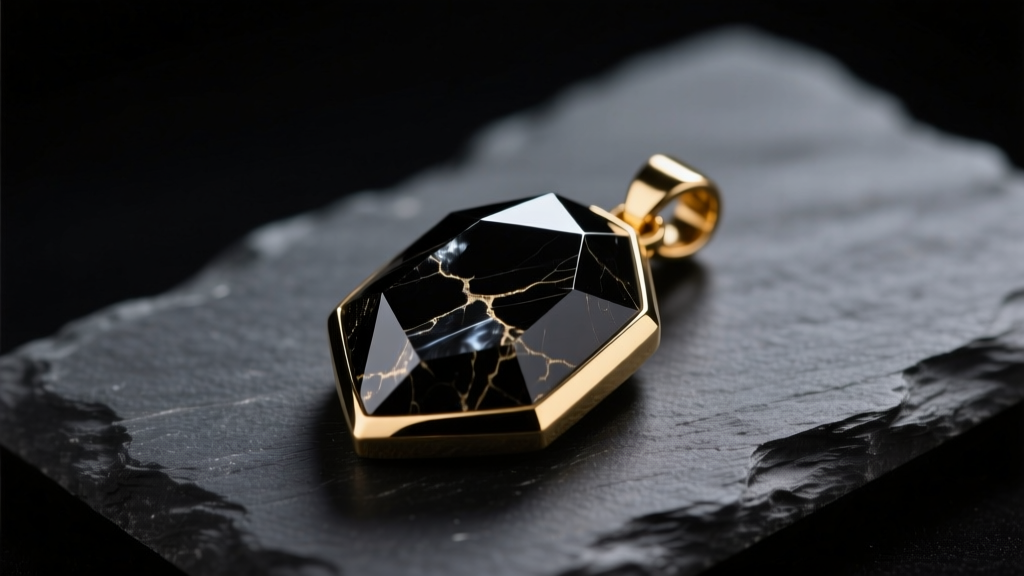
The market for wellness jewelry has exploded, and the EMF protection necklace is at the forefront of this trend. Consumers are increasingly seeking out pendants made from shungite, orgonite, copper, and black tourmaline to navigate a world saturated with wireless technology. However, as jewelry experts, we must separate the unproven electromagnetic claims from the very real material properties, craftsmanship requirements, and dermatological safety concerns associated with these pieces.
This buying guide bypasses the pseudoscience to focus on what actually matters when purchasing these necklaces: material authenticity, structural durability, skin safety, and aesthetic versatility. Whether you are buying for personal belief or simply because you appreciate the unique geological beauty of these materials, here is exactly what to look for.
The Reality of Wellness Jewelry: Aesthetics vs. Claims
From a gemological and metallurgical standpoint, no peer-reviewed scientific evidence supports the claim that a pendant can shield the human body from electromagnetic fields (EMFs). The inverse-square law of physics dictates that localized shielding requires complete enclosure, which a necklace cannot provide. However, the materials used in these necklaces are fascinating in their own right. Shungite is a rare, carbon-rich metasedimentary rock; black tourmaline is a complex borosilicate mineral; and copper is an essential, highly conductive transition metal. When evaluated as jewelry, the focus must shift to how these materials are sourced, treated, and set for daily wear.
Material Breakdown: What Are You Actually Wearing?
Shungite: The Carbon-Rich Metasedimentary Rock
Sourced almost exclusively from the Karelia region of Russia, shungite is prized for its unique fullerene carbon structure. According to the Mindat.org mineralogical database, shungite is not a true mineral but a mineraloid rock. There are two primary grades used in jewelry:
- Type I (Elite Shungite): Contains 90-98% carbon. It is highly conductive, extremely fragile, and has a metallic luster. It is rarely used for pendants because it crumbles easily and cannot be drilled without shattering.
- Type II (Black Shungite): Contains 50-70% carbon. This is the standard for jewelry. It is more stable, can be polished to a matte or semi-gloss finish, and holds up better to bezel settings.
Orgonite: Resin Composites and Curing Safety
Orgonite is not a naturally occurring mineral; it is a manufactured composite of synthetic resin, metal shavings (copper, brass, aluminum), and quartz crystals. The primary failure mode in cheap orgonite jewelry is improper resin curing. Poorly catalyzed polyester resin can remain tacky, off-gas volatile organic compounds (VOCs), and cause severe contact dermatitis. High-quality makers use jewelry-grade epoxy resin, which cures completely clear, is UV-resistant, and is hypoallergenic once hardened.
Copper and Black Tourmaline
Copper pendants are popular for their warm, rustic patina and natural conductivity. However, unsealed copper reacts with the slightly acidic pH of human sweat (typically 5.5 to 6.0) to form copper chloride, which stains the skin green. Black tourmaline (schorl) is a heavily included crystal. While the Gemological Institute of America (GIA) rates tourmaline at 7 to 7.5 on the Mohs hardness scale, black tourmaline is notoriously brittle due to internal stress fractures and must be protected by a bezel or halo setting to survive daily wear.
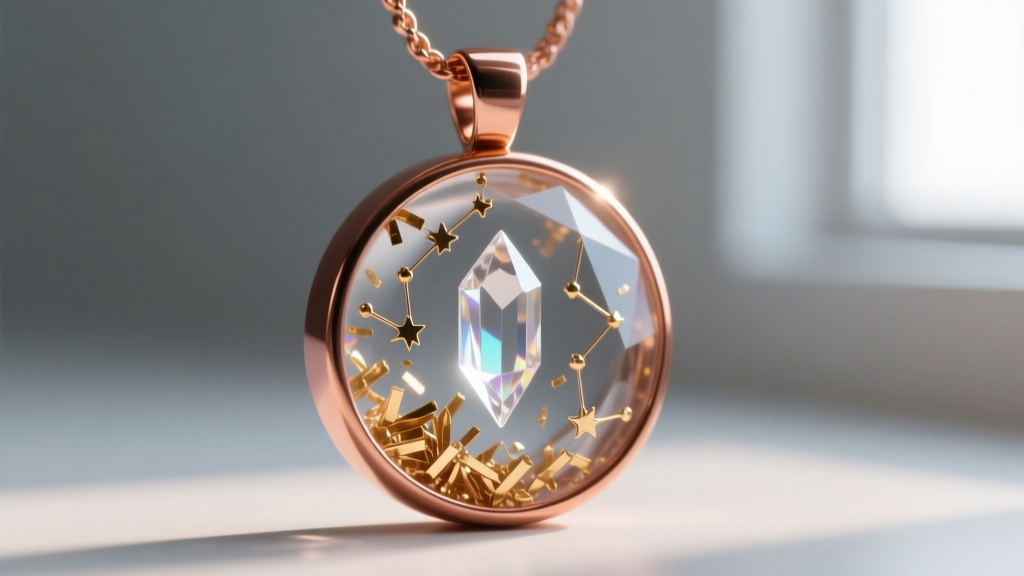
Comparative Durability and Maintenance Matrix
When selecting an EMF protection necklace, you must match the material's physical properties to your lifestyle. Use the table below to compare the structural realities of these popular wellness materials.
| Material | Mohs Hardness | Porosity / Fragility | Skin Safety Profile | Maintenance Level | Avg. Price Range |
|---|---|---|---|---|---|
| Black Shungite (Type II) | 3.5 - 4.0 | Low porosity, moderate brittleness | Safe, but can leave black carbon dust if unsealed | Medium (Keep away from harsh chemicals) | $40 - $120 |
| Orgonite (Epoxy Resin) | N/A (Plastic) | Highly durable, shatter-resistant | Safe if fully cured; toxic if tacky/uncured | Low (Avoid prolonged UV exposure) | $25 - $85 |
| Pure Copper | 2.5 - 3.0 | Malleable, bends easily under pressure | Will stain skin green unless sealed with lacquer | High (Requires regular polishing or patina acceptance) | $20 - $60 |
| Black Tourmaline | 7.0 - 7.5 | Highly included, prone to cleaving if dropped | Completely inert and hypoallergenic | Low (Clean with mild soap, no ultrasonic cleaners) | $50 - $150 |
Authentication Protocols: How to Spot Fakes
The wellness jewelry market is unfortunately rife with counterfeits. Because shungite and tourmaline command premium prices, unscrupulous sellers often pass off dyed coal, black obsidian, or onyx as genuine protection stones. Here is how to verify your purchase:
- The Multimeter Test for Shungite: Because genuine shungite contains a high percentage of conductive carbon, it will complete an electrical circuit. If you touch the probes of a standard digital multimeter to opposite ends of a genuine shungite bead or pendant, you will get a resistance reading (usually between 10 and 30 ohms). Fake shungite (like dyed glass or obsidian) is an insulator and will show infinite resistance.
- The Weight and Temperature Test: Real shungite is surprisingly lightweight for a stone due to its carbon composition, whereas black onyx or obsidian feels significantly heavier and colder to the touch.
- Visual Inspection for Tourmaline: Genuine raw black tourmaline will feature deep vertical striations (columnar crystals) and natural surface pitting. If the stone is perfectly smooth, uniformly black with no internal fractures, and lacks striations, it is likely dyed agate or glass.
Chain Selection and Weight Distribution
A common failure point in wellness necklaces is the chain. Shungite and large orgonite pendants are exceptionally dense, often weighing between 25 and 50 grams. Standard 1mm cable chains or delicate box chains will snap under this dynamic weight within weeks of daily wear.
Expert Recommendation: Always pair heavy wellness pendants with a 2.5mm to 3.5mm stainless steel or solid sterling silver rope chain. Rope chains offer superior tensile strength due to their interwoven link structure. Furthermore, ensure the pendant's bail (the loop connecting the stone to the chain) is soldered shut or features a heavy-duty lobster clasp. Open jump rings will inevitably pull apart under the pendulum-like swing of a heavy stone.

Styling "Protection" Pendants for Modern Wardrobes
The challenge with EMF protection jewelry is that it often leans heavily into a bohemian or overtly "crystal-healer" aesthetic, which can clash with professional or minimalist wardrobes. To integrate these pieces seamlessly:
- Embrace the Bezel: Opt for shungite or tourmaline pendants encased in sleek, polished gold or silver bezels. The metal framing elevates the raw stone into a piece of modern architectural jewelry.
- Layering with Intention: Pair a matte black shungite pendant on a 20-inch silver chain with a shorter, 16-inch delicate gold chain featuring a small, brilliant-cut diamond or sapphire. The contrast between the matte, earthy wellness stone and the faceted, light-catching gemstone creates a sophisticated, curated look.
- Minimalist Orgonite: Avoid massive, multi-colored resin pyramids. Instead, seek out micro-orgonite pendants—small, geometric resin shapes with subtle copper leafing and a single, tiny quartz point, worn close to the collarbone.
Final Verdict: Buying for Aesthetics and Craft
When shopping for an EMF protection necklace, the smartest consumers are those who buy for the inherent beauty and geological rarity of the materials, rather than relying on them as technological shields. By demanding authentic, conductivity-tested shungite, fully-cured hypoallergenic resins, and structurally sound chain pairings, you ensure that your wellness jewelry is safe, durable, and genuinely stylish. Treat these pieces with the same gemological scrutiny you would apply to fine diamonds or precious metals, and you will build a collection that stands the test of time.


