How to Clean and Untangle a Multi Layered Necklace Safely
Learn expert techniques to clean, untangle, and store your multi layered necklace without damaging delicate chains or gemstones.

The Anatomy of a Tangled Multi Layered Necklace
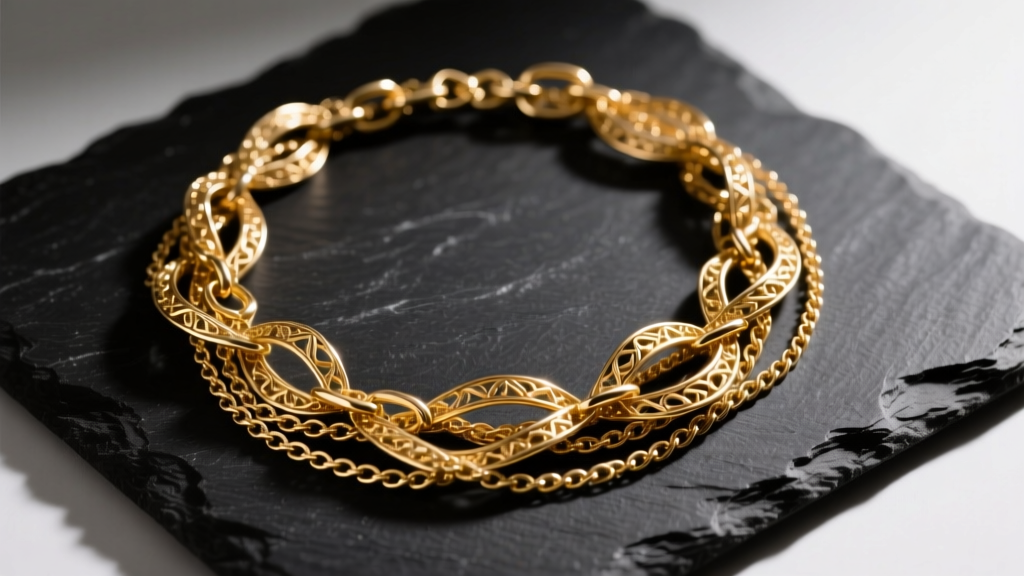
The multi layered necklace has cemented its place as a cornerstone of modern jewelry styling, offering a curated, dimensional look that elevates both casual and formal attire. However, the aesthetic brilliance of stacking three, four, or even five chains comes with a frustrating mechanical drawback: the inevitable knot. To properly care for these pieces, we must first understand why they tangle. When you stack chains of varying gauges and textures—such as a 0.9mm smooth snake chain, a 1.2mm textured cable chain, and a 2.0mm woven rope chain—the differences in surface friction and center-of-mass distribution cause them to braid themselves together during movement.
Furthermore, the migration of clasps plays a significant role. If the clasps on your layered necklaces are not perfectly aligned or if one chain is significantly heavier, the heavier pendant or chain will naturally pull downward, forcing the lighter chains to wrap around it. Understanding this physics is the first step in mastering the maintenance, cleaning, and storage of your layered stacks. In this comprehensive 2026 guide, we will explore professional-grade methods to keep your necklaces pristine, untangled, and ready to wear.
Material-Specific Cleaning Protocols
Before attempting to untangle a multi layered necklace, it is crucial to clean it. Dirt, body oils, and cosmetic residues act as an adhesive, increasing the friction between chain links and making knots significantly harder to undo. However, you must tailor your cleaning solution to the specific metals and gemstones in your stack.
Sterling Silver and Gold Vermeil
Sterling silver (925) is an alloy containing 92.5% silver and 7.5% copper. It is the copper that reacts with hydrogen sulfide in the air to create silver sulfide, the black tarnish you see on your chains. Gold vermeil, which consists of a sterling silver base plated with at least 2.5 microns of gold, requires equally gentle care to avoid stripping the gold layer.
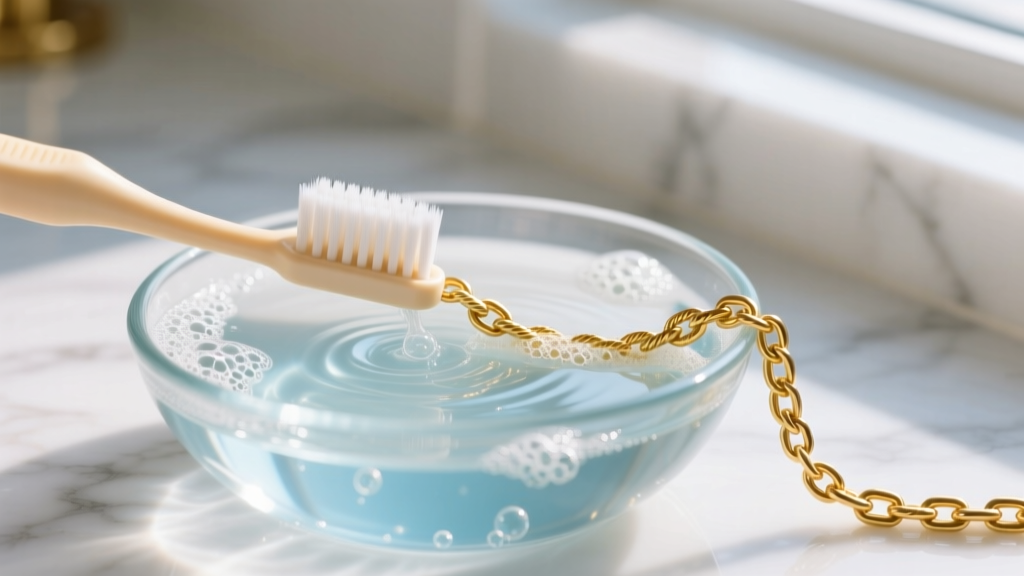
- The Solution: Mix a 1:10 ratio of pH-neutral dish detergent (like original blue Dawn) and distilled water. Avoid tap water, as the chlorine and hard minerals can accelerate oxidation.
- The Technique: Submerge the necklaces for no more than three minutes. Use a baby toothbrush with ultra-soft bristles (0.1mm or less) to gently sweep the crevices of the chain links.
- The Rinse: Rinse thoroughly in a bowl of clean distilled water, never directly under a high-pressure faucet, which can bend delicate 0.8mm chains.
Porous Gemstones and Pearls
If your multi layered necklace features organic or porous materials like pearls, opals, turquoise, or lapis lazuli, you must never submerge them in water. According to the Gemological Institute of America (GIA), porous gems can absorb chemicals and water, leading to internal fracturing or discoloration. Instead, use a slightly damp, lint-free microfiber cloth to gently wipe each link and stone individually. Never use commercial silver dips or ultrasonic cleaners on these materials.
The Dangers of Ultrasonic Cleaners for Layered Stacks
Many jewelry enthusiasts mistakenly believe that ultrasonic cleaners are the ultimate shortcut for maintaining a multi layered necklace. While ultrasonic waves (typically operating at 40-45 kHz) are excellent for blasting dirt out of the prongs of a single diamond ring, they are highly destructive to layered chains. When multiple chains are placed in an ultrasonic bath, the high-frequency vibrations cause the metal links to whip against one another at microscopic speeds. This results in severe surface scratching, work-hardening of the metal (making it brittle), and the loosening of any pavé or prong-set stones. Always stick to manual, chemical-assisted cleaning for layered stacks.
The Baby Powder and Pin Method: Untangling Without Breakage
Once your necklaces are clean and completely dry, you can address the knots. The most common mistake people make is using their fingers to pull at the ends of a tangled chain. This applies tension that tightens the slipknots and can easily exceed the tensile strength of a delicate chain, leading to micro-fractures in the soldered links.
Step 1: Prepare the Surface. Place the tangled mass on a flat, non-porous surface, such as a glass cutting board or a ceramic tile. This provides a hard backdrop so you can see the overlapping links clearly.
Step 2: Apply a Dry Lubricant. Generously dust the knot with talc-free baby powder or cornstarch. This acts as a dry lubricant, drastically reducing the coefficient of friction between the metal links and allowing them to slide past one another.
Step 3: Use Precision Tools. Put down your fingers and pick up two size-9 or size-10 sewing needles, or specialized jewelry prongs. Insert the tips of the needles into the exact center of the knot and gently wiggle them outward to loosen the core tension.
Step 4: Work from the Inside Out. Never pull the outer loops. Instead, use the needles to push the links back through the center of the knot. As the core loosens, the outer loops will naturally fall away. Once separated, wipe the chains down with a polishing cloth to remove the powder residue.
Strategic Storage to Prevent Future Knots
Proper storage is the only way to guarantee your multi layered necklace remains tangle-free. The goal is to immobilize the chains and separate the clasps. Below is a comparison of the most effective storage methods utilized by professional jewelers and stylists.
| Storage Method | Anti-Tangle Efficacy | Anti-Tarnish Efficacy | Best For |
|---|---|---|---|
| Individual Polyethylene Zip Bags | High | High (if air is expelled) | Long-term storage and travel |
| The 'Straw' Threading Method | Very High | Low (needs secondary bag) | Ultra-fine chains (under 1.0mm) |
| Velvet Jewelry Rolls with Snaps | Medium | Medium | Frequent travelers needing quick access |
| Hanging Acrylic Organizers | High | Low (exposed to air) | Vanities with low humidity environments |
The Straw Method Explained: For incredibly fine chains that seem to tangle just by looking at them, unclasp the necklace and thread the chain through a standard plastic drinking straw. Clasp the necklace on the outside of the straw. This rigidly immobilizes the chain, making tangling physically impossible. You can then place the straw into a zip bag with an anti-tarnish strip for maximum protection.

Maintenance Schedules and Professional Intervention
To maintain the structural integrity and visual brilliance of your necklaces, establish a regular maintenance schedule. For pieces worn daily, a gentle wipe-down with a treated silver or gold polishing cloth once a week will remove acidic body oils and environmental pollutants before they can cause deep tarnish or corrosion. According to Tiffany & Co.'s jewelry care guidelines, regular professional polishing is recommended for solid metals, but should be done sparingly for plated pieces like vermeil or gold-filled chains to avoid wearing through the precious metal layer.
Expert Tip: If a knot in your multi layered necklace has been pulled so tight that the metal links are visibly deformed, or if the chain features a complex micro-pavé diamond setting, stop attempting to untangle it yourself. Take it to a professional bench jeweler. They possess magnification loupes, specialized micro-pliers, and the expertise to dismantle the knot by temporarily opening a jump ring or clasp, rather than risking a catastrophic chain snap.
By respecting the mechanics of your jewelry, utilizing the correct chemical cleaners, and employing strategic storage solutions, your layered stacks will remain a flawless, effortlessly chic component of your wardrobe for years to come.


