Toggle Necklace Gold: 2026 Budget & Value Assessment
Discover if a toggle necklace gold piece is worth your investment in 2026. We break down karat pricing, clasp mechanics, and true market value.

The Anatomy of a Gold Toggle Necklace: Where the Money Goes
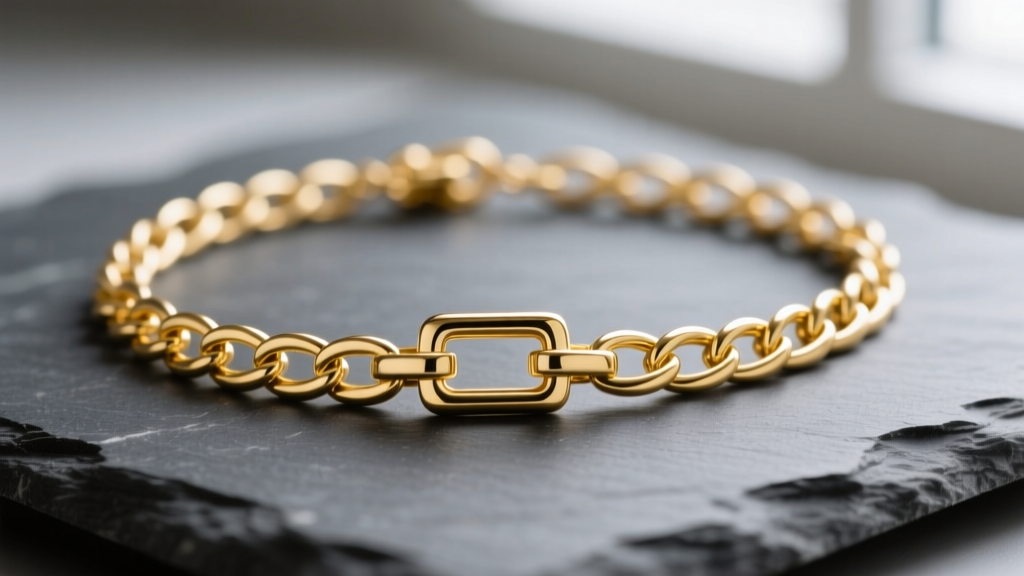
When evaluating a toggle necklace gold piece, the untrained eye focuses solely on the aesthetic of the T-bar and ring clasp. However, from a budget and value assessment perspective, the clasp is an engineering marvel that dictates the longevity of the entire garment. In 2026, with gold spot prices hovering near historic highs, understanding where your money actually goes is critical. A high-value toggle necklace allocates roughly 15% to 25% of its total gold weight directly into the clasp mechanism. Budget manufacturers, conversely, skimp on the clasp weight, leading to warped rings, bent T-bars, and ultimately, lost jewelry.
The true cost of a gold toggle necklace is not just in the chain's length, but in the structural integrity of the components that bear the dynamic load. The circular ring must withstand the tensile stress of the chain's weight, while the T-bar must resist bending forces every time the wearer moves. According to the Gemological Institute of America (GIA), the specific alloy mix used in gold jewelry drastically affects its mechanical limits, meaning the karat weight you choose will directly impact the clasp's durability over time.
10K vs. 14K vs. 18K: Pricing the Gold Content
The purity of the gold dictates not just the color and prestige, but the physical hardness of the metal. This is especially crucial for the T-bar, which acts as a lever. If the gold is too soft and the bar too thin, it will bend, rendering the clasp useless. Below is a breakdown of how different karats perform in toggle mechanisms and their estimated 2026 retail pricing per gram.
| Gold Karat | Purity | Vickers Hardness (HV) | 2026 Retail Price Range (Per Gram) | Value Verdict for Toggles |
|---|---|---|---|---|
| 10K | 41.7% | ~150 HV | $65 - $95 | Highly durable and resistant to bending, but lacks the rich yellow hue and resale value of higher karats. |
| 14K | 58.3% | ~130 HV | $110 - $165 | The optimal sweet spot. Offers excellent structural integrity for the T-bar while maintaining strong intrinsic value. |
| 18K | 75.0% | ~110 HV | $175 - $250 | Premium color and investment value, but requires a much thicker gauge casting to prevent the T-bar from warping. |
Data from the World Gold Council indicates that retail premiums on finished jewelry have widened in 2026 due to increased manufacturing and energy costs. Therefore, buying a heavier 14K piece often provides a better intrinsic value-to-cost ratio than a lightweight 18K piece, especially for mechanical components like clasps.
The Toggle Clasp Failure Mode: Engineering vs. Budget
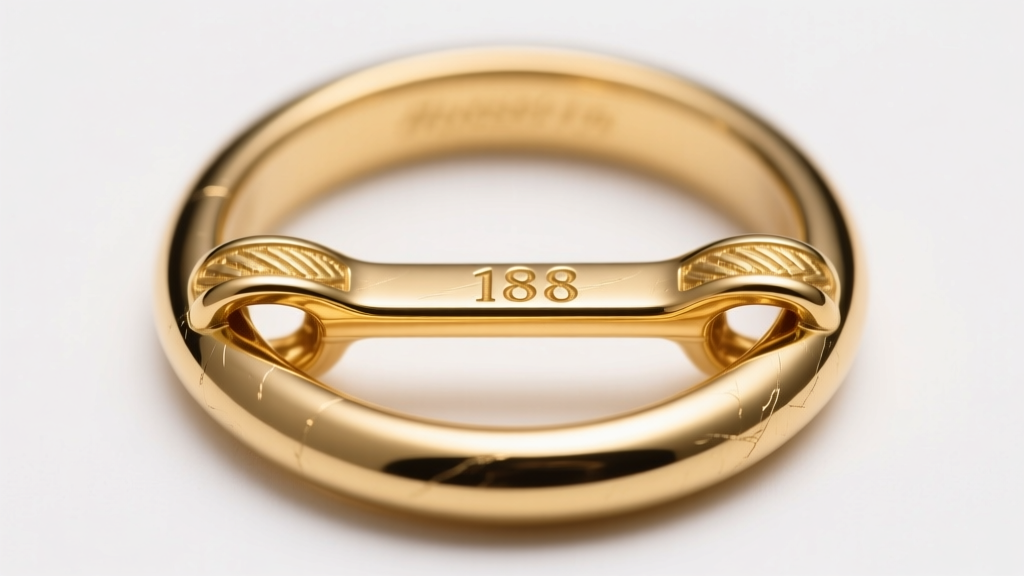
The most common reason consumers abandon toggle clasps is the fear of the necklace slipping off. This is rarely an issue with the design itself, but rather a symptom of poor manufacturing tolerances. Budget brands often use a standardized, undersized T-bar to save on gold weight, completely ignoring the physics of kinetic movement.
The 3:1 Ratio Rule
To ensure a toggle clasp remains secure during daily wear, jewelers rely on a strict geometric proportion. The length of the T-bar must be at least three times the inner diameter (ID) of the circular ring. If a necklace features a ring with a 12mm ID, the T-bar must measure a minimum of 36mm in length. When brands cheat this ratio—using a 25mm bar on a 12mm ring—the clasp will easily pivot and slip through the ring when the chain is pulled or caught on clothing.
The Jeweler's Rule of Thumb: Never purchase a toggle necklace where the T-bar is less than three times the inner diameter of the ring. A 12mm ring requires a minimum 36mm bar to survive daily kinetic movement without slipping.
Furthermore, inspect the solder joint on the circular ring. The ring bears the entire weight of the chain. Cheap necklaces feature a single micro-solder joint that is highly prone to snapping under leverage. High-value, premium necklaces utilize seamless extruded rings or double-soldered joints to distribute the stress evenly. The Federal Trade Commission (FTC) Jewelry Guides strictly mandate accurate karat stamping, but they do not regulate structural engineering, leaving the burden of quality assessment entirely on the consumer.
Solid, Semi-Solid, and Hollow: The Weight Deception
One of the most pervasive traps in the 2026 jewelry market is the illusion of volume. Through a process called electroforming, manufacturers can create massive, thick-looking chain links that are entirely hollow inside. While a hollow 5mm paperclip chain might look identical to a solid one on a mannequin, the weight discrepancy is staggering.
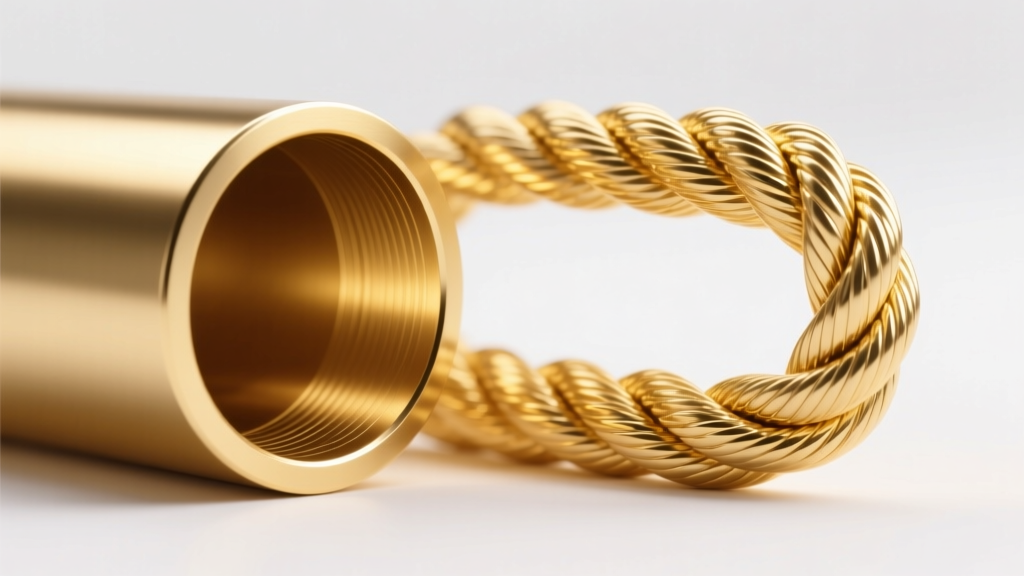
A 20-inch hollow toggle necklace might weigh a mere 4 to 6 grams, retailing for around $350. A solid equivalent will weigh between 18 and 25 grams, pushing the price well past $1,500. The danger of hollow chains extends beyond poor resale value; they are catastrophic for toggle clasps. The heavy, solid gold T-bar and ring will exert disproportionate leverage on the lightweight, hollow end-links of the chain. Over time, these end-links will stretch, dent, and deform, eventually causing the clasp to detach from the chain entirely. If you are investing in a toggle necklace gold design, always demand the exact gram weight and ask the jeweler to confirm the links are solid or semi-solid cast.
2026 Market Pricing: What You Should Actually Pay
Navigating the market requires a clear understanding of pricing brackets. Here is what you should expect to pay for a standard 18-inch to 20-inch toggle necklace in 2026, categorized by true market value:
- Budget Tier ($150 - $450): Typically 10K or lightweight 14K gold. Expect hollow or semi-solid links, thin T-bars (under 2mm thick), and single-soldered clasp rings. While affordable, the risk of clasp failure and chain denting is high.
- Mid-Tier Value ($500 - $1,400): Solid 14K gold, weighing between 15 to 28 grams. Features proper 3:1 clasp ratios, seamless toggle rings, and durable chain styles like Figaro, Rope, or solid Paperclip. This is the sweet spot for longevity and intrinsic value.
- Luxury & Investment ($1,800 - $5,000+): Heavy 14K or 18K gold (35+ grams). Includes designer markups, artisan lost-wax casting, and flawless mechanical tolerances on the toggle mechanism. These pieces often appreciate or hold their melt value exceptionally well.
Final Verdict: Assessing the True Value
A toggle necklace gold piece is absolutely worth the investment, provided you buy it for its engineering as much as its aesthetics. The toggle clasp is not just a decorative element; it is the structural keystone of the necklace. By prioritizing solid gold weight, verifying the 3:1 bar-to-ring ratio, and selecting 14K gold for the perfect balance of hardness and purity, you can secure a piece that will last a lifetime. Avoid the trap of hollow volume, and always weigh your options—literally—before making a purchase in today's premium market.


