How to Clean and Repair Your Gold Sacred Heart Necklace
Troubleshoot common issues with your gold sacred heart necklace. Learn expert repair, cleaning, and chain reinforcement tips for lasting wear.

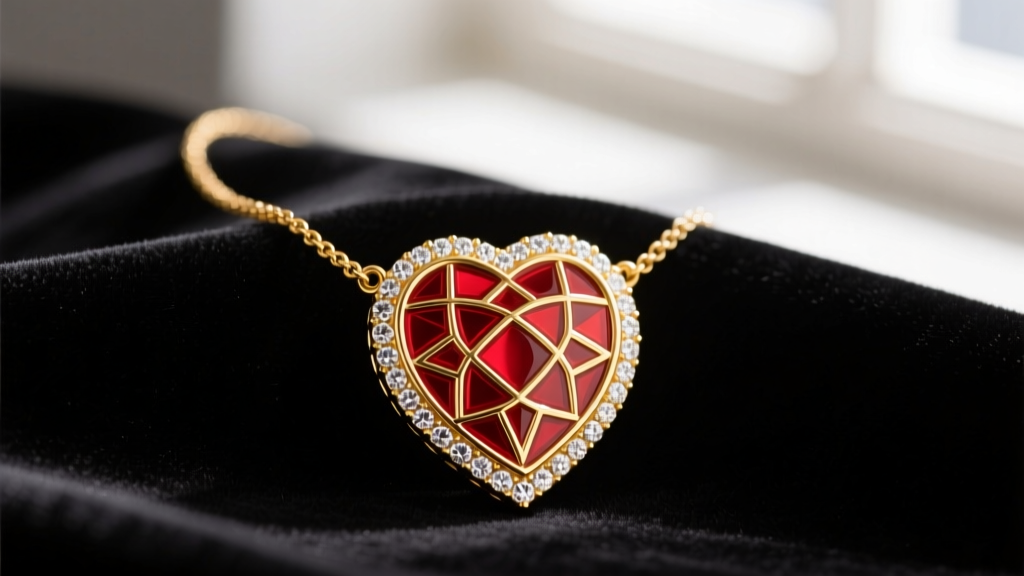
The gold sacred heart necklace is more than just a piece of jewelry; it is a profound symbol of devotion, love, and faith. However, the intricate design elements that make these pendants so beautiful—heavy gold casting, vibrant enamel work, and delicate gemstone halos—also make them uniquely prone to specific types of wear and damage. Whether you are dealing with a snapped chain, a chipped enamel heart, or stubborn tarnish on a vintage 14k piece, troubleshooting these issues requires an understanding of metallurgy and jewelry construction. In this comprehensive guide, we break down the exact failure modes of sacred heart pendants and provide actionable, expert-level solutions to restore your piece.
Understanding Your Gold Alloy and Tarnish Troubleshooting
Pure 24k gold does not tarnish, but it is far too soft to support the structural demands of a detailed sacred heart pendant. Therefore, jewelers use gold alloys. According to the Gemological Institute of America (GIA), 14k gold (58.5% pure gold) is the industry standard for religious pendants because the remaining 41.5% consists of strengthening metals like copper, silver, and zinc.
The Copper Oxidation Problem
If your gold sacred heart necklace is developing dark brown or black spots, you are witnessing copper oxidation. This is especially common in 10k and 14k rose or yellow gold when exposed to sulfur, lotions, and acidic sweat. The copper in the alloy reacts with environmental chemicals, creating cupric oxide on the surface.
- Do: Create a gentle cleaning bath using warm water, a few drops of phosphate-free dish soap, and a soft baby toothbrush. Gently agitate the bristles around the intricate crevices of the heart, the thorns, and the halo setting.
- Don't: Never use commercial silver dip or harsh chemical tarnish removers. These solutions contain thiourea, which can strip the alloyed metals from your gold, leaving the surface porous and permanently discolored.
- Warning: Avoid ultrasonic cleaners if your pendant features gemstone halos or enamel. The high-frequency vibrations can shatter fracture-filled diamonds and dislodge delicate glass enamel.
Enamel Damage: Chipping, Cracking, and Fading
The most iconic feature of a sacred heart pendant is the vibrant red or blue enamel representing divine love. Troubleshooting enamel damage requires you to first identify the type of enamel used by the original manufacturer.

Vitreous Enamel vs. Cold Enamel
High-end and vintage sacred heart necklaces typically use guilloché vitreous enamel. This involves engine-turning a geometric pattern into the gold base and fusing powdered glass in a kiln at over 1,400°F. If vitreous enamel chips, you cannot simply 'paint' over it. It requires a master enamelist to clean the gold substrate, pack new glass frit, and torch-fire the piece. Attempting a DIY repair with clear nail polish or UV resin will result in a cloudy, uneven patch that traps dirt.
Conversely, modern, more affordable pendants often use cold enamel, which is essentially a two-part epoxy resin. If cold enamel chips, you can troubleshoot this at home. Carefully clean the divot with isopropyl alcohol, apply a color-matched jewelry UV resin using a fine needle, and cure it under a 36W UV lamp for 60 seconds. Sand it flush with 2000-grit wet sandpaper and polish with a microfiber cloth.
Chain Breakage and Bail Stress: The Physics of Heavy Pendants
A solid gold sacred heart pendant can weigh anywhere from 5 to 15 grams. This concentrated weight creates immense kinetic stress on the chain and the bail (the loop connecting the pendant to the chain). The most common catastrophic failure is the chain snapping at the jump ring, or the bail wearing completely through.
The Sawing Effect
When a heavy pendant swings on a thin chain, the chain acts like a flexible file. Over months of wear, the chain links physically saw through the interior of the gold bail. According to GIA's care and cleaning guidelines, regular inspection of the bail's interior thickness is crucial to prevent losing a valuable heirloom. If the bail metal is worn down to less than 0.5mm, it is in the danger zone.
| Chain Style | Recommended Thickness | Max Pendant Weight | Bail Friction Risk |
|---|---|---|---|
| Cable Chain | 0.9mm - 1.0mm | 4 grams | High (Links dig into bail) |
| Box Chain | 1.2mm - 1.5mm | 10 grams | Medium (Flat surfaces reduce friction) |
| Rope Chain | 1.5mm - 2.0mm | 18 grams | Low (Helical shape distributes weight) |
| Wheat Chain | 1.2mm - 1.5mm | 12 grams | Low (Woven links prevent sawing) |

Step-by-Step Bail and Jump Ring Reinforcement
If you notice the bail thinning, do not wait for it to snap. A professional jeweler can perform a bail reaming and sleeving. This involves using a laser welder to fuse a hard platinum or 18k white gold sleeve inside the worn 14k yellow gold bail. Platinum has a significantly higher Mohs hardness and melting point, meaning it will act as a permanent, friction-resistant bearing for your chain to glide against.
For the jump ring connecting the chain to the clasp, ensure it is soldered shut. A standard open jump ring will easily pull apart under the 10-gram dynamic load of a swinging sacred heart pendant. Laser soldering is preferred over traditional torch soldering here, as the laser's pinpoint heat prevents damaging any nearby gemstone halo settings or melting the enamel on the pendant below.
When to See a Professional Jeweler
While home maintenance like gentle soap baths and UV resin touch-ups can solve minor cosmetic issues, structural failures require professional intervention. If your gold sacred heart necklace suffers from a cracked halo prong, a warped bail, or deep alloy tarnish that does not lift with a soft brush, take it to a certified bench jeweler. By understanding the specific material grades and mechanical stress points of your pendant, you can ensure this meaningful piece of jewelry survives for generations to come.


