Welding Pancake Hood Necklace: Metallurgy & Safety Guide
Discover the technical specs, safe metallurgy, and spark-resistant cordage for the iconic welding pancake hood necklace worn by pipeline pros.

The Intersection of Pipeline Culture and Occupational Jewelry
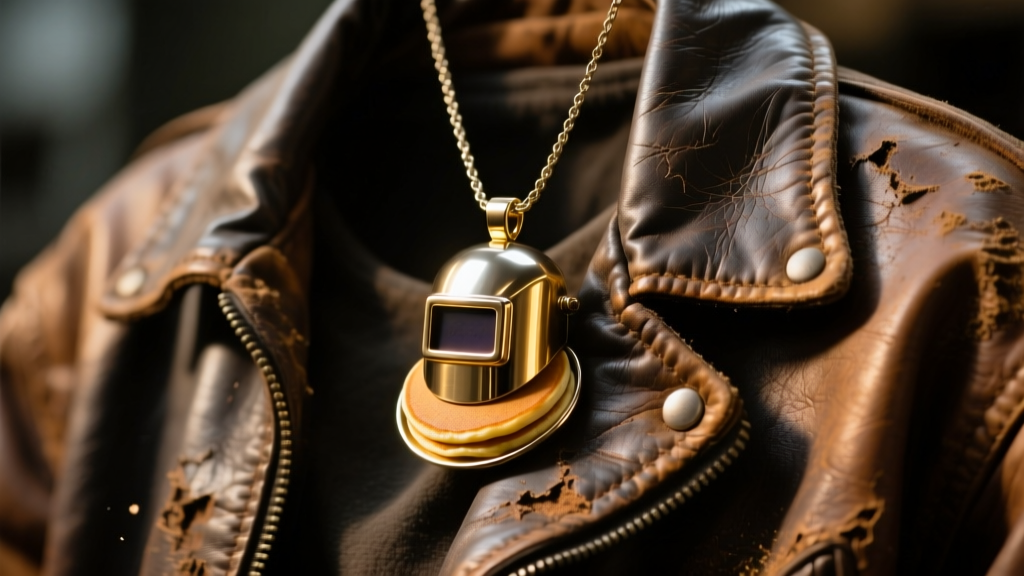
In the rugged world of pipeline welding, the traditional pancake hood is more than just personal protective equipment (PPE); it is a revered symbol of the trade. Designed specifically for right-handed or left-handed pipe welders working in the demanding 5G and 6G positions, the flat, lightweight profile of the pancake hood allows welders to rest their cheek against the pipe while maintaining a perfect line of sight to the puddle. Today, this iconic piece of gear has transcended its functional roots, giving rise to a highly specialized niche in occupational jewelry: the welding pancake hood necklace.
Unlike standard fashion pendants, a necklace designed for a pipeline welder must endure extreme environmental conditions. It is exposed to high-velocity grinding sparks, ultraviolet (UV) and infrared (IR) arc flash, and the constant risk of snagging on heavy machinery. As we navigate the technical landscape of 2026, the fabrication of these pendants has evolved from simple novelty items into precision-engineered pieces of metallurgical art. This guide provides an expert deep dive into the anatomy, material science, and critical safety protocols required when selecting or commissioning a welding pancake hood necklace.
Anatomy of the Pancake Hood Pendant
To accurately replicate the pancake hood, custom jewelers and metalworkers must understand the distinct architectural features that separate it from standard auto-darkening or passive welding helmets. A high-quality pendant operates on a 1:12 or 1:16 scale, typically measuring between 35mm and 45mm in width. The design must capture three critical elements:
- The Offset Eyebox: True pipeliner hoods are asymmetrical. The Steatite (soapstone) lens holder is offset to the left or right to accommodate the welder's dominant eye and the direction they weld around the pipe. A premium pendant will feature a distinct, asymmetrical cutout to reflect this.
- The Sweetheart Neckline: The bottom curve of the hood, often referred to as the sweetheart neckline, is scooped out to allow the welder to tuck their chin and look down into tight pipe joints without the hood riding up.
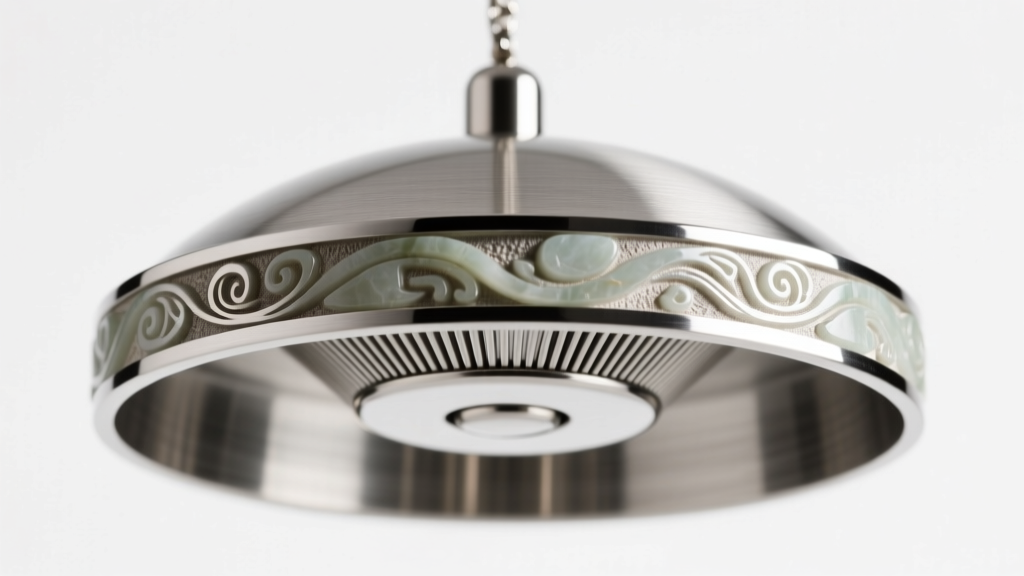
- The Leather Bib Integration: Many high-end pendants incorporate a secondary material inlay or deep texturing at the base to represent the heavy leather bib that protects the welder's chest from falling slag and spatter.
Metallurgy and Arc Flash Considerations
The most critical mistake a novice jeweler can make when crafting a welding pancake hood necklace is selecting a metal based purely on aesthetics. The environment of a welding rig is highly hostile to traditional precious metals. Understanding thermal conductivity and melting points is non-negotiable.
Why Sterling Silver and Copper Fail
Sterling silver (925) and copper possess exceptionally high thermal and electrical conductivity. If a welder is exposed to an arc flash, or if a stray piece of molten spatter lands on a silver pendant, the metal will rapidly absorb and transfer that heat directly to the sternum, causing severe localized burns. Furthermore, in high-amperage Direct Current (DC) welding environments like Shielded Metal Arc Welding (SMAW), highly conductive metals resting against the chest can theoretically become part of an induced electromagnetic circuit, posing a severe safety hazard.
The Optimal Alloys for Pipeline Jewelry
For a safe, durable welding pancake hood necklace, fabricators rely on three primary alloys:
- 316L Surgical Stainless Steel: With a melting point of approximately 1400°C (2550°F) and significantly lower thermal conductivity than silver, 316L is the industry standard. It resists oxidation from grinding dust and sweat, and its low carbon content prevents carbide precipitation during any localized heat exposure.
- Grade 5 Titanium (Ti-6Al-4V): The pinnacle of aerospace and high-end trade jewelry. Titanium is incredibly lightweight (reducing neck fatigue during 12-hour shifts), non-magnetic, and boasts a melting point of over 1600°C. It is entirely inert and will not react with the acidic environment of heavy perspiration.
- Silicon Bronze: Preferred by traditionalists for its warm, gold-like hue that develops a rugged patina over time. Silicon bronze offers excellent corrosion resistance and a much safer thermal profile than pure copper or brass.
Spark-Resistant Cordage and Suspension Mechanics
The pendant is only half of the equation. The suspension system—the "necklace" itself—must be engineered to prevent snagging on wire feeders, grinders, and beveling machines. According to the American Welding Society (AWS) safety guidelines, loose-fitting clothing and jewelry are primary snag hazards that can pull a welder into an active arc or rotating machinery.
| Material | Tensile Strength | Spark Resistance | Safety Rating |
|---|---|---|---|
| Standard Ball Chain | Low (15-20 lbs) | Poor (Traps hot slag) | F (Severe Snag Hazard) |
| 3mm Spiga Steel Chain | High (150+ lbs) | Moderate | D (Conductive, No Breakaway) |
| 2.5mm Aramid (Kevlar) Cord | Very High (400+ lbs) | Excellent (Self-extinguishing) | A (Dielectric, High Heat) |
| 8oz Leather Braided Cord | Moderate (80-100 lbs) | Good (Chars, doesn't melt) | B (Degrades with UV/Sweat) |
For the modern pipeline welder, a 2.5mm Aramid (Kevlar) core cord wrapped in a tightly woven, fire-resistant nylon sheath is the undisputed best choice. Aramid fibers do not melt or drip when exposed to grinding sparks; instead, they carbonize and maintain structural integrity up to 427°C (800°F). More importantly, a Kevlar cord acts as a dielectric break, ensuring that no continuous electrical path exists between the pendant and the welder's body.
The Mandatory Breakaway Clasp
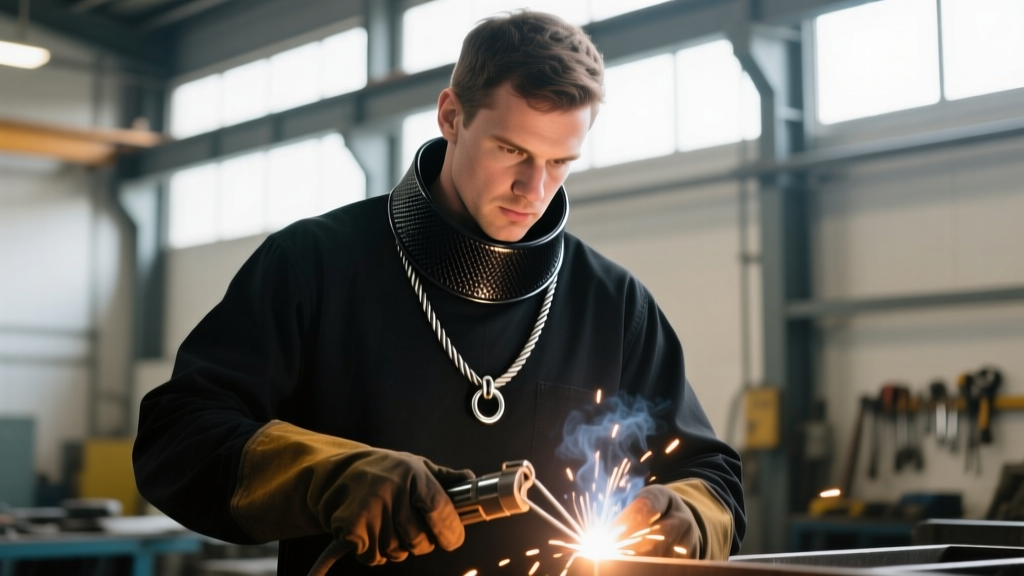
Regardless of the cordage chosen, the necklace must feature a calibrated breakaway clasp. In the event that the pendant drops into a pipe bevel or catches on a lifting lug, the clasp must release under 15 to 25 pounds of force. Heavy-duty neodymium magnetic breakaway clasps, housed in a 316L stainless steel shroud, provide the perfect balance of secure daily wear and emergency release. This specific hardware configuration is heavily recommended in occupational safety briefings detailed by OSHA's welding and cutting standards.
Ergonomics and Rig Safety Clearances
Wearing a welding pancake hood necklace on the right-of-way requires strict adherence to ergonomic clearances. The pendant should never hang lower than the sternum. A chain or cord length of 18 to 20 inches is optimal, allowing the pendant to rest flat against the collarbone, safely tucked beneath the heavy leather collar of a welding jacket or the flame-resistant (FR) collar of a welding shirt.
Furthermore, the profile of the pendant must be low-relief. High-relief casting with sharp, protruding edges can scratch the welder's skin when the heavy leather hood is pressed against the chest during tight-tie-in welds. Expert fabricators utilize a process called "doming" or slight convex curving on the back of the pendant, ensuring that the piece sits comfortably against the skin without creating pressure points under the weight of the welding hood's leather bib.
Sourcing and Custom Fabrication in 2026
While mass-produced novelty hood pendants exist, serious pipeline professionals typically commission custom pieces from specialized trade jewelers. In 2026, the integration of high-resolution resin 3D printing and investment casting allows for unprecedented detail in the Steatite lens threads and the wood-grain texture of traditional balsa-core hoods.
"When commissioning a custom pancake hood pendant, always specify your dominant eye and whether you weld uphill or downhill. A master jeweler will mirror the eyebox offset to match your exact welding stance, turning a simple necklace into a deeply personal artifact of your trade."
Pricing for a custom-cast, Grade 5 Titanium welding pancake hood necklace on an Aramid suspension system typically ranges from $180 to $350, depending on the complexity of the engraving and the inclusion of secondary materials like inlaid copper or brass accents. Lead times generally span 4 to 6 weeks, as the investment casting process requires meticulous burnout and cooling cycles to ensure the integrity of the aerospace-grade alloys.
Final Verdict: A Badge of Honor Engineered for Survival
The welding pancake hood necklace is far more than a decorative accessory; it is a testament to the grit, precision, and endurance of the pipeline welder. By prioritizing low-conductivity alloys like 316L stainless steel or Titanium, utilizing spark-resistant Aramid cordage, and mandating magnetic breakaway hardware, welders can wear their trade pride safely on the rig. Understanding the metallurgy and safety mechanics behind this unique piece of jewelry ensures that it will survive the sparks, the sweat, and the miles of pipe, serving as a lifelong badge of honor.
For more detailed safety protocols regarding PPE and personal accessories on the welding site, always consult the latest safety bulletins provided by Lincoln Electric and your site's dedicated safety officer.


