The Ultimate Technical Guide to Choosing a Necklace Chain for Women
Discover the metallurgy, tensile strength, and clasp engineering behind the perfect necklace chain for women. Expert specs on gauges and alloys.

Beyond Aesthetics: The Engineering of Fine Jewelry
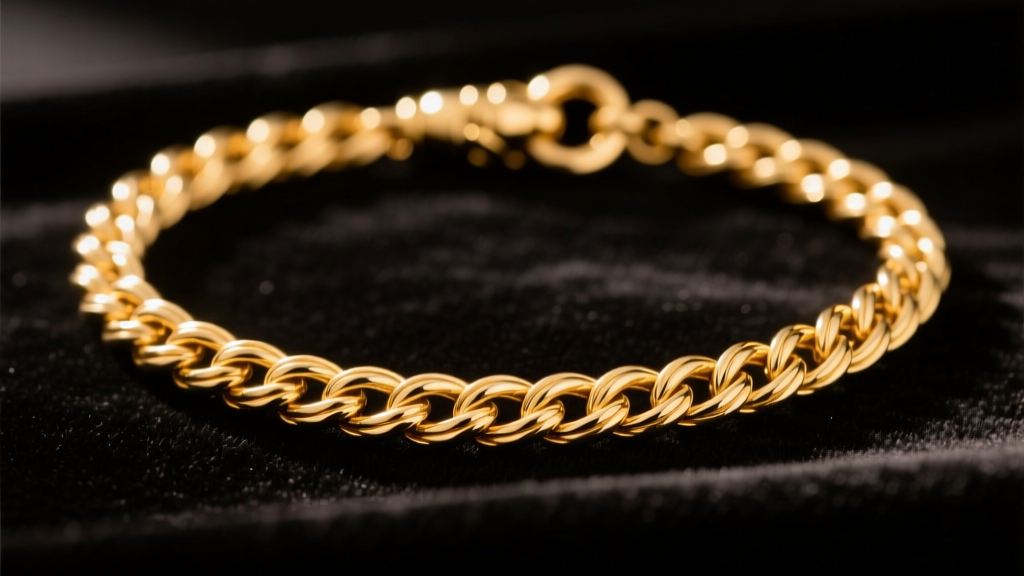
When selecting the right necklace chain for women, most style guides focus entirely on aesthetics—how a specific link pattern complements a neckline or suits a particular occasion. However, as jewelry professionals, we know that a chain is fundamentally a mechanical device. It is a flexible, articulated structure subjected to constant tensile stress, friction, and environmental degradation. Choosing a chain based solely on its visual appeal often leads to premature stretching, kinking, or catastrophic failure at the clasp.
This expert deep dive bypasses the fluff and examines the metallurgy, link geometry, tensile strength, and clasp engineering that dictate the lifespan and durability of your jewelry. Whether you are suspending a heavy gemstone pendant or layering delicate daily-wear pieces, understanding these technical specifications is non-negotiable.
Metallurgy & Alloy Composition: What Your Chain is Actually Made Of
The structural integrity of any chain begins at the atomic level. Pure 24k gold is far too malleable for chain manufacturing; it will stretch and deform under the weight of even a light pendant. Therefore, alloying is critical. According to the Gemological Institute of America (GIA), the specific ratio of alloying metals drastically alters the Vickers hardness (HV) and tensile strength of the final piece.
14k vs. 18k Gold Alloys
- 14k Gold (58.5% Gold): Alloyed with higher percentages of copper, silver, and zinc. This results in a Vickers hardness of approximately 140-160 HV. It is highly resistant to stretching and abrasion, making it the superior technical choice for chains that will bear moderate pendant weight or endure daily friction.
- 18k Gold (75% Gold): Softer, with a Vickers hardness around 110-130 HV. While it offers a richer color and higher intrinsic value, an 18k chain of the exact same gauge and link style will stretch and wear down faster than its 14k counterpart. It requires thicker gauges to achieve the same tensile safety margin.
Platinum 950 & 316L Stainless Steel
Platinum 950 (95% platinum, 5% ruthenium or iridium) is exceptionally dense and durable, but it is prone to work hardening. When a platinum chain kinks, the metal at the bend becomes brittle and can snap if forcefully straightened. Conversely, 316L surgical stainless steel offers immense tensile strength and zero tarnish risk at a fraction of the cost, though it lacks the prestige and resale value of precious metals. The Federal Trade Commission (FTC) Jewelry Guides strictly regulate how these metal purities are stamped and marketed, ensuring you know exactly what alloy you are purchasing.
Link Mechanics & Tensile Vulnerability
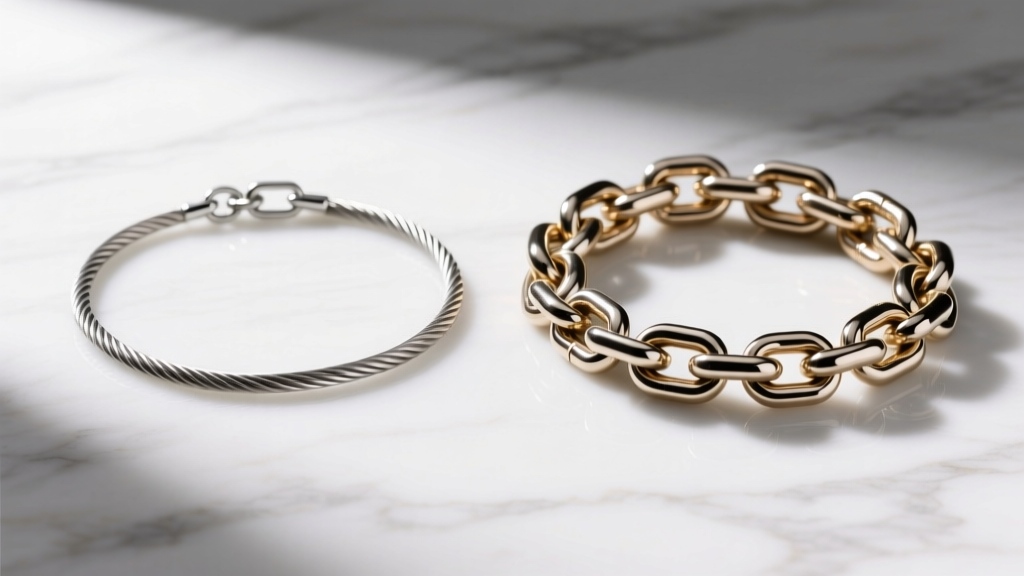
The geometry of the chain links determines how weight is distributed across the necklace. A chain's weakest point is typically where the links articulate. Below is a technical breakdown of common chain styles and their mechanical properties.
| Chain Style | Optimal Gauge (mm) | Tensile Vulnerability | Snag / Kink Risk |
|---|---|---|---|
| Cable | 18g - 16g (1.0-1.3mm) | High (if under 18g) | Low |
| Box | 18g - 14g (1.0-1.6mm) | Medium (corners can crush) | Medium |
| Wheat (Spiga) | 20g - 16g (0.8-1.3mm) | Very Low (interwoven) | Very Low |
| Rope | 16g - 12g (1.3-2.0mm) | Low | High (catches hair) |
| Curb | 14g - 10g (1.6-2.6mm) | Very Low | Low |
Expert Insight: The Wheat (or Spiga) chain is mechanically superior for heavy pendants. Its interwoven, multi-directional link structure distributes tensile stress across four wires per link segment rather than just one, virtually eliminating the risk of the chain stretching out of shape under vertical loads.
The Weakest Link: Clasp Engineering and Soldering Flaws
A chain is only as strong as its clasp assembly. The vast majority of chain failures do not occur in the middle of the necklace; they happen at the connection points.
Spring Ring vs. Lobster Claw
Spring ring clasps are standard on lightweight chains but are mechanically flawed for long-term daily wear. The internal steel spring can rust if exposed to moisture, and the tension mechanism degrades over time, leading to accidental unclasping. Lobster claw clasps offer a more robust, self-closing mechanism with a heavier internal spring, making them the industry standard for chains supporting more than 5 grams of total weight.
The Unsoldered Jump Ring Problem
The most critical failure point on any necklace chain for women is the jump ring that connects the chain to the clasp. In mass-produced jewelry, this jump ring is often simply bent closed, leaving a microscopic gap. Over time, friction and pulling will cause the wire to pull through this gap, resulting in a lost chain. Always inspect the clasp connection: the jump ring must be laser-welded or seamlessly soldered shut. If you see a seam, take it to a bench jeweler to be soldered before wearing it.
Gauge Sizing Framework: Matching Chain to Pendant Weight
Gauge refers to the thickness of the wire used to make the links. In the jewelry industry, a higher gauge number means a thinner wire (e.g., 20-gauge is thinner than 14-gauge). Matching the correct gauge to your pendant's weight is critical for preventing structural fatigue.

The Weight-to-Gauge Ratio Formula
Use this technical framework to ensure your chain can safely support your pendant without stretching:
- Micro Pendants (Under 3 grams): 22-gauge to 20-gauge (0.6mm - 0.8mm). Suitable for delicate cable or fine box chains. Do not use for heavy daily wear.
- Standard Pendants (3 to 10 grams): 18-gauge to 16-gauge (1.0mm - 1.3mm). The sweet spot for most women's jewelry. Wheat, rope, and standard box chains in this range offer excellent durability.
- Heavy Statement Pendants (10 to 25+ grams): 14-gauge to 10-gauge (1.6mm - 2.6mm). Requires robust link structures like thick curb, Figaro, or heavy rope chains. Avoid hollow-core chains in this weight class, as they will crush under the pendulum effect of a heavy swinging pendant.
Real-World Troubleshooting: Fixing Common Chain Failures
Even high-quality chains experience mechanical issues. Here is how to troubleshoot and resolve the most common technical failures.
1. Chain Kinking and Work Hardening
If a box or snake chain kinks, the metal at the fold undergoes work hardening, becoming brittle. Do not forcefully yank it straight. Instead, lay the chain flat on a steel bench block and gently tap the kinked area with a rawhide or nylon jewelry mallet to coax the links back into alignment without snapping the hardened metal.
2. Sterling Silver Tarnish and Sulfur Exposure
Sterling silver (92.5% silver, 7.5% copper) tarnishes when the copper alloy reacts with sulfur compounds in the air or on the skin. To prevent this, store silver chains in anti-tarnish cloth bags infused with silver nitrate or activated charcoal. Avoid using harsh chemical dips, which can strip the rhodium plating often used on high-end silver chains to prevent oxidation.
3. Ultrasonic Cleaning Risks
While ultrasonic cleaners are excellent for diamond pendants, they can be disastrous for certain chain styles. The high-frequency vibrations can loosen the soldered joints on delicate cable chains or cause the interwoven links of a rope chain to grind against each other, creating microscopic metal dust that dulls the finish. Stick to warm water, mild dish soap, and a soft-bristled baby toothbrush for routine chain maintenance.
Final Verdict
Selecting the perfect necklace chain for women requires looking past the display case and evaluating the piece as an engineered structure. By prioritizing proper alloy composition, selecting a link geometry that matches your tensile needs, and verifying that your clasp jump rings are securely soldered, you will secure a piece of jewelry that is not only beautiful but mechanically built to last a lifetime. For further education on precious metal standards and hallmarking, consult the Jewelers of America consumer guides before making your next fine jewelry investment.


