How to Choose, Charge, and Style Glow in the Dark Necklaces
Master the art of luminescent jewelry. Learn how to select, charge, and style premium glow in the dark necklaces for elevated evening wear.

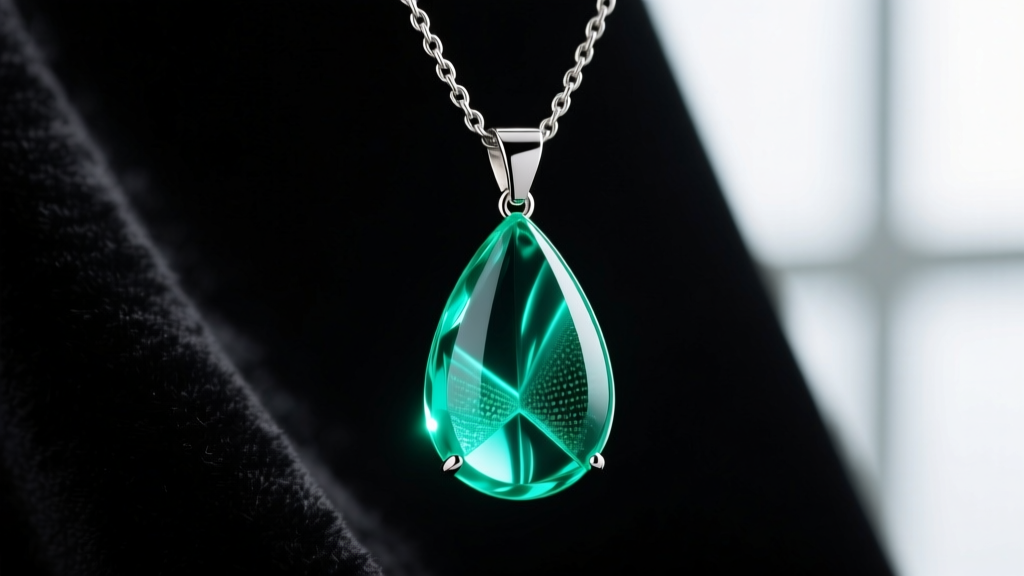
When most people hear the phrase "glow in the dark necklaces," they immediately picture cheap plastic tubes from a 90s rave or novelty toys from a carnival. However, the landscape of photoluminescent jewelry has undergone a radical transformation. Today, high-end luminescent pendants are crafted using advanced alkaline earth metal silicates and rare-earth dopants, encased in optical-grade resins or borosilicate glass. As a jewelry stylist, I have watched these pieces transition from novelty items to sophisticated evening accessories that offer a subtle, ethereal glow in dimly lit environments.
If you want to integrate luminescent jewelry into your mature, curated collection, you need to understand the material science, the proper charging protocols, and the styling techniques that elevate these pieces. Here is your comprehensive, step-by-step guide to mastering modern photoluminescent necklaces.
The Evolution of Photoluminescent Jewelry
To appreciate modern glow jewelry, we must look at the chemistry. Historically, luminescent items relied on zinc sulfide (ZnS) doped with copper. While cheap to produce, zinc sulfide suffers from a rapid decay rate, losing its visible glow within 20 to 30 minutes. Furthermore, the glow is often a weak, sickly yellow-green.
Modern fine jewelry utilizes strontium aluminate (SrAl2O4), an inorganic phosphor doped with europium and dysprosium. According to material science resources like Glow Inc, strontium aluminate is approximately 10 times brighter and lasts up to 12 times longer than traditional zinc sulfide. This chemical upgrade is what allows contemporary glow in the dark necklaces to function as legitimate evening wear, maintaining a visible, elegant luminescence throughout an entire dinner date or theater performance.
Step 1: Identifying Premium Phosphor Grades and Settings
Before purchasing, you must verify the materials. A premium luminescent necklace will explicitly state the use of strontium aluminate or, in rare tactical cases, tritium gas vials. Below is a comparison to help you identify what you are actually buying.
| Material Type | Peak Glow Duration | Color Output | Price Range (Pendants) | Best Use Case |
|---|---|---|---|---|
| Zinc Sulfide (ZnS) | 15 - 30 Minutes | Yellow-Green | $5 - $20 | Novelty, temporary festivals |
| Strontium Aluminate (SrAl2O4) | 4 - 12 Hours | Aqua, Deep Green, Blue | $45 - $150+ | Elevated evening wear, fine jewelry |
| Tritium (Radioluminescent) | Continuous (12+ yrs) | Green, Orange, White | $80 - $250 | Tactical, survival, outdoor gear |
Expert Tip: For fashion and evening wear, always choose strontium aluminate encapsulated in UV-stabilized, jewelry-grade epoxy resin (Shore D hardness of 80+) or faceted glass. Avoid soft silicones, as they attract lint and degrade the visual clarity of the phosphor powder.
Step 2: The Optimal Charging Protocol
A common complaint among first-time buyers is that their necklace "doesn't glow brightly enough." This is almost always a user error related to the charging light source. Strontium aluminate requires specific wavelengths of light to excite the europium ions into a higher energy state.
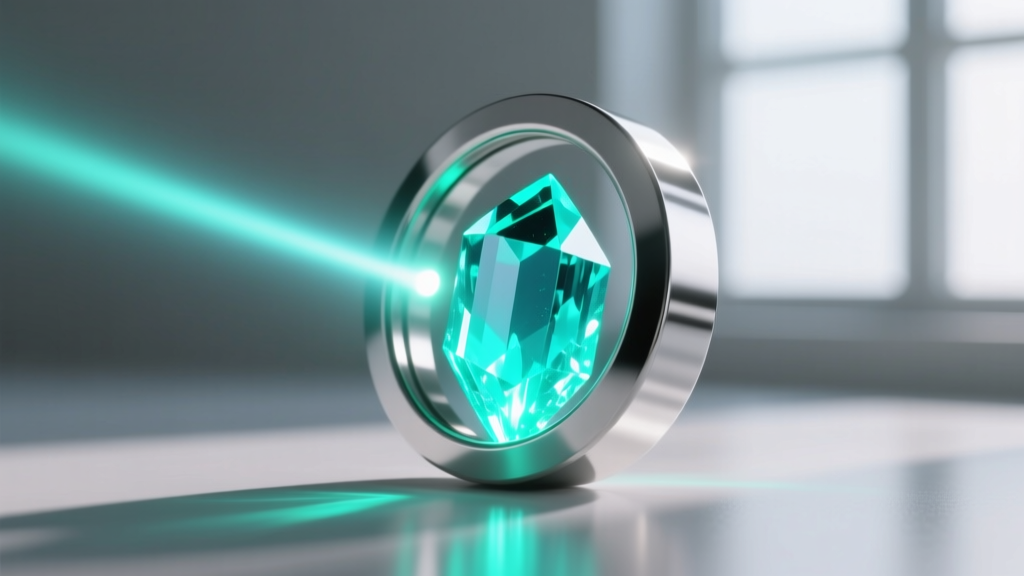
Choosing the Right UV Flashlight
While direct sunlight is an excellent charger (due to its high UV index), it is not practical when you are getting ready for an evening event indoors. You need a dedicated UV-A flashlight. However, not all UV flashlights are created equal:
- 395nm UV Flashlights: These are common and inexpensive, but they emit a lot of visible purple light and less actual UV radiation. They will charge your necklace, but it takes 3 to 5 minutes of direct exposure.
- 365nm UV Flashlights: This is the gold standard for jewelry charging. The 365nm wavelength perfectly matches the absorption peak of strontium aluminate. A high-quality 365nm torch (often featuring a Wood's glass filter to block visible purple light) will fully charge a pendant to maximum brightness in just 10 to 15 seconds.
The Charging Routine: Hold the 365nm flashlight 2 to 3 inches away from the pendant for 15 seconds right before you leave the house. The aqua or green glow will be blindingly bright in the dark, settling into a sophisticated, soft luminescence after about 20 minutes of wear.
Step 3: Styling Luminescence for Elevated Evening Wear
Styling glow in the dark necklaces requires a delicate balance. The goal is to create an aura of mystery, not to look like a human glowstick. The luminescence should act as a subtle accent, catching the eye in dimly lit environments like candlelit restaurants, jazz clubs, or evening galas.
Pairing with Necklines and Fabrics
Luminescent pendants look exceptionally striking against dark, light-absorbing fabrics. A deep V-neck or a sweetheart neckline in black velvet, midnight blue silk, or charcoal wool provides the perfect high-contrast canvas for an aqua-glowing pendant. Avoid busy patterns or highly reflective sequins, which will compete with the subtle light emission of the necklace.
The Art of the Dark Layer
Layering is highly effective when done with intention. Use the glowing pendant as your focal centerpiece (usually a 18-inch or 20-inch chain), and frame it with matte, non-reflective beads.
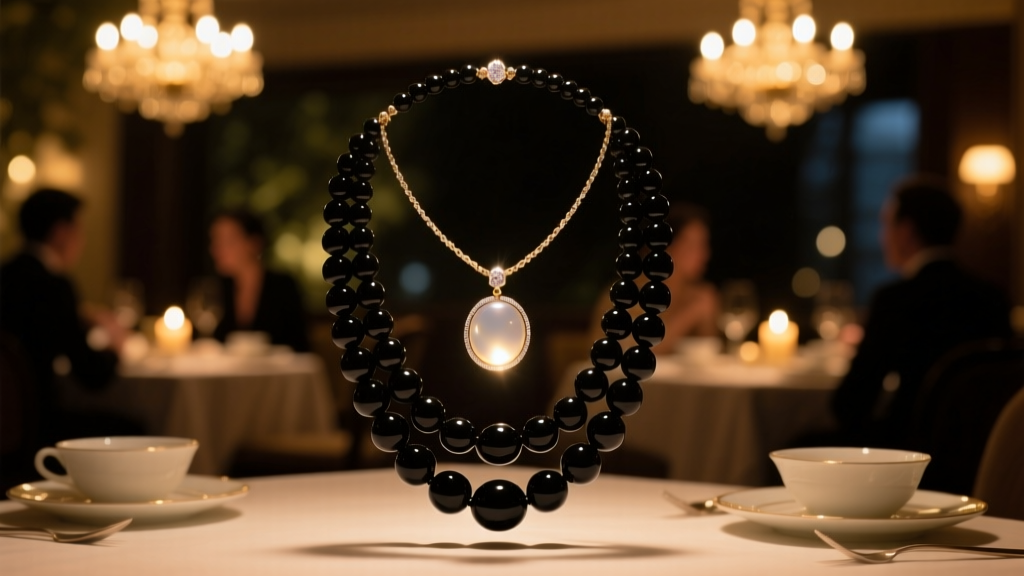
For example, pair a 20-inch strontium aluminate resin teardrop on a delicate titanium chain with a 16-inch strand of matte black onyx or dark gray lava stone beads. The matte stones absorb ambient light, ensuring that when the room dims, the glowing pendant remains the undisputed focal point of your décolletage without visual clutter.
Step 4: Long-Term Care and Material Degradation
While the strontium aluminate powder itself is inorganic and will theoretically retain its photoluminescent properties for decades, the matrix holding it (usually resin) requires specific care. As noted in polymer degradation studies referenced by ThoughtCo's chemistry archives, prolonged exposure to harsh environmental factors can alter the host medium.
Preventing Resin Yellowing
Ironically, while UV light is required to charge the necklace, chronic exposure to intense, direct midday sunlight over several months can cause lower-grade epoxy resins to yellow. This yellowing acts as a physical filter, muting the aqua glow and shifting it to a muddy green.
Solution: Charge your necklace with targeted UV flashlights or brief morning sunlight. Do not leave the jewelry sitting on a sunny dashboard or windowsill for days on end.
Cleaning Protocols
Body oils, lotions, and perfumes can create a microscopic film on the surface of the resin or glass, drastically reducing both light absorption (charging) and light emission (glowing).
Solution: After every wear, gently wipe the pendant with a lint-free microfiber cloth dampened with a tiny amount of isopropyl alcohol (70%). Do not use ultrasonic cleaners or harsh chemical jewelry dips, as these can degrade the resin seal or tarnish the metal bezel holding the luminescent core.
Final Thoughts on Luminescent Elegance
Glow in the dark necklaces have firmly graduated from the realm of childhood novelties into the sphere of avant-garde, functional fine jewelry. By understanding the superiority of strontium aluminate, investing in a 365nm UV charging torch, and styling the piece against dark, matte fabrics, you can harness the magic of photoluminescence. It is a conversation starter, a subtle beacon in the dark, and a testament to the beautiful intersection of material science and personal style.


