Angel Necklace Silver Guide: Sterling vs Argentium Compared
Discover the best angel necklace silver for your style. We compare sterling, Argentium, and fine silver properties, tarnish resistance, and pricing.

The Metallurgy of Angel Pendants: Why Silver Grade Matters
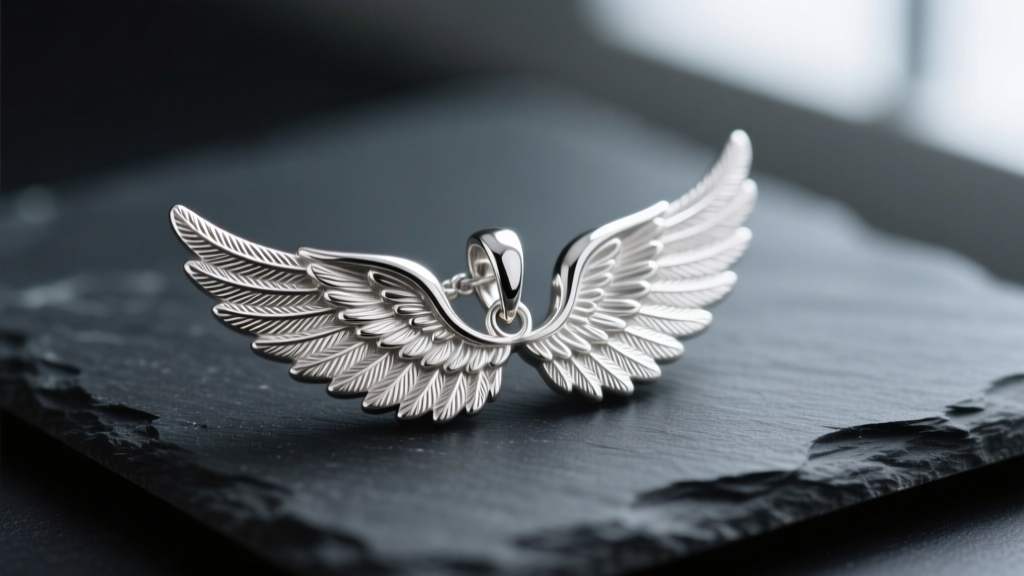
When selecting an angel necklace silver piece, buyers are often driven by the deep sentimental value of the motif—representing protection, remembrance, or spiritual faith. However, from a metallurgical standpoint, angel pendants present unique structural challenges. The intricate geometry of sculpted wings, delicate halos, and flowing robes requires a metal that can hold crisp, high-definition details without bending or degrading over time.
The term 'silver' in the jewelry industry is not a monolith. It encompasses a spectrum of alloys, each with distinct Vickers Hardness (HV) ratings, tarnish profiles, and structural limits. Understanding these material properties is the difference between purchasing an heirloom-quality guardian angel pendant and a fragile piece that will lose its detail within a year. According to the Gemological Institute of America (GIA), the specific alloying metals mixed with pure silver drastically alter its durability and color.
Sterling Silver (.925): The Traditional Standard
Sterling silver is the most ubiquitous material for angel necklaces, comprising 92.5% pure silver and 7.5% alloying metals—almost exclusively copper. This specific ratio was established centuries ago to provide enough structural integrity for daily wear while maintaining the bright, reflective luster of precious metal.
The Tarnish Factor and Detail Loss
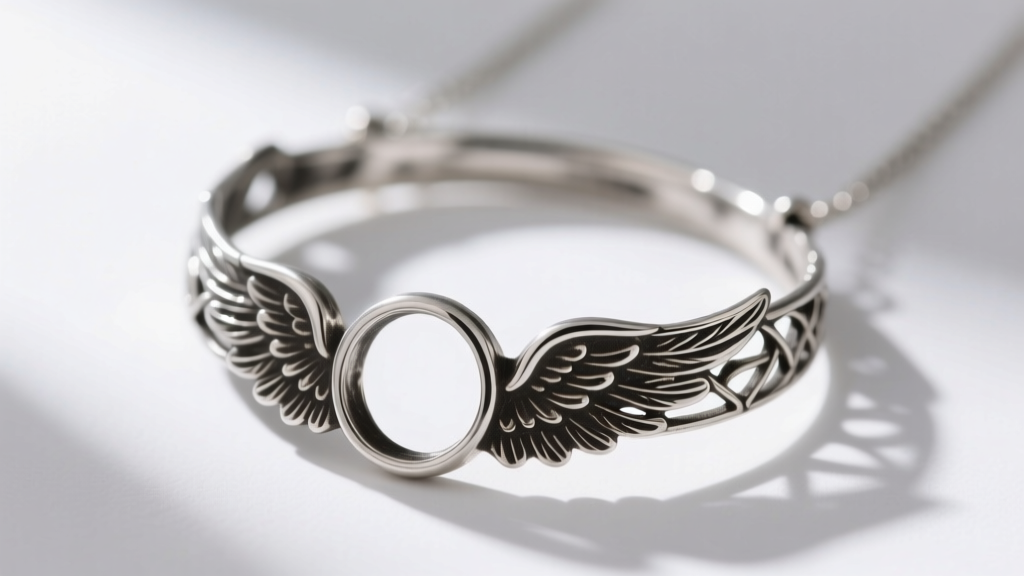
The primary drawback of .925 sterling silver is its susceptibility to tarnish. The copper alloy reacts with atmospheric sulfur and moisture to form copper sulfide, a dark layer that accumulates rapidly in the deep recesses of an angel's wings or the folds of a carved robe. While some collectors appreciate this 'antiquing' effect for adding 3D depth to the pendant, unchecked oxidation can eventually pit the metal.
To combat this, many modern jewelers apply a micro-thin layer of rhodium plating over sterling silver angel pendants. While this delays tarnish, it can slightly mute the natural warmth of the silver and will eventually wear off on high-friction areas, requiring professional re-plating. Expect to pay between $45 and $120 for a solid, un-plated .925 sterling silver angel pendant of average size (approx. 1 inch by 0.75 inches).
Argentium Silver: The Modern Tarnish-Resistant Upgrade
For those seeking an angel necklace silver piece that requires minimal maintenance, Argentium silver is a revolutionary alternative. Developed in the 1990s, Argentium replaces a portion of the traditional copper alloy with the metalloid germanium. The most common grades are Argentium 935 (93.5% silver) and Argentium 960 (96% silver).
The Germanium Dioxide Shield
When exposed to oxygen, the germanium in the alloy migrates to the surface and forms a transparent, self-healing layer of germanium dioxide. This invisible shield effectively blocks the sulfur and moisture that cause traditional silver tarnish. Furthermore, Argentium is naturally firescale-resistant during the manufacturing process, allowing artisans to create highly complex, multi-soldered angel wing structures without the dark blemishes that plague traditional sterling.
From a visual perspective, Argentium is actually whiter and brighter than traditional sterling, closely mimicking the look of platinum. With a Vickers Hardness rating that can reach up to 130 HV when heat-hardened (compared to sterling's 65 HV), it is exceptionally resistant to the dents and scratches that can blur the fine feather details on an angel pendant. Pricing for Argentium angel necklaces typically ranges from $90 to $200, reflecting the higher cost of the raw materials and specialized casting requirements.
Fine Silver (.999) vs. Silver-Plated: The Extremes
To fully understand the market, we must examine the two extremes of the silver spectrum: pure fine silver and silver-plated base metals.
Fine Silver (.999): Too Soft for Intricate Motifs
Fine silver is 99.9% pure silver. While it is completely hypoallergenic and highly resistant to tarnish, it is far too soft for detailed jewelry. On the Vickers scale, fine silver sits at a mere 25 HV. If an angel pendant were cast in fine silver, the delicate tips of the wings, the prongs holding a gemstone halo, and the bail connecting to the chain would easily bend, warp, or snap under the minor stresses of daily wear. Fine silver is best reserved for simple, heavy bezels or soft wire-wrapping, not intricate cast pendants.
Silver-Plated Brass: The Hidden Costs
Mass-market angel necklaces priced between $15 and $35 are typically silver-plated. A base metal—usually brass or copper—is stamped or cast into the angel shape, then electroplated with a microscopic layer of silver (often just 0.5 to 2.5 microns thick). While initially bright, the plating inevitably wears away on the raised edges of the angel's wings, revealing the yellowish or reddish base metal beneath. Once the base metal is exposed to sweat and air, it can cause skin discoloration and allergic reactions. The Jewelers of America strictly regulates metal marking to ensure consumers can distinguish between solid alloys and mere plating.
Material Comparison Matrix: Silver Grades for Angel Jewelry
| Silver Grade | Composition | Vickers Hardness (HV) | Tarnish Resistance | Avg. Price (Pendant) |
|---|---|---|---|---|
| Fine Silver (.999) | 99.9% Ag | 25 (Very Soft) | Excellent | $60 - $150 (Rare) |
| Sterling (.925) | 92.5% Ag, 7.5% Cu | 65 (Standard) | Moderate (Requires care) | $45 - $120 |
| Argentium (935) | 93.5% Ag, Cu, Ge | 75 - 130 (Heat Hardened) | Exceptional | $90 - $200 |
| Silver-Plated | Brass base, 0.5-2.5µm Ag | Depends on base (approx. 100) | Poor (Wears off) | $15 - $35 |
Caring for Intricate Silver Angel Motifs
The elaborate textures of angel jewelry require specialized care. The deep grooves representing feathers or fabric folds easily trap lotions, skin oils, and environmental dust, which accelerates localized tarnishing.
The Pro-Cleaning Method
Avoid commercial 'silver dip' liquids (thiourea-based solutions) for angel pendants. These harsh chemicals strip away all oxidation instantly, which can leave a detailed wing looking flat and artificially white, completely ruining the contrast that gives the piece its three-dimensional appearance.
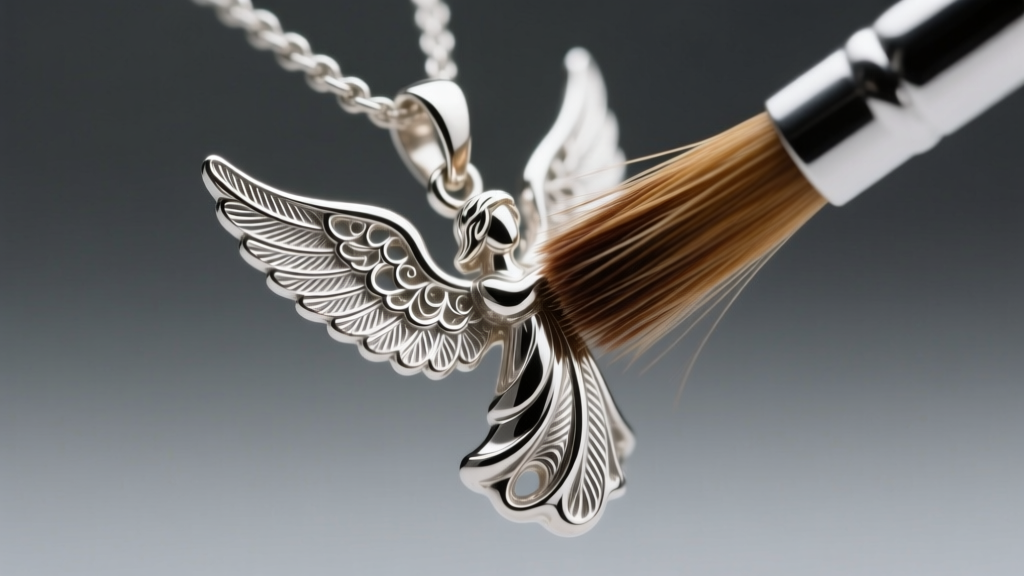
Instead, use a few drops of mild, phosphate-free dish soap in warm water. After soaking the pendant for five minutes, use a soft, clean horsehair detailing brush to gently agitate the deep crevices of the wings and halo. The natural softness of the horsehair will lift the grime without scratching the silver surface or wearing down rhodium plating. Dry thoroughly with a microfiber cloth, and store the necklace in an airtight polyethylene bag alongside a 3M anti-tarnish strip to absorb ambient sulfur.
Final Verdict: Which Silver Should You Choose?
If you are purchasing an angel necklace silver piece as a temporary fashion accessory or a low-budget gift, a high-quality silver-plated piece will suffice, provided you understand its limited lifespan. However, for a meaningful, long-term keepsake, the choice lies between Sterling and Argentium.
Choose Sterling Silver (.925) if you appreciate the traditional, slightly warmer tone of classic silver, prefer a lower upfront cost, and do not mind the occasional gentle polishing routine. Choose Argentium Silver if you want a brilliant, platinum-white finish that will survive years of daily wear without tarnishing, ensuring the intricate details of your angel's wings remain as crisp as the day it was cast.


