How to Choose, Style, and Cleanse a Hamsa Evil Eye Necklace
Learn how to select, layer, and energetically cleanse a hamsa evil eye necklace with our expert guide on metals, chains, and amulet care.

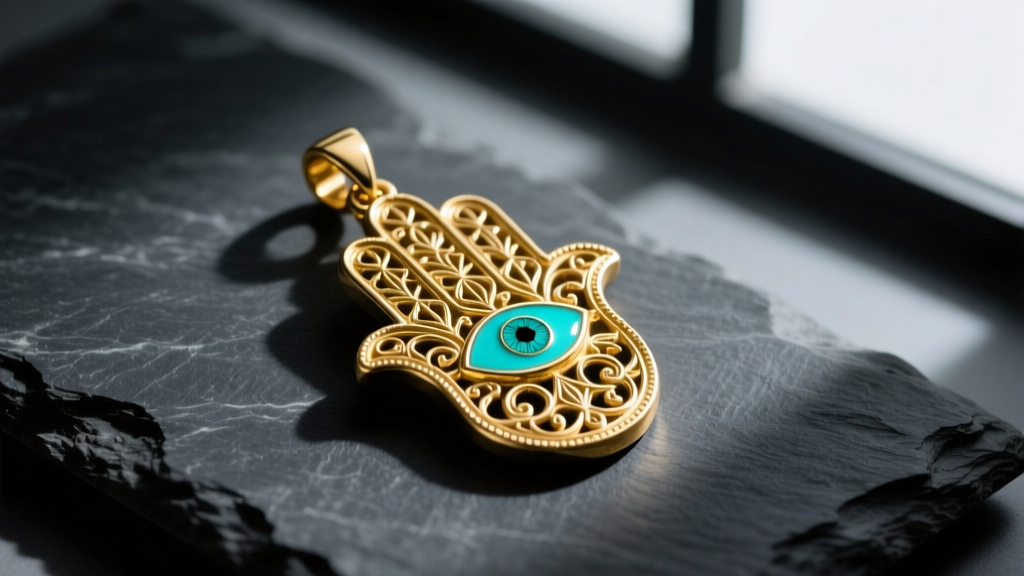
The combination of the Hamsa hand and the Nazar (evil eye) creates one of the most powerful and visually striking amulets in jewelry history. Rooted in ancient Middle Eastern and Mediterranean traditions, a hamsa evil eye necklace serves as both a bold fashion statement and a talisman for protection. However, buying, styling, and maintaining this specific piece of jewelry requires an understanding of metal grades, enamel techniques, and the energetic care required for protective amulets.
In this comprehensive guide, we break down exactly how to choose a high-quality hamsa evil eye necklace, how to layer it flawlessly, and how to properly cleanse it without damaging delicate materials.
The Anatomy of the Amulet: Hamsa Meets the Nazar
Before purchasing, it is crucial to understand what you are wearing. The Hamsa (often called the Hand of Fatima in Islamic tradition or the Hand of Miriam in Jewish tradition) is an open-palm symbol representing blessings, power, and strength. When an eye is embedded in the center of the palm, it becomes a shield against the "evil eye"—a malevolent glare believed to cause misfortune. According to cultural historians featured in Smithsonian Magazine, the evil eye superstition dates back nearly 5,000 years, making this necklace a wearable piece of ancient history.
Step 1: Selecting the Right Metal and Enamel
The longevity of your hamsa evil eye necklace depends entirely on the materials used. The "eye" is typically crafted using enamel, but not all enamel is created equal. Furthermore, the base metal will dictate your maintenance routine and price point.
Vitreous vs. Cold Enamel
- Vitreous Enamel: Made from powdered glass fused to metal at temperatures exceeding 1,400°F. It is highly durable, scratch-resistant, and will never yellow. This is the hallmark of fine jewelry.
- Cold Enamel (Resin):strong> An epoxy-based resin painted into the metal recesses. It is prone to chipping, scratching, and UV discoloration over time. Common in fast-fashion and lower-tier jewelry.
Material Comparison Chart
| Metal Type | Durability & Wear | Price Range (USD) | Maintenance Required |
|---|---|---|---|
| 14k Solid Gold | Excellent; ideal for daily wear, resists tarnish | $450 - $1,200+ | Low; occasional mild soap wash |
| 18k Solid Gold | Good; richer color but softer, prone to scratching | $800 - $2,500+ | Low; avoid heavy impact |
| 925 Sterling Silver | Moderate; will oxidize and tarnish over time | $60 - $180 | High; requires regular polishing |
| Gold Vermeil (over Silver) | Fair; gold layer (min 2.5 microns) wears off eventually | $85 - $250 | High; keep dry, avoid perfumes |
Expert Tip: If you are buying a hamsa evil eye necklace for daily protection, invest in 14k solid gold with vitreous enamel. According to the Gemological Institute of America (GIA), 14k gold offers the perfect balance of pure gold's rich luster and alloyed metals' structural integrity, ensuring the prongs holding the enamel remain secure.
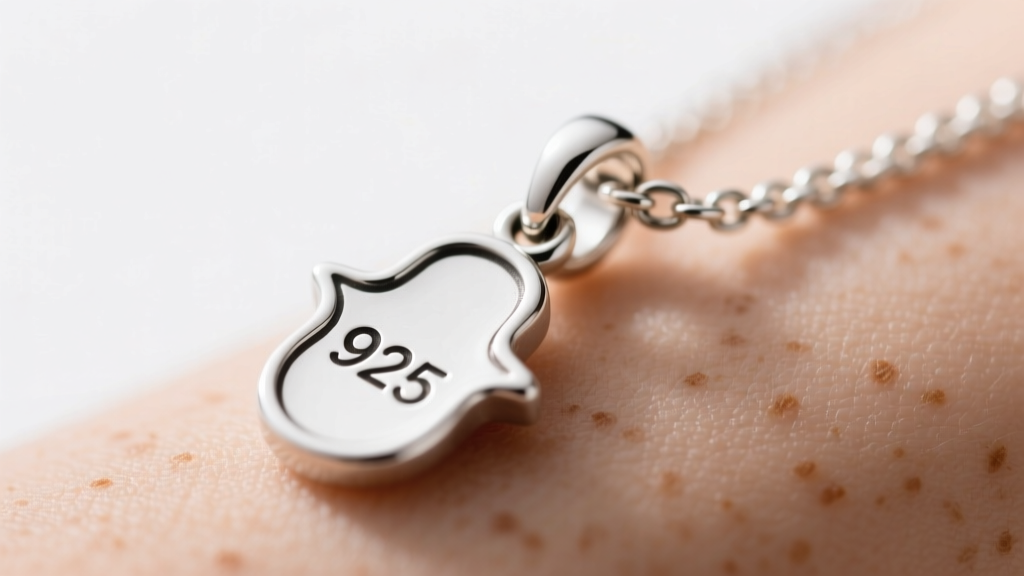
Step 2: Choosing the Chain Length and Style
The pendant is only half the equation. The chain you select must support the weight of the hamsa without overpowering its intricate design.
Optimal Chain Gauges
Most hamsa pendants feature a bail (the loop the chain passes through) that accommodates chains between 1.2mm and 2.0mm. Going thicker than 2.5mm will distract from the pendant, while anything under 1.0mm risks snapping under the weight of a solid gold or silver hand.
Chain Styles That Work Best
- Cable Chain: The traditional choice. Its simple, uniform oval links keep the focus entirely on the hamsa pendant.
- Box Chain: Features square links that create a smooth, geometric surface. Highly durable and less likely to tangle or catch on hair.
- Rope Chain: Twisted links that reflect light beautifully. Best paired with simpler, un-gemmed hamsa designs to avoid visual clutter.
For the most flattering placement on the collarbone, select a 16-inch to 18-inch chain. If your pendant is particularly heavy, ensure the clasp is a sturdy lobster claw rather than a fragile spring ring.
Step 3: Layering Techniques for Maximum Impact
A hamsa evil eye necklace is a statement piece, but it layers beautifully when you follow the structural rules of jewelry stacking. The goal is to create a cascading effect that prevents the chains from tangling and the pendants from competing.
The 2-Inch Rule
Always maintain at least a 2-inch difference between the lengths of your layered necklaces. Here is a foolproof 3-piece layering formula:
- The Base (14 inches): A simple, lightweight chain like a 1.5mm snake chain or a minimalist gold bead choker. This frames the upper neck.
- The Anchor (16 inches): Your hamsa evil eye necklace. This sits perfectly in the hollow of the collarbone, acting as the focal point.
- The Extension (18 or 20 inches): A longer, textured piece. A vintage-style coin necklace, a simple bar pendant, or a solitaire diamond drop works best to draw the eye downward.

Troubleshooting Tangles: If your necklaces constantly knot together, it is usually because you are mixing chain styles with similar textures (e.g., two rope chains). Mix a smooth chain (like a snake or box) with a textured chain (like a cable or rope) to reduce friction and tangling.
Step 4: Cleansing and Charging Your Amulet
Because the hamsa and the evil eye are deeply rooted in spiritual protection, many wearers believe the amulet absorbs negative ambient energy. Over time, it requires energetic "cleansing." However, you must balance spiritual practices with proper jewelry care to avoid destroying the piece.
What NOT to Do
- Never use salt water: While salt is a traditional spiritual cleanser, saltwater is highly corrosive. It will rapidly degrade gold vermeil, pit sterling silver, and eat away at the metal prongs holding your enamel or gemstones.
- Avoid harsh smoke: Burning thick resins or low-quality incense directly over the jewelry can leave a stubborn, oily film on the gold and dull the vitreous enamel.
Safe Cleansing Methods
- Physical Cleaning: Use a few drops of phosphate-free dish soap in lukewarm water. Gently brush the back of the hamsa with a baby-soft toothbrush to remove skin oils. Dry immediately with a microfiber cloth. (For more on safe metal cleaning, refer to Jewelers of America).
- Moonlight Charging: Place the necklace on a windowsill overnight during a full moon. This provides energetic cleansing with zero risk of UV damage or thermal shock to the enamel.
- Sound Cleansing: Place the necklace near a singing bowl or tuning fork. The sound waves are believed to clear stagnant energy without requiring you to submerge the jewelry in any liquids.
The "Cracked Eye" Phenomenon: Myth vs. Reality
A common superstition dictates that if the eye on your hamsa necklace cracks or falls out, it means the amulet has successfully deflected a massive amount of negative energy and has "completed its job."
From a gemological and structural perspective, a cracked eye usually points to thermal shock (moving from extreme cold to extreme heat, like stepping into a hot shower from the winter cold) or a blunt force impact. If your vitreous enamel cracks, the piece must be sent to a specialized enamelist for restoration. If a cold resin enamel cracks, it is generally unrepairable and the pendant should be replaced. Treat your amulet with physical care, and it will serve you beautifully for a lifetime.


