How to Choose the Right Metal for a Necklace Heart Shape
Discover how to choose the best metal for your necklace heart shape. Compare platinum, gold, and silver for durability, casting detail, and pricing.

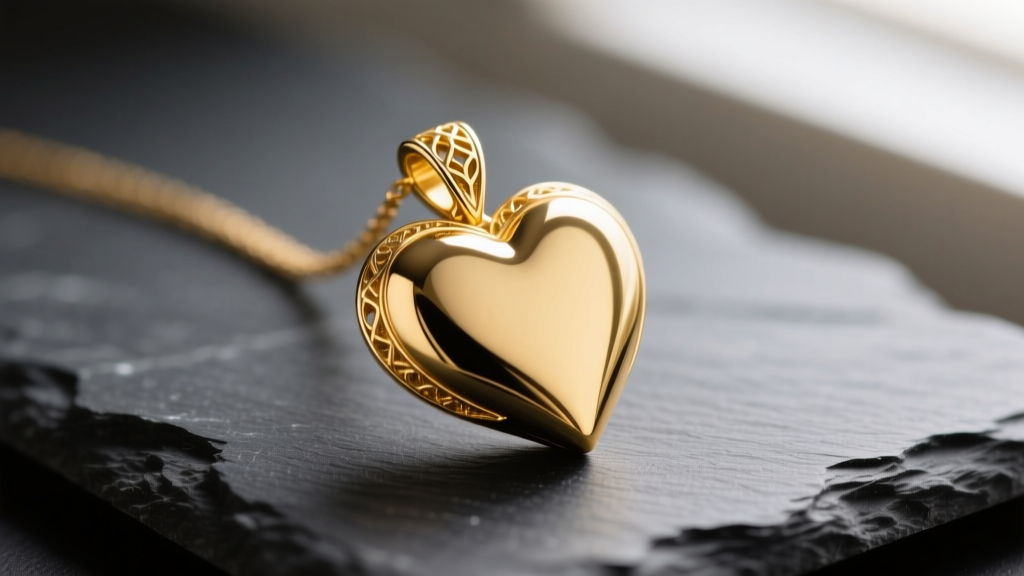
When selecting the perfect necklace heart shape, most buyers focus entirely on the aesthetic appeal—the romantic silhouette, the sparkle of a gemstone, or the sentimental value it represents. However, from a metallurgical and jewelry design perspective, the heart silhouette is one of the most structurally demanding shapes to cast, polish, and wear. The deep cleft at the top and the sharp pavilion point at the bottom create inherent stress points that dictate which metals will survive daily wear and which will fail.
In this comprehensive 2026 material guide, we break down the exact properties, alloy grades, and structural limitations of the most popular metals used for heart-shaped pendants. Whether you are commissioning a custom piece or shopping for an heirloom, understanding these material dynamics is essential for making a choice that lasts a lifetime.
The Anatomy of a Heart Pendant: Structural Vulnerabilities
Before comparing metals, we must understand the unique geometry of a necklace heart shape. Unlike a round or oval pendant, which distributes kinetic energy evenly across its surface, a heart shape features two critical vulnerability zones:
- The Top Cleft (Valley): This deep inward curve requires high-flow casting. If the metal cools too quickly or lacks proper fluidity, microscopic porosity can form here, leading to cracking during stone setting or chain attachment.
- The Bottom Point (Pavilion): The sharp taper at the base acts as a lever. If the pendant catches on clothing, the bending force is concentrated entirely on this tip. Softer metals will bend out of shape, while brittle metals may snap entirely.
According to the GIA Gem Encyclopedia, the structural integrity of any pendant is heavily dependent on the alloy's Vickers hardness and its casting fluidity. Let us examine how the primary precious metals perform against these specific anatomical challenges.
Precious Metals Compared: Durability and Detail
Platinum (950 Grade): The Master of Detail
Platinum is widely considered the premier choice for fine jewelry, but not all platinum alloys are created equal. For a necklace heart shape, the specific alloy mix matters immensely. In 2026, the two most common casting alloys are 950/50 Iridium (95% Pt, 5% Ir) and 950/50 Ruthenium (95% Pt, 5% Ru).
950/Iridium is exceptionally fluid when molten, allowing it to fill the intricate details of a custom heart mold, particularly the sharp inner cleft. It has a Vickers hardness of roughly 80-90, making it malleable enough for jewelers to easily set stones without cracking the metal. Conversely, 950/Ruthenium is harder (Vickers 130-140) and more scratch-resistant, but it is notoriously difficult to cast into thin, sharp points. If a heart pendant is cast in 950/Ru, the bottom point is prone to microscopic shrinking and brittleness. Always ask your jeweler which platinum alloy they use for casting.
14k vs. 18k Gold: The Hardness Compromise
Gold remains the most popular metal for heart pendants, available in yellow, white, and rose variations. The choice between 14k (58.5% pure gold) and 18k (75% pure gold) fundamentally alters the pendant's durability.
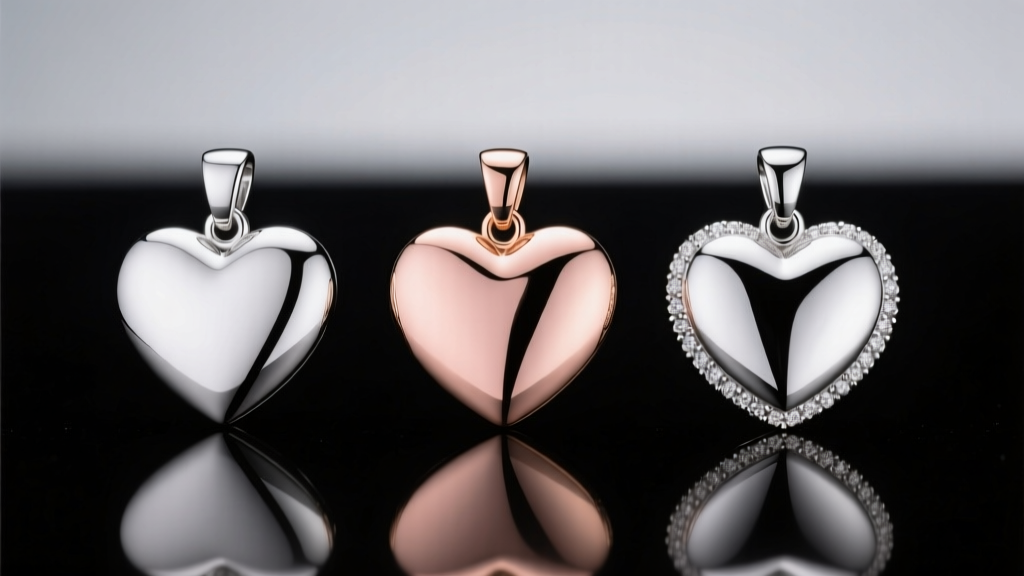
18k Gold offers a richer, deeper color and is highly hypoallergenic. However, its lower alloy content means it is softer. An 18k yellow gold heart pendant is more susceptible to denting and bending at the bottom point if subjected to impact. 14k Gold, alloyed with higher percentages of copper, silver, or zinc, boasts a significantly higher tensile strength and Vickers hardness (often exceeding 150). For an everyday necklace heart shape worn by an active individual, 14k gold provides superior structural rigidity, ensuring the bottom point remains sharp and unbent over decades of wear.
Sterling Silver (925): Budget-Friendly but High Maintenance
Sterling silver (92.5% silver, 7.5% copper) is the most accessible precious metal, but it presents specific challenges for heart pendants. The copper content, while necessary for hardness, makes the metal highly susceptible to sulfide tarnish and fire-scale during the casting process.
To combat this, modern silver heart pendants are almost universally plated with a micro-layer of rhodium (typically 0.1 to 0.3 microns thick). While this provides a bright, white finish initially, the friction at the bottom point of the heart—where it rubs against the skin or clothing—will eventually wear the rhodium away, exposing the tarnish-prone silver beneath. If you choose silver, opt for a slightly rounded bottom point rather than a needle-sharp tip to reduce friction and prolong the plating's lifespan.
Alternative & Modern Materials
For those seeking non-traditional options, alternative metals offer unique properties, though they come with strict design limitations for heart shapes.
- Titanium (Grade 5 / Ti-6Al-4V): Incredibly lightweight and strong, titanium is excellent for large, oversized heart pendants that would be too heavy in gold or platinum. However, titanium cannot be traditionally cast; it must be CNC milled or 3D printed via sintering. This limits the sharpness of the inner cleft and bottom point.
- Tungsten Carbide: With a Mohs hardness of 9, tungsten is virtually scratch-proof. However, it is extremely brittle. A tungsten necklace heart shape with a sharp bottom point is a severe failure risk; a simple drop onto a tile floor will shatter the tip. If choosing tungsten, the heart silhouette must be heavily stylized with blunt, rounded edges.
Material Comparison Matrix
Use the following data table to compare the metallurgical properties and market positioning of the most common metals used for heart-shaped pendants in 2026.
| Material Grade | Vickers Hardness | Casting Fluidity | Avg. Price Range (USD) | Best Application |
|---|---|---|---|---|
| Platinum 950/Ir | 80 - 90 | Excellent | $800 - $2,500+ | Heirloom pieces, intricate clefts, diamond setting |
| Platinum 950/Ru | 130 - 140 | Poor (for casting) | $900 - $2,800+ | Die-struck simple hearts, high-scratch environments |
| 18k Yellow Gold | 120 - 130 | Very Good | $400 - $1,200 | Rich color, occasional wear, luxury gifting |
| 14k Rose Gold | 150 - 170 | Good | $250 - $800 | Everyday wear, high impact resistance at the tip |
| 925 Sterling Silver | 60 - 70 | Excellent | $50 - $200 | Budget-friendly, fashion jewelry, rounded silhouettes |
Gemstone Setting in Heart Shapes: Material Pairings
If your necklace heart shape features a center gemstone (such as a heart-cut diamond, sapphire, or moissanite), the metal choice directly impacts the security of the setting. The bottom point of a heart-cut gemstone is notoriously fragile and prone to chipping.

To protect the stone, a V-prong is mandatory at the bottom point. This requires a metal that can be bent tightly around the girdle without snapping, yet possesses enough tensile strength to hold the stone securely. Jewelers of America consistently recommends platinum for V-prongs because platinum work-hardens when manipulated. As the jeweler pushes the V-prong over the fragile point of the gemstone, the platinum becomes stronger and more rigid, locking the stone in place without suffering from the metal fatigue that plagues white gold. If you are setting a valuable heart-shaped gemstone, platinum is not just a luxury; it is a structural necessity.
Expert Verdict: Which Material Should You Choose?
Choosing the right metal for your necklace heart shape ultimately depends on your lifestyle, budget, and design preferences:
- Choose Platinum 950/Iridium if: You are investing in an heirloom piece, the design features a very sharp and deep top cleft, or you are setting a valuable heart-shaped gemstone requiring V-prongs.
- Choose 14k Gold if: You want a durable, everyday pendant that resists bending at the bottom point, and you prefer a balance of luxury and practical hardness.
- Choose Sterling Silver if: You are purchasing a trend-driven fashion piece, prefer a larger pendant size without the weight of gold, and do not mind periodic rhodium re-plating.
By prioritizing metallurgical properties over simple aesthetics, you ensure that your heart-shaped pendant remains structurally sound, beautifully detailed, and emotionally significant for decades to come.


