Saltwater Pearl Necklace Gift Guide: 2026 Occasion Match
Discover the ultimate 2026 gift guide for a saltwater pearl necklace. Learn to match Akoya, Tahitian, and South Sea pearls to specific milestones.

Introduction: Why Saltwater Pearls Remain the Ultimate Milestone Gift
Gifting fine jewelry is an exercise in emotional translation, and few gems carry the weight of a saltwater pearl necklace. Unlike their freshwater counterparts, which are often mass-produced in high volumes, saltwater pearls are cultivated in oceanic environments that demand meticulous care, resulting in superior luster, deeper nacre, and a distinct prestige. As we navigate the luxury market in 2026, oceanic warming and stricter environmental regulations in Japan, French Polynesia, and Australia have tightened the supply of premium saltwater pearls, elevating their status as true heirloom investments.
However, selecting the right strand requires more than just a generous budget. It demands an understanding of mollusk species, nacre thickness, and how specific pearl varieties align with the recipient's lifestyle and the milestone being celebrated. This guide decodes the nuances of gifting saltwater pearls, ensuring your choice resonates deeply with the occasion.
Decoding Saltwater Pearl Varieties for Gifting
The term 'saltwater pearl' encompasses three primary luxury categories, each born from a distinct oyster species and offering a completely different aesthetic and price point.
Akoya Pearls: The Classic Milestone Marker
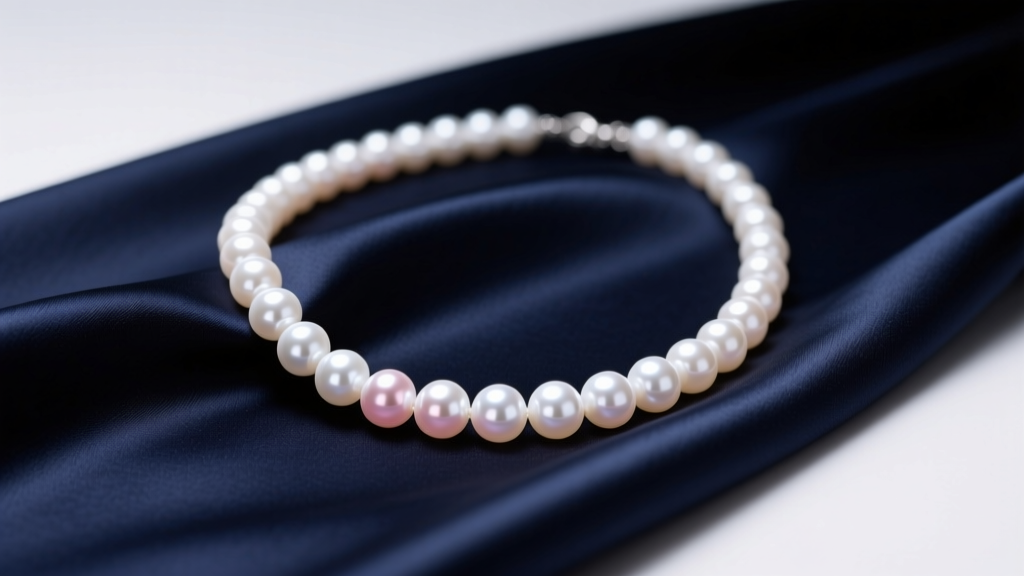
Produced by the Pinctada fucata martensii oyster, Akoya pearls are the quintessential white pearl strand. They are renowned for their 'mirror-ball' luster—a sharp, high-contrast reflection that outshines all other pearl types. In 2026, top-tier Hanadama-certified Akoya strands (7.5mm to 8.5mm) are seeing a 15% price premium due to declining oyster survival rates in warming Japanese waters.
- Ideal Sizes: 6.0mm to 8.5mm (strands), up to 10mm (rare singles).
- Color Profile: Crisp white with rose, silver, or cream overtones.
- Best Gift For: Weddings, 30th anniversaries, university graduations, and first major corporate promotions.
Tahitian Pearls: For the Bold & Modern Recipient
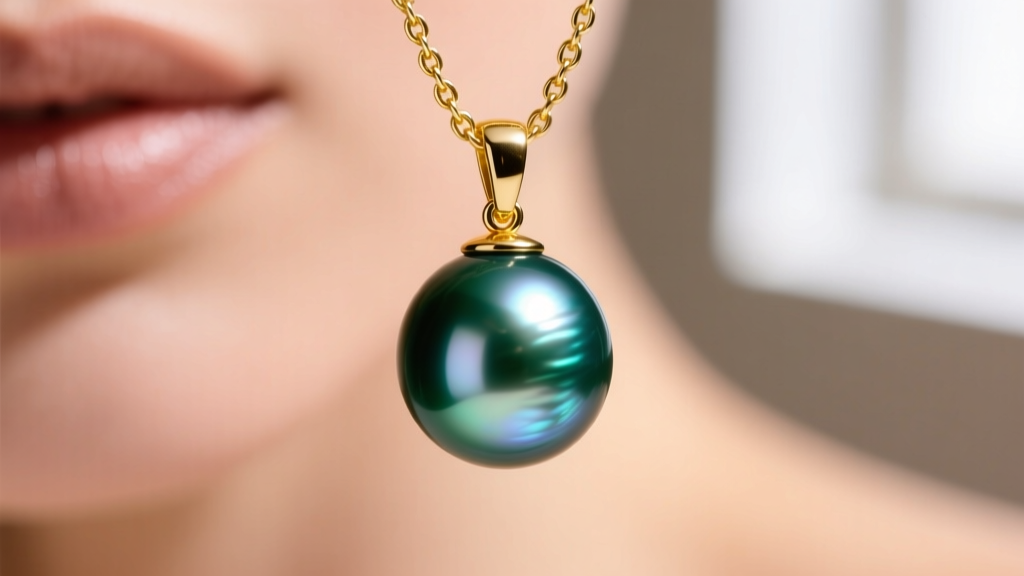
Cultivated in the black-lipped Pinctada margaritifera oyster, Tahitian pearls defy the traditional 'white pearl' narrative. The French Polynesian government strictly mandates a minimum nacre thickness of 0.8mm for export, ensuring exceptional durability. Their dark body colors exhibit mesmerizing overtones like peacock (green-purple), aubergine, and pistachio.
- Ideal Sizes: 8.0mm to 13.0mm.
- Color Profile: Dark grey, charcoal, and black with vibrant iridescent overtones.
- Best Gift For: Milestone birthdays (40th, 50th), executive gifts, and recipients with an avant-garde or bold personal style.
South Sea Pearls: The Ultimate Luxury Heirloom
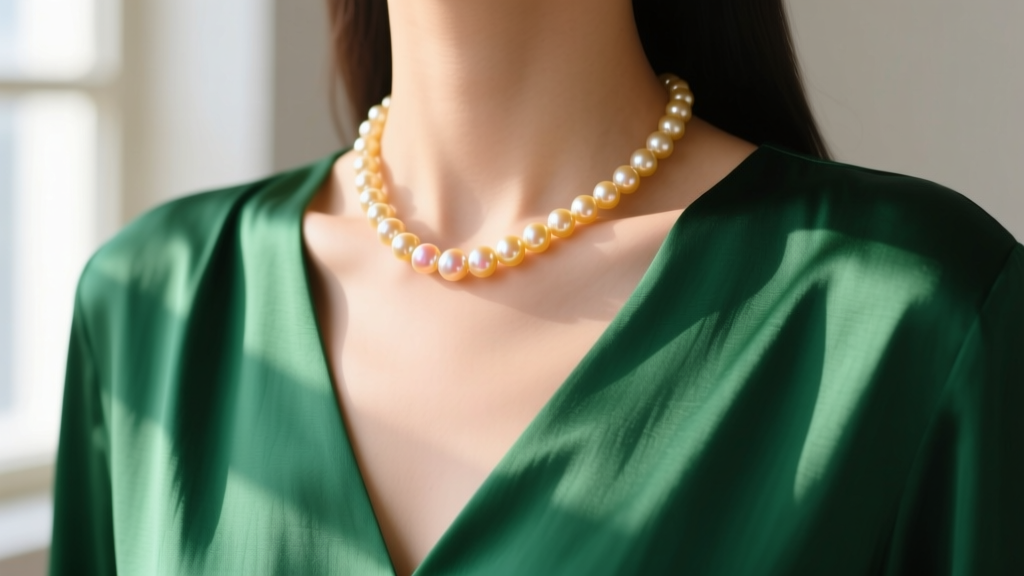
The Pinctada maxima oyster produces the largest and most valuable saltwater pearls on the market. Divided into White (Australian/Indonesian) and Golden (Philippine/Indonesian) varieties, these pearls boast a thick nacre layer (2.0mm to 6.0mm) that yields a soft, satiny luster rather than the sharp reflection of an Akoya.
- Ideal Sizes: 10.0mm to 16.0mm (with rare specimens exceeding 18mm).
- Color Profile: Optic white with silver/rose overtones, or deep 24k golden hues.
- Best Gift For: 50th anniversaries, legacy-building heirloom gifts, and high-net-worth milestone celebrations.
Occasion Matching Matrix: Which Pearl for Which Event?
To streamline your gifting decision, consult this 2026 occasion-matching framework. This table correlates the event type with the most appropriate pearl variety, size, and budget tier.
| Occasion / Milestone | Recommended Pearl Type | Ideal Size (mm) | 2026 Budget Range (USD) | Recommended Clasp Metal |
|---|---|---|---|---|
| Bridal / Wedding Day | Akoya (Rose Overtone) | 7.0 - 8.0mm | $1,200 - $3,500 | 14k or 18k White Gold |
| University Graduation | Akoya (Silver Overtone) | 6.5 - 7.5mm | $800 - $2,000 | 14k Yellow or White Gold |
| 40th / 50th Birthday | Tahitian (Peacock) | 10.0 - 12.0mm | $3,000 - $8,500 | 18k Yellow Gold |
| Executive / Corporate | Tahitian (Aubergine) | 9.0 - 11.0mm | $2,500 - $6,000 | Platinum or 18k White Gold |
| 50th Anniversary / Heirloom | White South Sea | 11.0 - 14.0mm | $12,000 - $35,000+ | Platinum with Diamond Accents |
| Legacy / Investment Gift | Golden South Sea | 13.0 - 16.0mm | $15,000 - $50,000+ | 18k or 22k Yellow Gold |
Sizing, Grading, and Market Realities: What to Expect in 2026
When purchasing a saltwater pearl necklace, relying on vague commercial grades like 'AAA' is insufficient. According to the Gemological Institute of America (GIA), pearl quality must be assessed across seven distinct value factors: Size, Shape, Color, Luster, Surface Quality, Nacre Quality, and Matching.
The Critical Importance of Nacre Thickness
Nacre is the crystalline substance the oyster secretes around the bead nucleus. In the current market, nacre thickness is the primary indicator of a pearl's longevity and value.
- Akoya: Because the oyster is small, nacre is thinner. Avoid any Akoya pearl with less than 0.4mm of nacre, as it may exhibit 'blinking' (a dull, chalky band that reveals the shell nucleus inside). Seek out Hanadama-certified strands, which guarantee a minimum of 0.4mm nacre and exceptional luster.
- Tahitian: The French Polynesian government's 0.8mm minimum export law acts as a built-in quality control mechanism, making Tahitian pearls inherently durable for daily wear.
- South Sea: With a cultivation period of 2 to 4 years, nacre thickness ranges from 2.0mm to 6.0mm. This massive nacre layer is what gives South Sea pearls their signature deep, glowing luster.
2026 Pricing Trends and Knotting Innovations
Due to compounding environmental stressors, premium saltwater pearl yields have contracted. Expect to pay a 10-20% premium for perfectly matched, blemish-free strands compared to 2023 baselines. Furthermore, when inspecting the necklace's construction, look for modern synthetic silk threads (such as Beaders Secret). While traditional silk is romantic, it degrades rapidly when exposed to modern skincare acids and humidity. High-end jewelers in 2026 are increasingly utilizing advanced synthetic polymers that mimic the drape of silk but offer the tensile strength of Kevlar, ensuring the strand survives generations without requiring frequent re-stringing.
Styling & Neckline Pairing for the Recipient
A saltwater pearl necklace must harmonize with the recipient's wardrobe. The length of the strand dictates its versatility and formality. According to Blue Nile's Pearl Education Guide, matching the strand length to common necklines is crucial for everyday wearability.
Princess Length (18 Inches)
The most versatile and popular length. It rests elegantly on the collarbone. This length is universally flattering and pairs perfectly with crew necks, scoop necks, and V-necks. It is the default choice for Akoya wedding strands and Tahitian pendants.
Matinee Length (20 to 24 Inches)
Falling just above the cleavage, the matinee length bridges the gap between casual and formal. It is exceptionally well-suited for South Sea pearls, as the larger bead sizes require more physical space to drape properly without crowding the neck. Pair this length with deep V-necks, business blazers, and evening wear.
Opera Length (28 to 36 Inches)
A dramatic, high-fashion statement. Opera-length Akoya or Tahitian strands are often worn doubled (roped) or knotted. This length is ideal for black-tie events and pairs beautifully with strapless gowns or high Victorian collars.
Final Gifting Checklist
Before finalizing your purchase, run through this expert checklist to ensure the necklace meets the highest standards of quality and presentation:
- Verify the Overtone: Match the pearl's overtone to the recipient's skin tone. Rose overtones flatter cool/pink undertones, while silver and cream overtones complement warm/olive skin tones.
- Inspect the Matching: A high-quality strand should exhibit uniformity in luster and color from end to end. The pearls nearest the clasp can be fractionally smaller, but the center pearls must be perfectly matched.
- Examine the Clasp: Ensure the clasp features a secure locking mechanism (like a fishhook or double-locking box clasp) and is crafted from solid 14k or 18k gold, never gold-plated brass.
- Demand Certification: For investments over $5,000, insist on a grading report from a reputable gemological laboratory (such as GIA or SSEF) detailing the pearl variety, nacre thickness, and any evidence of artificial color treatment.
By aligning the biological rarity of the saltwater pearl with the emotional weight of the occasion, you transform a simple jewelry purchase into a deeply meaningful, generational artifact.