What Does the Color Green Mean on a Mood Necklace? Buying Guide
Discover what the color green means on a mood necklace. Our buying guide covers thermochromic tech, material quality, and how to choose the best pendant.

The Science Behind the Shift: Thermochromic Liquid Crystals
Before diving into the specific color meanings, it is crucial to understand the technology that makes mood jewelry function. Mood necklaces do not possess psychological sensors; instead, they rely on thermochromic materials. According to Compound Interest, the core of a mood pendant contains a layer of cholesteric liquid crystals or thermochromic leuco dyes. These molecules are highly sensitive to temperature fluctuations. As the temperature changes, the molecular structure of the crystals twists, altering the pitch of the helix. This structural shift changes the wavelength of light that is reflected back to the human eye, resulting in a visible color change.
Because the pendant rests against your skin—specifically the hollow of your throat or upper chest—it reacts to your peripheral skin temperature rather than your core body temperature. When you are stressed, blood vessels constrict, pulling blood away from the skin's surface and lowering your skin temperature. When you are relaxed, blood vessels dilate, warming the skin. This physiological response is the true driver behind the color shifts you observe.
Decoding the Colors: What Does the Color Green Mean on a Mood Necklace?
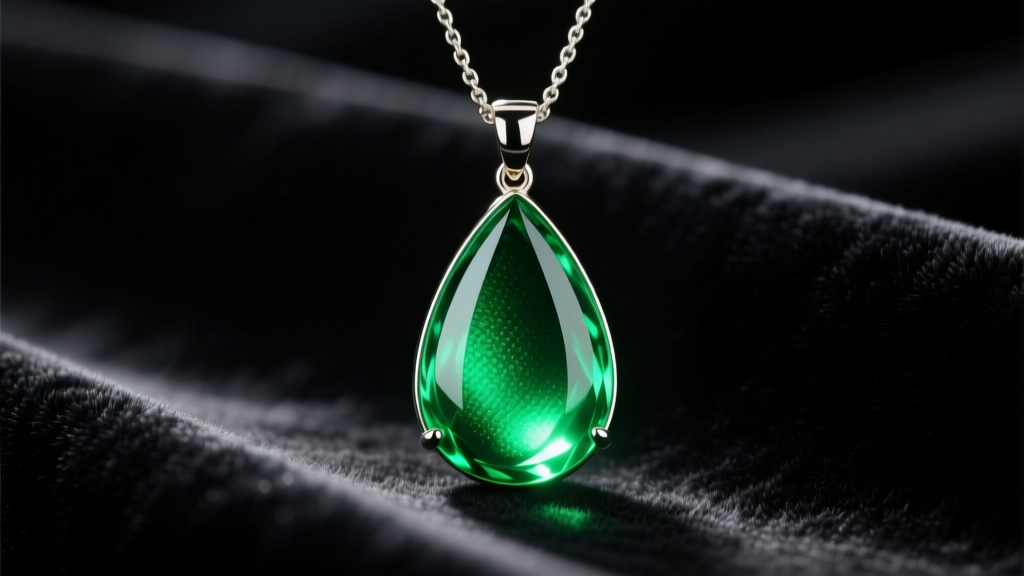
So, what does the color green mean on a mood necklace? In the standardized thermochromic spectrum used by most jewelry manufacturers, green represents a state of calm, relaxation, and emotional balance.
When your mood necklace turns green, it indicates that your peripheral skin temperature is resting at an average, comfortable baseline—typically between 75°F and 82°F (24°C to 28°C). This temperature range suggests that your body is not experiencing the vasoconstriction associated with anxiety, fear, or cold environments, nor is it experiencing the vasodilation associated with high arousal, passion, or physical exertion. You are in a neutral, relaxed state.
The Complete Mood Necklace Color Chart
While formulations can vary slightly between manufacturers, the following table represents the industry-standard thermochromic color mapping for mood jewelry:
| Color Displayed | Emotional Meaning | Approximate Skin Temperature |
|---|---|---|
| Deep Violet / Purple | Passionate, romantic, highly stimulated | 85°F - 90°F (29°C - 32°C) |
| Blue | Happy, active, energetic | 82°F - 85°F (28°C - 29°C) |
| Green | Calm, relaxed, average, balanced | 75°F - 82°F (24°C - 28°C) |
| Amber / Yellow | Nervous, anxious, unsettled | 70°F - 75°F (21°C - 24°C) |
| Gray | Stressed, tired, overwhelmed | 65°F - 70°F (18°C - 21°C) |
| Black | Cold, extremely stressed, or poor circulation | Below 65°F (Below 18°C) |
Expert Insight: If your necklace remains black or dark gray while you feel perfectly calm, the issue is likely environmental. Drafty rooms, air conditioning, or cold metal chains pulling heat away from the pendant base can artificially lower the temperature of the liquid crystal layer, overriding your actual skin temperature.
Buying Guide: What to Look for in a Quality Mood Necklace
Not all mood necklaces are created equal. The novelty market is flooded with cheaply manufactured pendants that degrade within weeks. When shopping for a piece that offers accurate color shifts and lasting durability, pay close attention to the following material specifications.
Pendant Construction: Glass vs. Acrylic Cabochons
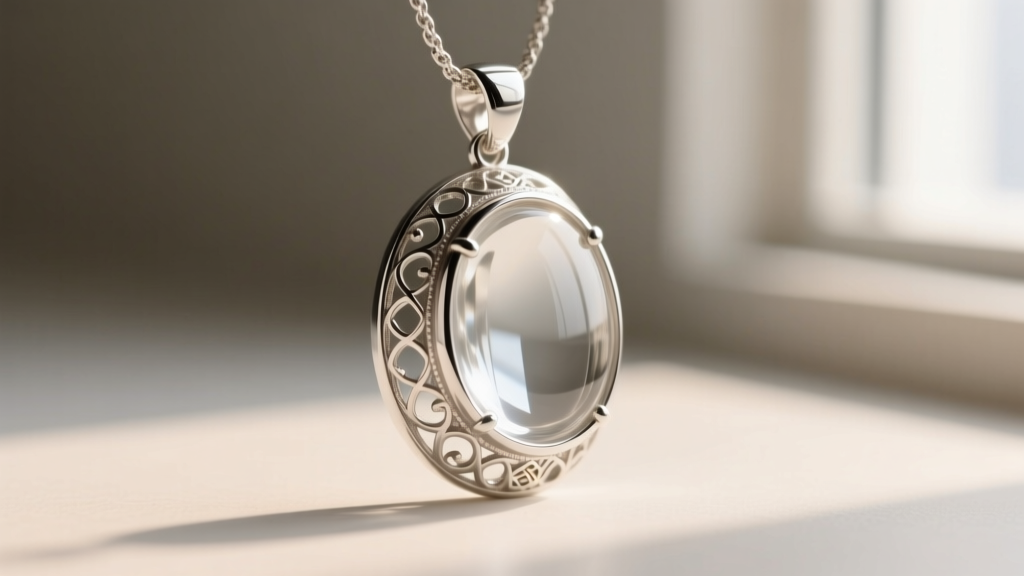
The thermochromic liquid crystal layer is incredibly fragile and must be sealed beneath a transparent dome, known as a cabochon.
- High-Quality (Glass): Premium mood necklaces use a tempered glass cabochon over a copper or silver foil base. Glass is highly scratch-resistant, optically clear, and provides an airtight seal that prevents moisture from destroying the liquid crystals. According to ThoughtCo's materials breakdown, a proper seal is the only way to ensure the thermochromic pigments survive long-term wear.
- Low-Quality (Acrylic/Plastic): Budget pendants use injection-molded acrylic. Acrylic scratches easily, clouding the color display over time. More importantly, plastic is micro-porous; ambient humidity will eventually seep through, causing the liquid crystals to seize and the pendant to turn permanently black.
Bezel and Chain Materials
The metal housing the pendant (the bezel) and the chain itself dictate both the lifespan of the jewelry and your skin's reaction to it.
- Sterling Silver (925): The best choice for sensitive skin. Silver is highly conductive, meaning it transfers your body heat to the pendant efficiently, resulting in faster, more accurate color shifts.
- Surgical Stainless Steel (316L): An excellent, durable alternative to silver. It is hypoallergenic, highly resistant to tarnish, and provides a solid, weighty feel.
- Zinc Alloy / Brass (Avoid): Often plated with a thin layer of silver or gold. Once the plating wears off, the base metals will oxidize, turn your skin green, and potentially cause contact dermatitis. Furthermore, alloys are poor thermal conductors, which can result in a sluggish color-changing response.
Sizing, Fit, and Chain Length Considerations
The length of your necklace chain directly impacts the accuracy of the mood reading. Because thermochromic crystals react to localized skin temperature, where the pendant rests on your body matters immensely.
16-Inch Choker Length: Sits high on the collarbone. This area has thinner skin and is closer to major blood vessels, often resulting in a warmer baseline reading. Pendants here may skew toward blue or violet more frequently.
18-Inch Princess Length: The industry standard. The pendant rests in the hollow of the throat or just above the sternum. This provides the most balanced, accurate reflection of your resting emotional and physical state, making the "green" reading highly reliable.
24-Inch Opera Length: Sits lower on the chest. Clothing layers can easily trap heat or block airflow, artificially warming the pendant and causing it to read "passionate" (purple) even when you are simply wearing a thick sweater.
Care and Maintenance: Prolonging the Thermochromic Lifespan
The most common complaint among mood jewelry buyers is that the pendant "stops working" and turns permanently black. This is rarely a manufacturing defect; it is almost always a result of improper care. The liquid crystal layer is highly susceptible to two main enemies: water and ultraviolet (UV) light.
Essential Care Rules for Mood Pendants
- Never Wear It in Water: Showering, swimming, or washing dishes while wearing your mood necklace will allow water to breach the bezel seal. Once water mixes with the liquid crystal layer, the molecules are permanently destroyed. Always remove the necklace before contact with water.
- Limit Prolonged UV Exposure: While wearing the necklace outdoors is fine, leaving it on a sunny dashboard or a brightly lit windowsill for days will degrade the thermochromic dyes. UV radiation breaks down the chemical bonds in the leuco dyes, causing the pendant to lose its ability to shift colors.
- Store in a Temperature-Neutral Environment: Avoid leaving the necklace in freezing cars or near high-heat radiators. Extreme thermal shocks can crack the glass cabochon or separate the foil backing from the crystal layer.
- Clean with a Dry Cloth Only: Never use chemical jewelry cleaners, ultrasonic cleaners, or polishing dips. These chemicals will eat through the adhesive sealing the glass cabochon to the metal bezel. Simply wipe the glass dome with a clean, dry microfiber cloth to remove skin oils.
Final Verdict: Are Mood Necklaces Worth the Investment?
Understanding what the color green means on a mood necklace transforms it from a simple novelty toy into a fascinating piece of wearable bio-feedback technology. When you invest in a high-quality pendant featuring a glass cabochon, a 925 sterling silver or 316L steel bezel, and an 18-inch chain, you are purchasing a durable accessory that accurately reflects your physiological state of calm and relaxation. By following strict moisture-avoidance and UV-care protocols, a premium mood necklace can provide years of accurate, colorful shifts, making it a unique and conversation-starting addition to any jewelry collection.


