Troubleshooting Your Sapphire Rainbow Necklace: Care & Fixes
Learn how to troubleshoot common issues with your sapphire rainbow necklace, from color fading and chain tangling to cleaning treated stones safely.

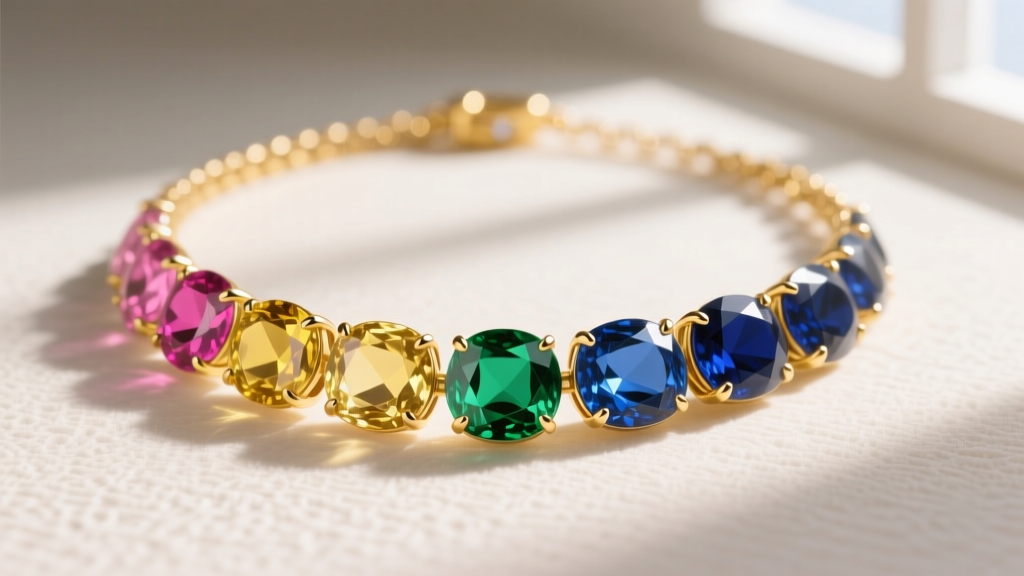
A sapphire rainbow necklace is a masterpiece of color, typically featuring a graduated or uniform strand of pink, yellow, green, blue, and purple corundum. However, the very treatments and structural designs that make these multi-color pieces so vibrant also introduce unique vulnerabilities. Whether you are dealing with uneven color fading, clasp strain, or confusion over cleaning protocols, troubleshooting a multi-gemstone piece requires a specialized approach. This guide dives deep into the gemological and structural realities of rainbow sapphire jewelry, providing actionable solutions for collectors and daily wearers alike.
The Anatomy of a Rainbow Sapphire Strand (and Where It Fails)
To troubleshoot effectively, you must first understand how rainbow sapphires are sourced and assembled. Naturally occurring, untreated sapphires in vivid yellow, green, and orange are exceptionally rare and command premium prices. Consequently, the vast majority of commercial and even high-end sapphire rainbow necklaces rely on gemological treatments to achieve color uniformity. The most common treatments include beryllium diffusion (lattice diffusion) for orange and yellow hues, and irradiation for certain green and yellow stones.
The primary failure points in these necklaces are rarely the sapphires themselves—corundum ranks a 9 on the Mohs scale, making it highly scratch-resistant. Instead, failures occur at the intersection of the stone and the setting. Prong wear, silk cord degradation in knotted strands, and the chemical instability of certain color treatments under environmental stress are the main culprits. According to the Gemological Institute of America (GIA), understanding the specific treatment history of your stones is the first step in preventing irreversible damage.
Troubleshooting Color Fading and Uneven Tones
One of the most distressing issues owners face is noticing that specific stones in their rainbow necklace—usually the yellow or green ones—are losing their saturation over time, leaving the strand looking unbalanced.
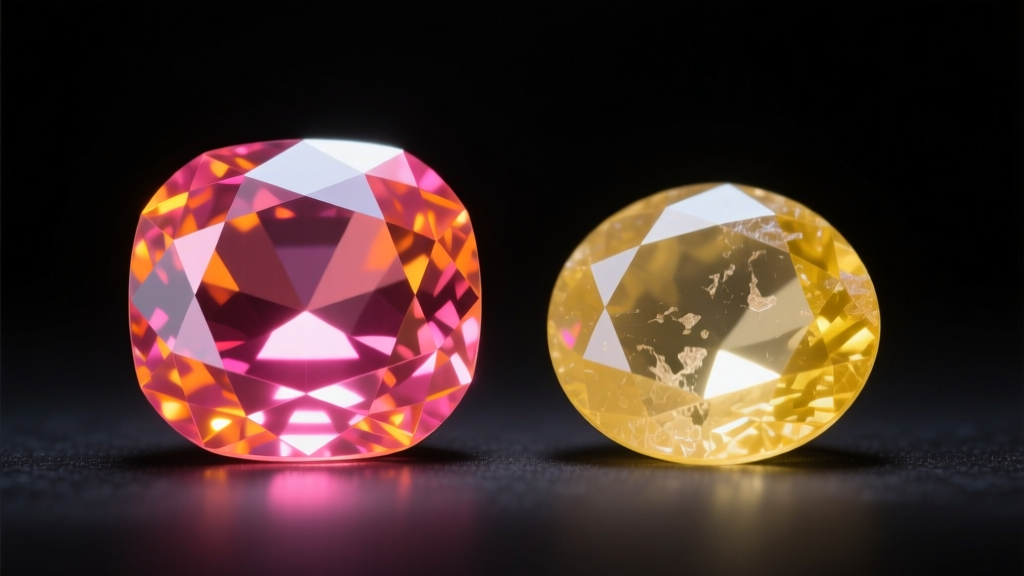
Identifying the Cause of Fading
If your yellow or green sapphires are fading, they were likely treated with irradiation. While irradiation can produce stunning initial colors, the color centers created by this process are sometimes unstable when exposed to prolonged ultraviolet (UV) light or intense heat. Conversely, pink and blue sapphires are typically heated (and sometimes beryllium-diffused), which creates permanent, stable color changes that will not fade in sunlight.
Actionable Solutions for Faded Stones
- UV Protection: If you suspect irradiation, store the necklace in a light-proof jewelry box when not in use. Avoid wearing it during peak sun exposure or in tanning beds.
- Stone Replacement: If a stone has completely faded, a jeweler can source a replacement. To ensure a perfect match, bring the entire necklace to the bench jeweler so they can custom-cut or source a stone that matches the exact refractive index and tone of the surrounding gems.
- Re-Polishing: Sometimes, what appears to be fading is actually a buildup of microscopic oils and lotions that dull the stone's brilliance. A professional polishing can restore the light return, making the color appear more saturated.
Chain Tangling and Clasp Strain in Multi-Stone Designs
Rainbow sapphire necklaces, particularly tennis-style or graduated strand designs, carry significant weight. A standard 16-inch graduated sapphire necklace can weigh between 40 and 80 carats (8 to 16 grams) just in gemstones, not including the precious metal settings. This concentrated weight puts immense stress on the chain links and the clasp mechanism.
Matching Chain Gauges to Sapphire Weight
Using a delicate chain for a heavy multi-stone pendant or strand is a recipe for catastrophic failure. Below is a troubleshooting matrix for matching chain types to the weight of your sapphire jewelry.
| Chain Style | Recommended Thickness | Max Weight Capacity | Best For |
|---|---|---|---|
| Box Chain | 1.0mm - 1.5mm | Up to 45 grams | Heavy graduated rainbow pendants |
| Wheat (Spiga) Chain | 1.2mm - 2.0mm | Up to 60 grams | Multi-strand rainbow sapphire chokers |
| Cable Chain | 0.8mm - 1.0mm | Up to 15 grams | Lightweight, uniform rainbow tennis necklaces |
| Rope Chain | 1.5mm - 2.5mm | Up to 80+ grams | Heavy, bezel-set rainbow station necklaces |
Upgrading the Clasp
If your necklace frequently unfastens or the jump ring is warping, the clasp is undersized. Standard spring-ring clasps are insufficient for anything over 20 grams. Upgrade to a lobster clasp (minimum 12mm) or a box clasp with a figure-eight safety catch. For high-value rainbow strands, a diamond-set fold-over clasp provides the most secure lock and distributes the tension across a wider surface area of the chain.
Safe Cleaning Protocols for Treated vs. Untreated Sapphires
Cleaning a multi-color sapphire necklace is not as simple as tossing it into an ultrasonic cleaner. The varying treatments applied to different colors within the same strand dictate how the entire piece must be maintained.
The Ultrasonic Danger Zone
While untreated and standard heat-treated sapphires can generally withstand ultrasonic cleaning, fracture-filled sapphires cannot. Some lower-tier rainbow necklaces utilize lead-glass filling to improve the clarity of heavily included stones (often the pink or purple varieties in the strand). Ultrasonic vibrations and the mild acids in some cleaning solutions can dissolve the glass filler, leaving the stone cloudy, pitted, or entirely fractured.
The Foolproof Manual Cleaning Method
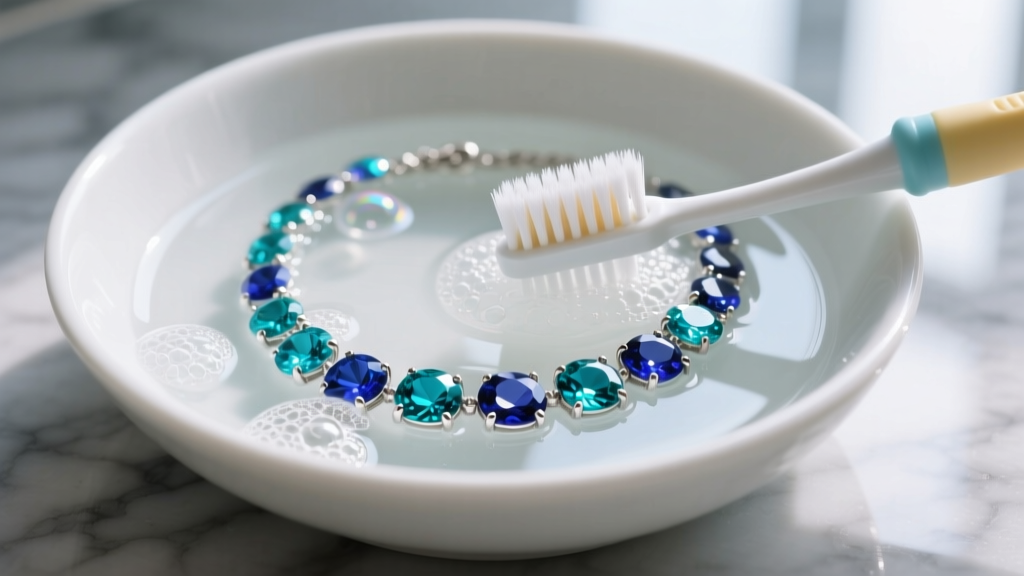
To safely clean your sapphire rainbow necklace without risking the integrity of lattice-diffused or fracture-filled stones, follow this bench-jeweler-approved protocol:
- Prepare the Solution: Mix a few drops of degreasing dish soap (like Dawn) into a bowl of lukewarm—not hot—distilled water.
- Soak: Submerge the necklace for 10 to 15 minutes to loosen sebum and cosmetic buildup from beneath the pavilion (the bottom of the stone).
- Agitate: Use a brand-new, extra-soft baby toothbrush to gently sweep the bristles behind each sapphire. Never scrub the top of the stone aggressively, as this can wear down softer metal prongs over time.
- Rinse and Dry: Rinse under a gentle stream of lukewarm water, ensuring the drain is plugged. Pat dry with a lint-free microfiber cloth, and use a hairdryer on the 'cool' setting to blow water out from behind the settings.
Restringing and Prong Repair for Graduated Strands
If your rainbow sapphire necklace is a knotted strand rather than a metal chain, the silk or synthetic cord will eventually degrade. Silk is traditional but rots when exposed to sweat and perfumes. If you notice the gaps between the knots widening, or if the stones feel loose and click against one another, it is time for a restring.
When taking the piece to a jeweler, request synthetic nylon beading thread (such as Silamide or Power Pro) instead of natural silk. Nylon offers superior tensile strength and is impervious to moisture and acidic skin pH. For necklaces featuring sapphires over 3 carats each, ensure the jeweler uses a French wire technique at the clasp connection to prevent the metal clasp from sawing through the thread over time.
Furthermore, inspect the prongs annually. Sapphires are hard, but the 14k or 18k gold prongs holding them are not. A jeweler should use a 10x loupe to check for 'lifted' prongs, which can easily catch on knitwear and bend away from the stone's girdle, resulting in a lost gemstone.
Verifying Authenticity: Natural vs. Synthetic Rainbow Sapphires
A final troubleshooting scenario involves verifying the origins of your stones. The market is flooded with synthetic (lab-created) flame-fusion sapphires strung together to mimic high-end rainbow necklaces. Synthetic stones often exhibit curved striae (growth lines) visible under magnification, whereas natural sapphires show angular color zoning and straight growth lines. Additionally, synthetic rainbow necklaces often feature colors that are 'too perfect'—hyper-saturated with zero visible inclusions. If you suspect your necklace is synthetic, request a comprehensive GIA identification report, which will definitively map the origin and treatment status of a representative sample of the stones in your strand.
By understanding the specific gemological treatments, structural weight limits, and cleaning vulnerabilities of your jewelry, you can ensure your sapphire rainbow necklace remains a vibrant, secure, and lasting investment.


