Name of the Flower Necklace in Hawaii: Material Guide
Discover the name of the flower necklace in Hawaii, the traditional lei, and compare organic, silver, and gold materials for permanent floral jewelry.

What is the Name of the Flower Necklace in Hawaii?
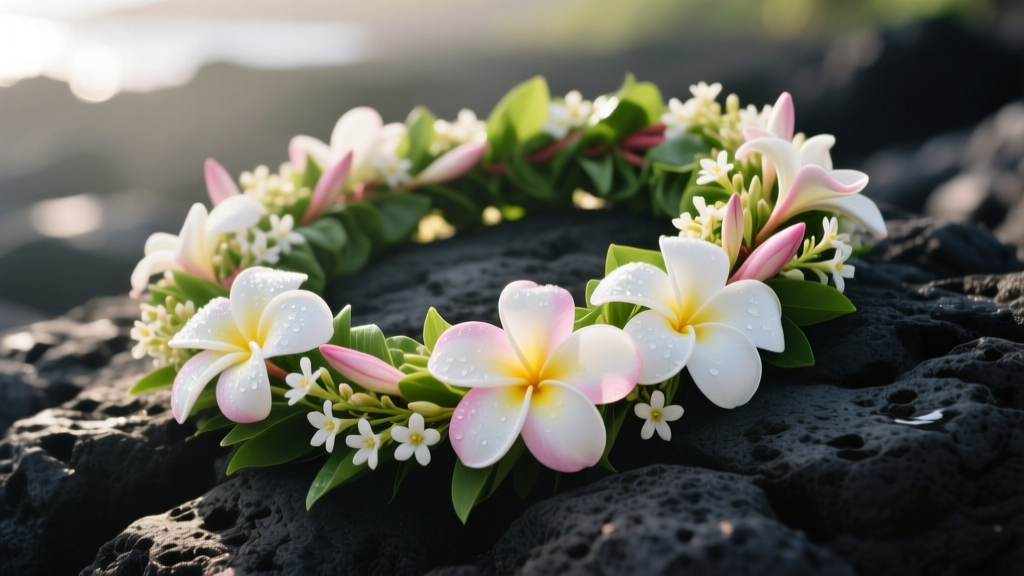
If you have ever visited the islands, attended a luau, or researched Polynesian culture, you have likely asked: what is the name of the flower necklace in Hawaii? The answer is the lei. Traditionally, a lei is a garland of fresh flowers, leaves, seeds, or shells worn around the neck or head as a symbol of aloha, respect, and celebration. According to Britannica's cultural archives, the presentation of a lei is a deeply rooted Hawaiian tradition signifying love, honor, and friendship.
While fresh botanical leis are ephemeral, the iconic Hawaiian flowers they feature—specifically the Plumeria (Melia), Hibiscus (Aloalo), Pikake (Jasmine), and Orchid (Okika)—have inspired a massive category of permanent fine jewelry. As of 2026, jewelers and artisans craft these floral motifs using a wide spectrum of materials, from organic seeds to precious metals and vitreous enamels. Understanding the material properties of these necklaces is crucial for selecting a piece that withstands tropical climates, daily wear, and the test of time.
Traditional Organic Materials: The Authentic Lei
Before diving into metals, it is essential to understand the baseline organic materials that define the authentic Hawaiian flower necklace. These materials dictate the aesthetic baseline that fine jewelers attempt to replicate.
- Fresh Flowers (Pikake & Plumeria): Highly fragrant but incredibly fragile. A fresh pikake lei lasts only 12 to 24 hours before browning. They represent the ephemeral beauty of nature.
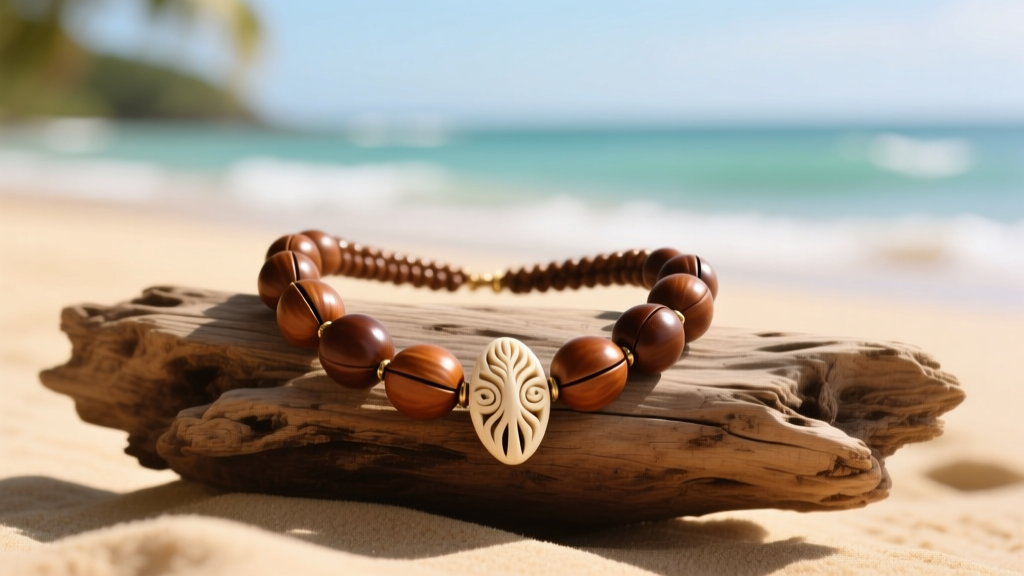
- Kukui Nuts: The Kukui nut lei is the traditional necklace of Hawaiian royalty (ali'i). Polished to a glass-like finish, these nuts are incredibly durable, resistant to moisture, and can last for generations if kept away from extreme heat. Pricing ranges from $30 for basic strands to over $200 for intricate, hand-carved bone-clasped versions.
- Sunrise & Sunset Shells: Tiny, delicate shells strung together. While beautiful, shell leis are brittle and prone to snapping under tension.
Fine Jewelry Metals: Crafting the Permanent Floral Pendant
Because fresh flowers wilt, the modern jewelry market translates the name of the flower necklace in Hawaii into permanent metal pendants. The choice of metal dramatically affects the necklace's durability, color accuracy, and price point. According to the Gemological Institute of America (GIA), alloying pure gold with other metals is necessary to create jewelry durable enough for intricate floral casting.
Sterling Silver (925) and the Humidity Factor
Sterling silver is the most accessible entry point for Hawaiian floral jewelry, with 14k gold-plated sterling silver Plumeria pendants typically retailing between $60 and $150. However, silver has a specific vulnerability in tropical environments. The London Assay Office notes that the 7.5% copper content in sterling silver reacts with sulfur and moisture to form silver sulfide (tarnish). In Hawaii's humid, volcanic air—which can contain trace sulfur—silver leis and pendants require frequent polishing and should be stored in anti-tarnish cloth pouches.
14k vs. 18k Gold: Hardness and Hue
For heirloom-quality Hawaiian flower necklaces, gold is the premier choice. The karat weight dictates both the color and the structural integrity of the delicate petals.
| Material | Vickers Hardness (Approx.) | Tarnish Resistance | Average Price Range (Pendant Only) | Best For |
|---|---|---|---|---|
| Sterling Silver (925) | 60 - 70 HV | Low (Requires maintenance) | $60 - $150 | Everyday casual wear, budget-conscious buyers |
| 14k Yellow Gold | 140 - 160 HV | Excellent | $400 - $900 | Intricate petal detailing, high-durability needs |
| 18k Yellow Gold | 110 - 125 HV | Excellent | $800 - $2,500+ | Rich color matching the Plumeria center, luxury heirlooms |
Expert Insight: If you are purchasing a 3D-cast Hibiscus pendant with deep undercuts and thin petal edges, 14k gold is mechanically superior. Its higher Vickers hardness ensures the thin metal petals will not bend or warp if the necklace is snagged. Conversely, 18k gold offers a deeper, warmer yellow tone that perfectly mimics the natural gradient of a Plumeria flower's center, making it the preferred choice for high-end, artisan-crafted pieces.
Enamel, Resin, and Gemstone Accents
Metal alone cannot capture the vibrant pinks of the Aloalo (Hibiscus) or the stark white-and-yellow contrast of the Melia (Plumeria). To solve this, jewelers utilize coloring techniques that possess vastly different material properties.
Vitreous Enamel vs. Cold Enamel (Resin)
Vitreous Enamel is created by fusing powdered glass to metal at temperatures exceeding 1,400°F (760°C). The result is a hard, scratch-resistant, and UV-stable surface that will never fade in the harsh island sun. A vitreous enamel Hawaiian flower necklace is an investment piece, often starting at $1,200 due to the intensive labor required.
Cold Enamel (Epoxy Resin) is a polymer-based alternative applied at room temperature. While it allows for vibrant, translucent colors and keeps the price point accessible ($100–$300), resin is highly susceptible to UV degradation. Prolonged exposure to direct sunlight will cause white resin petals to yellow and become brittle over a 3-to-5-year period.
Gemstone Inlays
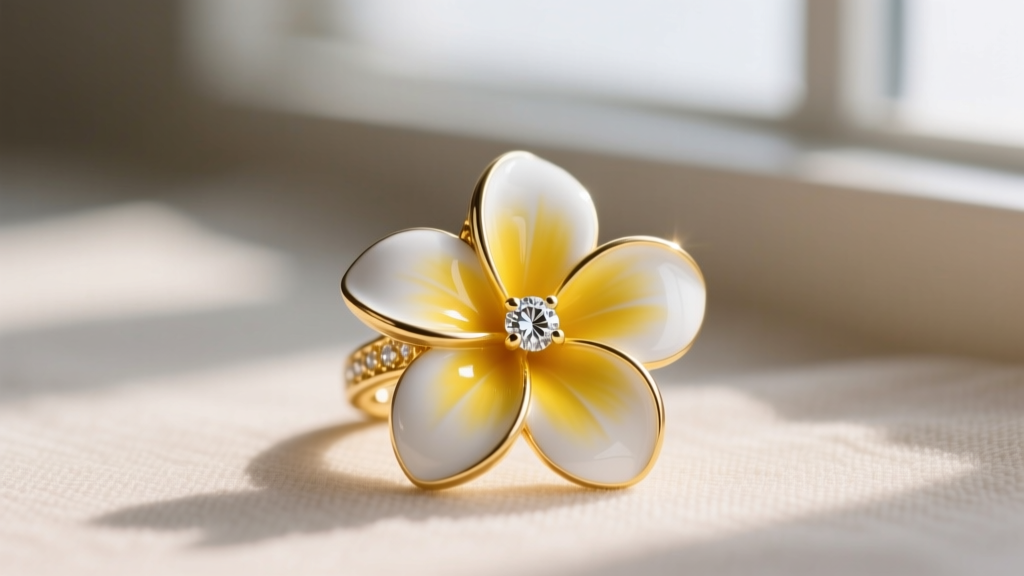
To elevate the luxury factor, modern jewelers often replace the stamen of a metal Plumeria or Orchid with gemstones. A 2mm to 3mm bezel-set diamond, yellow sapphire, or citrine is commonly used. When evaluating these pieces, ensure the bezel wall is at least 0.25mm thick; thinner walls in mass-produced cast jewelry can easily wear down, leading to stone loss.
Chain Pairing: Supporting the Weight of the Islands
A common failure mode in Hawaiian floral jewelry is the chain snapping under the weight of a solid metal pendant. A solid 14k gold 3D Plumeria pendant can weigh between 4 and 8 grams. Delicate chains, such as 0.8mm cable or snake chains, are prone to kinking and breaking under this localized stress.
Recommended Chain Specifications:
- 1.2mm to 1.5mm Box Chain: Offers excellent structural integrity and a modern, geometric contrast to the organic curves of the flower.
- 1.5mm Rope Chain: The twisted links provide high tensile strength and reflect light beautifully, mimicking the shimmering ocean.
- Length: For traditional floral pendants, a 16-inch choker length or 18-inch princess length is ideal, ensuring the flower rests perfectly on the collarbone or upper chest, mimicking the natural drape of a fresh botanical lei.
Maintenance in Tropical and Active Climates
Whether you are wearing your Hawaiian flower necklace in the islands or on the mainland, environmental factors dictate its lifespan. Sunscreen, salt water, and human sweat are highly corrosive to both organic and metallic materials.
Pro-Tip for Longevity: Always apply your sunscreen, perfumes, and hairspray before putting on your necklace. The chemical filters in modern sunscreens (especially those containing avobenzone or zinc oxide) can leave a stubborn, cloudy film on both gold and resin that requires professional ultrasonic cleaning to remove.
For organic Kukui nut leis, avoid wearing them in the ocean. While the nuts themselves are water-resistant, the cotton or nylon threading can degrade rapidly when exposed to salt and UV radiation, leading to a catastrophic string failure. Have your Kukui lei professionally restrung every 5 to 7 years if worn regularly.
Conclusion
Understanding the name of the flower necklace in Hawaii—the lei—is only the first step in appreciating this beautiful cultural artifact. Whether you opt for the authentic, ephemeral beauty of fresh Pikake, the historical weight of polished Kukui nuts, or the permanent luxury of a 14k gold and vitreous enamel Plumeria pendant, the material you choose defines the necklace's legacy. By matching the material properties to your lifestyle and local climate, you ensure that your piece of Hawaiian aloha remains vibrant and intact for years to come.


