The Necklace Short Story PDF: 2026 Jewelry Trend Analysis
Discover how the necklace short story pdf inspired 2026 jewelry trends. We analyze the Loisel rivière, lab-grown diamonds, and paste history.

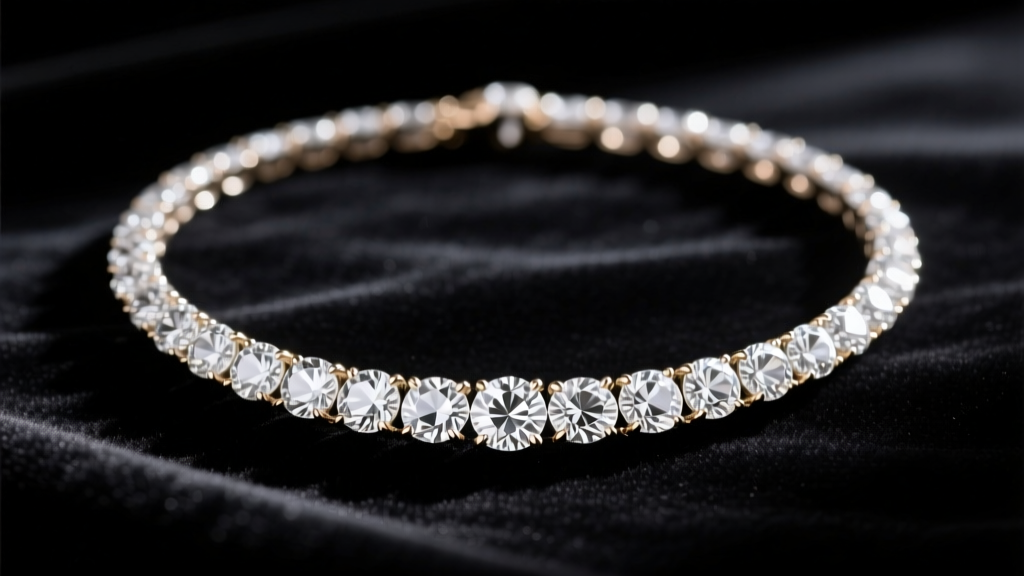
Guy de Maupassant’s 1884 literary masterpiece, La Parure (The Necklace), remains one of the most devastating critiques of vanity, class, and perceived value in Western literature. Today, thousands of students, educators, and jewelry historians searching for the necklace short story pdf are often surprised to discover that the story’s central tragedy hinges entirely on a gemological misunderstanding. Mathilde Loisel ruins her life to replace what she believes to be a priceless diamond rivière, only to discover a decade later that the original was "paste"—costume jewelry made of leaded glass.
As we navigate the jewelry landscape of 2026, Maupassant’s ironic twist is more relevant than ever. The modern market is dominated by lab-grown diamonds, high-refractive simulants, and a cultural shift toward "deceptive brilliance." By analyzing the specific style of the Loisel necklace, we can uncover how 19th-century paste jewelry evolved into today’s multi-billion-dollar lab-grown and moissanite industries, and how you can style this iconic aesthetic today without the financial ruin.
The "Paste" Revolution: From 1884 to 2026
To understand the tragedy of Mathilde Loisel, we must first understand what "paste" meant in the late 19th century. According to the Victoria and Albert Museum, paste jewelry was not considered cheap plastic as it is today. It was a highly respected craft involving high-lead glass (often containing up to 30% lead oxide) cut and polished to mimic the fire and brilliance of mined diamonds. Because glass is softer than stone, lapidaries could mold it into complex, custom shapes that perfectly fit intricate silver collet settings, eliminating the dark gaps often seen in early diamond jewelry.
In 2026, the spiritual successor to 19th-century paste is not glass, but advanced crystalline structures. The modern consumer has three primary avenues for achieving the "Loisel Look" without the natural diamond price tag:
- Chemical Vapor Deposition (CVD) Lab-Grown Diamonds: Optically, physically, and chemically identical to mined diamonds. The Gemological Institute of America (GIA) notes that CVD stones now achieve D-F color grades and VVS clarity routinely, making them indistinguishable to the naked eye.
- Moissanite (Silicon Carbide):strong> With a refractive index of 2.65 (compared to diamond's 2.42), moissanite exhibits "double refraction" and intense rainbow fire. It is the ultimate modern "paste" for those who want a stone that out-sparkles a diamond.
- High-Grade Cubic Zirconia (CZ):strong> Modern 5A-grade CZ is cut with the same precision as luxury diamonds, offering a temporary, budget-friendly alternative for high-carat-weight statement pieces.
Decoding the Loisel Aesthetic: The Rivière Necklace
The necklace borrowed from Madame Forestier is described simply as a "superb diamond necklace." However, based on the fashion of the 1880s Parisian elite, this would have been a rivière necklace—a continuous "river" of identically or gradually sized gemstones set in a single strand without a central pendant.
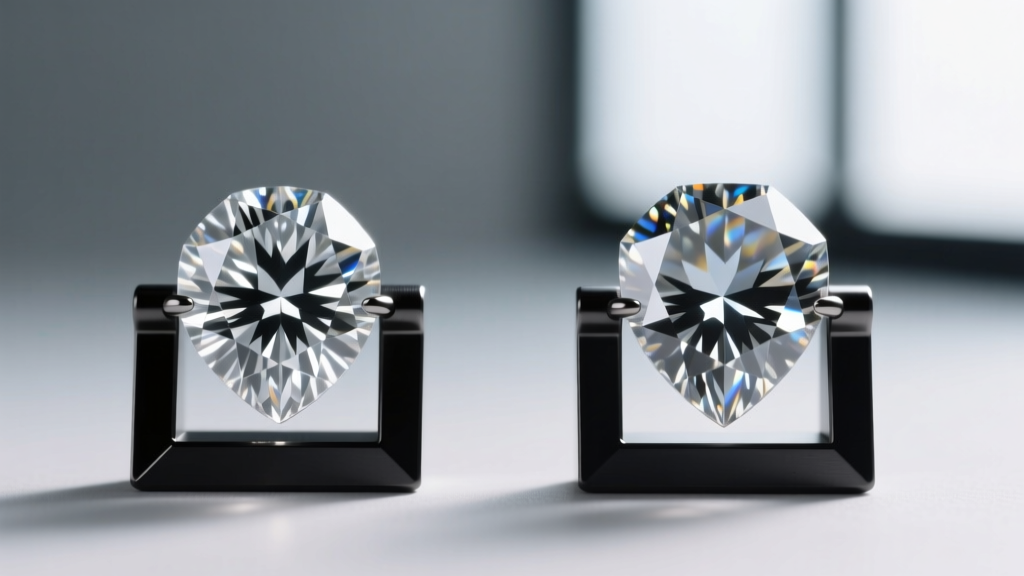
Anatomy of an 1880s Rivière
If we were to appraise the original necklace today, it would likely feature the following specifications:
- Total Carat Weight (CTW): 35 to 45 carats.
- Setting Style: Closed-back silver or gold collet (bezel) settings. Prong settings were less common for continuous strands until the mid-20th century.
- Stone Cut: Old Mine Cut or early European Cut, characterized by a high crown, small table, and large culet.
Material Grades & Pricing: What Would Mathilde Pay Today?
In the story, the replacement necklace costs the Loisels 36,000 francs, a sum that forces them into a decade of grueling, poverty-stricken labor. To put this into a 2026 perspective, we must look at the current market rates for a 40-carat total weight (CTW) diamond rivière necklace. The financial irony of Maupassant’s tale is perfectly illustrated in the table below.
| Material (40 CTW Rivière) | Refractive Index | Mohs Hardness | Estimated 2026 Retail Price | Durability & Wearability |
|---|---|---|---|---|
| Mined Natural Diamond (G/VS2) | 2.42 | 10 | $180,000 - $250,000+ | Heirloom; indestructible for daily wear |
| CVD Lab-Grown Diamond (D/VVS1) | 2.42 | 10 | $15,000 - $28,000 | Heirloom; identical physical properties |
| Colorless Moissanite (Super Ideal) | 2.65 | 9.25 | $2,500 - $4,500 | Excellent; high fire, slight double refraction |
| 1884 Leaded Paste Glass | ~1.70 | 5.0 - 6.0 | Antique Value: $800 - $2,500 | Poor; scratches easily, foil-backing degrades |
| 5A-Grade Cubic Zirconia | 2.15 | 8.0 - 8.5 | $150 - $400 | Fair; will cloud and scratch over 2-3 years |
Had Mathilde Loisel possessed a basic understanding of gemology—or simply asked a jeweler to test the thermal conductivity of the stones—she would have realized the original necklace was worth a mere 500 francs. Today, a modern buyer can achieve the exact visual impact of the Forestier necklace using a CVD lab-grown rivière for the price of a modest used car, completely bypassing the ethical and financial pitfalls of the 19th-century diamond trade.
Styling the Rivière in 2026: Necklines and Layering
The diamond rivière is experiencing a massive resurgence in 2026, driven by the "quiet luxury" movement and the accessibility of lab-grown stones. However, wearing a 40-carat strand of diamonds requires careful styling to avoid looking like you are wearing a costume piece. Here is how to style the Loisel aesthetic for modern occasions.
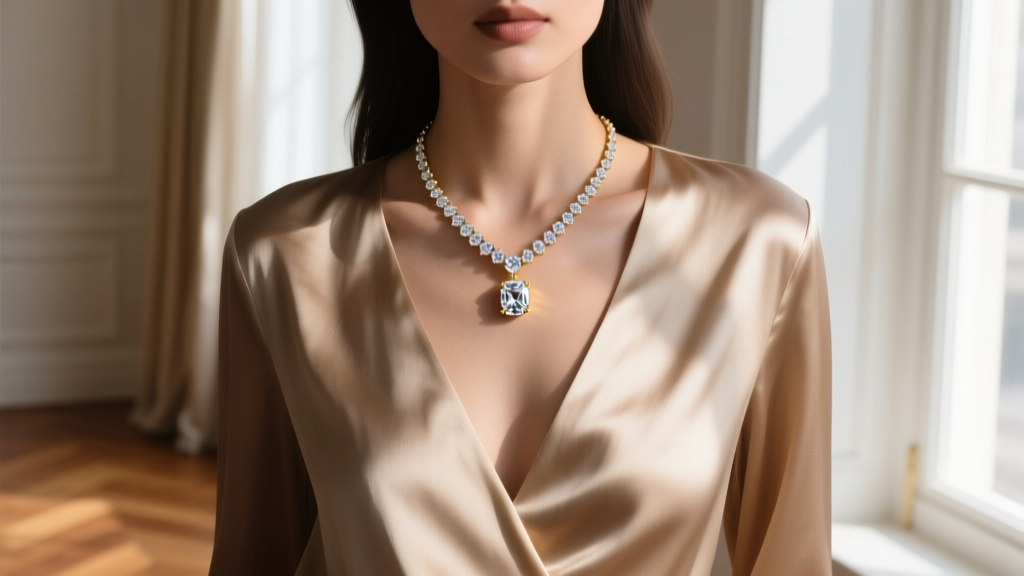
The Sweetheart and Deep-V Pairing
A rivière necklace sits snugly at the base of the throat (usually 15 to 16 inches). It demands an open canvas. Pair it with a deep V-neck silk blouse or a structured sweetheart neckline. The sharp geometry of the V-neck mimics the faceting of the diamonds, drawing the eye downward and elongating the neck. Avoid high crew necks or turtlenecks, which will cause the metal settings to catch on the fabric and obscure the stones' brilliance.
The 2026 Layering Technique: "Dressing Down" the Diamonds
Historically, a diamond rivière was reserved strictly for black-tie galas and opera premieres. In 2026, the trend is high-low styling. To wear your rivière to a dinner party or an upscale daytime event, you must break up its formality by layering it with contrasting metals and textures.
The Golden Rule of Layering: Never layer a rivière with another strand of identical gemstones. Always introduce a contrasting chain style, metal color, or organic texture to ground the piece in everyday reality.
- The Paperclip Anchor: Layer your 16-inch diamond rivière with an 18-inch 14k yellow gold paperclip chain. The hollow, geometric links of the gold chain provide a modern, industrial contrast to the vintage brilliance of the diamonds.
- The Lariat Drop: Add a 20-inch gold lariat necklace featuring a single, solitary baroque pearl. The organic, asymmetrical shape of the pearl immediately neutralizes the rigid, formal symmetry of the rivière.
- The Pendant Override: Slip a heavy, vintage-inspired gold signet pendant onto the rivière itself. This transforms the piece from a traditional tennis necklace into a bespoke, eclectic statement piece that feels deeply personal.
The Enduring Lesson of the Paste Necklace
Whether you are analyzing the necklace short story pdf for a university literature seminar or studying the evolution of gemological trends, Maupassant’s tale remains a masterclass in the psychology of adornment. The tragedy of Mathilde Loisel was not that she wore fake diamonds; it was her crippling belief that her worth was tied to the intrinsic market value of the stones around her neck.
In 2026, the jewelry industry has finally caught up to Madame Forestier’s secret. With the rise of flawless lab-grown diamonds and high-end simulants, the "illusion" of wealth is no longer a shameful secret hidden in a jewelry box—it is a celebrated, sustainable, and scientifically brilliant choice. The modern rivière necklace is a testament to the fact that true style is not about the carat weight on the appraisal certificate, but the confidence of the wearer and the artistry of the cut.


