How to Clean Your Necklace for Tilly RDR2 Replica Jewelry
Learn expert cleaning and maintenance tips for your necklace for Tilly RDR2 replicas. Protect brass, silver, and turquoise from tarnish and wear.

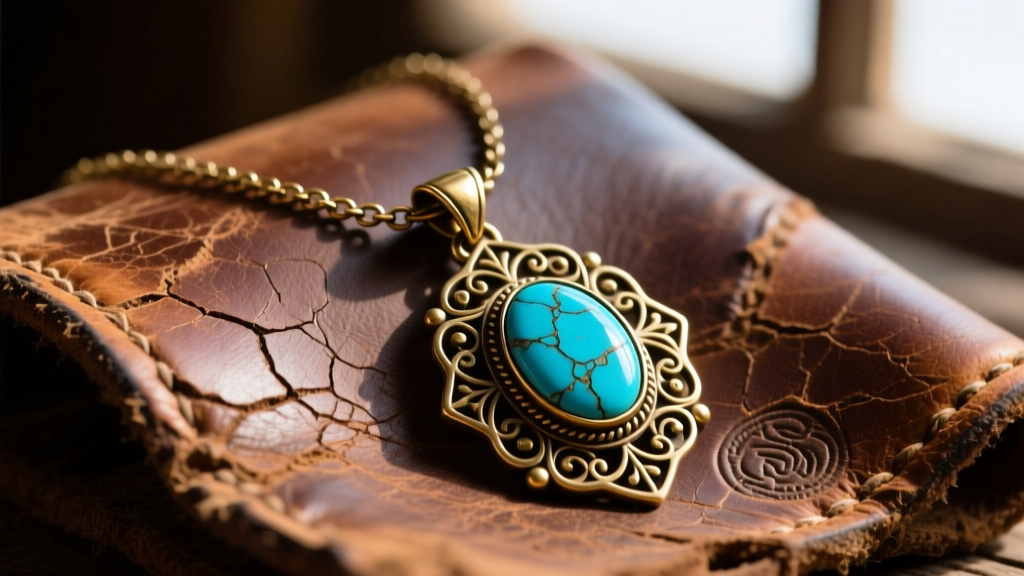
The Allure and Vulnerability of 1899 Western Replicas
Fans of Rockstar’s masterpiece often seek out a necklace for Tilly RDR2 to capture the understated elegance and resilience of Tilly Jackson. Set in the dying days of the 1899 Wild West, the jewelry of this era—and its modern replicas—typically features a rugged mix of oxidized metals, natural cabochon stones, and woven or leather cords. However, the very materials that give these pieces their authentic, frontier-worn charm are highly susceptible to environmental degradation. As of 2026, the replica jewelry market has seen a massive influx of mixed-media Western pendants, but many buyers are caught off guard by how quickly raw brass, copper, and porous stones can deteriorate without a strict maintenance protocol.
Whether your pendant features a C260 cartridge brass bezel, a 925 sterling silver chain, or a genuine turquoise cabochon, treating it with modern jewelry conservation techniques is essential. This guide provides a masterclass in maintaining your Western replica jewelry, ensuring it survives the trail ahead.
Understanding the Metallurgy and Gemology of Your Pendant
Before applying any cleaning agents, you must identify the exact materials of your replica. Misidentifying a stone or metal can lead to catastrophic, irreversible damage.
- Brass and Copper: These copper-based alloys are notorious for oxidizing when exposed to the sulfur and moisture in human sweat. They develop a dark, mottled patina or, worse, a flaky green verdigris (copper acetate) if neglected.
- Sterling Silver (925): Authentic high-end replicas use sterling silver, which reacts with hydrogen sulfide in the air to form silver sulfide (tarnish).
- Turquoise and Howlite: Genuine turquoise is a hydrous aluminum phosphate with a Mohs hardness of just 5 to 6. It is incredibly porous. Many replicas use dyed howlite as a durable, cheaper alternative, but both stones will absorb oils and chemicals, leading to permanent discoloration.
The Step-by-Step Cleaning Protocol
Never submerge a mixed-material Western necklace in a single chemical bath. You must clean the components based on their specific chemical tolerances.
1. Cleaning Brass and Copper Bezels
For heavily oxidized brass elements on your pendant, skip the harsh commercial dips that can strip the intentional antique finishing. Instead, create a mild, controlled acidic paste. Mix one-half cup of white vinegar, one teaspoon of non-iodized salt, and enough all-purpose flour to form a thick paste. Apply this paste only to the metal bezel using a cotton swab, carefully avoiding any stone inlays. Let it sit for exactly 10 minutes. The acetic acid and sodium chloride will dissolve the copper oxide. Wipe away with a damp microfiber cloth and immediately buff dry. According to the Jewelers of America, failing to completely neutralize and dry acidic cleaners on copper alloys will accelerate future corrosion.
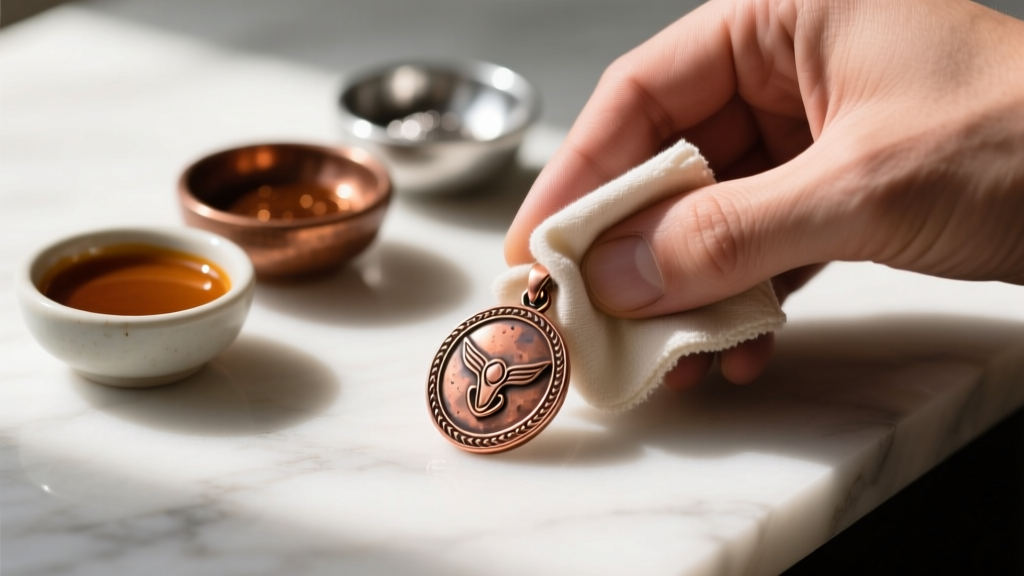
2. Polishing Sterling Silver Accents
If your replica features a sterling silver chain or silver wire-wrapping, utilize an electrochemical reduction method to remove silver sulfide without abrasion. Line a glass bowl with aluminum foil (shiny side up). Place the silver chain inside, ensuring it touches the foil. Pour boiling water over the chain, followed by two tablespoons of baking soda per cup of water. The resulting ion exchange transfers the sulfur from the silver to the aluminum. CRITICAL WARNING: Never use this method if the chain is still attached to a turquoise or howlite pendant. The boiling water and alkaline solution will fracture and permanently cloud porous stones. Always detach the chain first.
3. Caring for Porous Cabochon Stones
To clean the turquoise or howlite cabochon at the center of your Tilly Jackson-inspired piece, use only a slightly damp, lint-free cloth. The Gemological Institute of America (GIA) strictly advises against using ultrasonic cleaners, steamers, or any commercial jewelry dips on turquoise, as the stone's porosity will absorb the chemicals, altering its color matrix permanently.
Maintenance of Leather Cords and Woven Threads
Many Western replicas suspend the pendant from a braided leather cord or waxed cotton thread. Leather is a skin that requires hydration, but over-conditioning will cause it to rot or stretch and snap under the weight of a heavy brass pendant.
Every six months, apply a single drop of pure neatsfoot oil or a specialized leather conditioner (like Bick 4, which won't darken the leather) to a cloth and rub it into the cord. Avoid petroleum-based oils or mink oil, which can degrade the cotton stitching used to secure the metal clasp. If your necklace uses a waxed cotton thread, simply wipe it down with a dry, soft-bristled brush to remove dead skin cells and dust; applying oils to waxed cotton will break down the water-resistant wax coating.
Storage Solutions to Prevent 1899-Style Tarnish
How you store your necklace when you aren't riding the frontier is just as important as how you clean it. Leaving brass and silver exposed to ambient humidity guarantees a rapid return of tarnish.
| Material | Primary Tarnish Trigger | Ideal Cleaning Agent | Storage Requirement |
|---|---|---|---|
| Raw Brass / Copper | Moisture & Skin Acids | Vinegar/Salt Paste | Airtight bag with silica gel |
| 925 Sterling Silver | Airborne Hydrogen Sulfide | Aluminum Foil / Baking Soda | Anti-tarnish cloth pouch |
| Turquoise / Howlite | Oils, Cosmetics, Acids | Damp Microfiber Cloth Only | Soft, separate compartment |
| Leather Cord | UV Light & Extreme Dryness | Neatsfoot Oil (Sparingly) | Flat, away from direct sunlight |
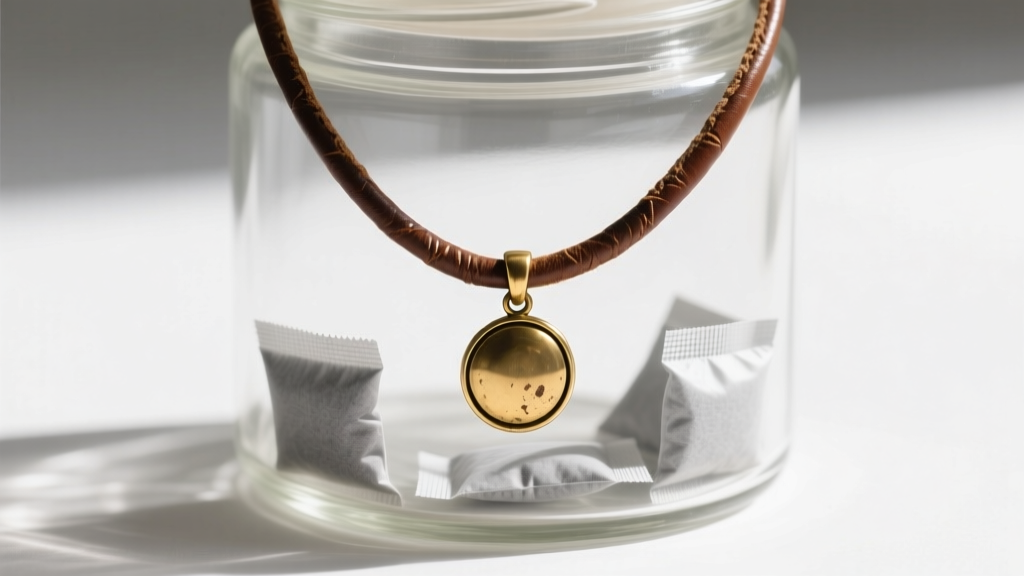
For ultimate protection, store your necklace in an airtight glass jar or a heavy-duty Ziploc bag. Include a 3M anti-tarnish strip and a small silica gel desiccant packet. This creates a micro-climate that halts the oxidation process entirely, preserving the specific "worn but cared for" aesthetic that defines the best Western replicas.
Troubleshooting Common Damage in Replica Pendants
Even with meticulous care, replica jewelry worn daily can suffer structural and cosmetic issues. Here is how to troubleshoot the most common problems:
Dealing with Verdigris (Green Crust)
If you notice a powdery green crust forming in the crevices of your brass pendant, this is verdigris (copper acetate), a form of active bronze disease caused by contact with chlorides and moisture. Do not scrape it with metal tools, as you will scratch the alloy. Dip a wooden toothpick or a stiff-bristled fiberglass scratch brush into white vinegar and gently agitate the crust. Neutralize the area immediately with a baking soda and water paste, then rinse and dry thoroughly.
Re-seating a Loose Cabochon
The bezel settings on mass-produced replicas are often glued rather than mechanically crimped. If your turquoise stone begins to rattle or shift, do not use super glue (cyanoacrylate). Super glue cures brittle and will shatter under the impact of a swinging pendant, leaving a white, chalky residue on your stone. Instead, use a flexible jeweler's adhesive like E6000 or a two-part clear epoxy. Apply a microscopic bead to the bezel shelf, seat the stone, and use painter's tape to hold it firmly in place for 24 hours while the adhesive cures.
Preventing the "Green Skin" Effect
Copper and brass react with the fatty acids in your sweat to create copper salts, which stain the skin green. This is not toxic, but it is unsightly. To prevent this without altering the antique look of the metal, coat the back of the pendant and the inside of the bail with a thin layer of microcrystalline wax (such as Renaissance Wax) or a specialized jewelry shield spray. Reapply the wax every few months to maintain an invisible, protective barrier between the alloy and your skin.
By understanding the specific metallurgical and gemological properties of your necklace for Tilly RDR2 replicas, you can ensure that your piece remains a timeless tribute to the 1899 frontier, rather than a degraded piece of costume jewelry. Proper care bridges the gap between a simple game prop and a cherished, wearable piece of Western art.


