Juicy Couture Crown Necklaces: Material & Alloy Guide
Analyze the base metals, plating thickness, and rhinestone grades of Juicy Couture crown necklaces to ensure longevity and avoid irritation.

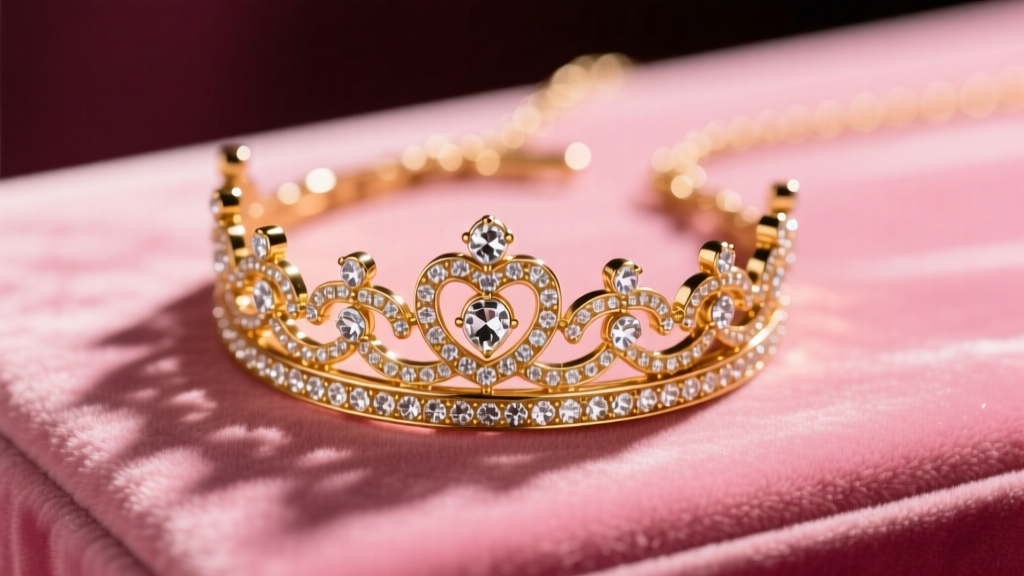
The Anatomy of a Juicy Couture Crown Pendant
When evaluating vintage and modern Juicy Couture crown necklaces, understanding the underlying metallurgy is essential for both collectors and daily wearers. The iconic JC crown motif is heavily reliant on specific casting alloys to achieve its intricate, three-dimensional filigree and structural integrity. Unlike fine jewelry cast in solid 14k or 18k gold, these fashion-forward pieces utilize base metals that are subsequently electroplated.
Zamak vs. Brass: The Base Metal Debate
The majority of early 2000s Juicy Couture crown pendants were cast using either brass or Zamak. Brass (an alloy of copper and zinc) offers superior malleability, allowing for sharper detail in the crown's jewels and arches. It also accepts gold and silver electroplating more evenly. Zamak, an alloy of zinc, aluminum, magnesium, and copper, is heavier and more brittle. While Zamak provides a satisfying, premium weight to the pendant, it is prone to micro-fractures if dropped on hard surfaces, which can cause the overlying plating to flake.
| Property | Brass Alloy | Zamak (Zinc Alloy) |
|---|---|---|
| Weight | Moderate | Heavy / Dense |
| Detail Resolution | High (Crisp edges) | Moderate (Slightly rounded edges) |
| Plating Adhesion | Excellent | Good (Requires copper strike first) |
| Failure Mode | Bending / Warping | Shattering / Micro-fractures |
Plating Properties: Flash vs. Micron Thickness
The brilliant gold and silver finishes on Juicy Couture crown necklaces are achieved through electroplating. However, not all plating is created equal. The longevity of the necklace depends entirely on the plating thickness and the presence of a barrier layer.
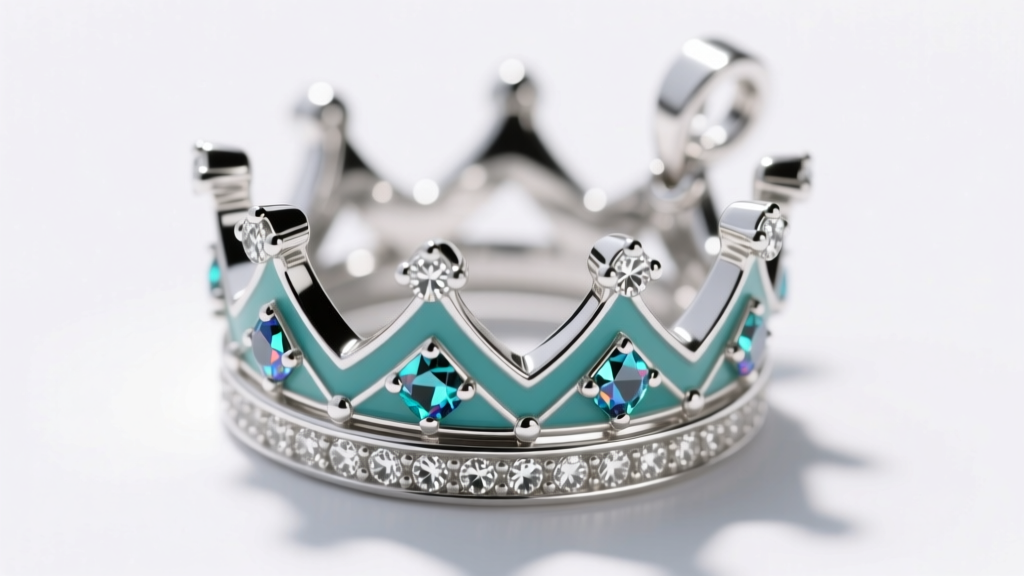
The Critical Role of the Barrier Layer
High-quality fashion jewelry utilizes a barrier layer—typically palladium or a high-grade nickel alloy—between the base metal and the final gold or rhodium plating. This layer prevents the base metals from migrating to the surface and causing discoloration. More importantly, it addresses the issue of contact dermatitis. According to the Mayo Clinic, nickel allergy is a leading cause of allergic contact dermatitis. While older 2000s pieces may contain nickel in the barrier layer, modern manufacturing adheres to stricter EU REACH regulations, limiting nickel release to safe thresholds.
- Flash Plating (<0.1 microns): Found in budget or mass-market later runs. Wears off within weeks of daily friction, exposing the base metal.
- Standard Plating (0.5 - 1.0 microns): Standard for premium Juicy Couture lines. Lasts 1-3 years with proper care before requiring re-plating.
- E-Coating (Electrophoretic Deposition): A modern clear nano-ceramic topcoat applied over the metal to prevent oxidation and tarnish, vastly extending the life of the silver-tone finishes.
Rhinestone and Enamel Material Breakdown
The signature sparkle of the JC crown comes from its pavé crystal settings and vibrant enamel accents. Understanding the difference between glass simulants and acrylics will dictate how you clean and store the piece.
Glass Rhinestones vs. Acrylic Crystals
Premium Juicy Couture crown necklaces utilize machine-cut glass rhinestones, often sourced from renowned manufacturers like Swarovski or Preciosa during the brand's peak. Glass has a higher refractive index than acrylic, providing the sharp, rainbow-like light dispersion (fire) that defines the Y2K aesthetic. The GIA Gem Encyclopedia notes that glass simulants rely heavily on their foil backings to maximize brilliance. Acrylic crystals, used in lighter or more affordable iterations, are prone to micro-scratches from everyday dust (which contains quartz) and will cloud permanently over time.
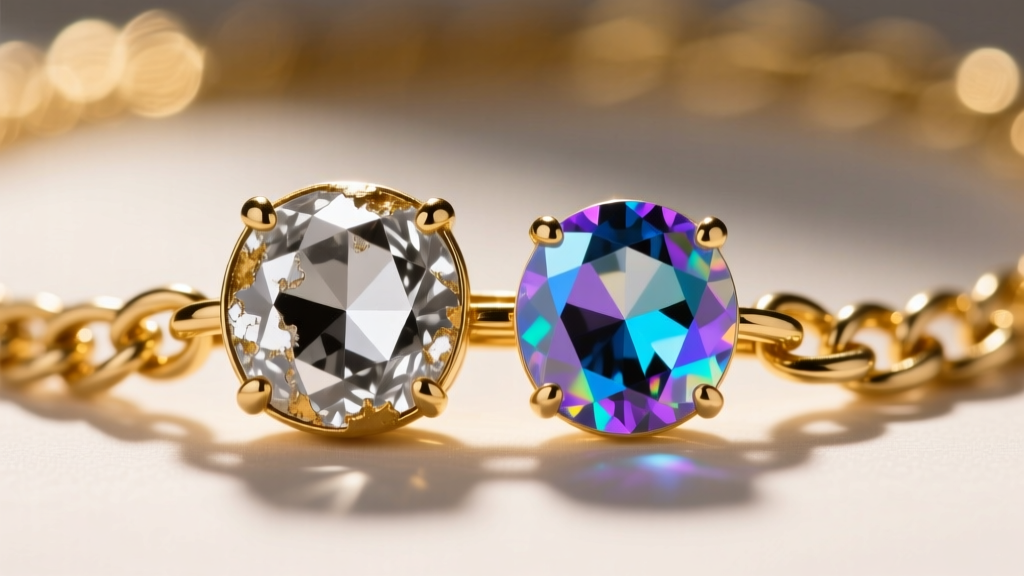
The Foil Backing Failure Mode
The most common failure mode in vintage crown necklaces is the 'black stone' effect. This occurs when moisture, perfume, or sweat breaches the prong setting and oxidizes the silver or aurora borealis foil glued to the back of the glass rhinestone. Once the foil degrades, the stone loses its reflectivity and turns opaque black. This damage is irreversible without completely unsetting the stone, removing the degraded foil, and re-foiling it—a process that often costs more than the necklace itself.
Cold Enamel Application
The vibrant pinks, blues, and reds filling the crown's crevices are not vitreous enamel (which requires firing at 1400°F). Instead, they utilize cold enamel, an epoxy-based resin. While cold enamel is highly durable against chipping, it is highly susceptible to UV degradation and chemical solvents. Prolonged exposure to direct sunlight will cause pink and red resins to yellow or fade, while alcohol-based cleaners will dissolve the resin's glossy top layer, leaving it matte and tacky.
Chain Metallurgy and Clasp Mechanics
The pendant is only half the equation; the chain and clasp dictate the necklace's security and drape. Juicy Couture typically pairs its crown pendants with standard cable chains or slightly heavier curb chains.
Pro Tip: Always inspect the jump ring connecting the crown pendant to the chain. In many mass-produced fashion pieces, the jump ring is not soldered shut. The weight of a heavy Zamak crown pendant can easily pull an unsoldered jump ring apart, resulting in the loss of the pendant.
The chains themselves are usually brass or stainless steel with a matching electroplated finish. Stainless steel chains are vastly superior for longevity, as they will not snap under the weight of a heavy pendant and are immune to the 'green skin' oxidation that plagues copper-heavy brass chains when exposed to human sebum and oxygen.
Care, Tarnish Prevention, and Allergy Mitigation
To preserve the material integrity of your Juicy Couture crown necklaces, you must adopt a strict maintenance protocol tailored to fashion jewelry metallurgy.
Actionable Preservation Steps
- The 'Last On, First Off' Rule: Always apply perfumes, hairsprays, and lotions at least 15 minutes before putting on the necklace. The alcohol and volatile organic compounds (VOCs) in cosmetics will strip the gold plating and cloud the cold enamel.
- Microfiber Polishing: Never use liquid silver dips or abrasive jewelry polishing cloths (which contain harsh rouge compounds). These will strip the 0.5-micron gold plating down to the base metal in seconds. Use only a clean, dry microfiber cloth to wipe away skin oils after wearing.
- Silica Gel Storage: Store the necklace in an airtight ziplock bag with a fresh silica gel packet. Controlling the ambient humidity prevents the oxidation of the rhinestone foil backings and slows the tarnishing of silver-tone plating.
- Clear Nail Polish Hack (For Allergies): If you have a nickel sensitivity and own a vintage piece that irritates your skin, apply a thin layer of clear polyurethane nail polish to the back of the pendant where it rests against your chest. This creates a temporary, physical barrier against nickel leaching.
By understanding the specific alloys, plating depths, and simulant grades used in these iconic pieces, you can accurately assess the quality of a Juicy Couture crown necklace, whether you are hunting for a pristine vintage archive piece or evaluating a modern reissue.


