How to Choose a Necklace for Miscarriage: A Memorial Guide
Learn how to choose a necklace for miscarriage memorials. Our step-by-step guide covers metals, birthstones, engravings, and sensitive gifting etiquette.

Navigating Grief Through Meaningful Jewelry
Experiencing pregnancy loss is a profoundly isolating and heartbreaking event. According to the March of Dimes, up to 20% of recognized pregnancies end in miscarriage, yet the physical and emotional aftermath is rarely discussed openly. For many parents, a memorial piece of jewelry serves as a tangible anchor for their grief and a quiet, beautiful acknowledgment of a life that mattered. Choosing a necklace for miscarriage is not a standard jewelry shopping experience; it requires deep empathy, an understanding of sensory sensitivities during grief, and a focus on enduring materials. This step-by-step guide will help you select, design, or commission a memorial necklace that honors your baby with grace, durability, and profound meaning.
Step 1: Selecting the Right Metal for Daily Comfort
When you are grieving, your sensory baseline is often overwhelmed. The last thing you need is a necklace that tarnishes, turns your skin green, or requires high-maintenance polishing. The metal you choose should be a permanent, low-maintenance comfort.
Why You Should Avoid Plated Metals
Gold-plated or gold-vermeil necklaces eventually wear down to their base metal (often brass or copper). Watching a memorial necklace fade or tarnish can inadvertently trigger feelings of losing the memory all over again. Always opt for solid metals.
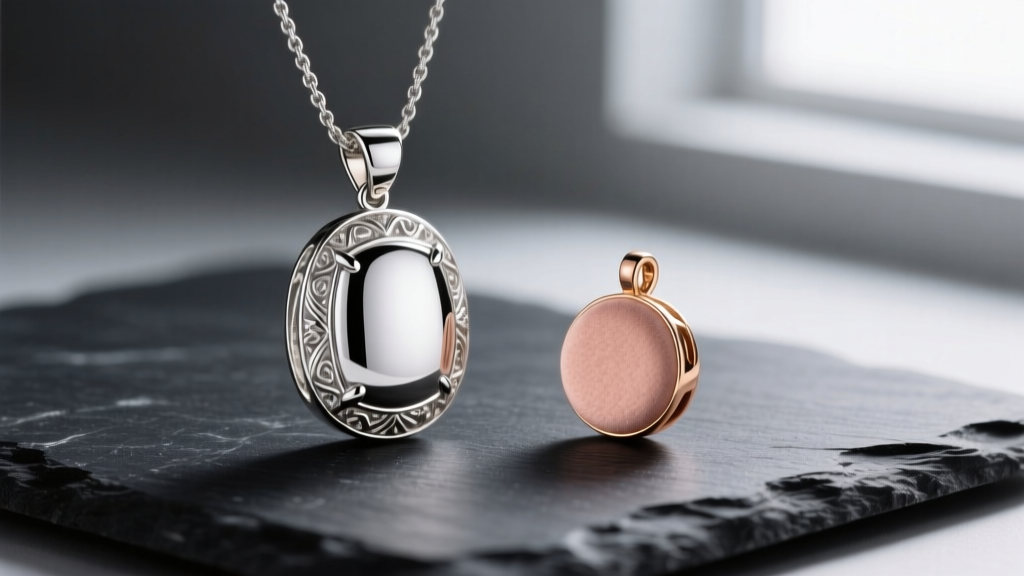
- 14k or 18k Solid Gold: The gold standard for memorial jewelry. 14k gold is slightly more durable and scratch-resistant, making it ideal for everyday wear. 18k gold offers a richer, warmer hue but is softer. Yellow gold represents warmth and eternal love, while rose gold is often chosen for its gentle, nurturing blush tone.
- 950 Platinum: Platinum is naturally white, hypoallergenic, and incredibly dense. It does not tarnish and develops a soft patina over time that many find comforting. However, it is heavy and significantly more expensive (often starting at $800+ for simple pendants).
- Sterling Silver (with caveats): While affordable, sterling silver oxidizes and requires regular polishing. If you choose silver, ensure it has a thick rhodium plating to delay tarnishing, or be prepared for the upkeep.
Step 2: Choosing Meaningful Charms and Pendants
The pendant is the focal point of your memorial necklace. The symbolism should resonate deeply with your personal journey. Below is a framework of common memorial symbols and their ideal metal pairings to help you decide.
| Symbol | Meaning & Resonance | Best Metal Pairing |
|---|---|---|
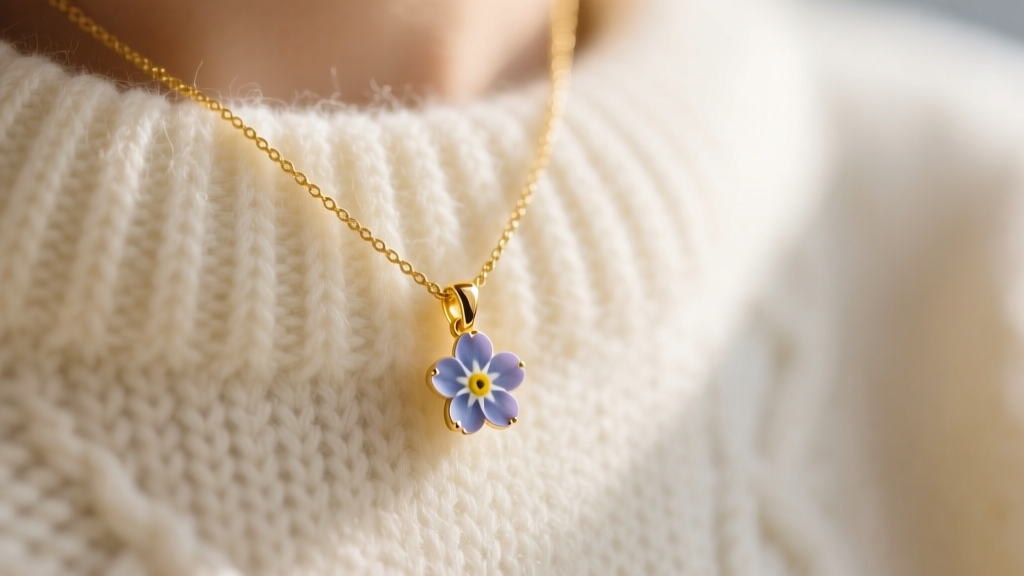
| Forget-Me-Not Flower | Enduring memory, faithful love, and a promise never to forget. | 14k Yellow Gold with enamel accents |
| Empty Swing or Chair | Acknowledges the physical absence while honoring the space they held. | Sterling Silver or Platinum |
| Soundwave or ECG Line | A literal transcription of an ultrasound heartbeat or a parent's spoken message. | 18k White Gold (for sharp contrast) |
| Bare Tree of Life | Represents deep roots and the quiet waiting for spring; resilience in winter. | 14k Rose Gold |
| Angel Wing or Feather | Spiritual protection, lightness, and the belief in a continued soul journey. | Platinum or White Gold |
Step 3: Incorporating Birthstones and Gemstones
Adding a gemstone is a beautiful way to represent the month your baby was conceived, the month they were lost, or their expected due date. However, not all gemstones are suited for the emotional and physical realities of daily grief wear. You must consider the Mohs scale of mineral hardness to ensure the stone survives daily life.
Durability Guidelines for Memorial Stones
According to the Gemological Institute of America (GIA), stones with a Mohs rating below 7 are highly susceptible to scratching and chipping from accidental bumps against countertops or steering wheels.
- Avoid Pearls (Mohs 2.5) and Opals (Mohs 5.5-6.5): While traditional for memorials, they are porous and easily damaged by tears, sweat, and lotions. They require meticulous care that a grieving parent may not have the bandwidth for.
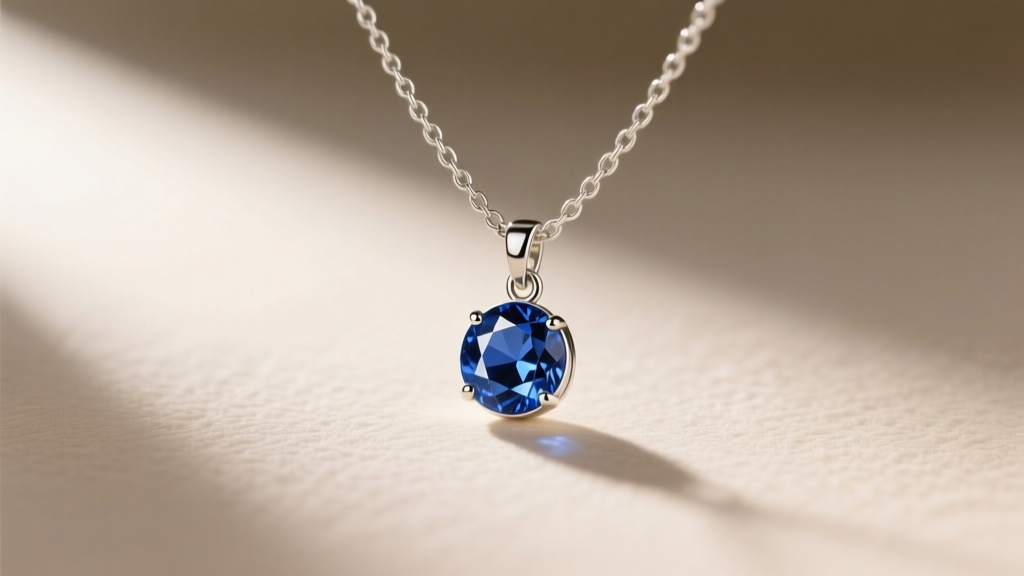
- Choose Sapphires (Mohs 9) or Rubies (Mohs 9): These corundum gems are exceptionally durable. A tiny, bezel-set blue sapphire (representing September, or simply a calming blue) will withstand a lifetime of daily wear without scratching.
- Consider Diamonds (Mohs 10): The ultimate symbol of permanence. A small, single-cut diamond can represent a "tiny but brilliant" light.
Step 4: Deciding on Engraving and Personalization
Engraving transforms a beautiful necklace into an irreplaceable heirloom. When designing a necklace for miscarriage, the placement and technique of the engraving are crucial.
Laser vs. Hand Engraving
If you want to engrave a complex image—such as an actual ultrasound photo, a fingerprint, or a precise ECG heartbeat line—laser engraving is mandatory. Lasers can burn microscopic details into the reverse side of a solid gold or platinum disc pendant. For short text (like a name, a due date, or the word "Always"), hand engraving by a master artisan offers a deeply personal, slightly imperfect human touch that many find emotionally resonant.
"The most powerful memorial engravings are often hidden. Consider engraving the inside of a locket or the back of a solid disc so the meaning remains entirely private to the wearer."
Step 5: Sizing the Chain for Sensory Comfort
Grief can make the body feel heavy, and restrictive clothing or jewelry can trigger sensory overload. The chain you select must be physically comforting and easy to manage.
Chain Styles and Lengths
Avoid snake chains or herringbone chains at all costs. These styles are notorious for kinking, catching on fine fabrics, and pulling chest hair or delicate skin, which can cause sudden moments of physical frustration. Instead, opt for a box chain or a cable chain. These lay flat, slide smoothly against the skin, and are highly resistant to tangling.
- 16 Inches (Choker/Collarbone): Keeps the pendant close to the throat. Best for smaller, lightweight charms.
- 18 Inches (Standard Chest): The most universally comforting length. It rests gently on the upper chest, allowing the wearer to reach up and hold the pendant easily without hunching.
- 20+ Inches: Generally not recommended for memorial pendants, as the pendant may swing too far from the body and feel disconnected.
The Importance of the Clasp
During periods of acute grief, fine motor skills can suffer due to brain fog, fatigue, or trembling hands. Standard spring-ring clasps are notoriously difficult to fasten alone. Upgrade your necklace with a large lobster clasp or a high-quality magnetic neodymium clasp. Magnetic clasps snap together effortlessly, allowing the wearer to put on their memorial piece independently, even on the hardest days.
Gifting Etiquette: Presenting a Memorial Necklace
If you are purchasing this necklace for a partner, friend, or family member, the way you present it is just as important as the piece itself.
- Timing is Everything: Avoid gifting the necklace on the baby's original due date or major holidays, as these days are already emotionally volatile. Choose a quiet, unassuming day, or the anniversary of the loss if the recipient has expressed a desire to commemorate it.
- Include a Handwritten Letter: Say the baby's name (if they had one). Acknowledge the loss explicitly. Do not use platitudes like "everything happens for a reason." Instead, write: "I know this necklace cannot fill the space they left, but I hope it reminds you that their life mattered, and you are not alone."
- Offer an Exchange Gracefully: Grief is highly personal. Let them know that if the symbol or metal doesn't feel right, they can exchange it with the jeweler without any guilt or hurt feelings.
Choosing a necklace for miscarriage is an act of profound love and validation. By prioritizing enduring metals, sensory-friendly chains, and deeply personal symbolism, you create more than just an accessory—you forge a lasting, wearable sanctuary for a parent's enduring love.


