How to Style and Choose the Perfect Chrysanthemum Necklace
Discover the meaning, best metals, and styling tips for a chrysanthemum necklace. Learn how to choose, layer, and care for this floral motif.

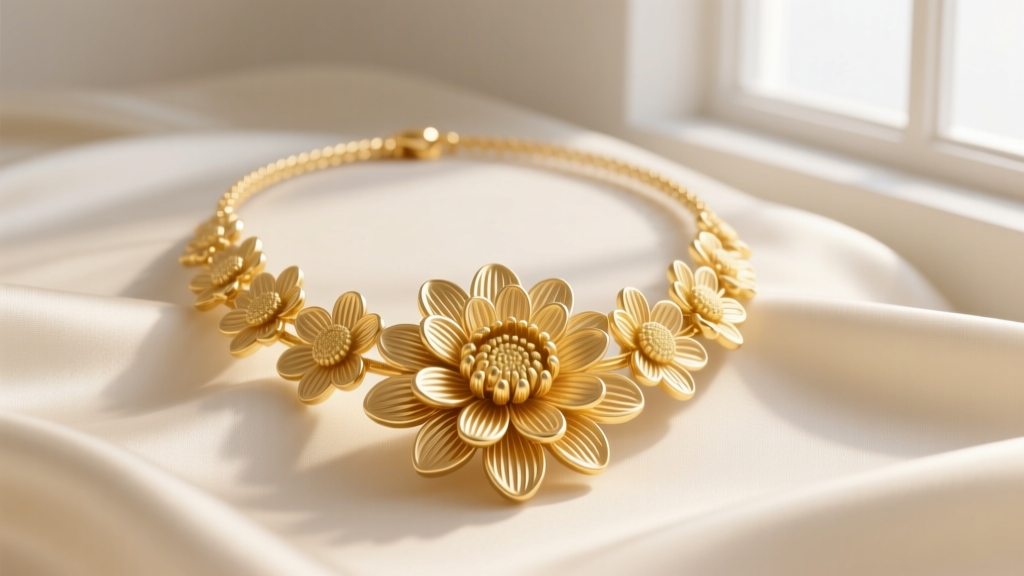
Floral jewelry has long been a staple in luxury and everyday accessories, but few motifs carry the intricate geometry and deep cultural resonance of the chrysanthemum. For beginners stepping into the world of botanical jewelry, a chrysanthemum necklace offers a perfect blend of vintage elegance and modern versatility. Unlike simpler floral designs like daisies or roses, the chrysanthemum features dense, radiating petals that require exceptional craftsmanship to render in metal. Whether you are drawn to its rich symbolism or its striking visual texture, understanding how to select, style, and care for this specific pendant is essential for building a timeless jewelry wardrobe.
The Symbolism Behind the Chrysanthemum Motif
Before investing in fine jewelry, it helps to understand the heritage of the design. The chrysanthemum is not merely a decorative flower; it is a powerful cultural emblem. In Japan, the kiku (chrysanthemum) is the Imperial Seal, representing longevity, rejuvenation, and nobility. According to Encyclopædia Britannica, the flower has been cultivated in Asia for thousands of years, often associated with autumn and the enduring beauty of nature. In Chinese culture, it is one of the 'Four Gentlemen' of botany, symbolizing scholarly refinement and the ability to withstand the harshness of late autumn. When you wear a chrysanthemum necklace, you are wearing a symbol of resilience and enduring joy, making it a deeply meaningful gift or personal talisman.
Decoding Materials: Which Metal Suits Your Skin and Style?
The radiating petals of a chrysanthemum pendant catch the light beautifully, but the metal you choose will dictate the piece's longevity, maintenance, and price. Beginners often make the mistake of prioritizing color over metallurgy. Here is a breakdown of the most common metals used for this specific floral motif.
| Metal Type | Best For | Tarnish Risk | Average Price Range |
|---|---|---|---|
| 14k Solid Gold | Everyday wear, heirlooms | None | $250 - $800+ |
| Gold Vermeil (over 925) | Budget-conscious luxury | Low (if >2.5 microns) | $80 - $180 |
| Argentium Silver | High-shine, low maintenance | Very Low | $60 - $150 |
| Oxidized Sterling Silver | Highlighting petal depth | Moderate (intentional) | $50 - $120 |
Expert Tip: If you choose gold vermeil, ensure the brand specifies a gold thickness of at least 2.5 microns. Anything less is considered 'gold plated' and will quickly wear off the high-friction edges of the chrysanthemum petals, revealing the base metal beneath.
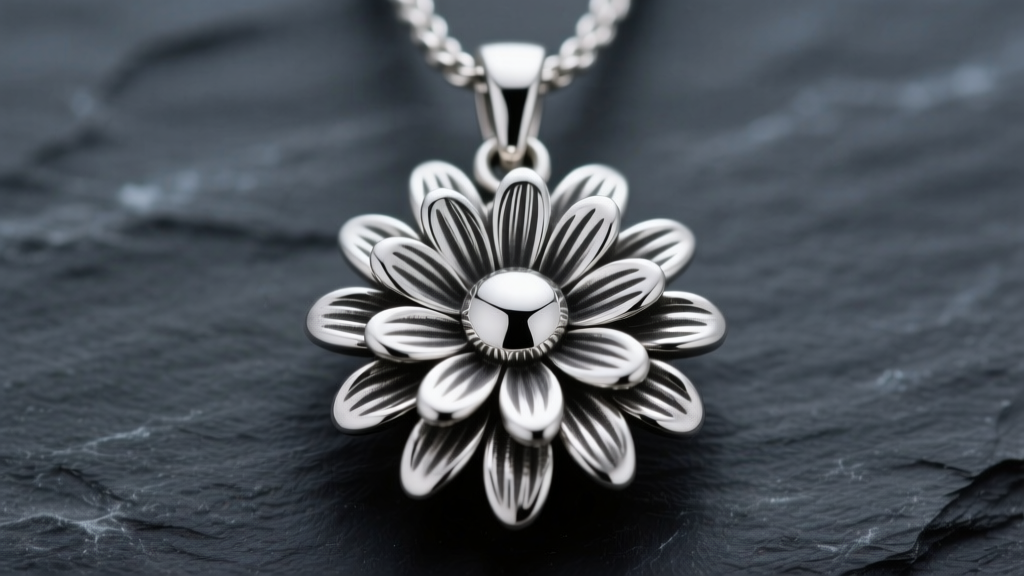
The Centerpiece: Enamel vs. Gemstones
Many chrysanthemum necklaces feature a contrasting center to break up the dense metal petals. You will typically encounter two types:
- Guilloché Enamel: This is a vintage technique where translucent glass enamel is fired over an engraved metal base. It creates a luminous, rippling effect in the flower's center. It is highly durable but can chip if dropped on hard tile.
- Cabochon Gemstones: A smooth, polished dome (often moonstone, black onyx, or turquoise) set in the center. Ensure the setting is a bezel or half-bezel; prong settings can easily snag on the intricate inner petals of the chrysanthemum design.
Chain Pairings and Bail Mechanics
The structural complexity of a chrysanthemum pendant dictates the type of chain it requires. Because the outer petals often feature sharp or tapered points, certain chains will cause excessive friction, leading to premature wear on both the chain and the pendant bail (the loop that connects them).
Chains to Avoid: Box chains and herringbone chains. The rigid, geometric links of a box chain can act like a tiny file against the soft gold or silver of the pendant bail. Herringbone chains are notoriously fragile and prone to kinking when paired with heavy, wide floral pendants.
Chains to Choose: Opt for a 1.2mm to 1.5mm Wheat (Spiga) chain or a smooth Rope chain. These links are woven, flexible, and lack sharp edges, allowing the chrysanthemum pendant to lay flat against the collarbone without catching. For a modern, minimalist look, a 1.0mm rounded cable chain works well for smaller (12mm-15mm) pendants.
The Neckline Matrix for Floral Pendants
Styling a chrysanthemum necklace requires balancing its visual weight. The dense petal structure makes it a 'heavy' piece visually, even if it is physically lightweight. Use this framework to pair your necklace with your wardrobe:
- The V-Neck & Wrap Dress: The natural downward point of a V-neck mimics the geometry of a pendant. A 16-inch chrysanthemum necklace sits perfectly in the negative space, drawing the eye upward toward the face.
- The Turtleneck & High Collar: This is where larger, statement-sized chrysanthemum pendants (30mm+) thrive. The solid block of fabric acts as a canvas, allowing the intricate metalwork to pop. Pair a long (24-inch) oxidized silver chrysanthemum with a charcoal or forest green turtleneck for a striking autumn aesthetic.
- The Scoop Neck & Crew Neck: Stick to delicate, petite chrysanthemum charms (under 15mm) on a 14-inch choker-length chain. Larger pendants will clash with the rounded hem of the shirt, creating a cluttered silhouette.

Care and Maintenance: Preventing Petal Tarnish
The very detail that makes a chrysanthemum necklace beautiful—the deep grooves between the dozens of petals—makes it a magnet for dust, skin oils, and lotion buildup. Improper cleaning can ruin the piece. According to the Gemological Institute of America (GIA), gentle, non-abrasive cleaning is paramount for intricate jewelry.
Never use an ultrasonic cleaner on a chrysanthemum necklace if it features cold enamel, glued gemstones, or intentional oxidation. The high-frequency vibrations can shatter resin enamel and strip the dark patina from the petal grooves, leaving the piece looking flat and one-dimensional.
The 3-Step Cleaning Method
- Soak: Mix a few drops of mild, phosphate-free dish soap into a bowl of lukewarm water. Let the necklace soak for 5 to 10 minutes to loosen trapped oils.
- Agitate: Use a soft, clean horsehair makeup brush or a baby toothbrush with ultra-soft bristles. Gently sweep the bristles along the grain of the petals, moving from the center outward to push debris out of the crevices.
- Dry: Rinse under a gentle stream of lukewarm water. Do not air dry, as water spots will cling to the textured metal. Instead, pat dry with a microfiber cloth and use a hairdryer on the 'cool' setting to blow water out of the deep petal grooves.
Final Thoughts on Building Your Collection
A chrysanthemum necklace is more than just a seasonal accessory; it is a masterclass in jewelry craftsmanship and cultural history. By prioritizing high-quality metallurgy like solid 14k gold or Argentium silver, selecting the correct woven chain to protect the bail, and adhering to gentle cleaning protocols, your floral pendant will remain a vibrant, meaningful staple in your collection for decades. Whether you choose a minimalist 16-petal Japanese kiku design or a lush, multi-layered vintage reproduction, you are investing in a piece of wearable art that transcends fleeting trends.


