How to Choose the Best Clasp for Necklaces: Security & Style
Discover how to choose the right clasp for necklaces based on chain weight, security needs, and material grades in our expert buying guide.

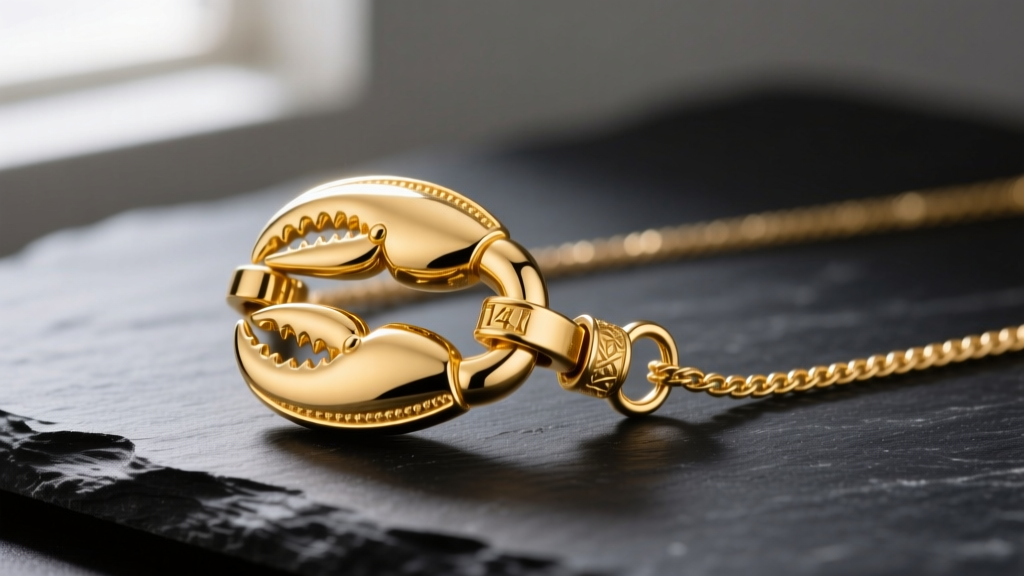
The Hidden Hero of Necklace Security
When investing in fine jewelry, buyers typically hyper-focus on the carat weight of a diamond pendant or the link structure of a gold chain. Yet, the most critical component for the physical survival of your necklace is often the smallest: the clasp. A poorly engineered clasp for necklaces is the leading cause of lost pendants and broken chains. According to repair data from Jewelers of America, clasp failure accounts for nearly 40% of all necklace repair bench jobs. Choosing the correct hardware is not just an aesthetic afterthought; it is a structural necessity. This guide breaks down the mechanical engineering, material science, and weight-bearing limits of the most common necklace clasps, ensuring your jewelry stays exactly where it belongs.
Mechanical Anatomy: Why Cheap Clasps Fail
To understand how to evaluate a clasp, you must understand its internal anatomy. The most common failure point in any spring-loaded mechanism (like lobster claws and spring rings) is the internal tension wire. Here is a crucial industry secret that many retail buyers do not know: even if you purchase a solid 18k yellow gold lobster clasp, the internal spring wire is almost never made of gold. Gold is a malleable precious metal that lacks the "memory" (springback) required to repeatedly snap shut without permanently deforming. Therefore, high-end manufacturers use surgical-grade stainless steel or specialized base-metal alloys for the internal spring.
Failure occurs when manufacturers cut corners by using low-carbon steel springs that rust internally, or when the soldered joint on the jump ring (the loop the clasp hooks into) is left open rather than laser-welded shut. When evaluating a clasp for necklaces, always inspect the jump ring. If you can see a visible seam or gap in the wire loop, the clasp will eventually pull apart under the pendulum swing of a heavy pendant.
The 5 Most Reliable Clasp Types (and When to Use Them)
1. Lobster Claw Clasps
The lobster claw is the industry standard for medium-weight chains. Its teardrop shape provides a secure, self-closing grip. However, not all lobster claws are created equal. For chains weighing under 10 grams, a standard 10mm lobster claw is sufficient. For heavier chains or pendants (15g to 30g), you must upgrade to a 14mm or 16mm "heavy-duty" lobster claw. The larger surface area distributes the tensile stress across a thicker internal spring, preventing the trigger lever from bending backward under load.
2. Spring Ring Clasps
Spring rings are perfectly circular and rely on a tiny internal coil spring. They are highly economical and ideal for ultra-lightweight chains (under 5 grams), such as delicate 0.9mm cable or box chains. Their primary vulnerability is the tiny metal tab that slides back. If caught on a sweater, this tab can easily bend outward, rendering the clasp useless. They are not recommended for any necklace holding a valuable gemstone pendant.
3. Toggle Clasps
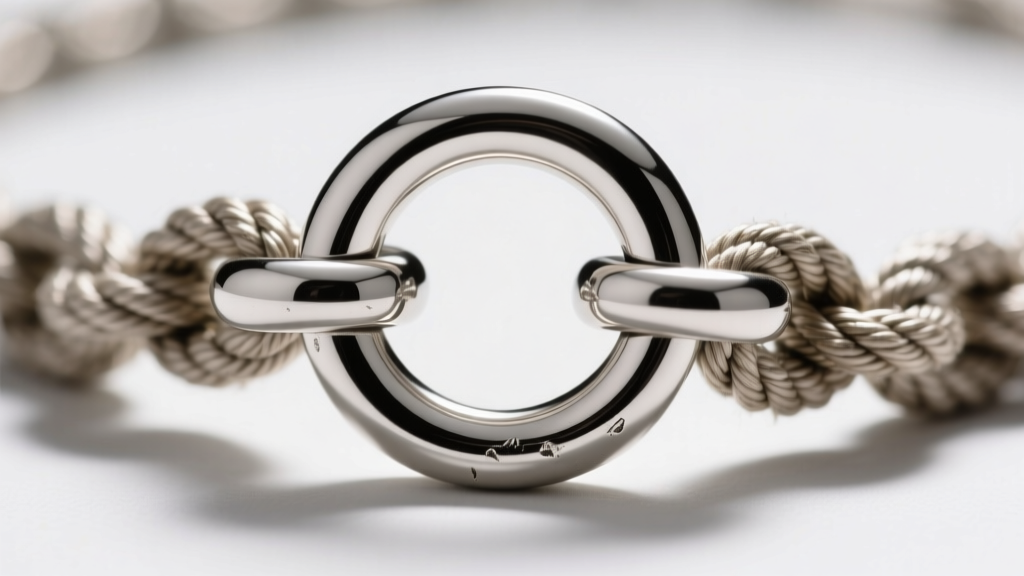
Toggle clasps consist of a T-bar that inserts through a circular O-ring. They are exceptionally secure for heavy, thick chains (like 5mm+ Cuban links or rope chains) because the weight of the chain itself pulls the T-bar flush against the O-ring, making it nearly impossible to slip out. The critical engineering rule for toggles: the T-bar must be at least 1.5 times the length of the O-ring's inner diameter. If the ratio is too close, a sudden jerk can fold the bar and pull it through the ring.
4. Box Clasps with Safety Catches
For multi-strand necklaces, pearl strands, or high-value tennis necklaces, the box clasp is the gold standard. A stamped metal "tongue" compresses and clicks into a hollow box. The true security, however, lies in the "figure-8 safety catch"—a secondary wire loop that snaps over a small bead on the outside of the box. If the primary tongue bends or slips, the safety catch prevents the necklace from separating. Always ensure the tongue is stamped from a sheet of metal, not cast; cast tongues are brittle and can snap under pressure.
5. Magnetic Clasps
Magnetic clasps are revolutionary for individuals with arthritis or limited manual dexterity. However, you must verify the magnet grade. Cheap clasps use weak ceramic magnets that will detach if the necklace is snagged. Look for clasps utilizing N52-grade Neodymium magnets, which offer immense tensile strength. High-end magnetic clasps also feature a secondary locking sleeve that slides over the magnetic joint for physical reinforcement.
Weight-to-Clasp Matching Matrix
Matching the clasp to the physical weight and link structure of your chain is vital. Use the following matrix as a baseline when purchasing or upgrading your hardware.
| Clasp Type | Ideal Chain Weight | Security Rating | Dexterity Friendly | Common Failure Mode |
|---|---|---|---|---|
| Spring Ring | Under 5g | Low | No | Sliding tab bends outward |
| Lobster Claw (Std) | 5g - 15g | Medium-High | No | Trigger lever fatigue |
| Lobster Claw (HD) | 15g - 35g | High | No | Jump ring pulling open |
| Toggle | 25g+ | Very High | Yes | Bar slipping (if poorly proportioned) |
| Box w/ Safety | Any (Multi-strand) | Maximum | Medium | Tongue metal fatigue |
| Magnetic (N52) | Under 20g | Medium | Yes | Magnet detachment from housing |
Material Grades and Hallmarks to Verify
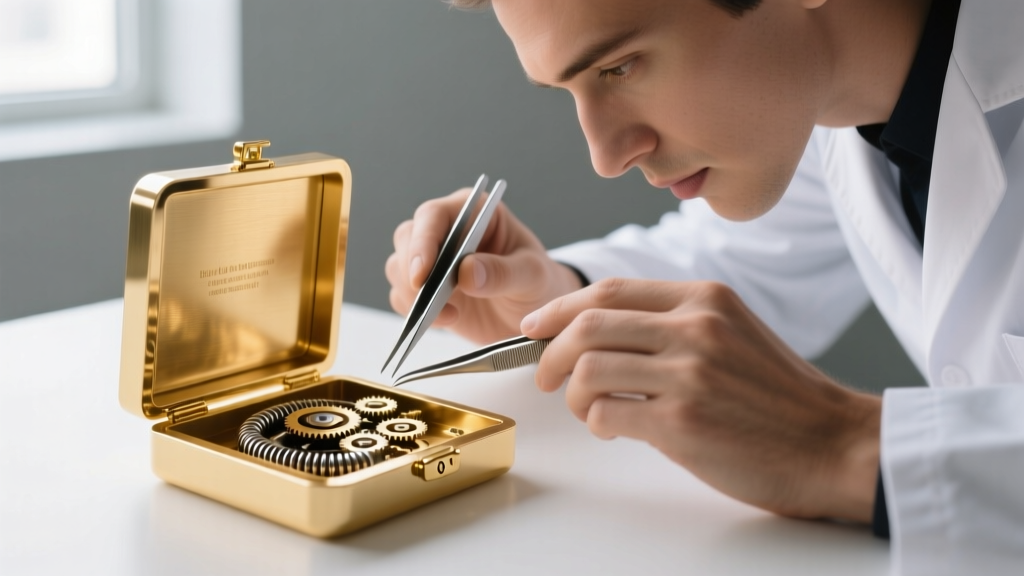
The metallurgy of your clasp dictates its longevity and skin compatibility. According to metallurgical guidelines referenced by the Gemological Institute of America (GIA), alloy composition heavily influences jewelry durability. When buying a clasp for necklaces, verify the following:
- Sterling Silver (925): Silver is prone to tarnishing, especially in the tight, oxygen-deprived crevices of a lobster claw mechanism. Look for silver clasps that are rhodium-plated to prevent the internal spring from seizing up due to silver sulfide buildup.
- 14k vs. 18k Gold: While 18k gold is highly prized for its rich color and purity, it is softer than 14k gold. For the external housing of a box clasp or the lever of a lobster claw, 14k gold actually offers superior structural rigidity and resistance to denting.
- Surgical Stainless Steel (316L): For fashion jewelry or heavy, industrial-style chains, 316L stainless steel clasps are virtually indestructible and highly resistant to corrosion. Ensure they are explicitly labeled "nickel-free" if you have contact dermatitis.
Troubleshooting Common Clasp Failures
Before replacing a malfunctioning clasp, diagnose the exact failure mode. If your lobster claw is not closing flush, it is rarely a broken spring. More often, microscopic debris (lint, skin cells, or lotion) has become impacted in the seam where the lever meets the body. A jeweler can easily clear this with an ultrasonic cleaner and a brass wire brush.
If the lever feels "mushy" and lacks tension, the internal stainless steel wire has suffered from metal fatigue and lost its temper. This cannot be repaired; the entire clasp must be cut off and a new one soldered in its place. For toggle clasps that feel loose, a jeweler can gently squeeze the O-ring into a slight oval shape using nylon-jaw pliers, which forces the T-bar to lock more securely without altering the metal's integrity.
Final Verdict: Upgrading Your Hardware
Never let a $50 piece of hardware compromise a $5,000 necklace. If you have purchased a fine chain or inherited a heavy pendant, take it to a reputable bench jeweler to have the factory-installed clasp evaluated. Upgrading to a heavy-duty lobster claw, a properly proportioned toggle, or a multi-safety box clasp is a minor investment that guarantees your jewelry remains secure, functional, and structurally sound for decades to come.


