Beginner's Guide to Buying a Key Necklace with Heart
Discover how to choose, style, and care for a key necklace with heart. Learn about metals, chain lengths, and symbolism in this beginner-friendly guide.

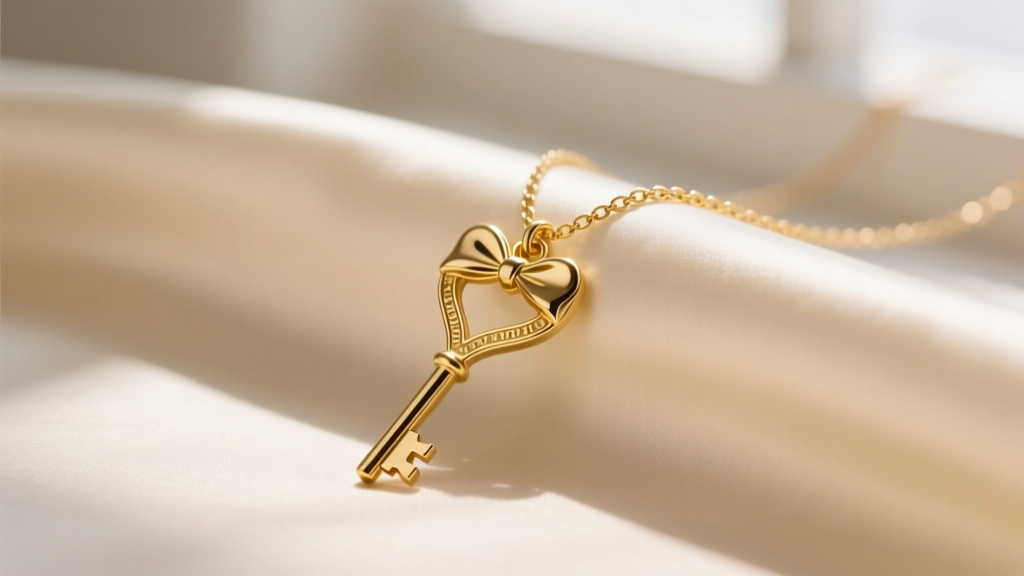
The Timeless Appeal of the Key and Heart Motif
When it comes to sentimental jewelry, few designs carry as much emotional weight and historical charm as the key necklace with heart. Whether you are purchasing your first fine jewelry piece, shopping for a meaningful gift, or exploring vintage-inspired aesthetics, this motif offers a perfect blend of romance and versatility. But with countless variations on the market—from minimalist modern interpretations to ornate Victorian replicas—how do you choose the right one? This beginner-friendly explainer will walk you through everything you need to know about metals, chain pairings, proportions, and long-term care.
Historical Roots and Modern Symbolism
The concept of the key pendant traces back to the Victorian era, where sentimental jewelry was a cornerstone of personal expression. According to the Victoria and Albert Museum, Victorian watch keys and symbolic charms were often worn on long Albert chains or guard chains. The heart and key combination specifically symbolizes entrusting someone with the 'key to your heart' or unlocking hidden potential and new beginnings. Today, this symbolism remains intact, making it a popular choice for anniversaries, 21st birthdays, and mother-daughter gifts.
Decoding Materials: Which Metal Should You Choose?
The longevity, skin compatibility, and price of your key necklace with heart depend entirely on the metal. Beginners often confuse gold-plated, gold vermeil, and solid gold. Here is a precise breakdown to help you make an informed investment.
| Metal Type | Composition | Average Price Range | Durability & Care |
|---|---|---|---|
| Sterling Silver (925) | 92.5% pure silver, 7.5% copper | $30 - $90 | Prone to tarnish; requires regular polishing with a microfiber cloth. |
| Gold Vermeil | Thick gold layer (min 2.5 microns) over 925 silver | $65 - $180 | Water-resistant but will wear over time; avoid harsh chemicals. |
| Gold Plated (Brass Base) | Thin gold flash (under 0.5 microns) over brass | $15 - $45 | Low durability; base metal will oxidize and cause green skin. |
| Solid 14k Gold | 58.5% pure gold alloyed with zinc/copper/silver | $250 - $650+ | Hypoallergenic, waterproof, and heirloom-quality; best for daily wear. |
For a beginner looking for a balance of quality and affordability, gold vermeil is the sweet spot. However, if you have a nickel allergy or sensitive skin, always opt for solid 14k gold or platinum, as recommended by dermatological guidelines for jewelry contact dermatitis.
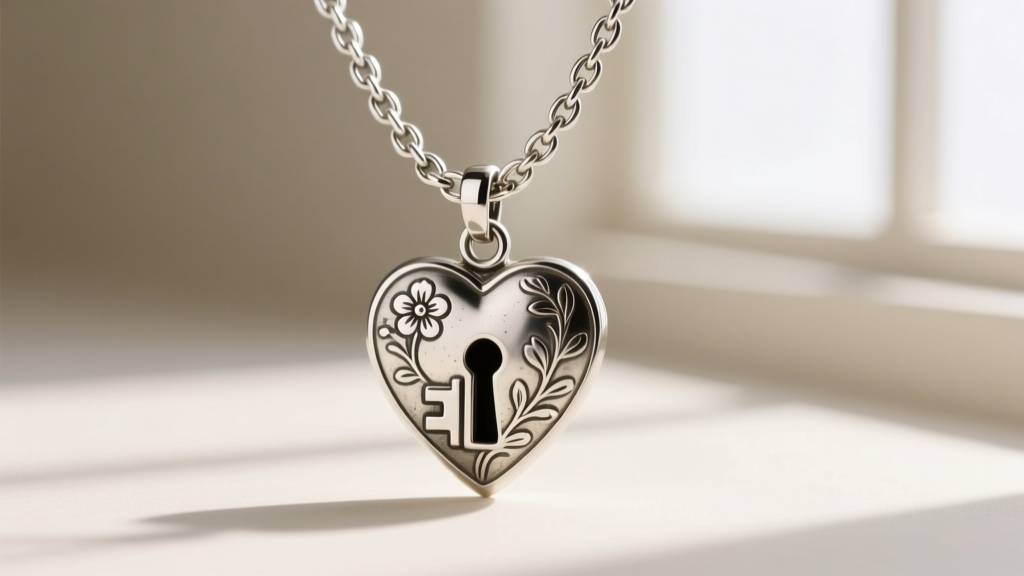
Chain Styles and Lengths That Elevate Your Charm
A heavy key pendant on a flimsy chain is a recipe for a broken necklace. The bail (the loop connecting the charm to the chain) and the chain's structural integrity must be matched correctly. The Gemological Institute of America (GIA) emphasizes that understanding metal alloys and chain links is crucial for jewelry longevity.
Best Chain Types for Key Pendants
- Box Chain (0.9mm - 1.5mm): The interlocking square links provide exceptional tensile strength, making it ideal for heavier vintage-style keys.
- Cable Chain (1.0mm - 1.2mm): A classic, uniform oval link that offers a delicate look while maintaining enough durability for lightweight, modern minimalist keys.
- Rope Chain (1.5mm+): Twisted links that catch the light beautifully, though they can snag on the intricate cutouts of a filigree heart key.
Finding the Perfect Length
The placement of the key necklace with heart changes the entire aesthetic of your outfit. An 18-inch chain is the industry standard for pendants, allowing the charm to rest perfectly in the hollow of the collarbone. If you prefer a choker-style look that sits higher on the neck, opt for 16 inches with a 2-inch extender. For layering over winter sweaters or deep V-necklines, a 20-inch or 22-inch chain allows the pendant to sit on the chest, acting as a focal point.
Sizing the Pendant: Proportions for Every Neckline
Not all key pendants are created equal. The dimensions of the charm should complement your frame and typical wardrobe choices.
Pro Tip: Measure the exact millimeter dimensions of a pendant before buying. A 'dainty' key is typically 12mm to 15mm in length, while a 'statement' key can range from 30mm to 50mm.
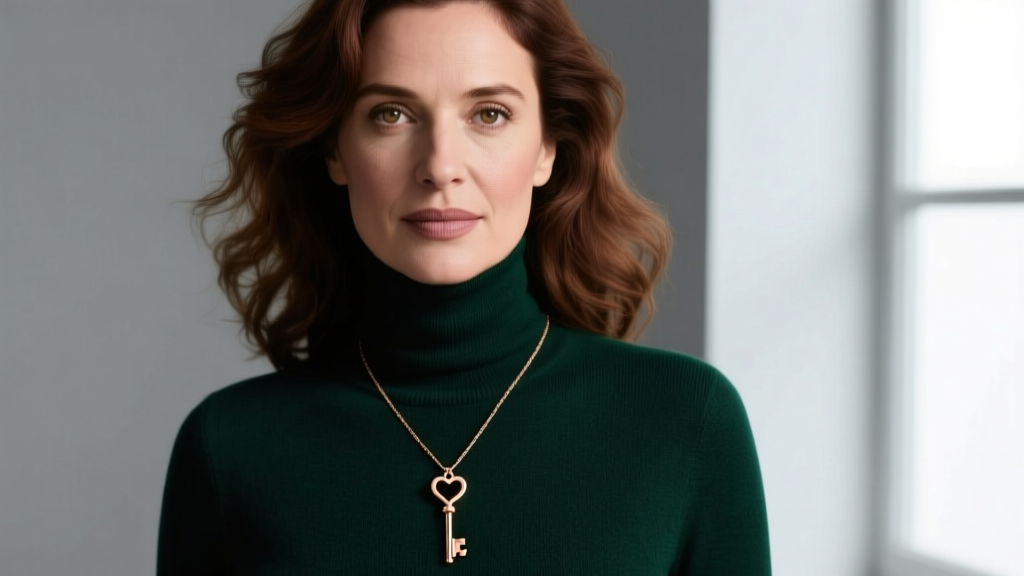
If you wear a lot of high-neck blouses, turtlenecks, or structured blazers, a larger, bolder key (around 35mm) will stand out against the fabric. Conversely, if your daily uniform consists of V-necks, scoop necks, or open collars, a dainty 15mm key necklace with heart will nestle beautifully into the neckline without overwhelming your frame. Consider the width of the heart bow as well; wider, horizontal heart bows draw the eye outward, which is incredibly flattering for those with longer, narrower faces, while elongated, vertical key shafts help balance rounder face shapes.
Care and Maintenance for Long-Lasting Shine
Because key necklaces often feature intricate cutouts (like the wards of the key or the cleft of the heart), they are magnets for dust, lotion, and skin oils. Follow this strict maintenance routine to keep your piece pristine:
- Daily Wipe-Down: Use a dry, lint-free microfiber cloth to gently wipe the pendant after wearing it to remove natural skin oils.
- Deep Cleaning (Solid Gold & Platinum Only): Mix a few drops of mild dish soap in lukewarm water. Use an extra-soft baby toothbrush to gently scrub the crevices of the heart and key teeth. Rinse and pat dry.
- Avoid Ultrasonic Cleaners: If your key necklace features micro-pavé diamonds or gemstones set into the heart, ultrasonic vibrations can loosen the prongs and cause stones to fall out.
- Storage: Store the necklace flat or hung on a jewelry stand. Tossing it into a drawer will cause the chain to wrap around the key's teeth, leading to frustrating tangles and potential link breakage.
Frequently Asked Questions
Can I wear my key necklace with heart in the shower?
Only if it is crafted from solid 14k/18k gold, platinum, or 316L stainless steel. Sterling silver will tarnish from hard water and soap scum, and gold vermeil will eventually lose its gold layer due to prolonged moisture and chemical exposure from shampoos.
What does it mean if the key is inserted into the heart?
Designs where the key physically slots into a heart-shaped locket or cutout are often called 'lover's keys' or 'promise keys.' They represent a deep romantic commitment, whereas a key simply resting alongside a heart charm is often interpreted more broadly as unlocking one's own potential or guarding personal secrets.
How do I fix a tangled chain around the key pendant?
Lay the necklace flat on a smooth surface. Apply a tiny drop of baby oil or olive oil directly to the knot where the chain wraps around the key bail. Use two sewing needles to gently tease the links apart. The oil reduces friction, allowing the metal to slide free without bending the links.


