2026 Gift Guide: Gifting a Turquoise and Red Coral Necklace
Discover the perfect turquoise and red coral necklace for every occasion in our 2026 gift guide. Expert tips on grading, styling, and authenticity.

The Enduring Allure of Earth and Ocean
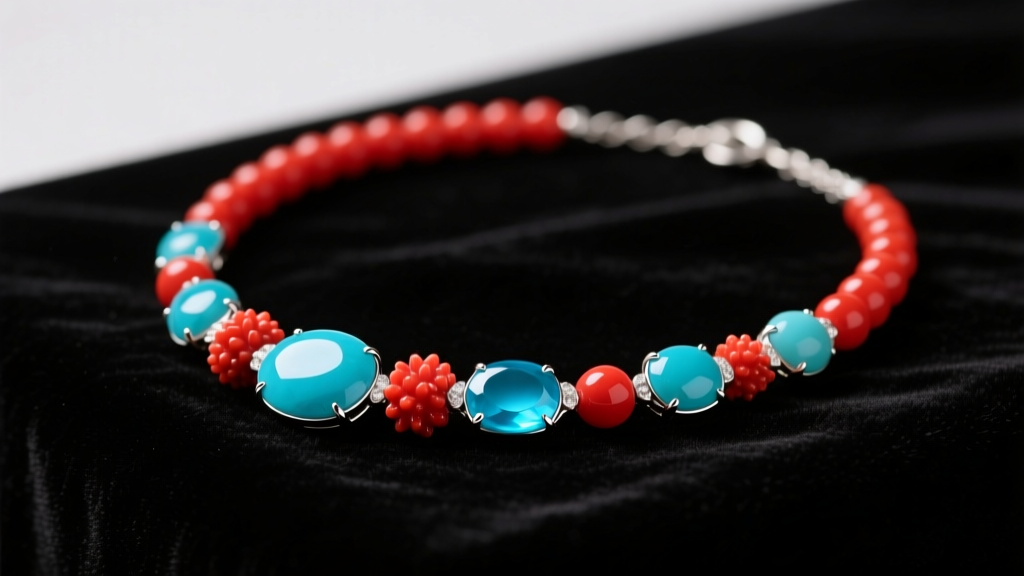
When it comes to statement jewelry that bridges the gap between vintage heritage and contemporary bohemian luxury, few combinations rival the striking contrast of a turquoise and red coral necklace. Rooted in color theory, the sky-blue to robin's-egg hues of turquoise sit directly opposite the deep, fiery tones of red coral on the color wheel. This complementary pairing creates a visual vibration that draws the eye immediately, making it an exceptional gift for the bold, style-conscious recipient in 2026.
However, gifting organic and semi-precious gemstones requires more than just an eye for aesthetics. Both turquoise and coral are porous, relatively soft materials that demand careful selection regarding treatment, origin, and structural integrity. This comprehensive guide will equip you with the gemological knowledge needed to select, grade, and gift a turquoise and red coral necklace that is both ethically sourced and built to last.
Decoding Material Grades: What to Look For
The value and longevity of your gift depend entirely on the specific grades of the materials used. Mass-market jewelry often relies on heavy treatments or simulants, whereas fine jewelry utilizes natural, high-grade specimens.
Turquoise: Natural vs. Stabilized
Turquoise ranks between 5 and 6 on the Mohs hardness scale, making it inherently fragile. According to the Gemological Institute of America (GIA), roughly 90% of turquoise on the market is stabilized. Stabilization involves impregnating the porous stone with a clear epoxy resin under pressure to harden it and enhance its color.
- Natural, Untreated Turquoise: Highly prized and expensive. Look for stones from the Sleeping Beauty mine (known for pure, matrix-free blue) or the Kingman mine (known for striking brown or black spiderweb matrices). Expect to pay a premium, often exceeding $1,500 for a substantial necklace.
- Stabilized Turquoise: Perfectly acceptable for everyday wear and more affordable ($200–$600). Ensure the seller discloses the stabilization. Avoid 'dyed' or 'reconstituted' turquoise, which is essentially turquoise dust glued together with dye.
Red Coral: Precious vs. Bamboo
Red coral is an organic gemstone formed by marine polyps. The most valuable variety is Corallium rubrum, harvested primarily from the Mediterranean Sea. It exhibits a natural, deep oxblood or salmon pink hue without the need for dye.
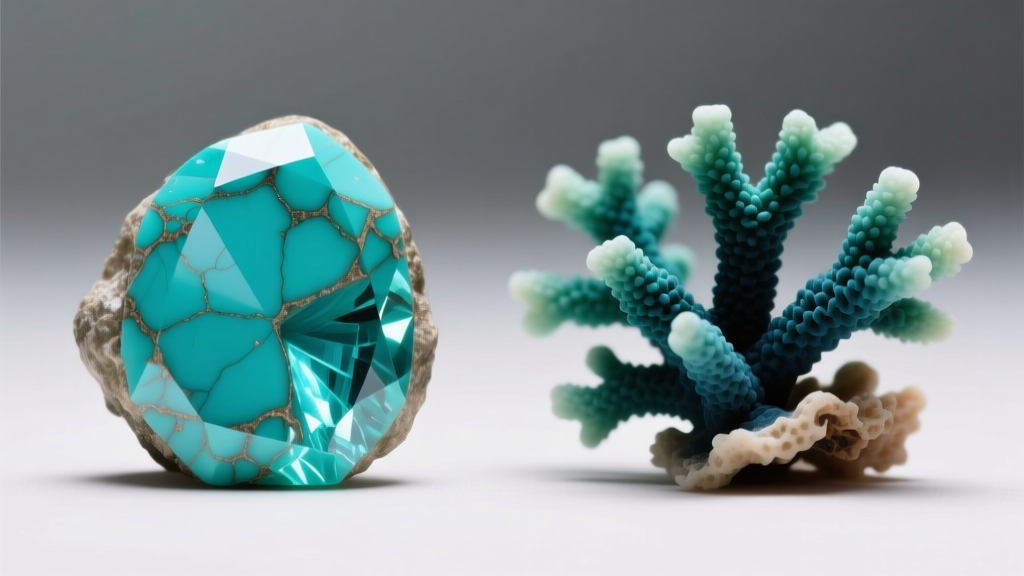
- Mediterranean Precious Coral: Dense, takes a brilliant polish, and commands high prices ($1,000 to $5,000+). Due to strict environmental protections, newly harvested coral is rare; much of the market consists of verified vintage pieces or sustainably managed yields.
- Bamboo Coral: A porous, white coral that is universally dyed red to mimic precious coral. While beautiful and budget-friendly ($50–$250), the dye can bleed over time, especially when exposed to sweat or cosmetics. Always check for color pooling in the stone's natural pits.
Occasion Matching: Selecting the Right Silhouette
A turquoise and red coral necklace is versatile, but the specific length, bead size, and metal accents dictate its ideal occasion. Use this 2026 framework to match the necklace style to your recipient's lifestyle.
| Occasion / Recipient Profile | Recommended Style & Length | Material Grade & Metal | Estimated Price Range |
|---|---|---|---|
| Everyday Bohemian / Casual | 20-24 inch opera length, 6mm-8mm beads, silver cone clasps | Stabilized Kingman turquoise, dyed bamboo coral, sterling silver | $150 - $350 |
| Office / Smart Casual | 16-18 inch princess length, 4mm-6mm faceted beads, minimal metal | Stabilized Sleeping Beauty, high-quality dyed coral, 14k gold accents | $400 - $800 |
| Gallery Openings / Evening | Multi-strand choker or heavy squash blossom style, large cabochons | Natural high-grade turquoise, vintage Mediterranean coral, heavy 925 silver | $1,200 - $4,500+ |
| Summer Resort / Vacation | Adjustable slide-knot cord, raw or lightly polished chunky stones | Natural turquoise, bamboo coral, leather or waxed cotton cord | $80 - $200 |
Authenticity and Ethical Sourcing
Gifting organic gemstones carries an ethical responsibility. Overharvesting has severely depleted global coral reefs, leading to strict international regulations. When purchasing a red coral necklace, always verify the sourcing.
The Convention on International Trade in Endangered Species (CITES) strictly regulates the trade of many coral species. While Corallium rubrum is not currently banned, it is heavily monitored. To ensure your gift is ethical:
- Request Documentation: Reputable jewelers should provide a certificate of authenticity detailing the coral species and origin.
- Consider Vintage: Purchasing estate or vintage turquoise and coral necklaces (pre-1980s) is the most eco-friendly option, as it requires no new harvesting.
- Inspect the Clasp and Stringing: High-end pieces will use tiger-tail wire or heavy silk thread with sterling silver or gold clasps. Cheap elastic stringing is a red flag for mass-produced, potentially unethically sourced tourist-trade jewelry.
Styling and Layering Techniques
If your recipient enjoys modern layering, a turquoise and red coral necklace serves as the perfect anchor piece. Because the colors are so dominant, the surrounding layers should provide textural contrast rather than competing for color attention.
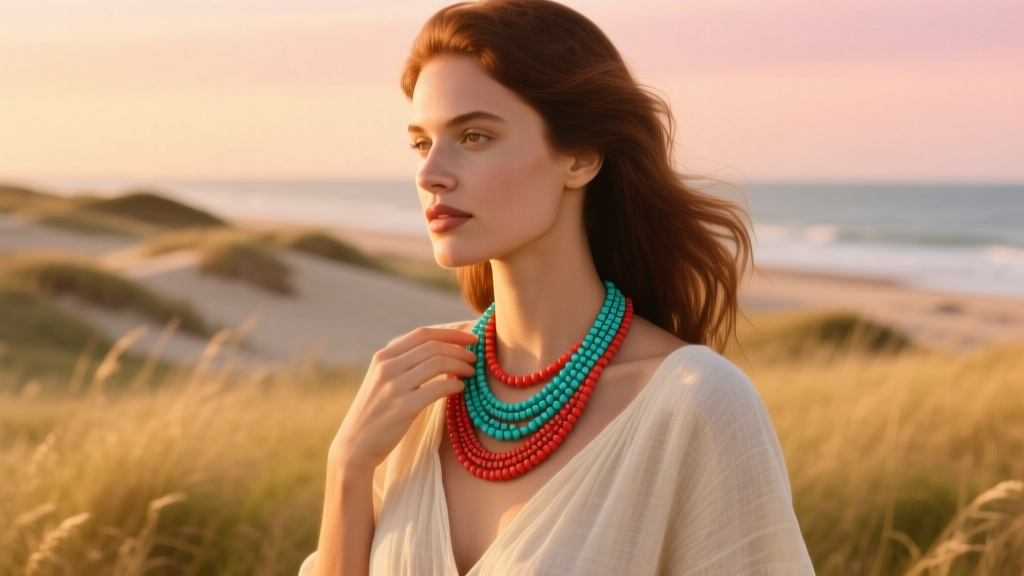
The 2026 Layering Formula
- Base Layer (14-16 inches): A delicate, minimalist 14k yellow or rose gold chain. The warm metal tones harmonize beautifully with the red coral.
- Anchor Layer (18-20 inches): The turquoise and red coral necklace. Opt for a uniform bead strand or a station necklace with alternating stones.
- Pendant Layer (24-28 inches): A long, matte-finished gold chain featuring a single, large turquoise or mother-of-pearl pendant to draw the eye downward and elongate the neckline.
Pro Tip: Avoid layering coral and turquoise with harder gemstones like diamonds or sapphires. The friction will cause the harder stones to scratch the porous surfaces of the coral and turquoise over time.
Care and Maintenance: Preserving the Gift
Both turquoise and red coral are highly sensitive to chemicals, heat, and dehydration. To ensure your gift remains vibrant for decades, include a care card with the following non-negotiable rules:
- The 'Last On, First Off' Rule: Cosmetics, perfumes, hairspray, and sunscreen contain alcohols and acids that will strip the polish from coral and alter the color of untreated turquoise. The necklace must be the last item put on and the first taken off.
- No Ultrasonic Cleaners: Never use ultrasonic or steam cleaners. The high-frequency vibrations can fracture stabilized turquoise, and the heat will melt the dye in bamboo coral.
- Proper Cleaning: Wipe the stones gently with a soft, slightly damp microfiber cloth after wearing to remove body oils and sweat. Dry immediately.
- Storage: Store the necklace flat in an anti-tarnish pouch. Hanging heavy bead necklaces for long periods can stretch the silk or wire stringing, leading to structural failure.
By understanding the gemological nuances, ethical considerations, and styling potential of a turquoise and red coral necklace, you are not just giving a piece of jewelry—you are gifting a wearable piece of earth's history, curated with expertise and intention.


