How to Clean and Care for a Bezel Set Emerald Necklace
Learn expert care and cleaning tips for your bezel set emerald necklace. Discover safe washing methods, oil maintenance, and storage.

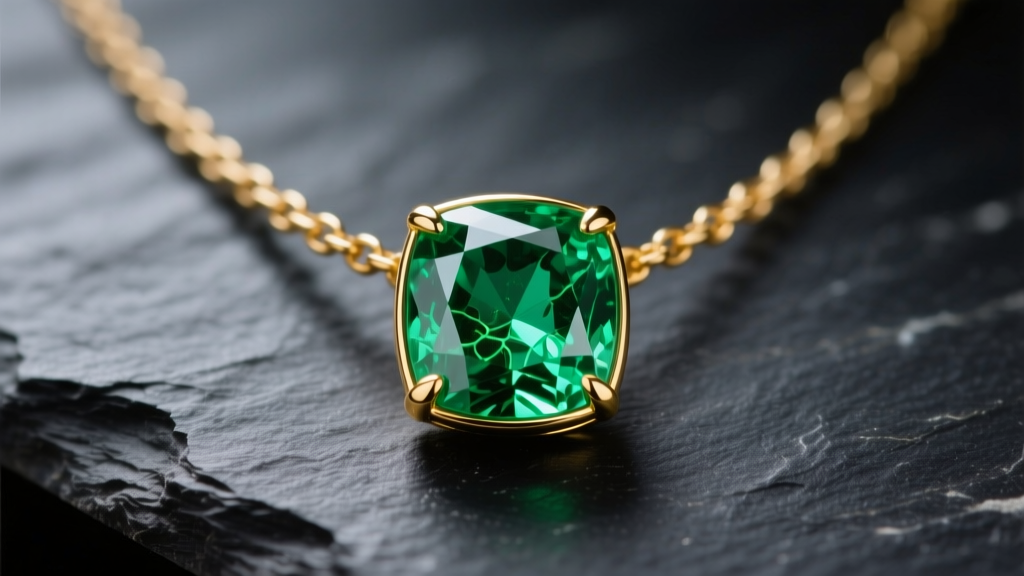
The Unique Vulnerability of Emeralds and Bezel Settings
Owning a bezel set emerald necklace is an investment in both luxury and horological artistry, but it requires a highly specialized approach to maintenance. To understand how to care for this piece, you must first understand the gemological and structural realities of the materials involved. Emeralds are a variety of the mineral beryl, ranking 7.5 to 8 on the Mohs hardness scale. While this suggests durability, emeralds possess poor "tenacity" due to their natural inclusions, known in the gem trade as jardin (French for garden). These internal fractures make the stone inherently brittle.
Furthermore, the vast majority of natural emeralds are fracture-filled to improve clarity and stability. According to the Gemological Institute of America (GIA), traditional cedar oil or modern synthetic resins like Opticon are used to fill these microscopic fissures. While a bezel setting offers superior protection to the emerald’s vulnerable girdle (the outer edge) compared to prong settings, it introduces a distinct maintenance challenge: the bezel wall creates a microscopic shelf where dead skin cells, cosmetic residues, and sebum become tightly compacted against the gemstone's crown.
What Never to Do: The Emerald Killer List
Before discussing what you should do, it is critical to outline the cleaning methods that will permanently destroy your necklace. The American Gem Trade Association (AGTA) strictly warns against exposing enhanced gemstones to harsh environments. Never use the following on your bezel set emerald necklace:
- Ultrasonic Cleaners: These machines use high-frequency sound waves to create cavitation bubbles in a liquid solution. The microscopic shockwaves from these collapsing bubbles will easily shatter the internal jardin of an emerald, splitting the stone from the inside out.
- Steam Cleaners: The intense, localized heat of a steam jet will melt or evaporate the cedar oil or resin inside the emerald's fractures. Once the filler is extracted, the stone will turn cloudy, white, and heavily fractured in appearance.
- Harsh Chemicals: Ammonia, bleach, acetone, and even standard jewelry dips will strip the fracture fillers and dull the polish of the gold or platinum bezel.
- Nylon or Wire Brushes: Standard jewelry brushes use stiff nylon bristles that can leave micro-scratches on the emerald's table (top facet) and the polished metal bezel wall.
Step-by-Step Safe Cleaning Protocol
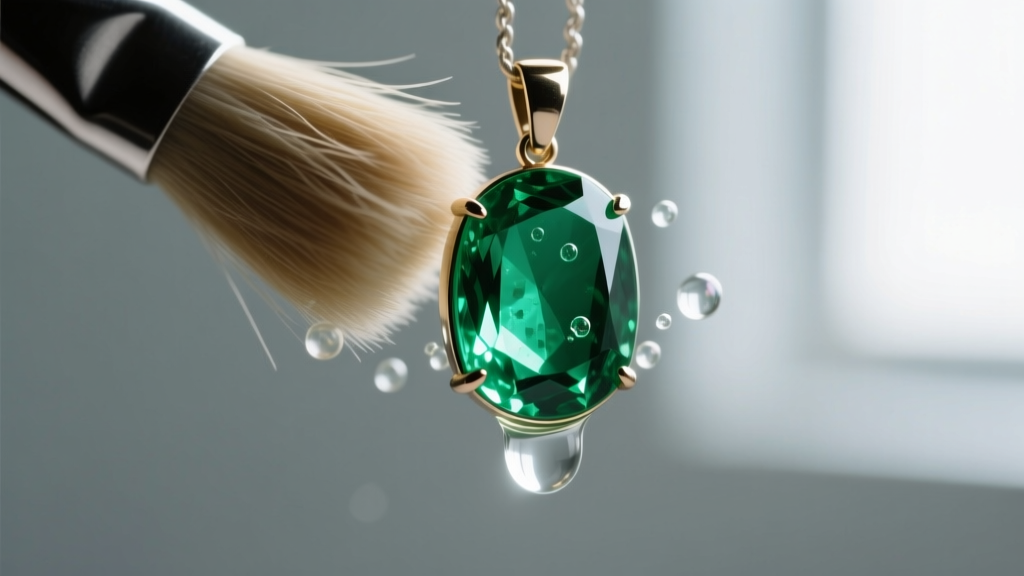
To safely clean your bezel set emerald necklace at home, you need to rely on gentle chemical breakdown and ultra-soft mechanical agitation. Follow this exact protocol every 4 to 6 weeks, depending on how often you wear the piece.
Step 1: Preparation and Soaking
Fill a small glass bowl with lukewarm distilled water. Do not use tap water; the dissolved minerals (calcium and magnesium) and chlorine in tap water can leave a microscopic film on the emerald, dulling its refractive index. Add two drops of a pH-neutral, lotion-free dish soap (such as original blue Dawn). Submerge the necklace and let it soak for exactly three minutes. Do not exceed this time, as prolonged exposure to water can slowly degrade older oil treatments.
Step 2: Agitation and the Bezel Seam
Remove the necklace from the solution. Using a 100% goat-hair brush (which is significantly softer than nylon), gently sweep the surface of the emerald. To address the bezel trap—the tight seam where the metal meets the stone—use a standard wooden toothpick. Gently glide the tip of the toothpick along the inner bezel wall to dislodge compacted sebum and cosmetic buildup. The wood is softer than both the 14k/18k gold bezel and the beryl, ensuring no scratches occur while effectively removing the grime.
Step 3: Rinsing and Drying
Rinse the necklace under a slow trickle of lukewarm distilled water. Shake off the excess water gently. Use a lint-free microfiber cloth to pat the chain and the back of the setting dry. For the tight bezel seam, use a can of compressed air (held at least six inches away) to blow out trapped moisture. Leaving water in the bezel seam can lead to localized tarnishing of the metal alloy over time.
Maintenance Schedule and Professional Care
Home cleaning only addresses surface dirt. Long-term preservation of a bezel set emerald necklace requires a structured maintenance schedule, including professional intervention to maintain the stone's clarity enhancement.
| Frequency | Maintenance Task | Tools / Service Required | Estimated Cost |
|---|---|---|---|
| Weekly | Surface oil removal | Dry microfiber polishing cloth | Free |
| Monthly | Deep bezel and chain cleaning | Distilled water, pH-neutral soap, goat-hair brush, toothpick | $10 (for supplies) |
| Annually | Prong/Bezel tension check | Professional jeweler inspection | $25 - $50 |
| Every 2-3 Years | Re-oiling / Clarity Enhancement | Gemologist / Lapidary specialist | $75 - $150 |
Understanding the Re-Oiling Process
If your emerald begins to look "sleepy," cloudy, or if white fractures suddenly become visible, the cedar oil has likely dried out or leaked due to exposure to heat or dry climates. A professional lapidary can safely clean the stone and submerge it in a heated oil bath under a vacuum chamber, forcing the oil back into the microscopic fissures. This is a standard, accepted industry practice and is vital for the structural integrity of heavily included emeralds.
Storing Your Bezel Set Emerald Necklace
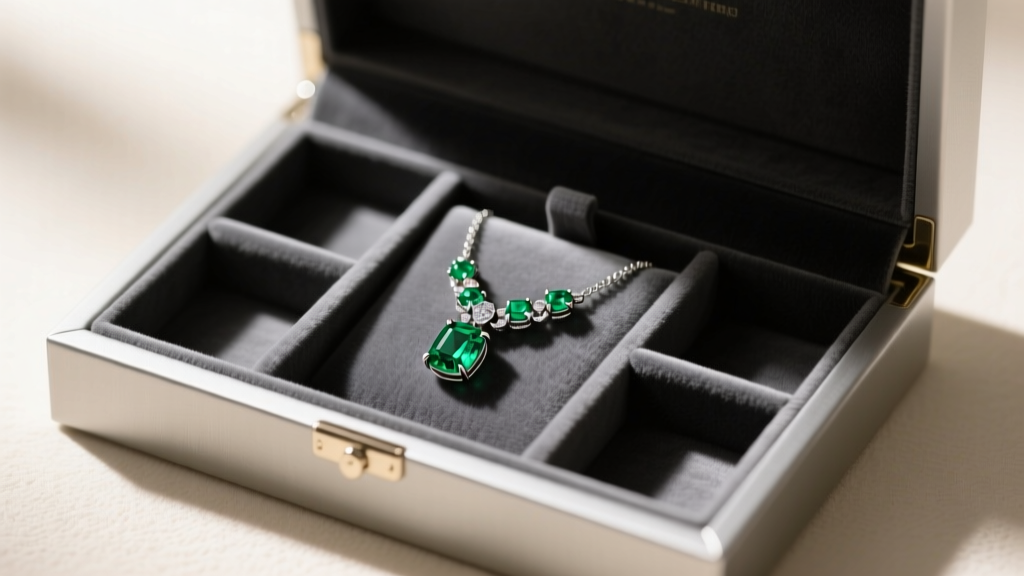
Proper storage is just as critical as proper cleaning. Emeralds are sensitive to extreme temperature fluctuations and prolonged exposure to intense UV light, which can alter the color of certain fracture-fillers over decades. Always store your necklace in an anti-tarnish jewelry box with individual velvet or suede compartments.
The Humidity Factor: Because cedar oil is volatile and can evaporate in excessively dry environments, storing your emerald in a room with a stable humidity level (around 40-50%) is beneficial. Never store the necklace near a heating vent, radiator, or in a bathroom where extreme heat and steam from showers can penetrate the box. Additionally, while the bezel protects the emerald's edges, the metal rim itself can be scratched by harder gemstones. Never store your emerald necklace in the same compartment as diamonds, sapphires, or rubies, which rank higher on the Mohs scale and will easily scour the gold bezel and the emerald's table.
Expert Troubleshooting: Cloudiness and Loose Bezels
Even with meticulous care, issues can arise. Here is how to troubleshoot the two most common problems associated with bezel set emerald pendants:
Symptom: The bezel rim feels rough or catches on silk clothing.
Diagnosis: The metal bezel has lifted slightly away from the emerald's crown. This happens if the necklace is snagged or dropped, causing the soft gold or platinum to pull away from the stone.
Solution: Stop wearing the necklace immediately to prevent the emerald from falling out. Take it to a bench jeweler who will use a burnishing tool to safely press and smooth the metal rim back against the stone. This typically costs under $30 and takes less than an hour.
By respecting the unique chemical and physical properties of both the emerald and the bezel setting, your necklace will retain its vivid green brilliance and structural security for generations. Avoid the shortcuts of modern ultrasonic cleaning, embrace the gentle precision of distilled water and goat-hair brushes, and maintain a strict schedule of professional re-oiling to protect your investment.


