Front Clasp Necklace Materials: Durability & Metal Guide
Compare metals for your front clasp necklace. Explore titanium, gold, and silver properties, tensile strength, and clasp durability for everyday wear.

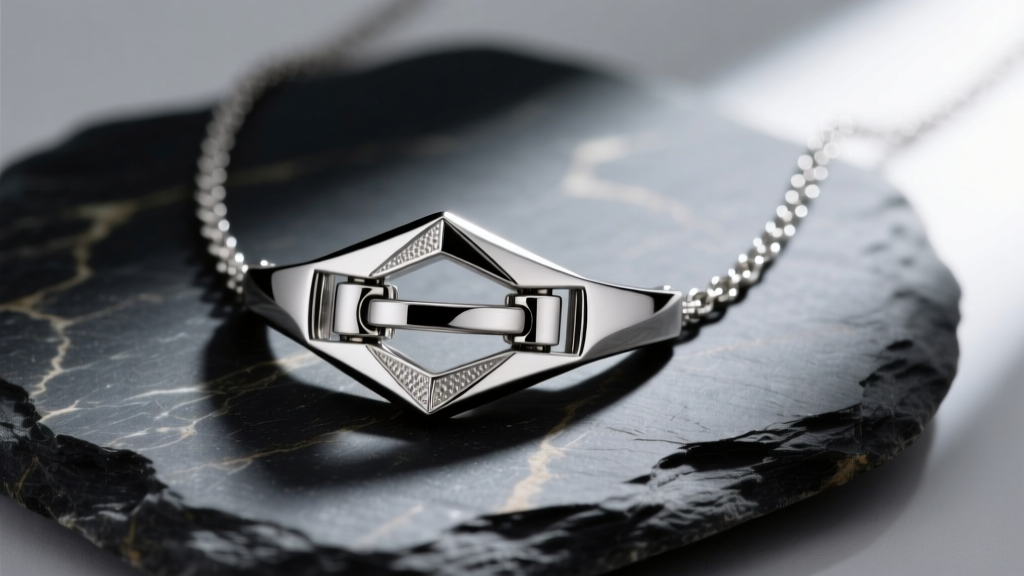
The evolution of the front clasp necklace has transformed a purely functional hardware component into the centerpiece of modern jewelry design. Unlike traditional necklaces where the clasp is hidden at the nape of the neck, a front clasp necklace places the closure mechanism front and center. This design choice demands that the clasp not only bears the mechanical load of the chain but also withstands constant friction, environmental exposure, and aesthetic scrutiny. When selecting a front clasp necklace, understanding the metallurgical properties of the materials involved is critical to preventing catastrophic failure and ensuring long-term wearability.
The Engineering of a Front Clasp Necklace
In a standard necklace, the clasp experiences minimal tension and is protected from direct impact. In a front clasp necklace, the closure—whether a toggle, magnetic, screw-in, or decorative lobster mechanism—is subjected to unique stress vectors. The clasp acts as a pendulum weight, swinging against the wearer's chest, catching on clothing, and enduring repetitive micro-abrasions. Furthermore, because it is a visual focal point, any material degradation, such as scratching, tarnishing, or structural bending, is immediately noticeable. According to metallurgical standards outlined in the Rio Grande Metals Guide, the Vickers Hardness (HV) and tensile strength of the chosen alloy dictate whether a front clasp will maintain its structural integrity or deform under the weight of a heavy chain.
Material Tensile Strength & Clasp Failure Rates
Not all precious and alternative metals are created equal when subjected to the mechanical demands of a front-facing closure. Below is a comparative analysis of the most common metals used in front clasp necklace manufacturing, detailing their hardness, strength, and ideal applications.
| Metal / Alloy | Vickers Hardness (HV) | Tensile Strength (MPa) | Best Front Clasp Type | Avg. Price (per gram) |
|---|---|---|---|---|
| Grade 5 Titanium (Ti-6Al-4V) | 334 | 950 | Screw-in / Magnetic Encasement | $0.50 - $1.50 |
| 316L Surgical Steel | 150 - 200 | 515 | Lobster / Heavy Toggle | $0.05 - $0.20 |
| 14k Gold (Yellow/White) | 130 - 160 | 500 - 600 | Decorative Toggle / Box | $40.00 - $50.00 |
| 18k Gold | 110 - 130 | 300 - 400 | Lightweight Magnetic / Clasp | $55.00 - $65.00 |
| 925 Sterling Silver | 65 - 75 | 250 - 300 | Reinforced Toggle / Hook | $0.80 - $1.20 |
| 950 Platinum | 125 - 150 | 350 - 450 | Heavy Statement / Box | $30.00 - $40.00 |
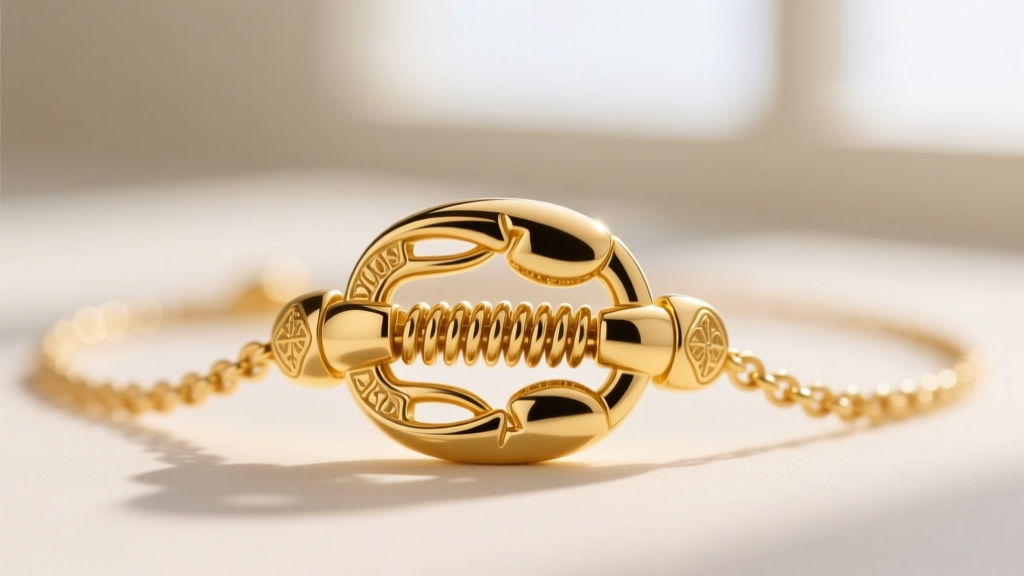
Grade 5 Titanium vs. 316L Surgical Steel
For contemporary and industrial-style front clasp necklaces, titanium and surgical steel are the dominant forces. However, their properties differ vastly. Pure Grade 2 titanium is relatively soft, but Grade 5 titanium (an alloy of titanium, aluminum, and vanadium) boasts a tensile strength of 950 MPa, making it virtually indestructible for jewelry applications. Grade 5 is the required material for screw-in front clasps, as the threading will not strip under repeated torque. Conversely, 316L surgical steel is highly malleable compared to Grade 5 titanium but offers excellent corrosion resistance. Steel is frequently used to encase neodymium magnets in magnetic front clasps, as titanium is non-magnetic and cannot house the magnet directly without a steel sleeve. A common failure mode in cheap magnetic clasps is the use of low-grade steel that rusts when exposed to sweat, compromising the magnetic seal.
14k vs. 18k Gold for Toggle and Magnetic Clasps
Gold purity is a major liability in front clasp mechanics. 18k gold, comprising 75% pure gold, is prized for its rich color but possesses a lower Vickers hardness (around 120 HV). If an 18k gold toggle bar is used on a heavy front clasp necklace, the repetitive friction of the bar sliding through the toggle ring will eventually cause the bar to thin and bend, leading to accidental unfastening. 14k gold (58.5% pure gold) is alloyed with copper, silver, and zinc, raising its hardness to roughly 150 HV. For any front clasp necklace utilizing a mechanical toggle or a box clasp with a friction tongue, 14k gold is the metallurgical minimum required to prevent structural deformation over years of daily wear.
Wear-and-Tear: Patina, Scratches, and Allergies
Because the front clasp is constantly touched, adjusted, and exposed to the elements, its surface properties are just as important as its internal strength. The Gemological Institute of America (GIA) frequently notes that surface wear on jewelry hardware can expose underlying alloys, triggering contact dermatitis in sensitive wearers.
The Sterling Silver Tarnish Factor on Exposed Clasps
925 Sterling silver is notoriously soft and prone to oxidation. When used in a front clasp necklace, the silver toggle or hook is subjected to 'friction polishing' from the wearer's clothing and skin, which can paradoxically keep the high-contact areas bright while the recessed crevices of the clasp turn black with silver sulfide tarnish. Furthermore, sterling silver clasps require a thicker gauge to compensate for their low tensile strength. A 14-gauge (1.6mm) sterling silver wire is the absolute minimum for a toggle bar on a medium-weight chain; anything thinner risks warping. To combat tarnish, high-end silver front clasps are often rhodium-plated, but this plating will eventually wear off at the friction points, requiring re-dipping.

Platinum: The Heavyweight Champion for Statement Clasps
Platinum (specifically 950 Platinum, alloyed with ruthenium or iridium) is exceptionally dense and heavy. While its Vickers hardness is similar to 14k gold, platinum's unique property is its 'malleability without material loss.' When a platinum front clasp is scratched, the metal is merely displaced, not lost. This makes it the ultimate material for heavy, statement-making front clasps that feature intricate milgrain or engraved details. A platinum box clasp with a double-safety figure-eight catch will outlast the chain it is attached to, though the premium price point restricts its use to high-end luxury pieces.
Decision Framework: Matching Chain Weight to Clasp Material
Selecting the right metal for your front clasp necklace requires balancing the weight of the chain with the tensile limits of the clasp material. Use this framework to ensure mechanical harmony:
- Lightweight Chains (Under 15 grams): Delicate cable or wheat chains can utilize 18k gold, sterling silver, or lightweight magnetic clasps. The mechanical load is minimal, prioritizing aesthetic color matching over sheer strength.
- Medium Chains (15 to 40 grams): Rope, Figaro, or medium Cuban links demand 14k gold, 316L steel, or titanium. Avoid sterling silver toggle bars in this weight class, as the dynamic swing of a 30-gram chain can easily bend a silver bar upon impact.
- Heavyweight Chains (Over 40 grams): Thick Miami Cuban links or solid rope chains require Grade 5 Titanium or reinforced 316L steel screw-in clasps. Precious metals like gold and platinum are generally too soft to safely support a 50+ gram dynamic load at a single front-facing stress point without utilizing massive, bulky hardware that ruins the drape of the necklace.
Conclusion
The front clasp necklace is a brilliant fusion of form and function, but it leaves no room for metallurgical compromise. By prioritizing tensile strength, Vickers hardness, and friction resistance over mere karat weight, you can select a piece that remains secure and visually striking. Whether you opt for the aerospace-grade durability of Grade 5 titanium or the hardened resilience of 14k gold, understanding the material properties ensures your centerpiece closure performs flawlessly for a lifetime.


