Rose Titanic Necklace: Material Properties & Care Guide
Explore the metallurgy of the rose titanic necklace. Compare titanium grades, PVD rose gold coatings, and gemstone durability for lasting wear.

The Anatomy of a Rose Titanic Necklace
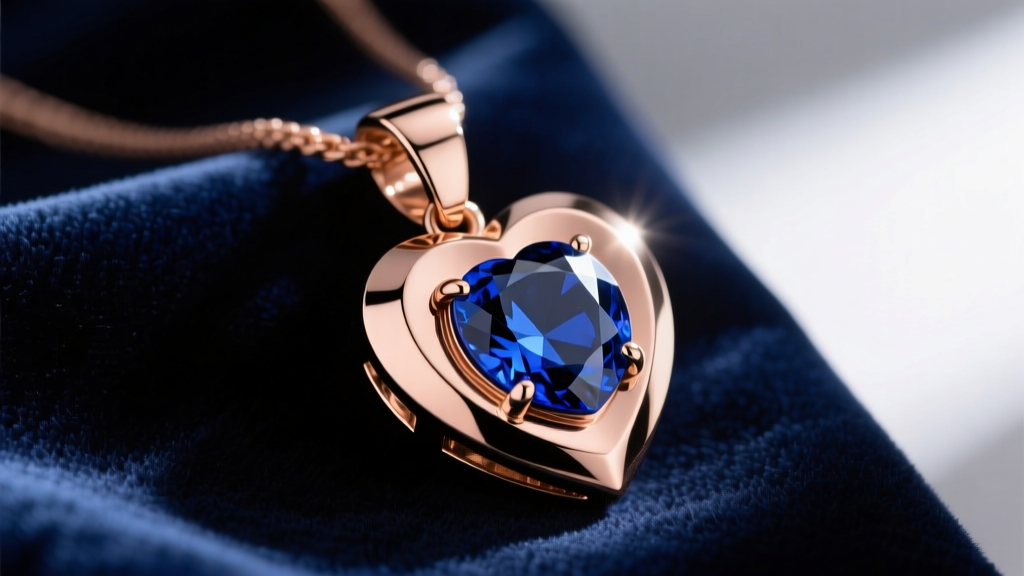
The iconic Heart of the Ocean silhouette has evolved from a mere cinematic replica into a staple of modern, durable jewelry design. By marrying the romantic, vintage-inspired aesthetic of rose gold with the aerospace-grade resilience of titanium, contemporary jewelers have solved the historical weaknesses of heavy statement pendants. In this comprehensive material analysis, we deconstruct the metallurgical properties, coating technologies, and structural engineering that define a high-quality rose titanic necklace in 2026.
Titanium vs. Traditional Alloys: A Material Deep Dive
Historically, heavy pendants were cast in sterling silver or brass, leading to rapid tarnishing, skin discoloration, and structural warping. Solid 14k rose gold, while luxurious, is prohibitively expensive for oversized cinematic replicas and remains susceptible to scratching due to its high copper content. Enter titanium.
According to metallurgical data from MatWeb, commercially pure (Grade 2) titanium offers excellent biocompatibility but lacks the shear strength required for intricate micro-pave gemstone settings. Therefore, premium rose titanic necklaces utilize Grade 5 titanium (Ti-6Al-4V). This aerospace-grade alloy contains 6% aluminum and 4% vanadium, yielding a tensile strength of approximately 900 MPa—nearly triple that of Grade 2 titanium and significantly higher than 316L surgical steel.
| Material | Tensile Strength | Vickers Hardness (HV) | Hypoallergenic | Avg. Market Price |
|---|---|---|---|---|
| Grade 2 Titanium (CP) | 345 MPa | 145 HV | Yes | $40 - $90 |
| Grade 5 Titanium (Ti-6Al-4V) | 900 MPa | 334 HV | Yes | $120 - $280 |
| 316L Stainless Steel | 485 MPa | 220 HV | Mostly | $30 - $75 |
| Solid 14k Rose Gold | 300 MPa | 135 HV | No (Contains Copper/Nickel) | $800 - $1,500+ |
Why Titanium Excels for Heavy Pendants
The primary advantage of Grade 5 titanium in a rose titanic necklace is its strength-to-weight ratio. A solid brass or steel pendant of this size can weigh upwards of 40 grams, causing neck strain and chain fatigue. Titanium cuts this weight by nearly 45% without sacrificing the volumetric presence of the design, making it comfortable for all-day wear.
The Rose Gold Finish: PVD Coating vs. Electroplating
The warm, blush-toned hue of a rose titanic necklace is rarely achieved through traditional wet electroplating, which deposits a microscopic, easily worn layer of gold over a reactive nickel undercoat. Modern manufacturing relies on Physical Vapor Deposition (PVD).
Unlike traditional wet electroplating, PVD creates a ceramic-like surface that is up to five times more resistant to friction and sweat-induced corrosion.
In a high-vacuum chamber, titanium and gold targets are bombarded with ions, vaporizing the metals and fusing them at the molecular level onto the titanium pendant. To achieve the specific "rose" tint, trace amounts of copper or carbon are introduced into the plasma. PVD coatings typically range from 0.3 to 1.5 microns in thickness. This means the rose gold finish on a Grade 5 titanium pendant will not flake, peel, or turn the wearer's skin green, even with daily exposure to environmental elements.
Gemstone Settings and Prong Durability
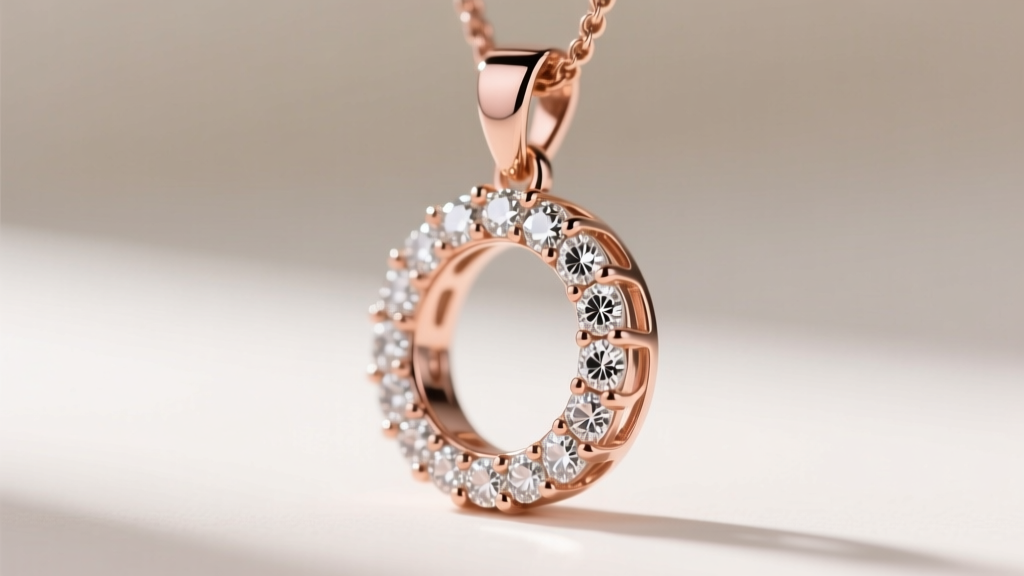
The centerpiece of any Titanic-inspired necklace is the large blue heart-shaped gemstone, typically surrounded by a halo of white accent stones. The material of the pendant directly dictates the longevity of these settings.
Because Grade 5 titanium is exceptionally hard (334 HV), it holds micro-pave settings with superior grip compared to softer metals like silver or 14k gold. The prongs are less likely to bend or snag on clothing. However, this same hardness makes resizing or repairing prongs difficult without specialized laser welding equipment.
Center Stone Optical Properties
Regarding the center stone, the Gemological Institute of America (GIA) notes distinct differences between common simulants. High-end replicas use lab-created synthetic sapphire (corundum), which ranks a 9 on the Mohs hardness scale, ensuring it resists surface abrasion. Cheaper variants use Cubic Zirconia (CZ), ranking at 8-8.5. While CZ offers higher initial brilliance and fire (dispersion), it is prone to micro-scratching over time, which clouds the stone's optical clarity within two to three years of daily wear.
Sizing, Weight, and Chain Gauge Specifications
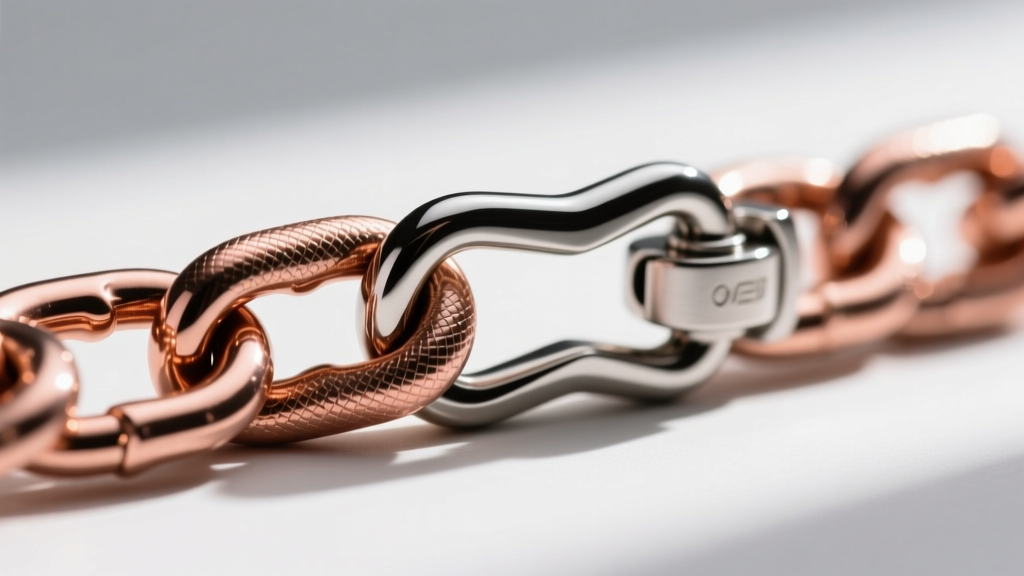
A common failure point in heavy statement necklaces is the chain. A solid titanium pendant with a 25mm synthetic sapphire center stone can weigh between 18 and 25 grams. Suspending this weight on a delicate 1.0mm chain guarantees eventual breakage.
For a structurally sound rose titanic necklace, adhere to the following chain specifications:
- Minimum Gauge: 2.5mm to 3.0mm thickness.
- Link Style: Flat curb or tightly woven rope chains distribute the pendant's kinetic energy evenly.
- Clasp Type: Heavy-duty stainless steel or titanium lobster clasp. Spring-ring clasps are entirely inadequate for this weight class.
- Length: 20 inches is preferred over 18 inches, allowing the heavy pendant to rest flat against the sternum and preventing it from flipping awkwardly.
Failure Modes and Long-Term Maintenance
While titanium is virtually impervious to oxidation and rust, the rose titanic necklace is not entirely maintenance-free. The primary failure mode occurs at the connection points—specifically, the jump ring attaching the pendant to the chain. If the jump ring is made of an inferior base metal, galvanic corrosion can occur where it meets the PVD-coated titanium, eventually degrading the ring. Always ensure the jump ring is laser-welded shut or crafted from matching Grade 5 titanium.
Cleaning Protocols
To maintain the PVD rose gold luster, avoid exposing the necklace to harsh chlorinated pool water or abrasive chemical cleaners. While PVD is highly resilient, prolonged exposure to high-pH environments can degrade the coating's molecular bond over several years. Cleaning should be restricted to warm water, a drop of mild dish soap, and a microfiber cloth. Ultrasonic cleaners are generally safe for the titanium and synthetic sapphire, but the high-frequency vibrations can occasionally loosen the adhesive used in cheaper micro-pave halo settings, so manual cleaning is the safest route for long-term preservation.


