How to Style and DIY a Handbag Necklace: Expert Guide
Master the handbag necklace trend with our step-by-step guide. Learn how to select chains, balance miniature pendants, and style them flawlessly.

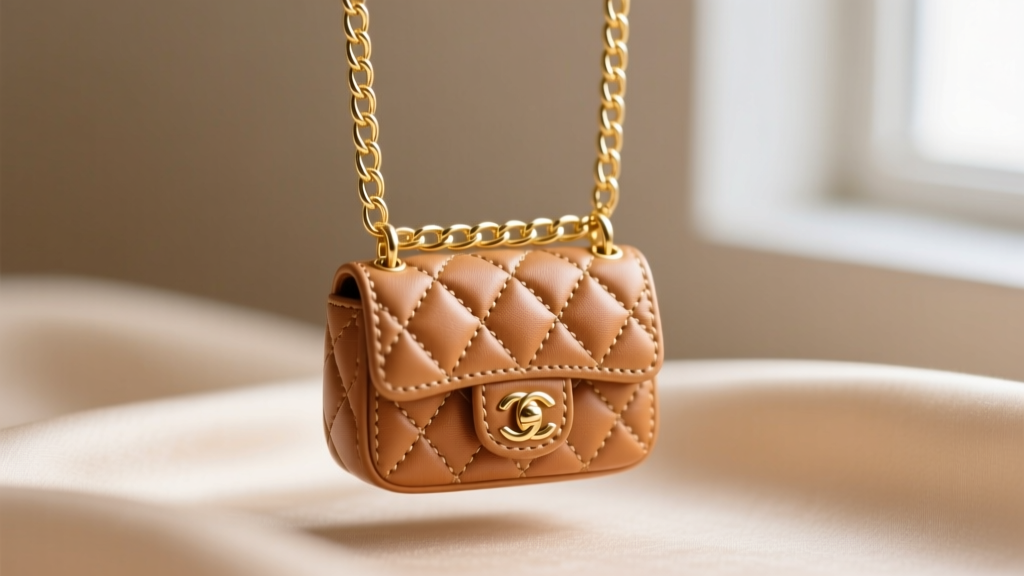
The Anatomy of a Handbag Necklace
The handbag necklace has evolved from a quirky novelty into a staple of structural maximalism and high-fashion jewelry design. Whether you are styling a miniature designer bag pendant, upcycling vintage luxury handbag straps, or engineering a custom piece from scratch, the mechanics of wearability require precise attention to weight distribution, hardware gauge, and material durability. In 2026, the micro-bag jewelry movement has shifted toward hyper-realistic hardware and mixed-media pendants that blur the line between functional accessory and fine jewelry.
Creating or styling a handbag necklace is fundamentally an exercise in physics. Unlike a flat coin pendant or a lightweight gemstone, a miniature handbag pendant has a high center of gravity, a three-dimensional profile, and a tendency to act as a pendulum. If the chain is too light, the necklace will tangle, flip, and cause neck strain. This step-by-step guide will walk you through the technical specifications of engineering, assembling, and styling a handbag necklace that is both visually striking and structurally sound.
Step 1: Engineering the Base Chain
When building a DIY handbag necklace, the chain is not just a tether; it is a critical design element that must support dynamic lateral stress. Standard necklace chains, such as 1mm cable or box chains, will stretch, kink, or snap under the weight of a 20-gram solid brass miniature bag. You must select a chain with a high tensile strength and a visual weight that mimics a luxury handbag strap.
According to the Fire Mountain Gems Chain Guide, curb and figaro chains offer the best balance of flexibility and structural integrity for heavy pendants. For a handbag necklace, aim for a chain width between 3mm and 5mm. This provides the visual illusion of a scaled-down bag strap while remaining comfortable against the collarbone.
| Chain Type | Recommended Gauge (mm) | Weight per Inch | Best For |
|---|---|---|---|
| Curb Chain | 3.0mm - 4.5mm | Medium-Heavy | Classic quilted bag pendants, everyday wear |
| Figaro Chain | 3.5mm - 5.0mm | Heavy | Vintage-inspired hardware, asymmetrical bags |
| Rope Chain | 2.5mm - 3.5mm | Medium | Delicate resin mini-bags, layered styling |
| Wheat Chain | 2.0mm - 3.0mm | Light-Medium | Enamel pendants, formal evening wear |
Step 2: Sourcing and Scaling the Miniature Pendant
The success of a handbag necklace relies entirely on proportion. A pendant that is too large crosses the threshold from jewelry into costume novelty, while one that is too small loses the defining details of the handbag silhouette. The optimal scale for a miniature bag pendant is between 0.75 inches (19mm) and 1.25 inches (32mm) in height, excluding the bail or jump ring.
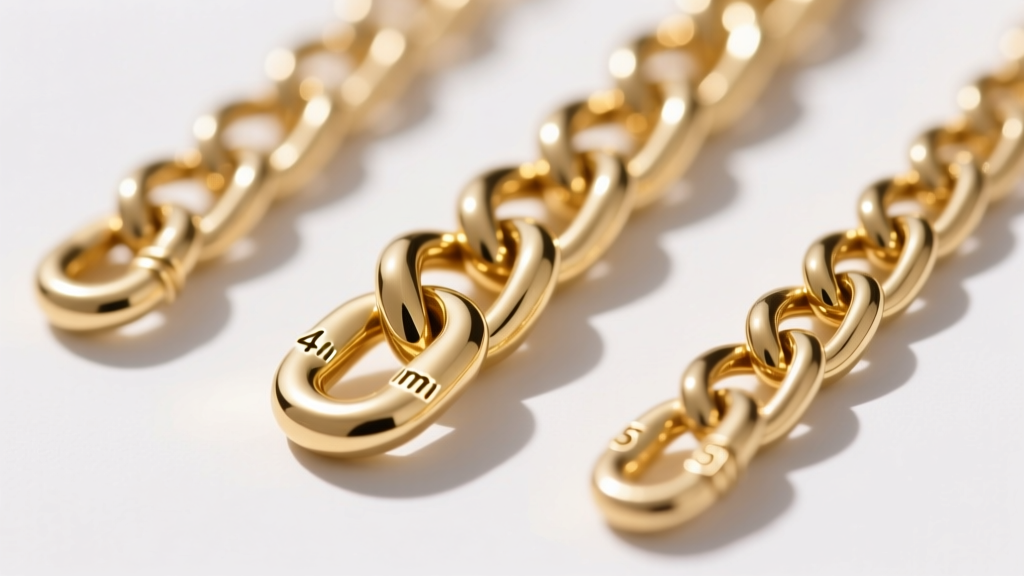
Material Breakdown and Durability
When sourcing or casting your pendant, the material dictates both the weight and the maintenance requirements. Here is a technical breakdown of common miniature handbag pendant materials:
- Cast Brass with PVD Coating: The industry standard for high-quality fashion jewelry. Brass provides the necessary weight to keep the necklace anchored, while Physical Vapor Deposition (PVD) coating prevents tarnishing and skin irritation. Avoid standard electroplating, which will wear off on the high-friction edges of the miniature bag.
- Vitreous Enamel on Sterling Silver: For luxury-tier handbag necklaces, vitreous (kiln-fired) enamel offers a glass-like finish that will not yellow or degrade over time. Cold enamel (epoxy resin) is cheaper but will scratch and discolor within a year of daily wear.
- 3D Printed Photopolymer Resin: Ideal for hyper-detailed, avant-garde designs. However, resin is exceptionally lightweight. If using resin, you must add a hidden steel core to the pendant during printing to give it the necessary drop-weight to hang correctly on the chain.
Step 3: Hardware Assembly and Stress Testing
The connection point between the chain and the miniature handbag pendant is the most common failure point in jewelry design. Because a bag pendant swings like a pendulum, it exerts torsional stress on the jump ring. A standard 20-gauge unsoldered jump ring will easily pull apart under this dynamic load.
To properly assemble your handbag necklace, follow these hardware specifications:
- The Jump Ring: Use a 14-gauge (1.6mm thick) jump ring with an inner diameter of 5mm. If you do not have the tools to solder the jump ring shut, substitute it with a 14-gauge split ring (which functions like a miniature keychain ring) to guarantee it will never pull open.
- The Bail: If your miniature bag features a top handle rather than a D-ring for attachment, thread a 2mm sterling silver or brass tube bail through the handle. Do not wrap wire around the handle, as the friction will eventually degrade the pendant's finish or crack delicate resin.
- The Clasp: Never use a spring ring clasp for a handbag necklace. The internal spring mechanism is not rated for heavy pendants and will fail. Opt for a 12mm or 15mm lobster clasp, which features a forged internal lever that can withstand up to 40 lbs of tensile force.
Step 4: The Neckline Styling Matrix
Styling a handbag necklace requires balancing the visual weight of the pendant against the architecture of your clothing. The three-dimensional nature of the pendant means it will catch light and cast shadows differently than flat jewelry. According to trend analyses from the Vogue Fashion Archives, the 2026 styling paradigm favors deliberate contrast—pairing structured, hardware-heavy jewelry with soft, fluid fabrics, or stark minimalism.

| Neckline Type | Recommended Chain Length | Pendant Scale | Styling Notes |
|---|---|---|---|
| Crew Neck / Turtleneck | 18 - 20 inches | 1.0 - 1.25 inches | Let the pendant rest on the fabric. Use a high-polish gold chain to contrast with dark, matte knits. |
| V-Neck / Wrap Blouse | 16 - 18 inches | 0.75 - 1.0 inches | Follow the geometry of the V-neck. Ensure the pendant sits exactly 1 inch above the neckline plunge. |
| Strapless / Sweetheart | 14 - 16 inches (Choker) | 1.25+ inches | Opt for a statement piece. A choker-length handbag necklace acts as a focal point, replacing the need for earrings. |
| Button-Down Shirt | 20 - 24 inches | 0.75 inches | Wear the necklace long, tucked slightly beneath the collar or layered with a delicate 22-inch pearl strand. |
Maintenance: Caring for Mixed-Media Jewelry
A handbag necklace often incorporates mixed media—metal hardware, enamel finishes, and occasionally microscopic leather or fabric accents. Cleaning requires a segmented approach to avoid damaging the composite materials. The Gemological Institute of America (GIA) warns against using ultrasonic cleaners on any jewelry featuring enamel, resin, or tension-set stones, as the high-frequency vibrations can shatter the finish or dislodge the miniature hardware.
Pro-Tip for Hardware Shine: To clean the metal chain and brass fittings of your handbag necklace without harming the enamel body, use a dry, untreated microfiber polishing cloth. If the chain is heavily tarnished, remove the pendant entirely and soak only the chain in a mild solution of warm water and phosphate-free dish soap for five minutes, then dry completely before reattaching.
By understanding the structural engineering required to support a weighted, three-dimensional pendant, you can elevate the handbag necklace from a fleeting trend into a permanent, wearable piece of art in your jewelry rotation. Whether you are assembling a custom piece from raw brass components or styling a vintage find, prioritizing gauge strength, proportional scaling, and dynamic movement will ensure your necklace hangs perfectly every time.


