How to Appraise the Value of a Pearl Necklace at Home
Learn how to accurately determine the value of a pearl necklace with our step-by-step appraisal guide covering luster, nacre, and market pricing.

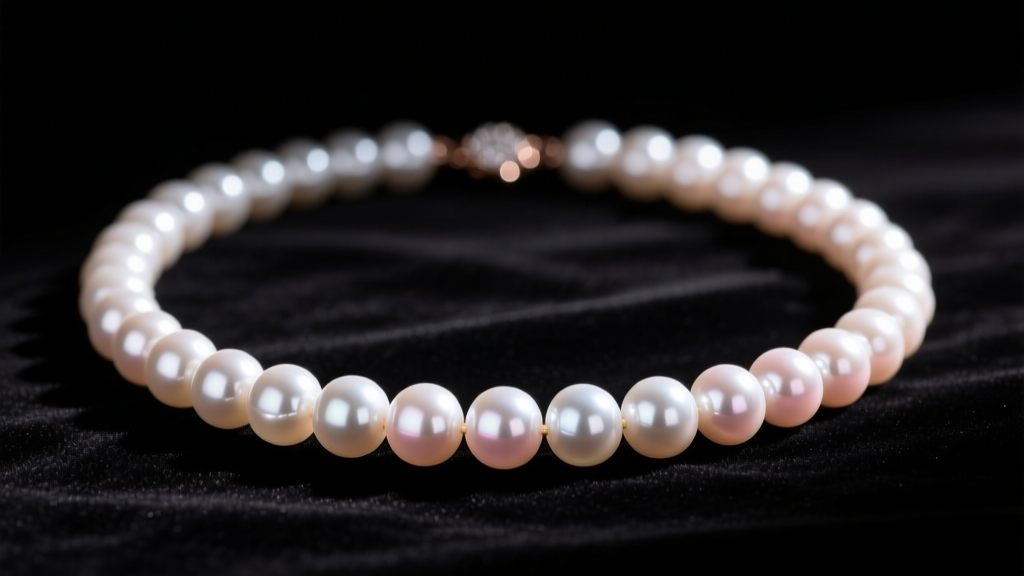
Introduction to Pearl Valuation
Determining the true value of pearl necklace strands requires a different approach than evaluating diamonds or colored gemstones. While diamonds rely on the rigid 4Cs, pearls are organic gems evaluated on a more nuanced spectrum of characteristics. As of 2026, the market has seen a massive surge in demand for baroque and keshi pearls, which has slightly shifted traditional valuation metrics that once exclusively favored perfectly round shapes. However, for classic strands, understanding the gemological markers of quality remains essential. Whether you are evaluating an inherited vintage piece or a recent purchase, this step-by-step guide will help you accurately assess its worth.
Step 1: Authenticate the Pearl Type
Before assessing quality, you must confirm the pearls are genuine. The market is flooded with high-quality imitations, such as glass beads coated with guanine (fish scale essence) or shell-core beads like Majorica pearls.
- The Tooth Test: Gently rub the pearl against the edge of your front tooth. Genuine cultured and natural pearls will feel distinctly gritty or sandy due to microscopic crystalline aragonite platelets. Imitation pearls will feel perfectly smooth like glass.
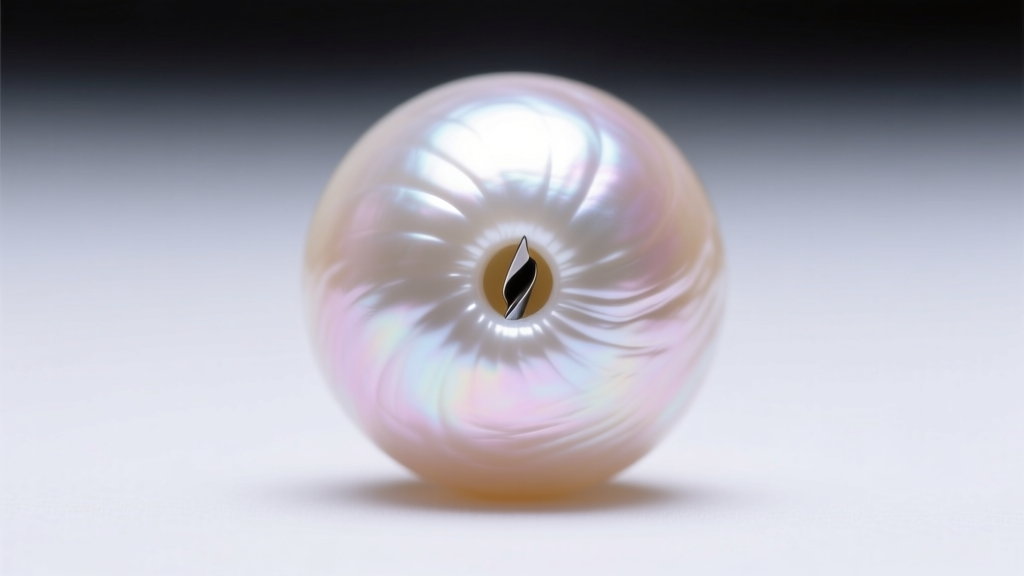
- Drill Hole Inspection: Use a 10x jeweler's loupe to examine the drill holes. Real pearls show a sharp, clean entry point where the nacre meets the nucleus. Imitation pearls often show flaking paint, rounded edges, or a visible glass core beneath a thin coating.
- Temperature Test: Real pearls feel cold to the touch initially and take a few seconds to warm up to your skin temperature. Plastic imitations feel room-temperature immediately.
Step 2: Evaluate the 5 Virtues of Pearl Grading
According to the Gemological Institute of America (GIA), pearl value is determined by seven factors, but for a necklace strand, five are paramount. Luster is the undisputed king of pearl valuation; a strand with poor luster is essentially worthless, regardless of its size.
Luster and Nacre Thickness
Luster refers to the sharpness and intensity of light reflecting off the surface. High-quality Akoya pearls should exhibit a mirror-like reflection where you can clearly see your own silhouette. Nacre thickness dictates this luster and the gem's longevity. For Akoya pearls, a nacre thickness of less than 0.25mm is considered dangerously thin and prone to peeling, severely depreciating the value. Premium strands boast a nacre thickness exceeding 0.4mm. For South Sea pearls, expect a minimum of 2.0mm of nacre.
Surface Quality and Matching
Because pearls are organic, flawless surfaces are exceedingly rare. However, for a high-value necklace, the pearls must be heavily matched. A strand where the pearls share identical color, overtone, luster, and size commands a massive premium over a mismatched strand. Even minor variations in overtone (the subtle secondary color seen over the main body color) can drop a strand's wholesale value by 20% to 30%.
"In the current 2026 secondary market, a perfectly matched 18-inch strand of AAA-grade Hanadama Akoya pearls retains its value exceptionally well, whereas heavily blemished or 'chalky' strands struggle to find buyers even at steep discounts."
Step 3: Measure and Categorize the Strand
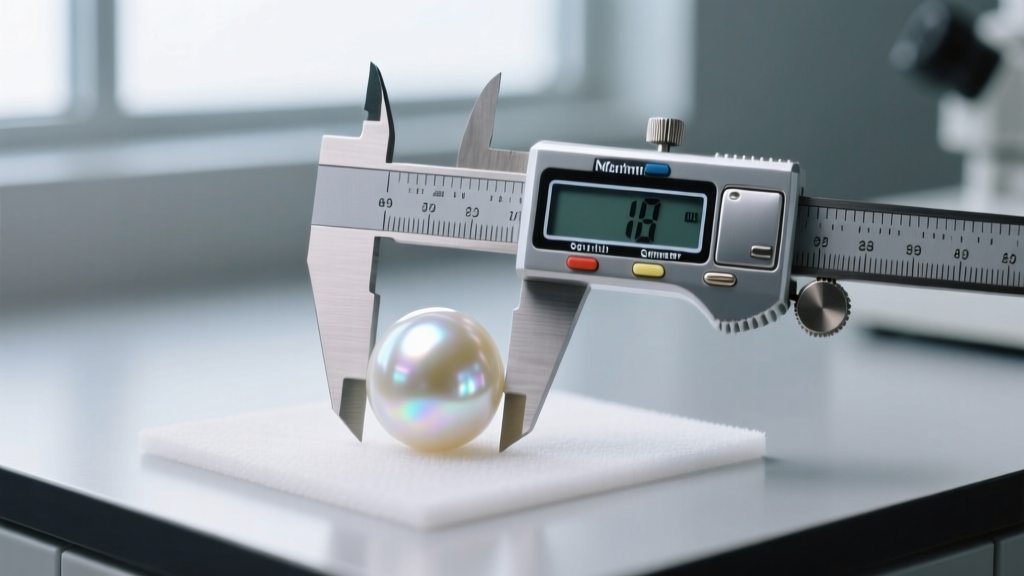
The physical dimensions and type of pearl heavily dictate the baseline pricing tier. Use digital calipers to measure the pearls in millimeters (mm).
| Pearl Type | Typical Size Range | Min. Nacre Requirement | Estimated Retail Value (18" Strand) |
|---|---|---|---|
| Freshwater (Round) | 6.0mm - 10.0mm | Solid Nacre | $100 - $800 |
| Akoya (Saltwater) | 6.0mm - 9.5mm | 0.40mm | $400 - $4,500 |
| Tahitian (Saltwater) | 8.0mm - 14.0mm | 0.80mm | $800 - $12,000 |
| White South Sea | 9.0mm - 16.0mm | 2.00mm | $2,500 - $25,000+ |
Note: Prices reflect high-quality, well-matched strands with excellent luster. Commercial-grade strands with poor luster will fall significantly below these ranges.
Step 4: Inspect the Stringing and Clasp Hardware
The construction of the necklace provides vital clues about its original quality and current structural integrity. High-value pearl necklaces are always strung on pure silk thread with individual knots placed between every single pearl. These knots serve two purposes: they prevent the pearls from rubbing against each other (which causes friction damage and dulls the luster), and they prevent the loss of the entire strand if the silk breaks.
Examine the clasp hardware closely. A genuine, high-value pearl strand will feature a clasp made of solid 14k or 18k gold, or occasionally platinum. Look for the hallmark stamps (e.g., '14K', '18K', '750', or '585'). The clasp should ideally be a 'fishhook' or 'pearl safety clasp' equipped with a secondary figure-eight safety catch. If the necklace features a base metal clasp, magnetic metals, or lacks individual knotting, it is a strong indicator that the pearls themselves are of lower commercial value or that the necklace has been cheaply restrung, which diminishes its appraisal value.
Step 5: Cross-Reference Current Market Pricing
Once you have authenticated the pearls, graded their luster, and verified the hardware, you must contextualize the value of pearl necklace strands within the current market. Retail replacement value is vastly different from fair market resale value.
To gauge accurate resale pricing, consult recent closed auction listings on platforms like Heritage Auctions or Sotheby's for high-end natural pearls, and check specialized secondary jewelry marketplaces for cultured strands. Keep in mind that cultured pearls depreciate significantly the moment they leave a retail jewelry store, much like automobiles. A strand purchased for $3,000 at a luxury mall jeweler may only command $600 to $900 on the private resale market, unless it possesses rare gemological characteristics, such as natural untreated Golden South Sea colors or exceptional Hanadama certification from the Pearl Science Laboratory of Japan.
When to Seek a Certified Gemological Appraisal
While this guide equips you to perform a highly accurate preliminary assessment, certain scenarios require professional intervention. If you suspect your strand consists of natural non-nucleated pearls (pre-1950s vintage pieces) rather than modern cultured pearls, do not rely on a home appraisal. Natural pearls command exponentially higher prices—often reaching tens of thousands of dollars per strand—and require X-ray microradiography by a certified gemological laboratory to prove their origin. For insurance purposes, always seek an appraisal from a credentialed professional affiliated with the American Society of Appraisers (ASA) or a GIA Graduate Gemologist to ensure your documentation is legally and financially sound.


