How to Fix a Snapped Necklace Chain: DIY vs Pro Repair Costs
Learn how to fix a snapped necklace chain with our budget guide. Compare DIY repair costs versus jeweler fees for gold, silver, and platinum.

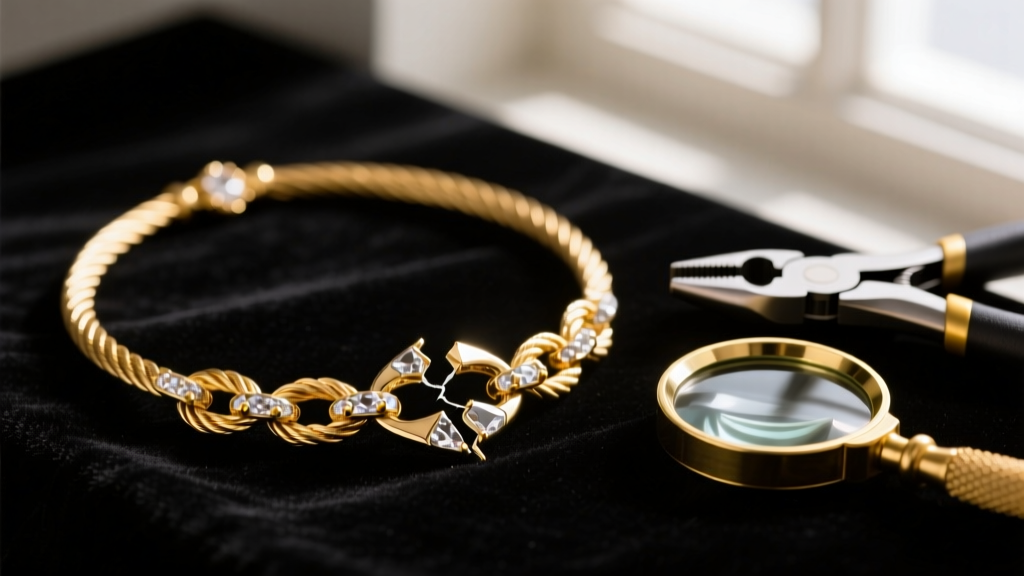
The True Cost of a Broken Chain: Repair vs. Replace
There are few things more frustrating in jewelry ownership than the sudden, weightless sensation of a snapped necklace chain. Whether it caught on a sweater or simply succumbed to years of wear, a broken chain immediately forces a financial decision. As a jewelry appraiser and stylist, I constantly field the question: how to fix a snapped necklace chain without overpaying? The answer requires a strict budget and value assessment.
Before rushing to a jeweler or attempting a clumsy DIY fix, you must apply the 50% Rule of Jewelry Repair. If the cost to repair a mass-produced or purely intrinsic-value chain exceeds 50% of the cost to replace it with a new, equivalent chain, replacement is the mathematically sound choice. However, if the piece holds sentimental value, features a rare antique weave, or is crafted from high-purity metals like 18k gold or 950 platinum, repair almost always retains the highest long-term value.
How to Fix a Snapped Necklace Chain at Home (DIY Methods)
Not every break requires a professional. If you are dealing with standard cable, curb, or figaro chains made of sterling silver or lower-karat gold, a DIY splice can save you $30 to $60 in bench fees. However, you must understand metal fatigue. You cannot simply bend the broken link back into place; the metal has crystallized and weakened at the stress point, and it will snap again within days.
The Jump Ring Splice Method
The most structurally sound DIY repair involves removing the fatigued links and splicing the chain with a new, high-quality jump ring.
- Tools Required: Flush cutters, chain-nose pliers (non-serrated to avoid marring the metal), and a jump ring.
- Material Specs: Use a 20-gauge or 18-gauge jump ring for chains that are 1.5mm to 3.0mm thick. For delicate chains (under 1.2mm), a 22-gauge jump ring is necessary to prevent bulkiness.
- The Process: Use flush cutters to snip out the two links immediately adjacent to the break. Thread the broken ends onto your new jump ring. Using two pairs of pliers, twist the jump ring open laterally (never pull it apart outward, which distorts the circle), close it tightly, and ensure the seam is flush.
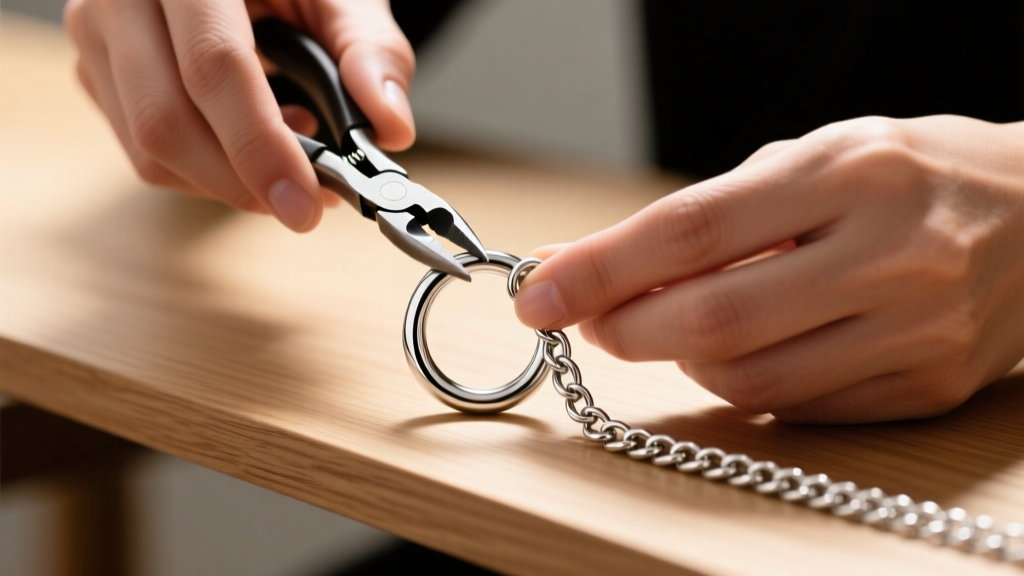
Budget Assessment: A quality jewelry repair kit costs roughly $18 to $25 on retail sites. A pack of fifty 20-gauge sterling silver jump rings costs about $6. Your total DIY investment is under $30, and you now have tools for future repairs. According to the Gemological Institute of America (GIA), proper at-home maintenance and minor repairs can significantly extend the lifespan of everyday wear pieces, provided you use the correct gauge materials to match the chain's tensile strength.
Professional Jeweler Repair: Pricing & Value Assessment
When dealing with complex weaves (box, rope, snake, herringbone) or high-value metals, DIY methods will destroy the piece. Professional jewelers use specialized techniques, primarily laser soldering, to fix a snapped necklace chain without melting the surrounding links.
Traditional torch soldering requires heating a large section of the chain, which can melt delicate box chains or leave visible, discolored solder joints on white gold. Laser welding, conversely, uses a concentrated beam of light to fuse a microscopic piece of matching metal exactly at the break point, requiring no heat dispersion.
2026 Repair Cost Matrix by Chain Type
| Chain Weave | Material Grade | Repair Method | Estimated Cost Range | Value Verdict |
|---|---|---|---|---|
| Standard Cable/Curb | 925 Sterling Silver | Torch Solder | $20 - $35 | Repair if sentimental; replace if generic. |
| Standard Cable/Curb | 14k Yellow Gold | Laser Weld | $45 - $75 | Always repair. Gold retains high intrinsic value. |
| Box / Mariner | 14k / 18k Gold | Laser Weld | $85 - $130 | Repair. These weaves are expensive to replace. |
| Rope Chain | 18k Gold / Platinum | Laser Weld + Polishing | $150 - $250+ | Repair. Rope chains are labor-intensive to manufacture. |
| Snake / Herringbone | Any Precious Metal | Laser Weld (High Risk) | $100 - $180 | Caution. Repairs often leave a permanent stiff 'hinge' point. |
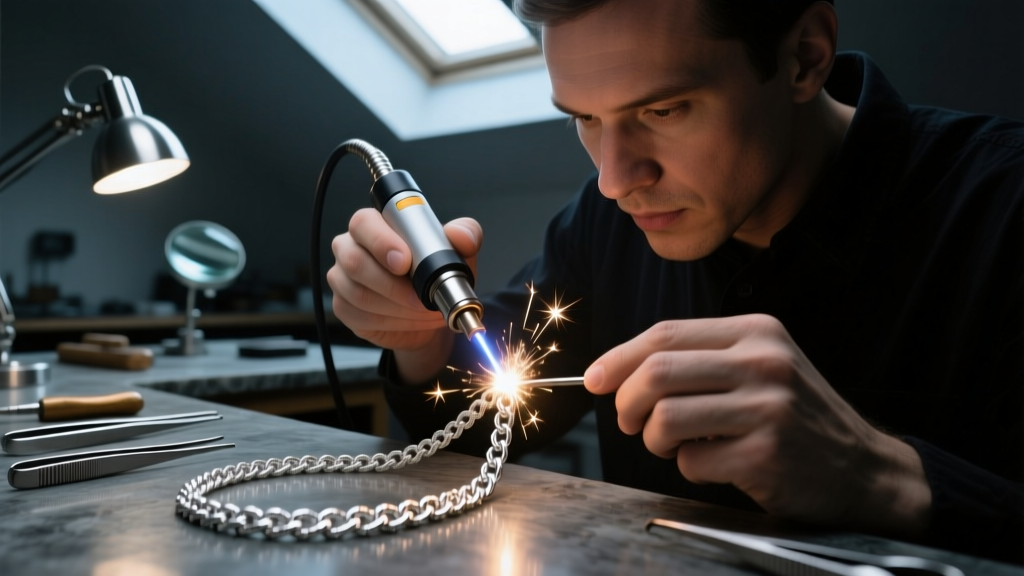
Note on 'Nightmare' Chains: Snake and herringbone chains are constructed from tightly interlocking, flattened rings that lay flush against the skin. When they snap, the structural integrity of the entire weave is compromised. While a laser can fuse the break, the repaired section will almost always remain slightly stiff, creating a permanent 'hinge' that catches on clothing. From a strict budget perspective, if a generic sterling silver herringbone chain snaps, the $120 repair fee vastly outweighs the $40 replacement cost.
When to Abandon Repair: The Scrap Value Threshold
Sometimes, the most financially literate decision is to stop sinking money into a damaged asset. To determine if your broken chain has crossed the scrap value threshold, you must calculate its melt value and compare it to the repair quote.
Calculating Melt Value vs. Repair Cost
- Weigh the Chain: Use a digital jeweler's scale to get the exact gram weight.
- Determine Purity: 10k gold is 41.7% pure; 14k is 58.3%; 18k is 75%.
- Check the Spot Price: Look up the current daily spot price of pure gold per gram.
- The Formula: (Weight in grams) x (Purity percentage) x (Spot price per gram) = Melt Value.
Real-World Scenario: You have a snapped 10k gold cable chain weighing 2.5 grams. The current spot price of pure gold is roughly $60/gram.
2.5g x 0.417 x $60 = $62.55 melt value.
If a local bench jeweler quotes you $75 to laser-solder the break, you are spending more to fix the chain than the raw metal is actually worth. In this scenario, selling the broken chain to a precious metal refiner or trading it in toward a new, more durable chain (like a solid 14k curb) is the superior financial move.
For authoritative guidance on evaluating precious metal hallmarks and understanding intrinsic value before approaching a jeweler, consult the American Gem Society (AGS) directory to ensure you are working with certified appraisers who won't overcharge for basic bench work.
Final Verdict: Protecting Your Investment
Knowing how to fix a snapped necklace chain is ultimately an exercise in risk management. For simple silver and gold cable chains, a $25 DIY jump-ring kit offers the highest return on investment. For complex, high-karat weaves like 18k gold rope chains, paying the $150+ premium for professional laser welding preserves hundreds of dollars in replacement value. Always weigh the repair quote against both the replacement cost and the raw melt value to ensure your jewelry budget remains as brilliant as your collection.


