The Stingray Necklace Trend: 2026 Shagreen & Sculptural Style Guide
Discover the 2026 stingray necklace trend. Explore shagreen leather inlays, sculptural metal pendants, pricing tiers, and expert styling tips.

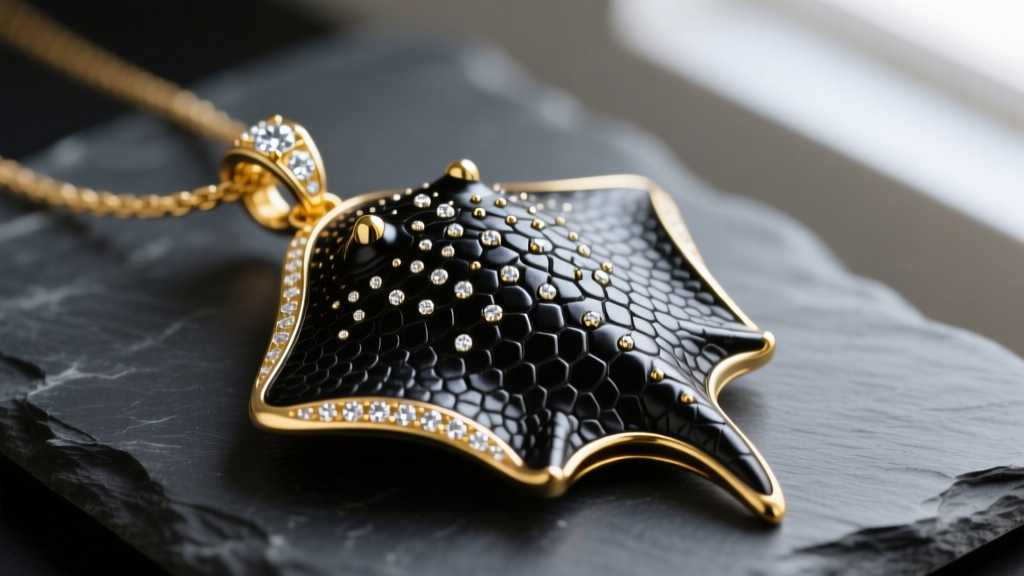
The Rise of Oceanic Luxe: Why Stingray is Dominating 2026
In the evolving landscape of high-end and avant-garde jewelry, the stingray necklace has emerged as a definitive statement piece for 2026. Moving far beyond its historical roots as a niche novelty, stingray jewelry—primarily utilizing shagreen (stingray leather) and sculptural metal castings—has been fully embraced by the "Oceanic Luxe" movement. This trend prioritizes tactile, organic textures paired with precision metalwork. According to sustainability trackers at Vogue Business, consumers are increasingly favoring exotic materials that offer unique visual depth without the severe ecological footprint of endangered reptiles. When sourced responsibly as a byproduct of the fishing industry, stingray leather provides a highly durable, visually striking alternative that perfectly aligns with modern luxury values.
Material Breakdown: Shagreen Inlay vs. Sculptural Metal
When shopping for a stingray necklace, you will encounter two distinct material categories. Understanding the structural and aesthetic differences between them is critical for making an informed purchase.
1. Shagreen (Stingray Leather) Inlays
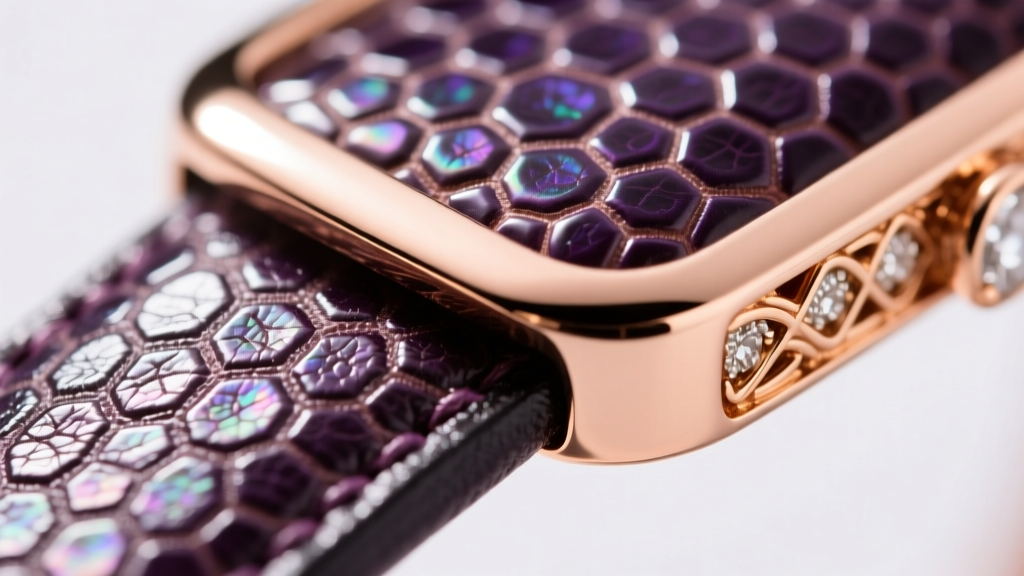
Shagreen is characterized by its unique surface of calcified papillae—tiny, pearl-like beads that give the leather its signature texture. In luxury jewelry, this material is typically processed in two ways:
- Diamond-Dusted (Sanded): The papillae are ground down flush with the leather surface, revealing a translucent, mosaic-like cross-section that catches light similarly to a pavé diamond setting. This is the most popular finish for high-end pendants.
- Polished (Full-Bead): The natural, rounded texture of the papillae is preserved and polished, resulting in a highly tactile, pebbled surface. This finish is more casual and often used in bohemian or surf-inspired luxury lines.
Most premium shagreen is sourced from the Dasyatidae family of stingrays in Southeast Asia. Because these rays are primarily harvested for food, the leather is a byproduct, making it a more sustainable exotic option, provided the trade complies with CITES regulations regarding international wildlife trade.
2. Sculptural Metal & Enamel Motifs
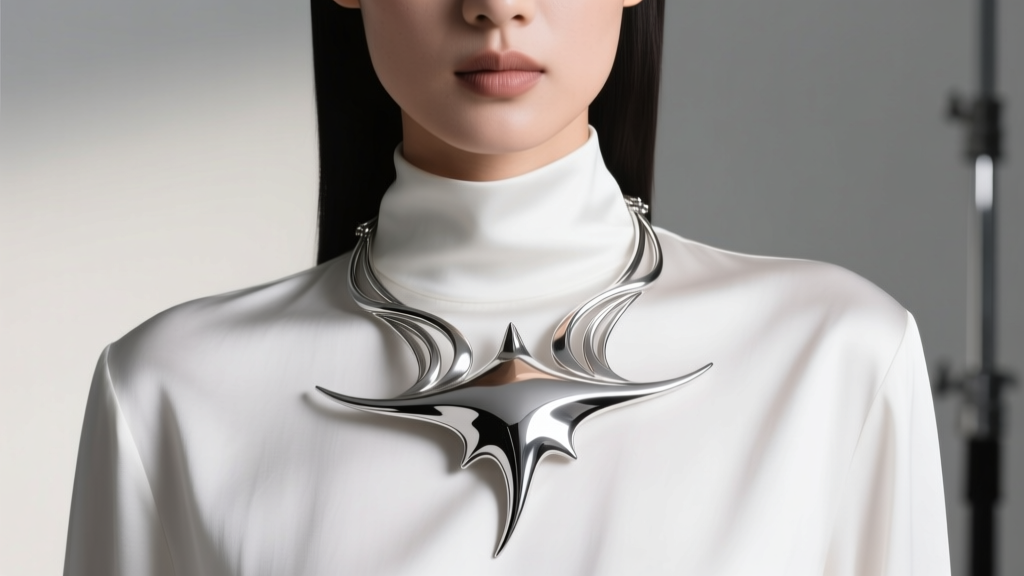
For those who prefer a vegan or purely metallic approach, 2026 has seen a surge in sculptural stingray pendants. These pieces utilize lost-wax casting to recreate the fluid, winged silhouette of the stingray. Artisans are currently favoring recycled 18k gold and rhodium-plated 925 sterling silver, often incorporating guilloché enamel or crushed opal inlays to mimic the iridescence of the ocean.
2026 Pricing Tiers & Market Analysis
The market for stingray necklaces is highly segmented. Below is a breakdown of what you should expect to pay based on material grade, hardware quality, and artisan craftsmanship.
| Tier | Primary Materials | Hardware / Chain | Price Range (USD) |
|---|---|---|---|
| Entry-Level / Fashion | Faux shagreen, stamped base metals | Brass or plated alloy (prone to tarnish) | $45 - $120 |
| Mid-Tier / Boutique | Genuine polished shagreen, cast 925 silver | 1.5mm sterling silver cable chain | $150 - $450 |
| High-Jewelry / Artisan | Diamond-dusted shagreen, 18k solid gold | 18k gold rope or box chain (2.0mm+) | $800 - $3,500+ |
Expert Tip: Always verify the backing material of a shagreen pendant. High-end pieces will feature a solid metal backplate (e.g., 18k gold or sterling silver), while mid-tier pieces may use a brass or copper base that can cause skin discoloration if the plating wears off.
Styling Framework: Necklines & Occasions
A stingray necklace is inherently textural, meaning it requires careful styling to avoid clashing with busy patterns. Here is a practical framework for integrating this piece into your 2026 wardrobe:
- The Deep V-Neck: Pair a medium-sized (25mm-30mm) diamond-dusted shagreen pendant on a 20-inch 18k gold chain with a deep V-neck silk blouse. The smooth, light-reflecting surface of the sanded stingray contrasts beautifully with the matte sheen of silk.
- The Crew Neck / Turtleneck: Opt for a larger, sculptural metal stingray motif on a shorter 16-inch or 18-inch chain. The bold, three-dimensional silhouette rests perfectly against the solid, heavy fabric of a cashmere turtleneck, acting as a modern alternative to a traditional brooch.
- Layering Techniques: If layering, treat the stingray pendant as the anchor piece. Pair it with a delicate 1.0mm satellite chain and a simple 3mm gold bezel-set diamond or mother-of-pearl stud. Avoid layering with other heavily textured pieces like raw crystals or oxidized metals, which will compete with the shagreen's natural complexity.
"The key to styling exotic leathers in fine jewelry is contrast. Let the organic, unpredictable pattern of the stingray leather be the focal point by surrounding it with clean, minimalist metalwork and solid-color garments." — Senior Jewelry Stylist, Jewel Style Radar
Care, Maintenance, and Critical Failure Modes
Shagreen is an incredibly durable material—historically used to cover sword hilts and armor due to its resistance to abrasion. However, when integrated into fine jewelry, it presents specific vulnerabilities that buyers must manage.
The Moisture Ingress Problem
Stingray leather is hygroscopic, meaning it absorbs and releases moisture from the air. The number one failure mode in poorly constructed stingray necklaces is delamination at the bezel edge. If a jeweler uses a rigid epoxy to bond the shagreen to the metal backplate, the natural expansion and contraction of the leather during humidity shifts will cause the adhesive to crack. Over 6 to 12 months, the leather will warp and eventually pop out of the bezel setting.
The Solution: Only purchase from artisans who utilize flexible, silicone-based jewelry adhesives or mechanical tension-setting techniques that allow the leather microscopic room to breathe. Furthermore, avoid wearing shagreen pendants in the shower, swimming pools, or high-sweat environments, as prolonged moisture ingress will stain the unsealed edges of the leather.
UV Degradation
While the calcified papillae are virtually scratch-proof, the organic dyes used to color the leather (especially deep blues, emeralds, and blacks) can fade under prolonged, direct UV exposure. Store your necklace in a dark, climate-controlled jewelry box with a silica gel packet to maintain optimal humidity levels (around 40-50%).
Final Verdict: Is a Stingray Necklace Worth the Investment?
For the collector seeking a departure from traditional gemstones, a high-quality stingray necklace offers unparalleled textural intrigue and a compelling narrative of sustainable, oceanic luxury. By prioritizing diamond-dusted finishes, solid gold or sterling silver hardware, and flexible bezel settings, you can secure a piece that will remain a cornerstone of your avant-garde jewelry collection for decades to come.


