Horse Necklaces Material Guide: Silver vs Gold vs Steel
Discover the best metals for horse necklaces. We compare sterling silver, 14k gold, and 316L steel for durability, tarnish resistance, and pricing.

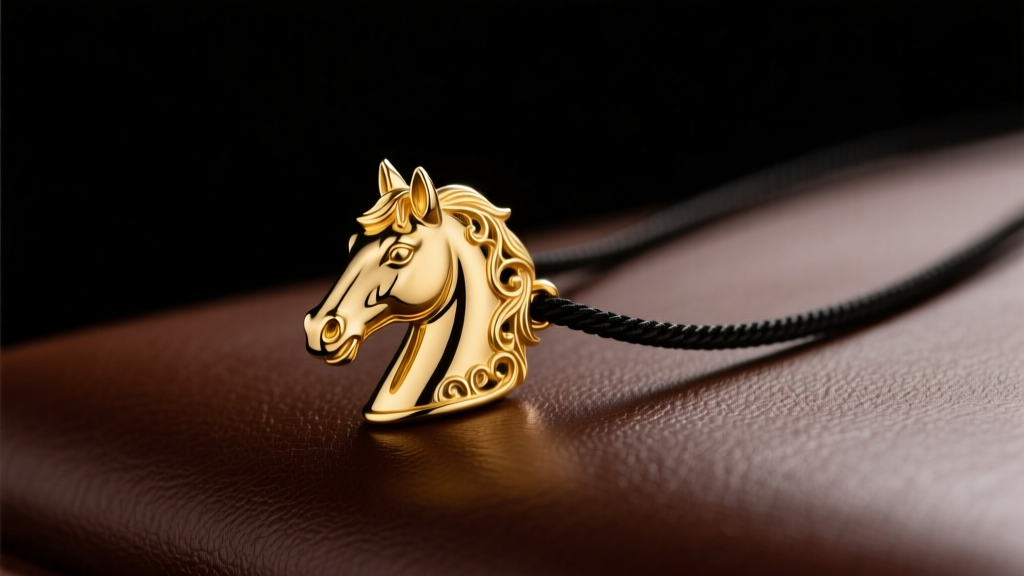
The Unique Environmental Demands of Equestrian Jewelry
When selecting horse necklaces, the aesthetic appeal of a rearing stallion or a delicate horseshoe pendant is only half the equation. Equestrian jewelry faces a uniquely hostile micro-environment. Unlike standard fashion jewelry, pieces worn by active riders or barn professionals are routinely exposed to equine sweat, leather dust, grooming products, and the ambient ammonia present in stable environments. These factors accelerate metal degradation, compromise clasps, and degrade gemstone settings. Understanding the metallurgical properties of your chosen pendant is critical for ensuring longevity, skin safety, and structural integrity.
Metallurgical Breakdown of Equine Pendant Materials
The market for horse necklaces is dominated by four primary metals, each with distinct alloy compositions, hardness ratings, and failure modes. Below, we dissect the properties of each to help you make an informed, data-driven purchase.
Sterling Silver (925) and the Ammonia Problem
Sterling silver is an alloy consisting of 92.5% pure silver and 7.5% copper. While it offers a brilliant, traditional luster that pairs beautifully with Western turquoise accents, the copper content makes it highly susceptible to oxidation. In a barn environment, ambient ammonia from horse urine reacts rapidly with copper and silver to form silver sulfide—a black, crusty tarnish. Furthermore, silver has a low Vickers hardness (approx. 60-70 HV), meaning intricate details on a horse head silhouette will wear smooth over years of friction against riding shirts. To mitigate this, look for 925 silver horse necklaces that feature a thick rhodium plating, which acts as an inert barrier against sulfur and ammonia compounds.
Solid Gold (14k vs 18k) for Active Riders
Gold is highly inert and will not tarnish in the stable, but its purity dictates its durability. 18k gold (75% pure gold) is softer (approx. 120-140 HV) and more prone to scratching and prong deformation. If your horse necklace features diamond-set eyes or delicate gold filigree manes, 14k gold (58.5% pure gold, approx. 140-160 HV) is the superior choice. The higher alloy content (usually copper, zinc, or nickel) provides the tensile strength necessary to keep gemstones secure during the physical exertion of riding. According to the GIA Gem Encyclopedia, 14k gold offers the optimal balance of rich color and structural resilience for daily-wear active jewelry.
Surgical Stainless Steel (316L) for Budget-Conscious Equestrians
For riders seeking extreme durability at an accessible price point, 316L surgical stainless steel is a powerhouse. The 'L' denotes low carbon, and the inclusion of molybdenum provides exceptional resistance to chlorides (found in human sweat) and industrial solvents. Modern 316L steel horse necklaces are highly hypoallergenic, complying with the strict EU Nickel Directive (94/27/EC) for prolonged skin contact. The primary drawback is weight; steel is significantly denser than silver or titanium, which can cause a heavy, solid-cast horseshoe pendant to pull uncomfortably on the back of the neck during long rides.
Aerospace Titanium (Grade 23) for Hypoallergenic Needs
Grade 23 Titanium (Ti 6Al-4V ELI) is the gold standard for biocompatibility. It is entirely nickel-free, featherlight, and boasts a tensile strength that rivals steel at a fraction of the weight. Because titanium is notoriously difficult to cast using traditional jewelry methods, titanium horse necklaces are typically CNC-machined from solid billets, resulting in sharp, modern, minimalist geometries. As of 2026, advanced PVD (Physical Vapor Deposition) coatings allow titanium pendants to mimic the warm hues of rose or yellow gold without the risk of the color flaking off in the barn.
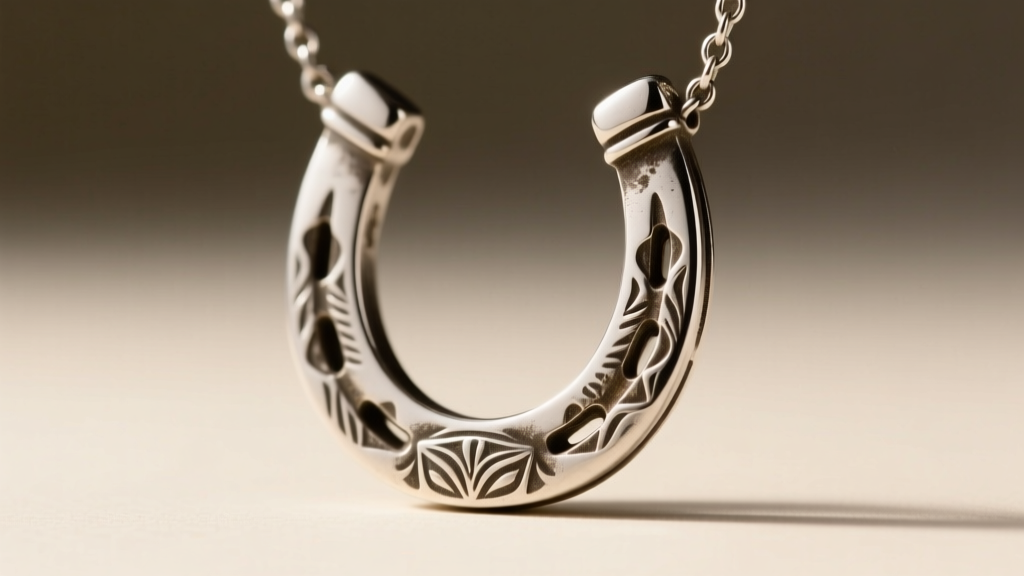
Comprehensive Material Comparison Matrix
Use the following data table to cross-reference material properties against your specific equestrian lifestyle and budget.
| Metal / Alloy | Vickers Hardness (HV) | Tarnish Resistance | Avg. Price Range | Best Equestrian Use Case |
|---|---|---|---|---|
| Sterling Silver (925) | 60 - 70 | Low (Requires Rhodium) | $40 - $150 | Western show jewelry, occasional wear |
| 14k Solid Gold | 140 - 160 | Excellent | $250 - $850+ | Daily wear, gem-set horse head pendants |
| 316L Stainless Steel | 150 - 190 | High | $25 - $75 | Barn work, rugged trail riding |
| Grade 23 Titanium | 300 - 340 | Excellent | $90 - $220 | Highly sensitive skin, minimalist styles |
Chain Gauges and Clasp Mechanics for Heavy Pendants
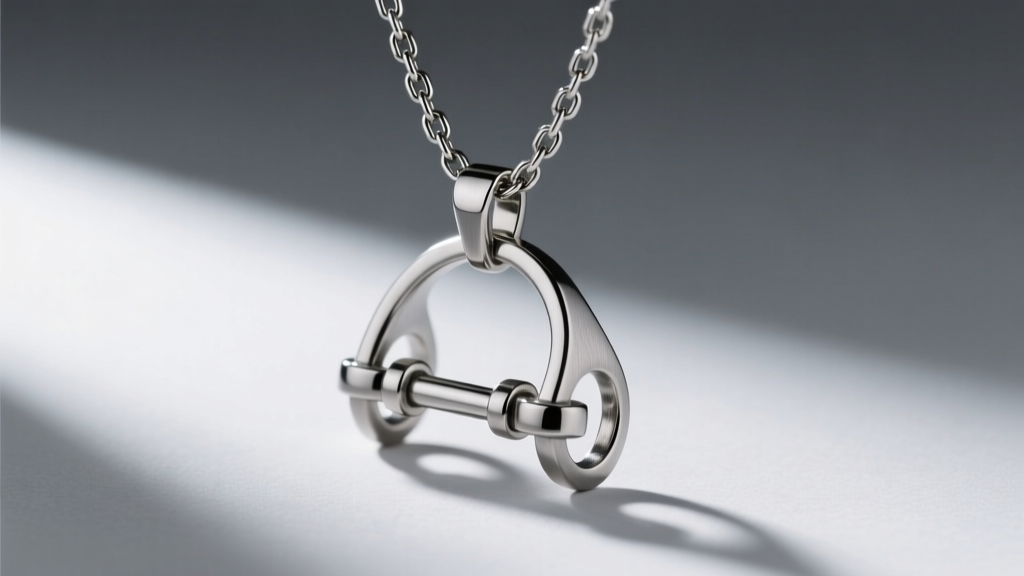
The pendant is only as secure as the chain and clasp supporting it. Equestrian pendants—particularly solid-cast horseshoes or detailed snaffle bits—carry significant kinetic weight. When a rider trots or jumps, the pendant swings, placing immense sheer stress on the chain links and clasp spring.
- Chain Gauge: Avoid delicate 0.9mm or 1.2mm box chains for solid metal pendants. Opt for a 1.5mm to 2.0mm wheat or rope chain. The interlocking, multi-directional links of a wheat chain distribute kinetic stress evenly, preventing the micro-fractures that cause box chains to snap unexpectedly.
- Clasp Selection: Spring ring clasps are inadequate for heavy horse necklaces; their internal tension springs fatigue quickly when subjected to the weight of a swinging pendant. Always upgrade to a lobster claw clasp with a reinforced steel internal spring. For ultimate security during competitive riding, a screw-barrel clasp provides a mechanical lock that cannot be accidentally snagged open by a riding crop or rein.
Western vs. English Styles: Material Pairings
The discipline you ride often dictates the stylistic and material conventions of your jewelry. Western equestrians frequently favor sterling silver horse necklaces inlaid with turquoise, lapis lazuli, or coral. These porous gemstones are highly sensitive to the acids in human sweat and the chemicals in leather cleaners. If you choose Western-style silver, ensure the stones are bezel-set with a tight, burnished edge to prevent the accumulation of barn dust and moisture beneath the stone, which can cause the backing foil to oxidize and turn the gemstone black.
Conversely, English riders and dressage competitors tend to prefer understated, minimalist profiles—such as a sleek 14k gold jumping horse silhouette or a polished steel snaffle bit. These designs lack crevices where leather dust and grooming sprays can accumulate, making them significantly easier to sanitize and maintain.
Maintenance and Tarnish Prevention Protocols
Proper maintenance extends the life of your equestrian jewelry and preserves its metallurgical integrity. The Jewelers of America recommends specific care routines based on material composition:
- Silver & Gold: Clean weekly using a few drops of mild, phosphate-free dish soap and warm water. Use a soft, natural horsehair brush (ironically, one of the best tools for cleaning horse jewelry) to gently dislodge dust from engraved manes or horseshoe nail holes. Rinse and pat dry with a microfiber cloth.
- Ultrasonic Warnings: Never place silver horse necklaces with oxidized (antiqued) detailing or porous Western gemstones into an ultrasonic cleaner. The high-frequency vibrations will strip the intentional black patina from the crevices and can easily fracture turquoise or opal inlays.
- Steel & Titanium: These metals are virtually maintenance-free but can accumulate skin oils and stable dust. Wiping them down with a 70% isopropyl alcohol pad after a long day at the barn will dissolve oils and restore their original luster without the need for abrasive polishes.
Final Verdict: Choosing Your Equine Pendant
Selecting the ideal metal for horse necklaces requires balancing your budget, your riding discipline, and your willingness to perform maintenance. For heirloom-quality pieces featuring gemstones or intricate engraving, 14k solid gold remains the undisputed champion of durability and inertness. For rugged, daily barn wear where scratches and impacts are guaranteed, 316L stainless steel offers unmatched peace of mind. By aligning the metallurgical properties of your jewelry with the realities of the equestrian environment, you ensure that your passion for horses is represented by a piece that endures for a lifetime.
For further reading on international metal purity standards and alloy compositions, refer to the testing guidelines published by ASTM International.


