Step-by-Step Guide to Layering a Circle Necklace Pendant
Learn how to expertly layer a circle necklace pendant. This step-by-step guide covers chain lengths, metal pairings, and neckline matching.

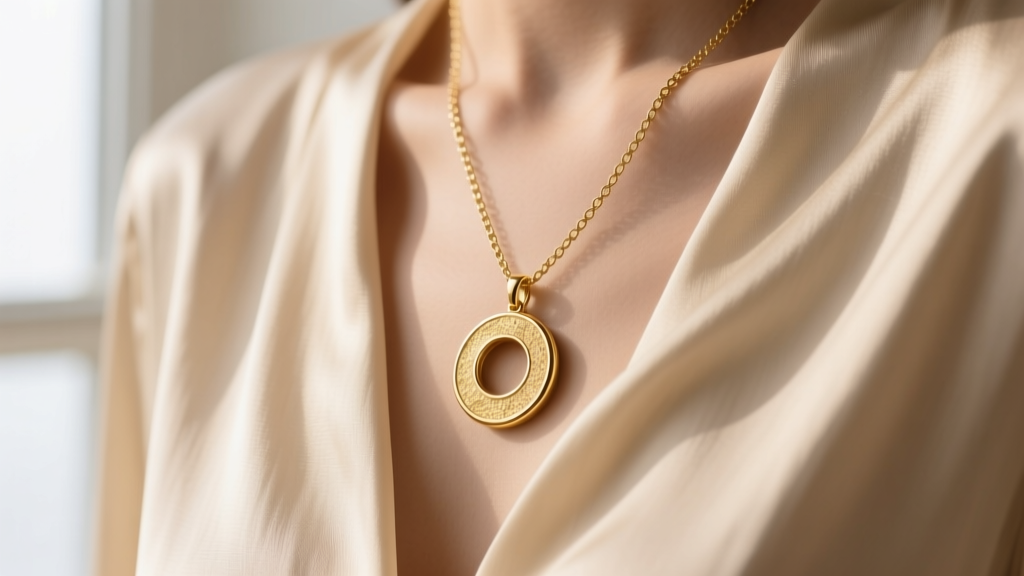
The circle necklace pendant is a masterclass in geometric simplicity, representing eternity, unity, and timeless elegance. As we navigate the layered jewelry trends of 2026, the circular motif remains a foundational anchor in any curated neckline stack. However, achieving a flawless, tangle-free layer requires more than just throwing multiple chains over your head. It demands a strategic understanding of proportions, chain link physics, and metal alloys. This comprehensive, step-by-step guide will teach you how to select, layer, and maintain your circle pendants with the precision of a professional stylist.
The Anatomy of a Perfect Circle Pendant Layer
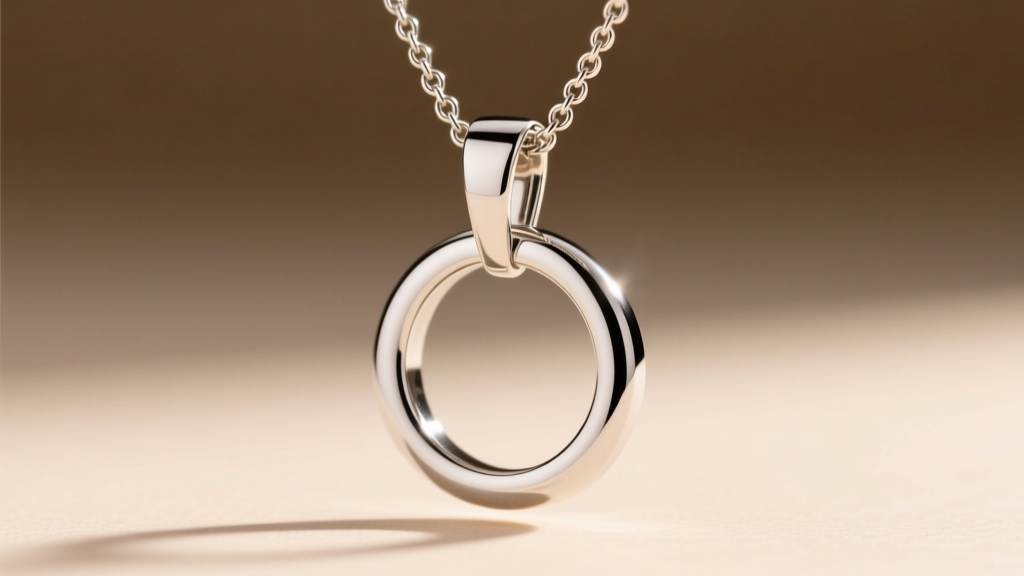
Before building your stack, you must understand the physical constraints of the jewelry. The most common failure point in layering is ignoring the bail—the loop that connects the pendant to the chain. A standard 15mm circle necklace pendant typically features a 4x6mm bail, which comfortably accommodates chains up to 1.5mm in thickness. If you attempt to thread a 2.5mm Cuban link through a standard bail, you will warp the jump ring or damage the clasp. Furthermore, the visual weight of a solid disc pendant versus an open-circle (halo) pendant drastically alters how it sits against the collarbone. Solid discs reflect light and draw the eye immediately, acting as the focal point, while open circles allow secondary layered chains to remain visible beneath them.
Step 1: Selecting the Base Chain and Pendant Size
The foundation of your stack dictates the maximum pendant size you can wear without looking top-heavy. The general rule of thumb in jewelry design is that the chain's width should be roughly 10% to 15% of the pendant's diameter to maintain visual harmony. According to manufacturing standards detailed by Halstead Bead, matching the chain link type to the pendant weight is crucial for preventing premature wear on the bail.
| Pendant Diameter | Style Category | Ideal Chain Width | Recommended Chain Link |
|---|---|---|---|
| 8mm - 12mm | Minimalist / Subtle | 0.8mm - 1.0mm | Fine Box, Delicate Cable |
| 13mm - 18mm | Standard / Everyday | 1.2mm - 1.5mm | Rolo, Standard Box |
| 20mm - 30mm+ | Statement / Bold | 1.8mm - 2.5mm | Rope, Small Cuban, Wheat |
Step 2: The 2-Inch Rule for Layering Lengths
The golden rule of necklace layering is the 2-inch cascade. To prevent your circle necklace pendant from overlapping and obscuring the other pieces in your stack, you must maintain a strict minimum 2-inch gap between each chain length.
- Layer 1 (The Choker): 14 inches. This sits high on the collarbone. Use a simple 1.0mm cable chain with no pendant, or a tiny 8mm bezel-set gemstone.
- Layer 2 (The Anchor): 16 inches. This is where your primary circle necklace pendant resides. A 15mm disc on a 1.2mm box chain at this length rests perfectly in the suprasternal notch (the hollow of the throat).
- Layer 3 (The Elongator): 18 inches. Use a heavier, textured chain like a 2.0mm rope chain, or a secondary pendant (like a vertical bar or a larger 20mm open circle) to draw the eye downward and elongate the neck.
Troubleshooting Chain Tangling
Nothing ruins a curated stack faster than a knotted mess. Chains tangle due to surface friction, electrostatic attraction, and the microscopic interlocking of links. Fine cable chains and snake chains are notorious tanglers because their tight, continuous links easily wrap around the larger gaps of neighboring chains. To combat this, utilize Box chains or Rolo chains for your circle pendant layers. Their 90-degree angles and wider, uniform gaps resist interlocking.
Pro-Tip: Add a 2-gram to 4-gram decorative clasp weight (or a cluster of heavy jump rings) to the back of your longest chain at the nape of your neck. This creates a subtle pendulum effect, keeping the front drape taut, separated, and centered on your chest.
Step 3: Matching Metals and Finishes
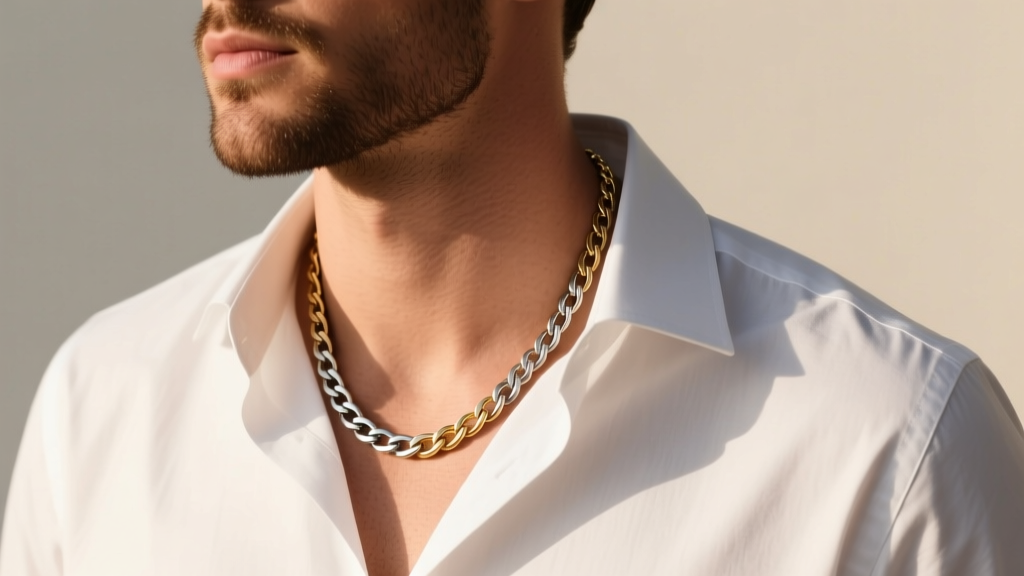
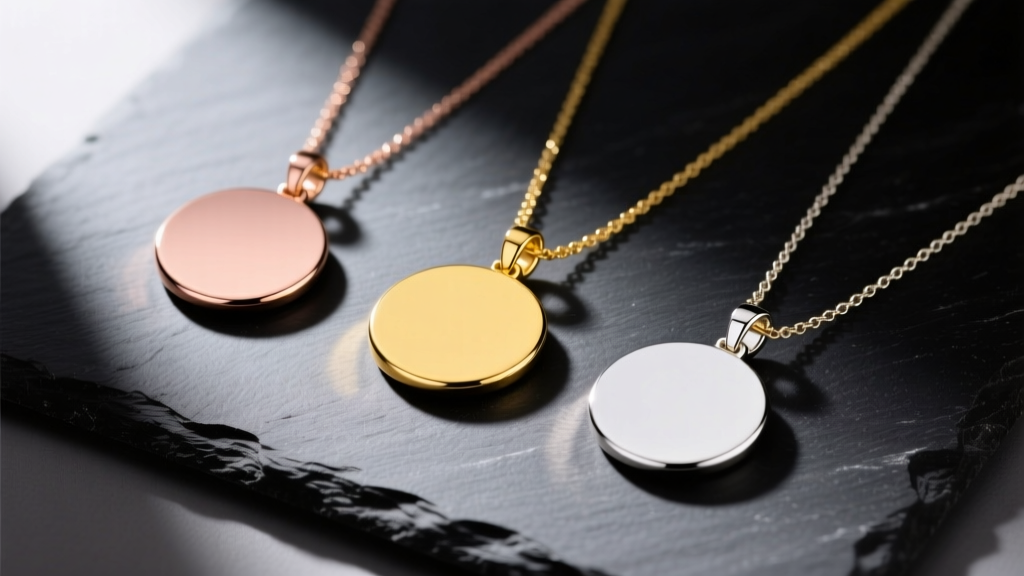
Mixing metals is a hallmark of 2026 styling, but it must be done with an understanding of metal hardness and oxidation. Pairing a high-polish 14k yellow gold circle pendant with a matte-finish sterling silver chain creates a deliberate, modern contrast. However, you must be mindful of galvanic corrosion and friction wear. If a harder metal (like 14k white gold) constantly rubs against a softer metal (like 24k gold or pure silver), it will act like sandpaper, slowly wearing away the softer piece.
For silver lovers, upgrade from traditional 925 Sterling Silver to Argentium Silver (935). Argentium replaces some of the copper alloy with germanium, making it highly resistant to tarnish and significantly brighter. This means your silver circle pendants will require a fraction of the polishing maintenance when layered against the skin.
Step 4: Adapting to Necklines and Occasions
The versatility of the circle necklace pendant shines when adapted to specific garment necklines. Here is your structural framework for pairing:
- The V-Neck: Follow the geometry of the garment. Use an 18-inch chain with a 20mm circle pendant so the circular shape rests just above the apex of the V-neck, softening the sharp angles of the collar.
- The Crew Neck: Keep it tight and high. A 14-inch choker paired with a 15-inch delicate circle pendant resting directly on the fabric collar provides a chic, structured look without the chains getting lost in the cotton.
- The Scoop Neck: This wide-open canvas requires volume. Utilize the full 14-16-18 inch cascade, ensuring your central circle pendant is at least 18mm in diameter to hold its own against the exposed skin.
Maintenance: Keeping Your Pendants Pristine
Layered necklaces accumulate skin oils, lotions, and environmental dust at an accelerated rate, particularly where the pendant bail rubs against the chain. The Gemological Institute of America (GIA) recommends regular, gentle cleaning to maintain the luster of your precious metals.
Expert Warning: Never place a layered stack into an ultrasonic cleaner while the pendants are still attached to the chains. The high-frequency vibrations can loosen the jump rings, warp delicate bail loops, and cause micro-fractures in any gemstone accents. Always detach your circle pendants before ultrasonic cleaning.
For weekly maintenance, use a few drops of mild, phosphate-free dish soap in warm water. Soak the detached circle pendants and chains for 10 minutes, then gently agitate with an extra-soft baby toothbrush. Pay special attention to the inside of the bail and the clasp mechanism, where debris accumulates. Rinse thoroughly with distilled water to prevent hard water spots, and dry completely with a microfiber cloth before storing them flat or hanging them individually to prevent the chains from knotting.
Final Thoughts
Mastering the art of the circle necklace pendant stack is about balancing geometry, physics, and personal style. By respecting the 2-inch rule, selecting the correct chain width for your pendant's bail, and utilizing anti-tangle link structures, you can build a layered neckline that is as durable as it is beautiful. Whether you are opting for a singular, minimalist 10mm disc or a bold, mixed-metal cascade, these technical foundations will ensure your jewelry performs flawlessly in 2026 and beyond.