The Glomesh Necklace: A Beginner's Guide to Mesh Chains
Discover the glomesh necklace trend. Learn how to choose, style, and care for woven gold mesh chains with our expert beginner-friendly guide.

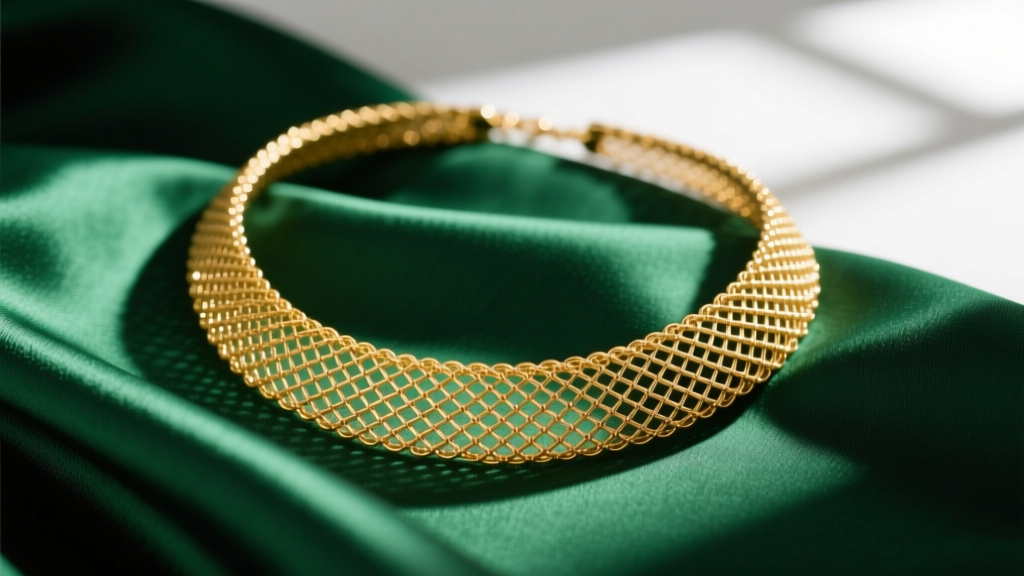
If you have been exploring 2026's quiet luxury trends or scrolling through jewelry forums, you have likely encountered the viral glomesh necklace. While newcomers often use "glomesh" as a portmanteau of "glow" and "mesh" (or simply a phonetic typo for gold mesh), the industry term for this breathtaking, fluid jewelry is the Milanese mesh or woven box chain. Unlike standard cable or curb chains that rely on distinct, individual links, a mesh necklace is constructed from hundreds of micro-interlocking metal rings woven together. The result is a chain that behaves less like traditional jewelry and more like liquid metal, draping seamlessly against the collarbone without kinking or tangling.
Whether you are looking to invest in a solid 14k gold piece or explore high-quality vermeil options, this beginner-friendly explainer will break down everything you need to know about material grades, sizing dynamics, and the hidden failure modes of mesh chains.
What Exactly is a Glomesh Necklace?
The term "glomesh" has become a catch-all search phrase for highly polished, tightly woven metal chains. Historically, this style traces back to the Milanese mesh technique, which originated in Italy during the 19th century. Artisans used fine wire to create a flexible, fabric-like metal textile. Today, modern laser-welding and precision machinery allow jewelers to create seamless, incredibly smooth mesh chains that reflect light from every angle. Because the links are so small and densely packed, the chain possesses a unique "fluid drape" that mimics the movement of silk or water, making it a favorite for minimalist and elegant styling.
Material Grades & Karat Weights: What to Buy
When shopping for a gold mesh necklace, understanding the metallurgy is critical. Mesh chains require a specific balance of malleability (to weave the micro-links) and tensile strength (to prevent the chain from stretching or snapping). According to the Gemological Institute of America (GIA), the alloy composition drastically affects both the color and durability of the chain.
| Material Type | Purity / Composition | Durability for Mesh | Average Price Range |
|---|---|---|---|
| 14k Solid Gold | 58.5% Pure Gold | Excellent (High tensile strength) | $450 - $1,200 |
| 18k Solid Gold | 75.0% Pure Gold | Good (Softer, prone to stretching) | $800 - $2,500+ |
| Gold Vermeil | Sterling Silver + 2.5μm Gold | Moderate (Core is strong, plating wears) | $85 - $200 |
| Gold Plated | Brass/Copper + Flash Plating | Poor (Base metal oxidizes, plating flakes) | $25 - $60 |
Expert Tip: For everyday wear, 14k gold is the superior choice for mesh chains. The higher copper and zinc content in 14k alloys provides the structural integrity needed to keep the micro-links from warping. If you opt for vermeil, ensure the brand explicitly states a minimum thickness of 2.5 microns, which is the legal requirement for vermeil and ensures the gold layer won't rub off against your skin within a few months.
Sizing, Width, and Drape Dynamics
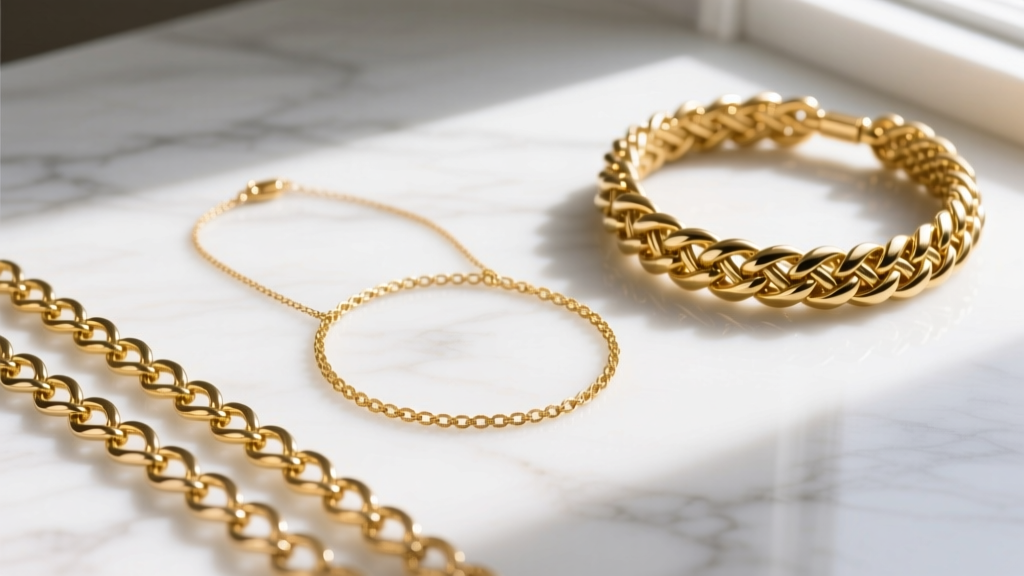
The visual weight of a glomesh necklace is determined by its width, which fundamentally changes how it interacts with light and clothing. Here is a practical framework for choosing the right width:
- 3mm - 4mm (The Delicate Drape): Ideal for layering or wearing with pendants. This width is lightweight and offers a subtle, shimmering effect. It pairs beautifully with V-neck blouses and slip dresses.
- 5mm - 6mm (The Everyday Standard): The most versatile width. It has enough presence to be worn alone as a statement piece but remains understated enough for office environments. It mimics the look of a high-end luxury watch bracelet.
- 8mm - 12mm+ (The Statement Collar): Often worn as a choker or collar length (14-16 inches). These wide mesh chains are heavy, highly reflective, and serve as the focal point of an outfit. Best worn over solid-colored turtlenecks or with off-the-shoulder evening wear.
The Catch: Common Failure Modes & How to Avoid Them
While mesh necklaces are stunning, their unique construction introduces specific vulnerabilities that every beginner must understand before purchasing.
1. The "Cashmere Catch" (Snagging)
Because Milanese mesh is woven from hundreds of tiny wire loops, microscopic burrs or slightly lifted links can act like Velcro. Mesh chains are notorious for snagging on fine knits like cashmere, mohair, and loosely woven wool. Solution: Always put your mesh necklace on after you have finished dressing, and remove it before taking off tight-knit sweaters to avoid pulling the links out of alignment.
2. The Kink Factor
Unlike a rope chain that can be easily untangled, a mesh chain that gets sharply folded or kinked can suffer permanent structural damage. Once the micro-links are crushed, they create a stiff, dark spot in the chain that cannot be repaired without replacing the entire section. Solution: Never sleep in a mesh necklace, and always store it laid flat or hung vertically on a padded jewelry stand.
3. Clasp Degradation
The fluid nature of the chain puts unique rotational stress on the clasp. Lobster clasps on cheaper mesh chains often fail because the swivel joint cannot handle the chain's twisting motion. Look for brands that use reinforced box clasps with a figure-eight safety latch, or ensure the lobster clasp has a high-quality internal spring mechanism.
Styling Your Mesh Chain for 2026
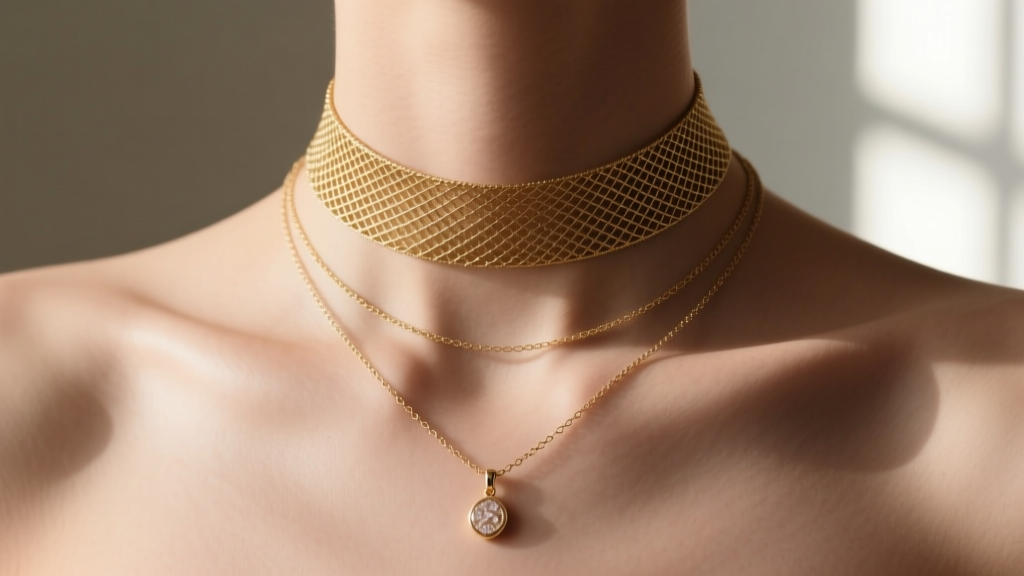
The beauty of the glomesh necklace lies in its ability to bridge the gap between casual and formal. In 2026, the prevailing trend is "textural contrast." Pairing the high-polish, liquid look of a gold mesh chain against matte, heavy fabrics creates a striking visual dynamic.
"A 5mm Milanese mesh chain is the ultimate wardrobe workhorse. It provides the shine of a diamond without the formality, making it perfect for transitioning from a daytime blazer to an evening silk cami." — Editorial Styling Notes, Jewel Style Radar
For layering, combine a 16-inch 3mm mesh choker with an 18-inch or 20-inch standard cable chain featuring a single, bold pendant (like a raw turquoise or a geometric gold signet). The contrasting chain textures prevent the necklaces from tangling together and create a curated, multi-dimensional look.
Care and Maintenance Routine
Cleaning a mesh necklace requires a gentle touch. The dense weave traps skin oils, lotions, and environmental dust deep within the links, which can dull the chain's signature "glow" over time.
What to Avoid: Never use ultrasonic cleaners on mesh chains. The high-frequency vibrations can loosen the micro-welds and cause the chain to fray or stretch. Additionally, avoid harsh chemical dips, which can strip the alloy metals and leave the gold looking porous.
The Proper Cleaning Method:
- Mix a few drops of mild, phosphate-free dish soap into a bowl of lukewarm water.
- Submerge the necklace for 3 to 5 minutes to loosen trapped oils.
- Using an extra-soft baby toothbrush, gently brush the chain in the direction of the weave. Do not scrub in circles, as this can lift the links.
- Rinse thoroughly under lukewarm running water and pat dry with a lint-free microfiber cloth.
By understanding the nuances of the glomesh necklace—from selecting the right karat weight to avoiding common snagging hazards—you can confidently invest in a piece of fluid metal that will elevate your jewelry collection for years to come. For more detailed guidelines on preserving your fine jewelry, consult the Jewelers of America care resources.


