A Beginner's Guide to Elegant Mother and Daughter Necklaces
Discover how to choose elegant mother and daughter necklaces. Learn about durable materials, chain styles, and subtle designs for everyday wear.

The Evolution of the Bonding Necklace
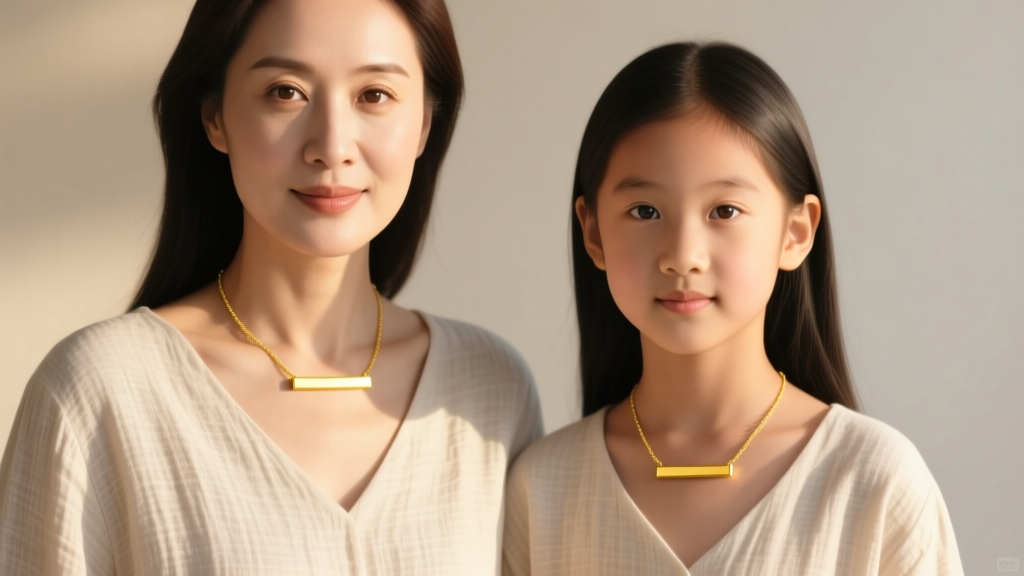
When most people hear the phrase 'mother and daughter necklaces,' they immediately picture the chunky, interlocking puzzle-piece pendants or literal half-heart charms that dominated the early 2000s. While those pieces hold nostalgic value, modern jewelry design has shifted dramatically toward subtlety, elegance, and everyday wearability. Today, the goal is to choose pieces that both a mother and her child actually want to wear independently, while still sharing a hidden or subtle connection.
For beginners navigating this sentimental jewelry category, the challenge lies in balancing durability (especially for younger children) with aesthetic maturity. A piece must withstand the rigors of a child's daily activities—swimming, sleeping, and playing—while remaining sophisticated enough for a mother's professional or evening wardrobe. This guide breaks down the exact materials, chain mechanics, and design motifs you need to know to make an informed, lasting investment.
Decoding Metals: What Survives Daily Wear?
The most common failure point for shared jewelry is material degradation. Children are notoriously hard on jewelry, often exposing it to chlorine, saltwater, and harsh soaps. Choosing the right metal grade is non-negotiable for a piece meant to last a lifetime.
According to the Gemological Institute of America (GIA), understanding gold karats and alloy compositions is essential for predicting how a metal will hold up over time. Pure 24k gold is far too soft for daily wear chains, which is why alloyed metals are the industry standard.
| Metal Type | Durability & Tarnish Risk | Best For | Avg. Price (Set of 2) |
|---|---|---|---|
| Sterling Silver (925) | Moderate durability; high tarnish risk if unplated. | Older teens and adults; budget-conscious buyers. | $60 - $140 |
| 14k Solid Gold | High durability; zero tarnish; excellent scratch resistance. | Everyday wear; swimming and showering; young children. | $350 - $750 |
| Gold Vermeil | Low durability; gold layer wears off, exposing silver core. | Occasional wear only; not recommended for kids. | $90 - $160 |
| Platinum | Extreme durability; hypoallergenic; develops a patina. | Lifetime heirlooms; severe metal allergies. | $900 - $1,800+ |
Expert Tip: Avoid gold-plated brass or copper bases for children. Once the microscopic gold layer wears away, the base metals will oxidize rapidly and turn the skin green or black. Always opt for solid 14k gold or rhodium-plated sterling silver for pieces that will be worn in the shower.
Chain Mechanics and Length Matrices
The chain is the structural backbone of any necklace. A beautiful pendant is useless if the chain kinks, snaps, or tangles constantly. When selecting mother and daughter necklaces, you must account for the differing neck circumferences and activity levels of the wearers.
The Ideal Length Matrix
- Ages 3-6: 12 to 14 inches. Always ensure the chain has a 2-inch extender to allow for growth.
- Ages 7-12: 14 to 15 inches. This sits comfortably just below the collarbone.
- Teens & Adults: 16 to 18 inches. A 16-inch chain offers a modern, closer-to-the-neck look, while 18 inches provides a relaxed, traditional drape.
Chain Link Styles: What to Buy and What to Avoid
Not all chain links are created equal. The gauge (thickness) and the link structure dictate the chain's lifespan.
- Box Chains (0.6mm - 0.8mm): The gold standard for kids. The square, interlocking links distribute tension evenly and are highly resistant to kinking.
- Cable Chains (0.7mm): A classic, round-link chain. It is durable but prone to catching on hair or fine fabrics if the links are slightly pulled apart.
- Snake Chains: Avoid for children. While they look sleek and fluid, the tightly packed metal bands easily kink if bent sharply. Once a snake chain kinks, it cannot be repaired and must be replaced.
- Rope Chains: Beautiful for adults, but the twisted grooves can trap lotion, sunscreen, and dirt, making them difficult to clean after a child's outdoor play.
Moving Beyond the Half-Heart: Modern Design Motifs
The modern approach to bonding jewelry relies on 'if you know, you know' subtlety. Instead of literal puzzle pieces that only make sense when the two wearers are standing side-by-side, contemporary jewelers use abstract or personalized motifs.
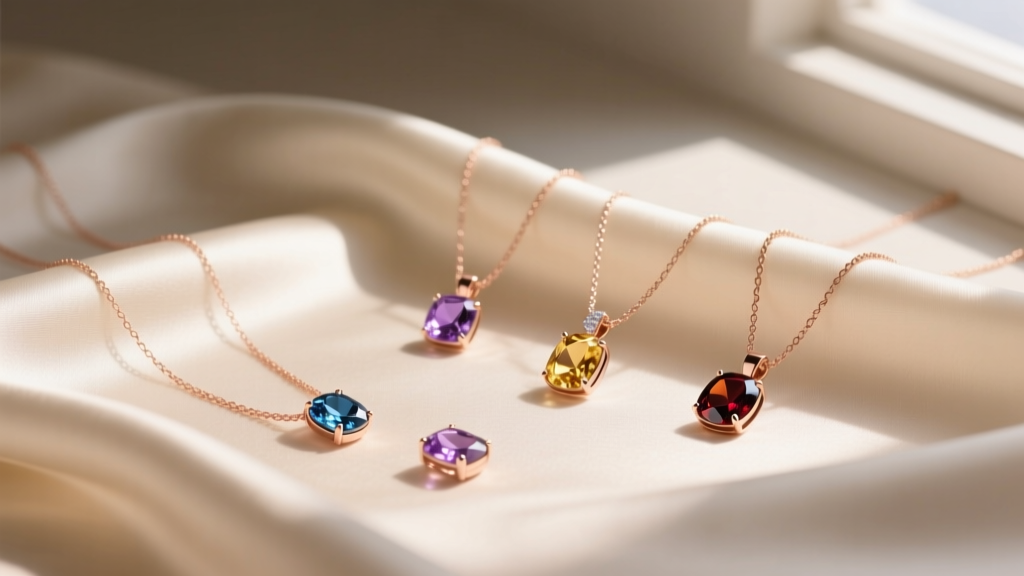
- Birthstone Constellations: A delicate bar pendant featuring the tiny, flush-set birthstones of both the mother and child. It looks like a standard minimalist bar necklace to the outside world, but holds deep personal meaning.
- Coordinate Engravings: Pendants engraved with the exact latitude and longitude of the hospital where the child was born, or the family home.
- Asymmetrical Gemstones: The mother wears a pendant with a larger, primary gemstone (e.g., a 4mm emerald), while the daughter wears a matching chain with a smaller, 2mm accent stone of the exact same cut and material.
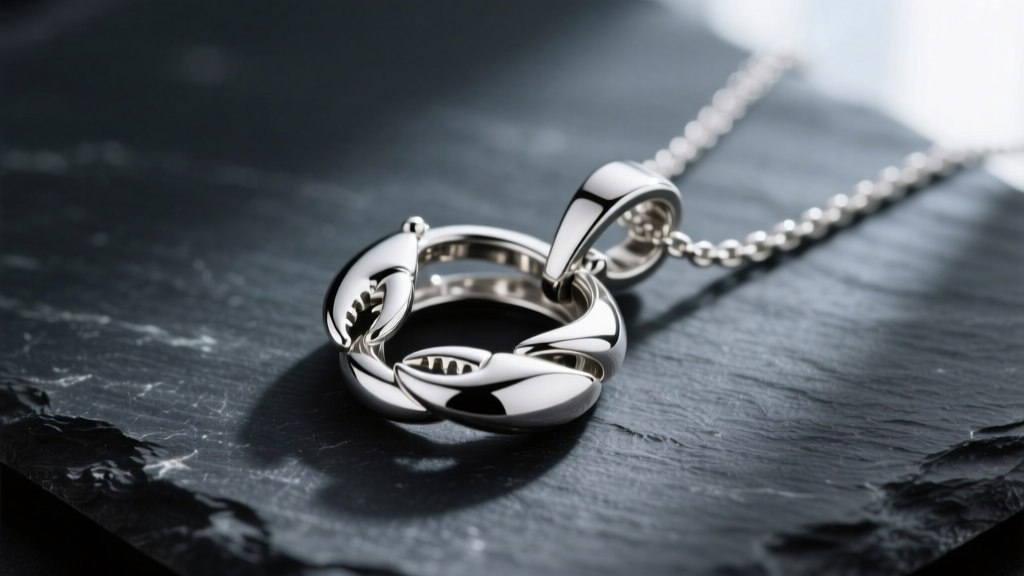
- Interlocking Rings: Two thin, solid gold circles that link together. This is a more mature, abstract nod to the traditional interlocking hearts, suitable for a mother to wear in a corporate boardroom.
Real-World Troubleshooting: Clasps, Tangles, and Allergies
Even the most beautifully designed mother and daughter necklaces will fail if the hardware is substandard. Here is how to troubleshoot the most common issues before you buy.
The Clasp Conundrum
Standard spring-ring clasps are notoriously difficult for children (and adults with long fingernails) to operate. They often snap shut on the skin or fail to close completely, leading to lost pendants. Always upgrade to a lobster clasp. Lobster clasps feature a spring-loaded lever that is easier to grip and provides a much more secure lock. For young children, some jewelers offer magnetic clasps, though these can pull apart if the chain is tugged forcefully during play.
Jump Ring Security
The jump ring is the tiny metal loop connecting the pendant to the chain. On mass-produced jewelry, jump rings are simply bent into a circle, leaving a microscopic gap. Over time, friction from the chain can work the pendant right out of this gap. When purchasing, look for soldered jump rings (where the gap is fused shut with metal) or ask your local jeweler to solder the ring for a nominal fee (usually under $10).
Navigating Skin Sensitivities
Contact dermatitis from jewelry is incredibly common in children. The American Academy of Dermatology notes that nickel is the most frequent culprit in jewelry-related allergic reactions. Nickel is often used as a hardening alloy in lower-karat golds and white gold. If your child has sensitive skin, avoid white gold (which is almost always alloyed with nickel and plated in rhodium that eventually wears off) and opt for 14k or 18k yellow gold, or pure platinum, which are inherently hypoallergenic.
Final Thoughts on Investing in the Bond
Choosing the right mother and daughter necklaces is an exercise in balancing sentimentality with structural engineering. By prioritizing solid metals like 14k gold, selecting kink-resistant box chains, and opting for subtle, personalized motifs over overt novelty designs, you ensure the jewelry will be cherished and worn daily. Take the time to verify the clasp mechanics and metal purity, and you will create a beautiful, enduring symbol of your bond that easily transitions from the playground to the real world.


