The Chris Cornell Necklace Fork Trend: 2026 Style Guide
Explore the 2026 revival of the Chris Cornell necklace fork trend. Discover material grades, chain pairings, and how to style this iconic grunge pendant.

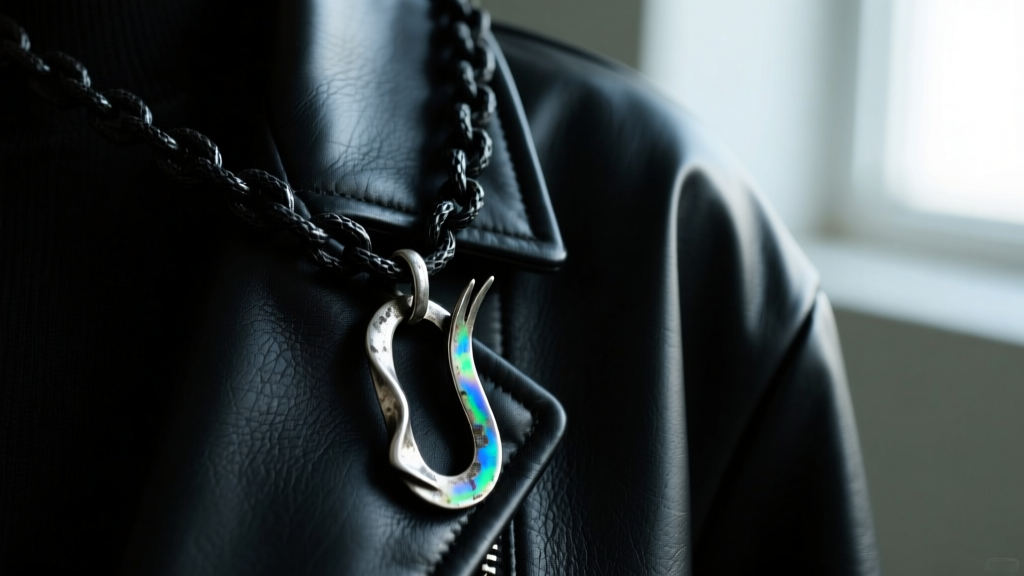
The chris cornell necklace fork remains one of the most iconic and enduring artifacts of the 1990s Seattle grunge movement. Originally a raw, DIY expression of anti-establishment ethos, the bent fork pendant worn by the legendary Soundgarden and Audioslave frontman has transcended its musical roots to become a staple of neo-grunge and dark Americana fashion. As we navigate the style landscape of 2026, the fork necklace has experienced a massive resurgence, driven by a cultural appetite for authentic, distressed, and historically grounded jewelry. This guide breaks down the metallurgy, styling mechanics, and sourcing strategies for the modern fork pendant.
The Origins and Anatomy of the Grunge Fork Pendant
During the height of the grunge era, jewelry was less about precious gemstones and more about repurposed, everyday objects that carried a visceral, lived-in energy. According to music and cultural historians documenting the grunge movement, musicians often scavenged thrift stores for vintage silverware, religious medallions, and hardware. Cornell’s signature piece was typically a tarnished, bent silver fork, sometimes worn alone and sometimes layered with small crucifixes or occult pendants.
The traditional anatomy of this pendant involves bending the handle of the fork upward into a U-shape or a tight circle to create a makeshift bail, while the tines are either left straight, splayed outward, or curled inward. In 2026, contemporary jewelers have refined this raw concept, offering structurally sound versions that maintain the distressed aesthetic without the risk of the metal snapping against the chest.
Metallurgy and Material Science: Choosing Your Fork
If you are considering a DIY approach or commissioning a custom piece, understanding metal fatigue and work hardening is critical. Bending a fork without proper preparation will result in micro-fractures and catastrophic failure. Below is a breakdown of the most common materials used for fork pendants today.
| Material Grade | Bending Properties | Durability & Wear | Price Range (2026) |
|---|---|---|---|
| 925 Sterling Silver | Requires annealing at 1100°F before bending. Work-hardens quickly. | High. Will tarnish naturally, adding to the grunge aesthetic. | $85 - $250 |
| Silver-Plated Brass | Poor. Bending will crack the plating and expose the brass core. | Low. Flaking plating can cause skin irritation. | $15 - $40 |
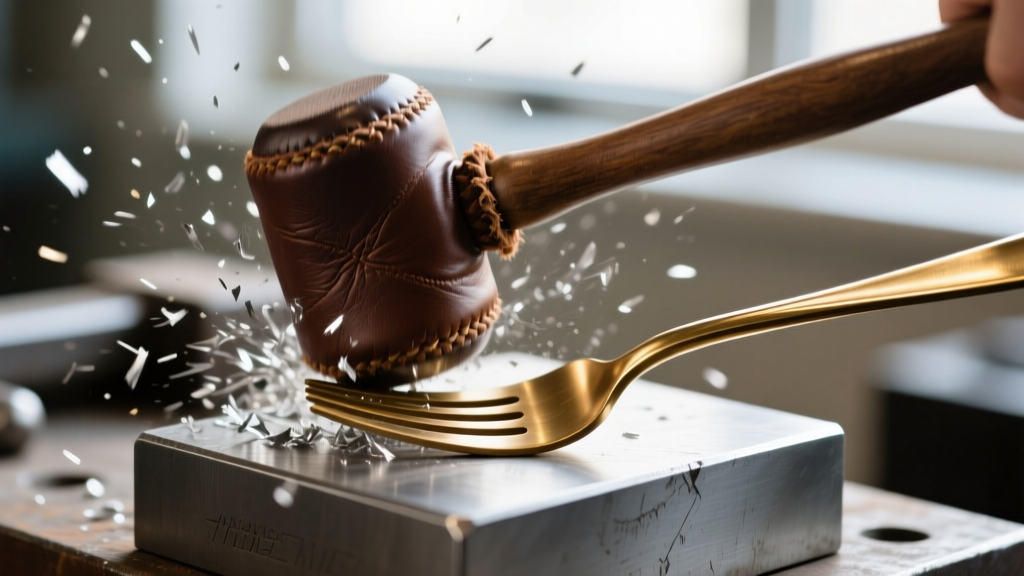
| 316L Surgical Steel | Extremely rigid. Requires a bench vise, heat, and heavy leather mallet. | Excellent. Hypoallergenic, rust-proof, and maintains a dark polish. | $45 - $120 |
| Grade 23 Titanium | Very difficult to bend without specialized hydraulic jewelry presses. | Unmatched. Featherweight and completely impervious to tarnish. | $150 - $350 |
For authentic vintage sourcing, avoid silver-plated flatware. As noted by the experts at Rio Grande, a leading jewelry supply authority, bending plated metals compromises the electroplated layer, leading to rapid degradation. Always opt for solid 925 sterling silver or modern 316L stainless steel for a piece meant to be worn daily.
Chain Pairing and Bail Mechanics
A fork pendant is inherently heavy and asymmetrical. Pairing it with a delicate chain is a structural mistake that will lead to broken links and lost jewelry. In 2026, the standard for heavy pendants dictates specific chain profiles and bail constructions.
Optimal Chain Profiles
- 4mm - 6mm Cuban Link: The undisputed king of grunge chain pairings. The flat, interlocking links distribute the weight of the fork evenly and provide a bold, industrial contrast to the ornate tines of vintage silverware.
- 3mm - 4mm Rope Chain: Offers a slightly more refined, textured look. The twisted links catch the light beautifully, though they are slightly more prone to catching on flannel fabrics.
- 5mm Figaro Chain: A classic choice that adds a touch of traditional menswear jewelry to the raw fork aesthetic.
Bail Construction Methods
How the fork attaches to the chain dictates its drape and longevity. The original 90s method involved simply bending the handle into a loop. However, modern artisan approaches include:
- The Hidden Pinch Bail: A small, glued or clamped sterling silver bail attached to the back of the fork handle, allowing the fork to hang perfectly straight without a visible loop.
- Wire Wrapping: Using 18-gauge or 20-gauge oxidized copper or silver wire to bind the top of the handle, creating a rugged, custom bail that enhances the DIY spirit of the piece.
- Drilled Shank: A jeweler drills a 2mm hole directly through the upper handle, allowing a chain or leather cord to pass straight through the metal.
Styling the Fork Necklace in 2026
Styling a piece with such heavy historical and subcultural weight requires a deliberate approach to layering and necklines. The fork pendant is not a subtle accessory; it is a focal point.

Neckline Compatibility
The ideal length for a fork necklace is between 24 and 28 inches (matinee to opera length). This allows the heavy tines to rest against the sternum rather than flipping awkwardly against the collarbone. It pairs best with:
- Heavyweight Flannel & Denim: Leave the top three buttons of a flannel shirt undone. The fork should rest against the skin or an undershirt, framed by the heavy fabric.
- Distressed Leather Jackets: A 26-inch Cuban link with a tarnished silver fork is the ultimate companion to a vintage motorcycle jacket.
- Plain Heavyweight Tees: A 220gsm cotton t-shirt in charcoal or faded black provides a blank canvas that lets the metallic texture of the pendant take center stage.
Layering Strategies
While the Chris Cornell aesthetic often featured the fork as a standalone statement, modern 2026 layering techniques allow for more complex arrangements. Pair a 28-inch fork pendant with a 20-inch oxidized silver bead necklace and a 24-inch simple box chain. Ensure there is at least a 4-inch length differential between chains to prevent the heavy fork from tangling with lighter pieces.
Sourcing: DIY vs. Artisan vs. Designer
Depending on your budget and desire for authenticity, the market offers three distinct avenues for acquiring a fork necklace today.
The DIY Route ($10 - $30): Sourcing solid sterling silver flatware from estate sales or antique malls is highly rewarding. Look for hallmarks like '925' or 'Sterling' stamped on the back of the handle. You will need a jeweler's torch for annealing, a rawhide mallet, and a bench vise to bend the metal without marring the surface. This route guarantees a one-of-a-kind piece with genuine vintage character.
The Artisan Route ($60 - $150): Platforms like Etsy are populated by specialized metalworkers who cast or forge fork pendants specifically designed for jewelry wear. These pieces often feature reinforced bails, pre-oxidized finishes, and ergonomic bends that won't poke the wearer's chest.
The Designer Route ($250+): High-end alternative jewelers and neo-grunge fashion houses have begun incorporating the fork motif into their 2026 collections, casting them in solid gold or heavy blackened rhodium. These pieces elevate the grunge aesthetic into luxury territory, suitable for high-fashion editorial styling.
Final Thoughts on the Grunge Revival
The chris cornell necklace fork is far more than a nostalgic novelty; it is a testament to the enduring power of raw, unpolished self-expression in jewelry design. Whether you are bending a thrifted sterling silver fork in your garage or commissioning a master jeweler to cast one in titanium, the key to pulling off this trend lies in respecting the material properties and pairing it with the correct heavy-duty chain. As the neo-grunge movement continues to define alternative fashion in 2026, the fork pendant remains a sharp, unapologetic symbol of rock and roll heritage.


