Necklace Chunky Silver Guide: 2026 Budget & Value Check
Evaluate the true cost of a statement piece. Our 2026 budget guide breaks down gram weight, silver grades, and pricing for your next buy.

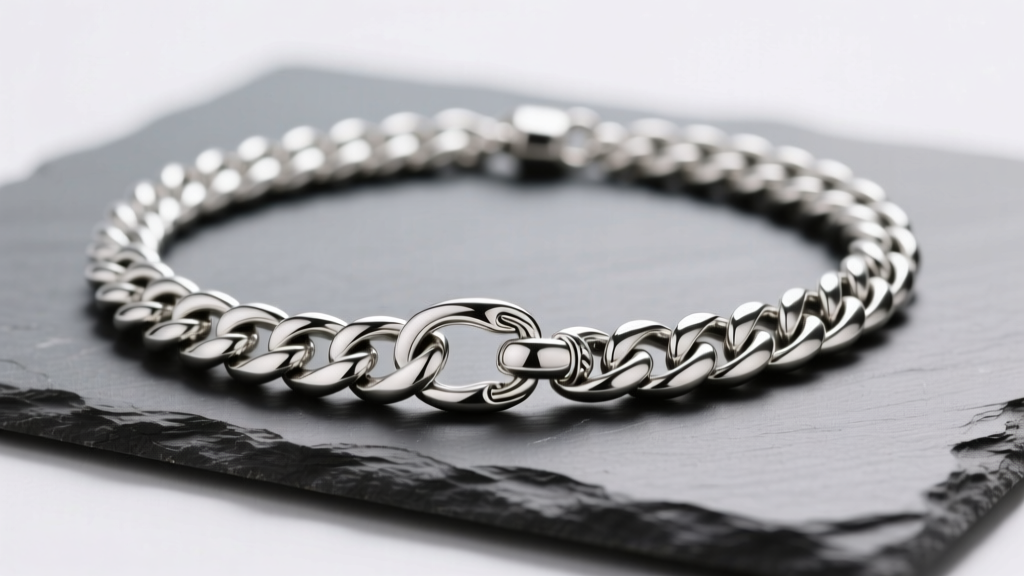
When buyers type 'necklace chunky silver' into search engines, they are usually looking for a bold aesthetic, but the financial reality of purchasing heavy precious metals requires a strategic approach. In 2026, the market for statement silver jewelry has bifurcated into mass-produced hollow chains and solid, investment-grade links. Understanding the difference between aesthetic volume and intrinsic metal value is the key to maximizing your jewelry budget. This guide strips away the marketing fluff and evaluates the true cost-per-wear, material grades, and structural integrity of heavy silver chains.
The Economics of Heavy Metal: Understanding Intrinsic Value
Unlike fashion jewelry, a heavy silver chain possesses a baseline intrinsic value tied to the commodities market. As of early 2026, the spot price of silver hovers around $32 to $35 per troy ounce (approximately $1.05 to $1.15 per gram). According to Kitco Silver Markets, precious metal fluctuations directly impact the retail floor price of solid jewelry.
To assess if you are getting a fair deal, you must calculate the melt value. A standard troy ounce is 31.1 grams. Therefore, a solid 60-gram sterling silver chain contains roughly 55.5 grams of pure silver (since sterling is 92.5% silver). The raw melt value of that chain is approximately $60. Retailers typically apply a markup of 2x to 4x the melt value to cover manufacturing, labor, polishing, and overhead. If a brand is charging $400 for a 60-gram chain, you are paying a massive premium for the brand name or artisan craftsmanship. If they are charging $70, you are likely buying a hollow or heavily alloyed product.
Silver Grades and Tarnish: What Are You Actually Paying For?
Not all silver is created equal. The GIA Silver Guide outlines the standard purity markers, but modern metallurgy has introduced alternatives that drastically change the maintenance budget of your jewelry.
| Silver Grade | Composition | Tarnish Resistance | Price Premium (vs 925) | Best For |
|---|---|---|---|---|
| 925 Sterling | 92.5% Silver, 7.5% Copper | Low (Copper oxidizes) | Baseline | Everyday wear, vintage styles |
| 935 Argentium | 93.5% Silver, Germanium | High (Slow oxidation) | +15% to 25% | Low-maintenance chunky chains |
| 999 Fine Silver | 99.9% Pure Silver | Very High | +5% to 10% | Pendants (Too soft for links) |
For a chunky chain, 999 Fine Silver is a poor investment. Pure silver lacks the tensile strength required for interlocking links and will stretch or deform under its own weight. 925 Sterling is the industry standard, but the copper content guarantees it will tarnish, requiring annual professional polishing (adding $20-$40 to your yearly maintenance budget). Paying the 15% premium for 935 Argentium silver is often the smartest budget move for heavy chains, as the germanium substitution creates a transparent oxide layer that virtually eliminates black tarnish, saving you years of maintenance costs.
Solid vs. Hollow: The Structural Integrity Test
The most common trap in the budget market is the 'hollow' chain. Manufacturers use electroforming or stamped-and-soldered techniques to create links that look massive but weigh a fraction of their solid counterparts. A hollow paperclip chain might measure 10mm in width but weigh only 12 grams, whereas a solid 10mm curb chain will weigh upwards of 65 grams.
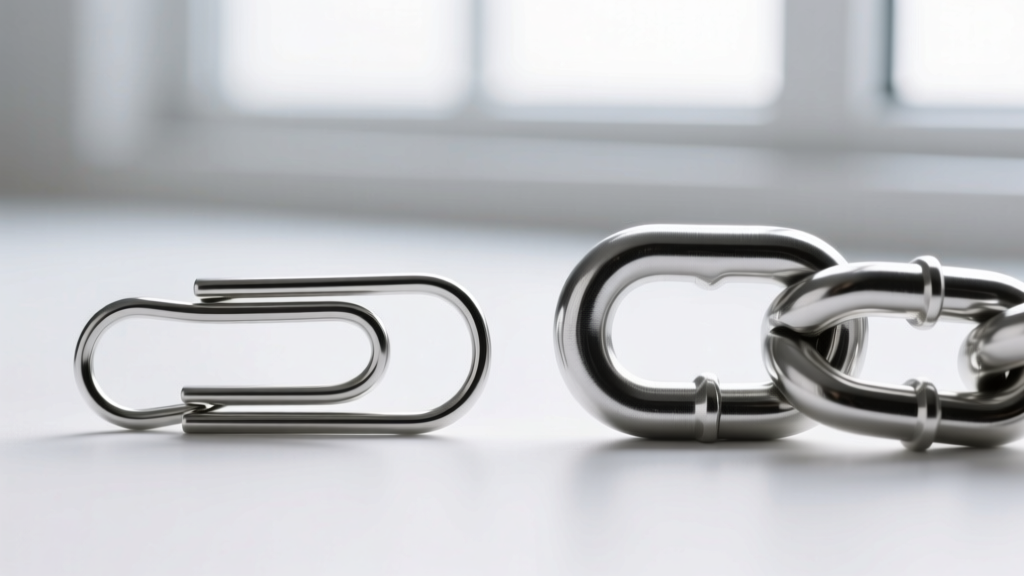
While hollow chains save money upfront, they are a terrible long-term value. The thin walls (often less than 1mm thick) are highly susceptible to denting from minor impacts. More importantly, hollow chains are virtually impossible to repair. If a link snaps or crushes, a jeweler cannot apply a soldering torch without melting the entire surrounding structure. Solid links, conversely, can be easily soldered, polished, and restored over decades of wear, making their cost-per-wear significantly lower over a ten-year period.
2026 Price Tiers: Budget, Mid-Range, and Investment
To help you benchmark your purchases, we have categorized the current market pricing for solid, 925 sterling silver chunky chains (typically 8mm to 12mm in width, 18 to 20 inches in length).
- The Budget Tier ($80 - $150): Expect 20 to 35 grams of solid silver. These chains are usually thinner (6mm-8mm) or feature simpler link patterns like the rope or figaro. Hardware will be standard, lightweight lobster clasps.
- The Mid-Tier ($150 - $350): The sweet spot for value. Expect 40 to 70 grams of solid silver. This tier includes classic Cuban and curb links (8mm-10mm). You should expect high-quality diamond-cut polishing and reinforced jump rings.
- The Investment Tier ($350 - $800+): Heavyweight chains ranging from 80 to 150+ grams. These feature 10mm to 14mm widths, custom-machined box clasps with figure-8 safeties, and often utilize Argentium silver or specialized artisan finishes like oxidized or sandblasted links.
Clasps and Hardware: The Weak Points of Chunky Chains
A 100-gram silver chain exerts significant kinetic force on its clasp when the wearer moves. According to Jewelers of America, clasp failure is the leading cause of jewelry loss. Budget brands often attach cheap, lightweight lobster clasps to heavy chains to save on manufacturing costs. A standard 12mm lobster clasp is rated for roughly 30 to 40 grams of tension. When used on an 80-gram Cuban link, the internal spring mechanism will eventually fatigue and snap.
When assessing value, inspect the hardware. A high-value chunky chain will feature a custom box clasp (which locks the chain flush) paired with a figure-8 safety catch, or a heavy-duty, solid-cast toggle clasp. If a brand is selling a heavy chain with a flimsy lobster clasp, factor in the $40 to $60 cost of having a jeweler upgrade the hardware immediately upon purchase.
The Cost-Per-Wear Verdict
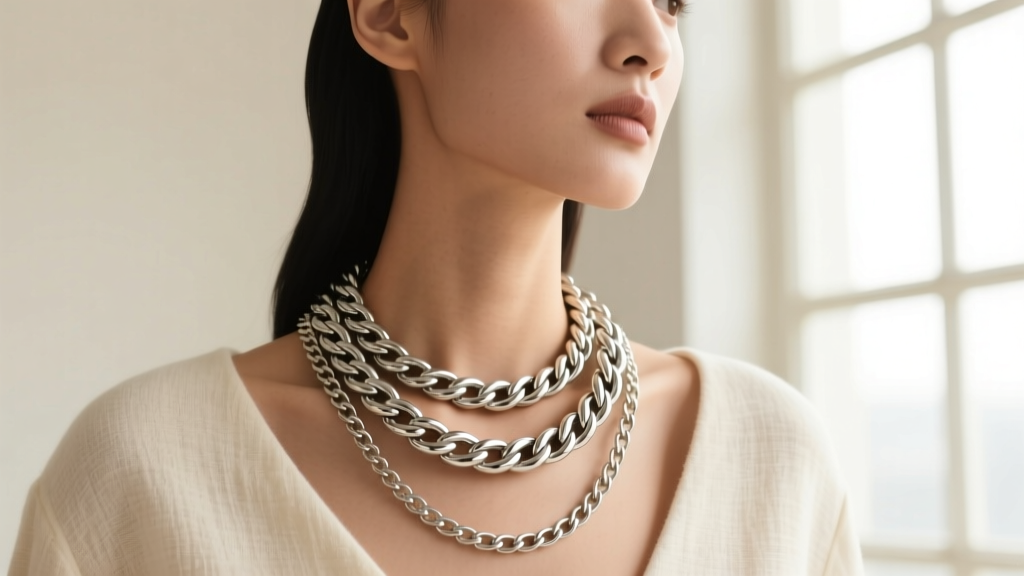
Ultimately, the value of a heavy silver chain is derived from its versatility and durability. A 50-gram solid sterling silver Cuban link worn 200 days a year over five years costs roughly $0.25 per wear, while retaining a residual melt value of over $50. Compare this to a $150 brass or silver-plated 'chunky' chain that will inevitably rub off, turn your skin green, and end up in a landfill within a single season.
When allocating your jewelry budget in 2026, prioritize gram weight and structural solidity over trendy, exaggerated link shapes. Stick to 925 Sterling or upgrade to 935 Argentium for low maintenance, demand solid construction over hollow volume, and never compromise on the clasp. By treating your silver jewelry as a wearable commodity rather than a disposable accessory, you secure a piece that holds both aesthetic dominance and undeniable financial value.


