How to Clean Your Anthropologie Tiny Clover Chain Necklace
Learn expert care and cleaning tips for your Anthropologie tiny clover chain necklace. Protect the plating, enamel, and delicate chain from tarnish.

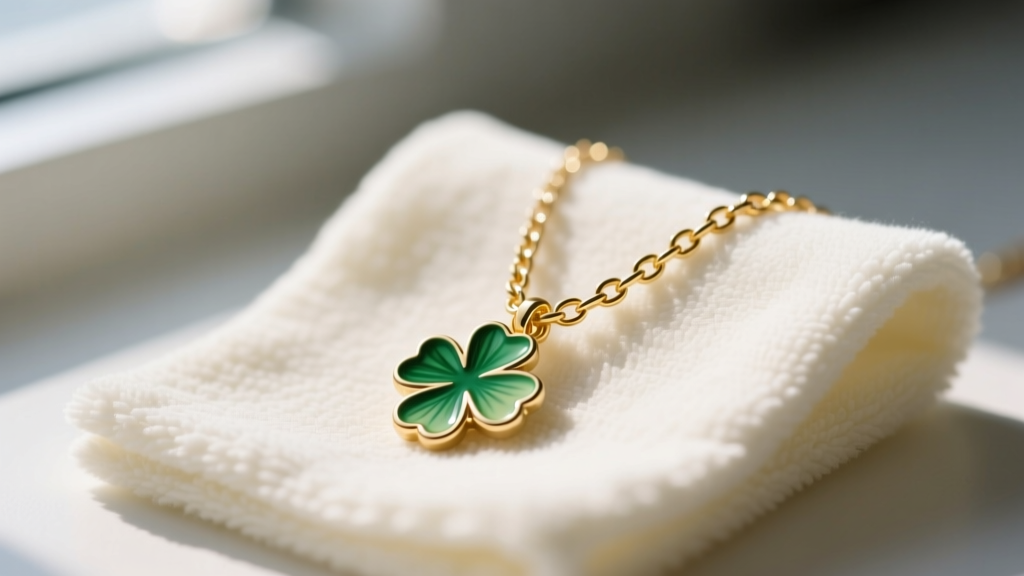
The Anthropologie tiny clover chain necklace has cemented its status as a beloved staple in everyday fashion jewelry. Its dainty aesthetic, featuring a delicate cable chain and a charming clover motif, makes it an ideal candidate for layering or standalone wear. However, like most fashion jewelry, it requires a highly specific maintenance routine to prevent the plating from wearing off, the enamel from clouding, and the fine chain from snapping. In this comprehensive care guide, we break down the exact material science behind your necklace and provide a step-by-step protocol to keep it looking pristine for years to come.
Understanding the Material Science of Fashion Jewelry
Before applying any cleaning solution, it is critical to understand what your Anthropologie tiny clover chain necklace is actually made of. According to the Jewelers of America, fashion jewelry typically utilizes a base metal—often brass or a zinc alloy—which is then electroplated with a thin layer of gold-tone or silver-tone metal.
Flash Plating vs. Vermeil
Unlike vermeil, which requires a minimum of 2.5 microns of gold over sterling silver, fashion jewelry usually features "flash plating." This layer is often less than 0.5 microns thick. Because the plating is exceptionally thin, abrasive cleaners, ultrasonic machines, and harsh chemicals will strip the finish down to the base brass in a matter of seconds.
Cold Enamel Vulnerabilities
The colorful accents on the clover motif are likely "cold enamel" (an epoxy-based resin) rather than vitreous enamel (kiln-fired glass). Cold enamel is highly sensitive to isopropyl alcohol, acetone, and extreme heat, which can cause the resin to soften, lift, or turn cloudy.
The Step-by-Step Cleaning Protocol
To safely remove daily accumulations of sebum, dead skin cells, and environmental dust, follow this gentle, non-abrasive cleaning method.
What You Will Need
- pH-Neutral Dish Soap: A mild, lotion-free formula like Dawn Free & Clear. Avoid soaps with added moisturizers, which leave a filmy residue on the plating.
- Ultra-Soft Baby Toothbrush: Standard adult toothbrushes have bristles that are too stiff and will create micro-scratches in the gold plating.
- Microfiber Cloth: For patting dry and gentle buffing.
- Lukewarm Distilled Water: Tap water contains chlorine and hard minerals that can accelerate tarnishing of the base metal if it seeps into micro-cracks.
The Washing Technique
Begin by placing a few drops of the pH-neutral dish soap into a small glass bowl filled with lukewarm distilled water. Submerge the necklace for no more than three minutes. Prolonged soaking can weaken the adhesive holding any small cubic zirconia or glass accents in place.
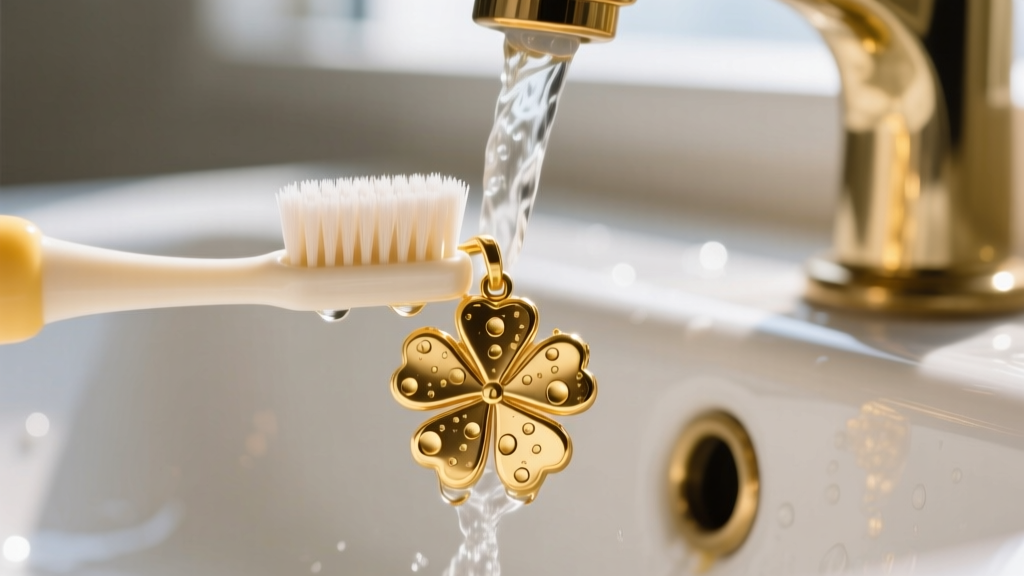
Next, take your soft baby toothbrush and gently agitate the bristles over the clover pendant, paying special attention to the crevices where the metal meets the enamel. Never scrub the chain itself with a brush; the bristles can easily catch on the delicate cable links, causing them to stretch or snap. Instead, simply swish the chain through the soapy water.
Rinse the necklace briefly under a gentle stream of lukewarm distilled water. Immediately pat it dry with a microfiber cloth. Do not air dry, as water spots will form on the high-polish surfaces. Finally, lay it flat in a well-ventilated area for an hour to ensure the clasp mechanism is completely dry inside.
Enamel and Plating Preservation Rules
To maximize the lifespan of your necklace's finish, you must avoid common household cleaning mistakes. The Gemological Institute of America (GIA) warns against using generic jewelry dips on plated items. Below is a quick-reference guide on what to avoid.
| Cleaning Agent | Effect on Flash Plating | Effect on Cold Enamel |
|---|---|---|
| Baking Soda Paste | Highly abrasive; strips plating instantly. | Leaves white, chalky residue in crevices. |
| Whitening Toothpaste | Contains silica; causes micro-scratches. | Dulls the glossy resin finish. |
| Ultrasonic Cleaners | Vibrations cause thin plating to flake off. | Shatters or cracks the epoxy resin. |
| Rubbing Alcohol | Safe for bare metal, but dries out seals. | Dissolves the resin, causing cloudiness. |
| Mild Dish Soap | Safe and effective for oil removal. | Safe; gently lifts surface grime. |
Untangling and Storing the Delicate Chain
The fine chain used on the Anthropologie tiny clover necklace is notoriously prone to knotting, especially when layered with other pieces or tossed into a jewelry box. When a fine cable chain knots, the metal undergoes "work hardening," making the kinked link brittle and susceptible to snapping under tension.
The Mineral Oil Knot Trick
If your chain becomes tangled, do not pull at it with tweezers. Instead, lay the necklace flat on a piece of parchment paper. Apply a single drop of mineral oil or olive oil directly to the center of the knot. Using two fine sewing needles, gently work the links apart from the center outward. The oil reduces friction between the metal links, allowing them to slide past one another without stressing the solder points. Once untangled, clean the chain using the soap protocol above to remove the oil.
Proper Storage Architecture
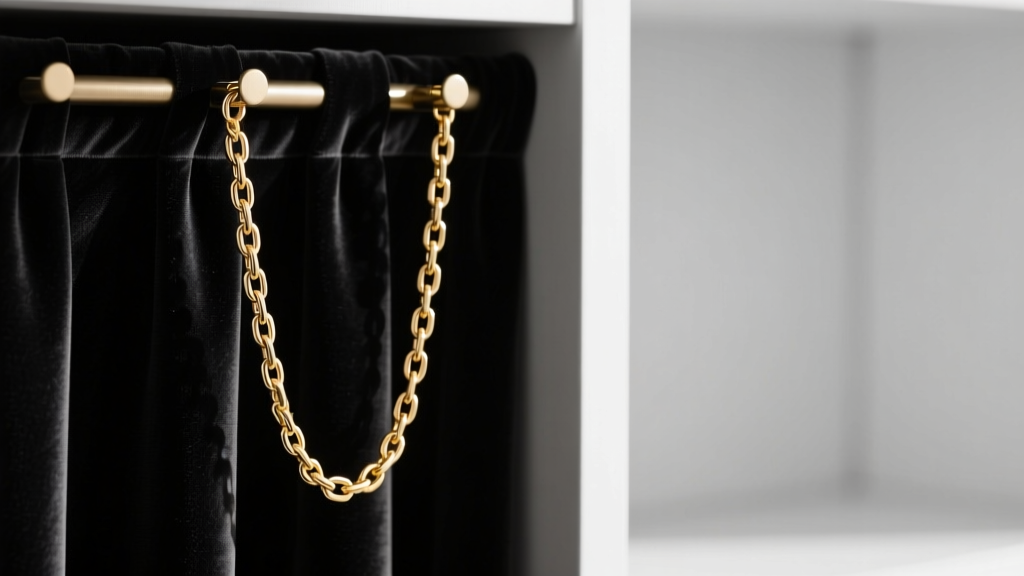
Never store your necklace in a humid environment like a bathroom. Moisture trapped in a jewelry box accelerates the oxidation of the brass base metal, which can cause the plating to blister. Store the necklace hanging vertically on a velvet-lined hook, or lay it completely flat in a sealed anti-tarnish bag with a small silica gel desiccant packet to control ambient humidity.
Troubleshooting Common Wear Issues
Even with meticulous care, fashion jewelry interacts with human biology and environmental factors. Here is how to troubleshoot the most common issues associated with plated brass jewelry.
The "Green Skin" Reaction
If the pendant or the area of the chain resting against your collarbone turns your skin green, this is not a sign of toxicity. It is a standard chemical reaction between the copper content in the brass base metal and the chlorides in your sweat. To create a barrier, apply a thin coat of clear, fast-drying topcoat nail polish to the back of the clover pendant and the inside of the clasp. Reapply every few months as the polish wears away from friction.
Cloudy Accents
If the tiny stones or enamel center of the clover appear cloudy, this is usually a buildup of hand lotion and dead skin. Dip a cotton swab in a minuscule amount of glass cleaner (ammonia-free) and carefully dab only the stone or enamel surface. Avoid letting the liquid touch the metal plating, and immediately wipe away any excess moisture.
Expert Insight: If the gold plating on the high-friction areas (like the clasp and the pendant bail) has completely worn away to reveal the silver or copper-toned base metal, the piece cannot be cleaned back to its original state. At this point, you must take it to a local jeweler for a professional electroplating service, which typically costs between $40 and $80 depending on the thickness of the new gold layer applied.
By treating your Anthropologie tiny clover chain necklace as a delicate textile rather than a rugged accessory, you can preserve its intricate details and warm metallic luster. Consistent, gentle cleaning and mindful storage are the ultimate defenses against the inevitable wear of fashion jewelry.


