Flower Shell Necklace Value Guide: Pricing, Quality, and Tiers
Discover the true value of a flower shell necklace. We break down pricing tiers, shell materials, hardware quality, and how to spot overpriced fakes.

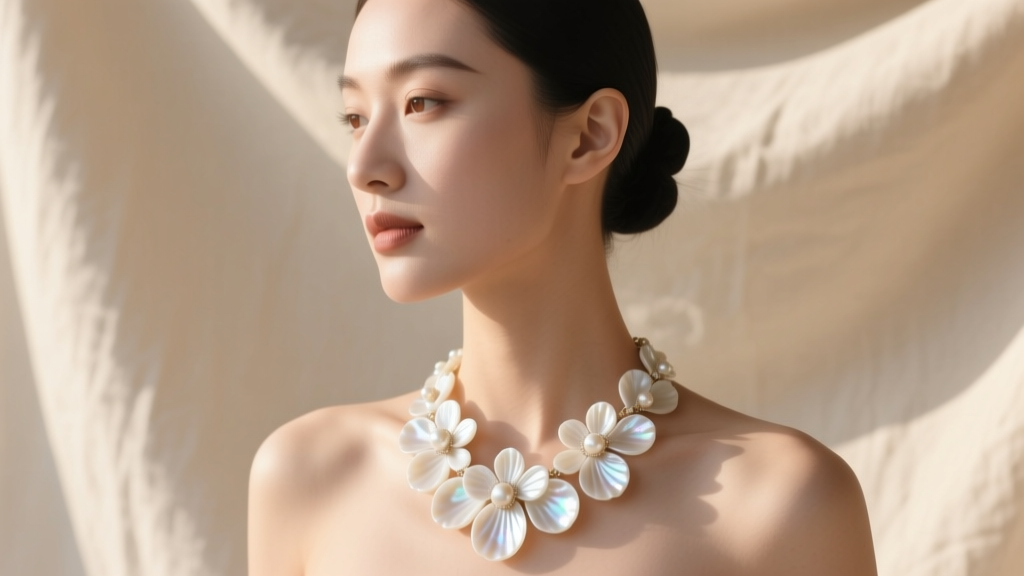
The Economics of Nacre: Understanding Shell Jewelry Value
The resurgence of coastal and organic aesthetics has pushed the flower shell necklace back into the spotlight. However, the market is currently saturated with everything from $12 fast-fashion imitations to $300 artisan-crafted heirlooms. For the discerning buyer, assessing the true value of a shell necklace requires looking far beyond the visual appeal of the carved petals. You must evaluate the biological origin of the material, the lapidary techniques used to shape it, and the structural integrity of the hardware. This comprehensive value assessment will help you determine exactly what you should be paying for a flower shell necklace and how to identify genuine craftsmanship over mass-produced tourist traps.
Material Breakdown: Genuine Shell vs. Imitations
The foundation of any shell necklace's value lies in its raw material. Genuine shells are composed of nacre (calcium carbonate), which provides a unique, iridescent luster that synthetic materials struggle to replicate. When shopping for a flower shell necklace, you will typically encounter three main categories of material:
1. Mother-of-Pearl (MOP) and Paua
High-value necklaces utilize thick nacre from the Pinctada maxima (South Sea oyster) or Haliotis (Abalone/Paua). These shells possess a Mohs hardness of 2.5 to 4.5. While relatively soft, their dense crystalline structure allows for intricate, translucent petal carvings. Paua shell, native to New Zealand, offers vivid blues and greens, commanding a premium price due to strict regional harvesting quotas.
2. Capiz and Windowpane Oyster
Often used in mid-tier jewelry, Capiz is naturally translucent but lacks the deep iridescence of MOP. It is frequently dyed or backed with metallic foil to enhance its color. While beautiful, a Capiz flower shell necklace should cost significantly less than a MOP equivalent due to the material's abundance and brittleness.
3. The Imitation Trap: Bleached Bone and Resin
Many low-cost 'shell' necklaces are actually carved from bleached cow bone or molded from pearlescent resin. Bone lacks the micro-prismatic structure of nacre, meaning it will not reflect light in rainbow spectrums. Resin fakes feel unnaturally light and warm to the touch. Always perform the temperature test: genuine shell feels distinctly cold when first pressed against the skin or lower lip, whereas resin and plastic quickly match ambient temperatures.
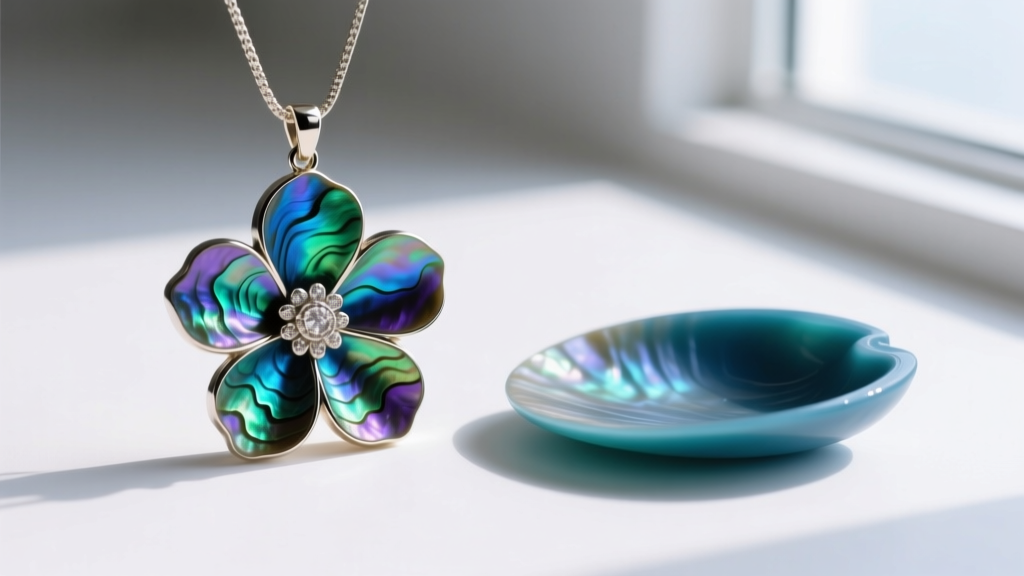
Carving Complexity and Manufacturing Costs
Not all floral designs are created equal. The retail price of a hand-carved flower shell necklace is heavily influenced by the breakage rate during the lapidary process. Because shell is a brittle, layered material, carving deep undercuts or thin, sweeping petals results in a high rate of structural failure before the piece is even finished.
- The Daisy or Hibiscus (Low to Medium Value): These designs feature flat, uniform petals with minimal depth. They can be easily stamped or machine-milled from thin shell blanks, keeping production costs under $3 per unit.
- The Lotus or Peony (High Value): These flowers require multi-layered, overlapping petals with severe undercuts. They must be hand-carved using diamond-tipped rotary tools by skilled artisans. The breakage rate for complex lotus carvings can exceed 40%, drastically driving up the wholesale and retail value of the surviving pieces.
Expert Insight: Inspect the drill holes on the shell flower. Hand-carved, high-value pieces often feature slightly conical drill holes (wider on the back, narrower on the front) to prevent the delicate nacre from chipping as the drill bit exits. Perfectly cylindrical, uniform holes often indicate machine-stamped, mass-produced blanks.
Hardware and Stringing: Where Value is Won or Lost
A $200 hand-carved MOP flower is rendered worthless if strung on degrading elastic and finished with plated brass hardware. When assessing budget versus value, scrutinize the components that hold the necklace together.
Stringing Materials
Avoid necklaces strung on cheap elastic or uncoated copper wire. Elastic degrades rapidly when exposed to UV light and skin oils, while bare wire will eventually saw through the soft calcium carbonate of the shell's drill hole. High-value necklaces utilize bonded braided nylon (such as C-Lon or Power Pro) or silk thread protected by French wire (gimp) at the clasp connection points.
Clasp and Hardware Metallurgy
The clasp is the most frequent point of failure. Budget necklaces use zinc alloys plated with a microscopically thin layer of silver or gold, which will oxidize and turn the skin green within weeks. A valuable flower shell necklace will feature 316L surgical stainless steel, solid 14k/18k gold, or at minimum, heavy gold vermeil (over sterling silver) hardware. Look for a secure lobster clasp with a robust internal spring mechanism, rather than a fragile spring ring.
2026 Market Pricing Tiers for Flower Shell Necklaces
To help you benchmark your next purchase, we have categorized the current market into three distinct pricing tiers based on material origin, craftsmanship, and hardware quality.
| Tier | Price Range | Shell Material | Hardware & Stringing | Value Verdict |
|---|---|---|---|---|
| Fast Fashion / Souvenir | $10 - $25 | Dyed resin, bleached bone, or ultra-thin stamped Capiz. | Zinc alloy, brass, elastic or cheap nylon. | Poor long-term value. Expect tarnishing and breakage within months. |
| Mid-Tier Artisan | $45 - $110 | Genuine hand-carved MOP or regional Abalone. Moderate complexity. | Sterling silver or 316L steel, braided nylon cord. | Excellent everyday value. Balances genuine materials with accessible pricing. |
| Fine / Designer | $150 - $400+ | Ethically sourced, rare thick-nacre shells. Complex lotus/peony carvings. | Solid 14k/18k gold, diamond accents, silk with gold wire guards. | Heirloom investment. High intrinsic and artistic value, retains condition well. |
Ethical Sourcing and Environmental Impact
True value extends beyond monetary cost to encompass environmental stewardship. Overharvesting has decimated wild populations of certain shell-bearing mollusks. When evaluating a premium flower shell necklace, look for brands that provide transparency regarding their supply chain. The most reputable jewelers source their shells from the byproducts of the commercial food industry (such as the abalone and oyster farming sectors) or from sustainably managed, CITES-compliant fisheries. According to the Gemological Institute of America (GIA), the structural integrity and luster of nacre are heavily dependent on the water quality and health of the host mollusk, meaning sustainable farming practices actually yield superior jewelry materials.
Longevity and Care Protocols
Because shells are primarily calcium carbonate, they are highly vulnerable to acidic environments. Human sweat, perfumes, and chlorinated pool water will slowly dissolve the nacreous layers, leaving the flower pendant dull, chalky, and structurally compromised. To protect your investment, always follow the 'last on, first off' rule. Wipe the shell gently with a damp, lint-free microfiber cloth after wearing, and store it in a soft pouch away from harder gemstones that could scratch its 2.5 Mohs surface. For deeper maintenance insights, the GIA's official care guidelines for organic gems strongly advise against the use of ultrasonic cleaners or commercial jewelry dips, which will instantly strip the shell's natural orient and luster.
Final Assessment: What Should You Actually Pay?
If you are seeking a durable, authentic piece of jewelry that captures the organic beauty of the ocean, you should expect to spend between $50 and $90 for a mid-tier artisan flower shell necklace. At this price point, you secure genuine mother-of-pearl or abalone, hand-carved detailing, and tarnish-resistant hardware that will survive years of daily wear. Anything priced below $25 is almost certainly a synthetic imitation or a mass-stamped shell blank destined for rapid degradation. Conversely, prices exceeding $150 should be strictly reserved for pieces featuring solid gold hardware, complex multi-layered carvings, and verifiable ethical sourcing. By understanding the nuances of nacre, carving techniques, and metallurgy, you can confidently navigate the market and invest in a shell necklace that holds both aesthetic and enduring financial value.


