How to Clean and Care for an Antique White Coral Necklace
Discover expert cleaning, maintenance, and storage tips to preserve the delicate luster and historical value of your antique white coral necklace.

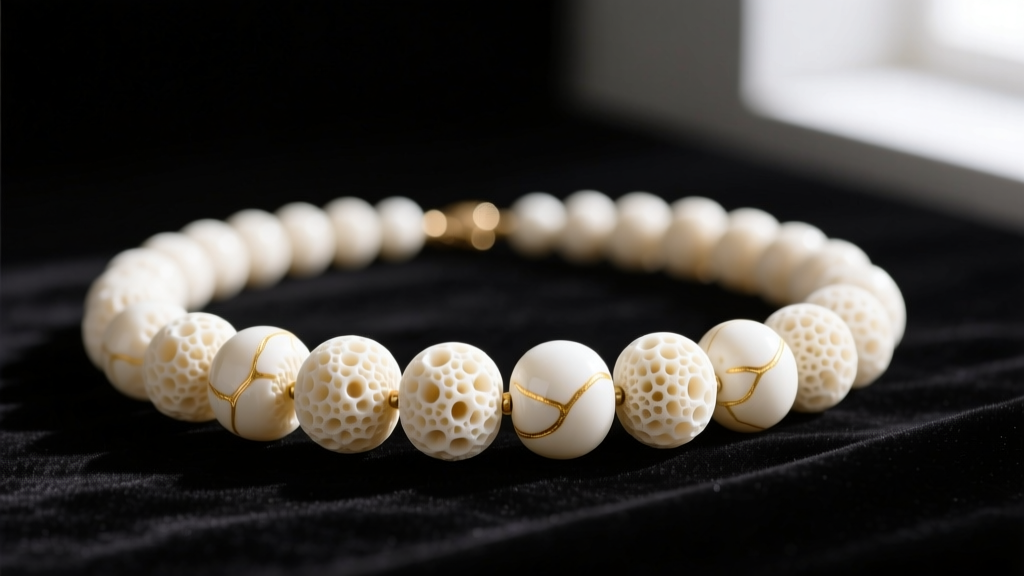
Owning an antique white coral necklace is akin to holding a piece of maritime history. Unlike mined minerals, coral is an organic gemstone formed by living marine polyps, giving it a unique, warm luster that synthetic stones simply cannot replicate. However, this organic origin also means that white coral is exceptionally vulnerable to environmental factors, chemicals, and improper handling. As of 2026, modern gemological conservation standards have evolved, debunking several outdated cleaning myths that have historically damaged antique pieces.
Whether your necklace is a Victorian-era carved cameos piece or an Art Deco geometric bead strand, preserving its structural integrity and creamy hue requires a meticulous, science-backed approach. Below is a comprehensive guide to maintaining, cleaning, and storing your antique white coral necklace to ensure it survives for another century.
The Delicate Chemistry of Organic Coral
To properly care for an antique white coral necklace, you must first understand its chemical composition. Coral is primarily composed of calcium carbonate ($CaCO_3$). On the Mohs scale of mineral hardness, coral ranks between 3.5 and 4.0, making it significantly softer than quartz (7.0) or diamonds (10.0). This relative softness means it is highly susceptible to micro-scratches from everyday dust, which often contains microscopic quartz particles.
Furthermore, calcium carbonate is highly reactive to acids. Even mild acidic substances can cause a chemical reaction that etches the surface of the coral, dissolving its natural polish and leaving it with a dull, chalky appearance. According to the Gemological Institute of America (GIA), the porosity of organic gems like coral allows liquids and chemicals to penetrate beneath the surface, meaning damage is often irreversible if harsh agents are used.
Daily Wear Rules: Preventing Chemical and Physical Damage
The most effective maintenance strategy for an antique white coral necklace is preventative care. The 'last on, first off' rule is non-negotiable for organic jewelry.
- Cosmetics and Perfumes: Always apply perfumes, hairsprays, and lotions at least 15 minutes before putting on your coral necklace. The alcohol and essential oils in fragrances can strip the coral's natural waxes and degrade the antique polish.
- Perspiration and Skin pH: Human sweat contains lactic acid and urea. If you have naturally acidic skin, prolonged contact with the coral beads can cause localized etching. Wipe the necklace gently with a dry, lint-free microfiber cloth immediately after removing it.
- Environmental Hazards: Avoid wearing coral in chlorinated pools, hot tubs, or the ocean. Chlorine is highly corrosive to calcium carbonate, and saltwater can accelerate the degradation of the antique silk threading often found in vintage pieces.
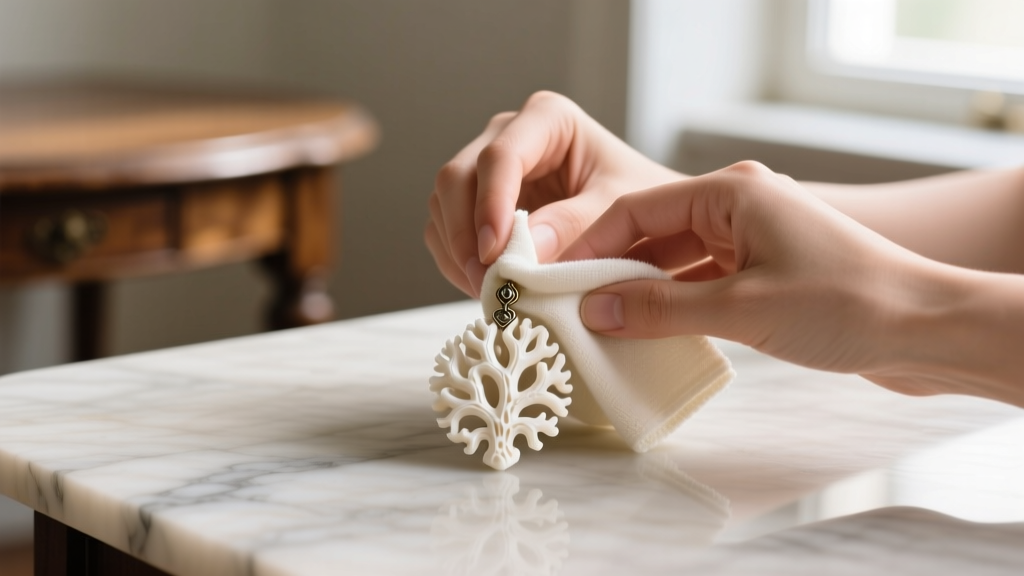
Step-by-Step Cleaning Protocol for Antique White Coral
When your necklace accumulates oils or dirt, it requires a gentle, non-invasive cleaning method. Never use ultrasonic cleaners, steamers, or commercial jewelry dips. The high-frequency vibrations of an ultrasonic cleaner can shatter antique coral along its natural micro-fractures, while steam can cause thermal shock and melt historical adhesives used in the settings.
The Safe Cleaning Method
- Prepare a Mild Solution: Mix a few drops of pH-neutral, fragrance-free baby shampoo into a bowl of lukewarm distilled water. Avoid tap water, as the chlorine and fluoride can react with the coral.
- Damp Wipe Only: Do not submerge the necklace. Submerging can weaken the antique silk thread and cause water to become trapped in closed-back metal settings, leading to hidden oxidation or foil backing damage.
- Gentle Agitation: Dip a soft, natural-bristle makeup brush or a cotton swab into the solution, dab it on a paper towel to remove excess moisture, and gently brush the crevices of the carved coral.
- Rinse and Dry: Wipe the beads with a cloth dampened with pure distilled water to remove any soap residue. Immediately dry the piece thoroughly with a soft microfiber towel, ensuring no moisture remains near the drill holes or metal clasps.
Hydration and Oiling: Restoring the Luster
Over decades, antique white coral can lose its natural moisture, resulting in a dry, chalky, or translucent appearance. To restore its creamy luster, periodic oiling is recommended by conservation experts.
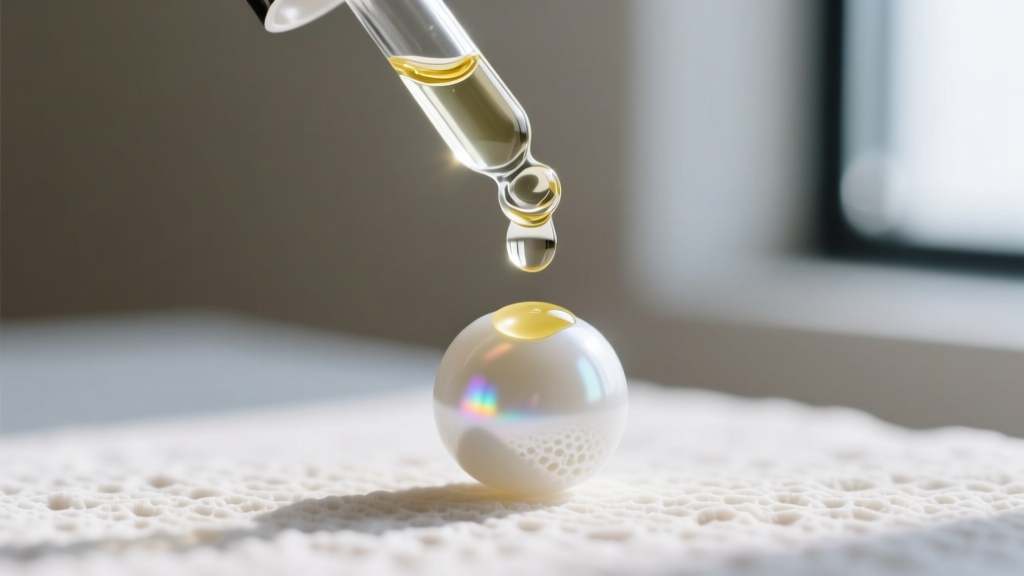
Use only pure, food-grade mineral oil. Avoid vegetable oils, olive oil, or baby oil (which often contains added fragrances), as these organic oils can oxidize, turn rancid, and leave a yellowish, sticky residue that attracts dirt. Apply a single drop of mineral oil to a soft cloth and gently buff the coral beads. Allow the oil to penetrate for 12 hours, then wipe away any unabsorbed excess. This process should only be performed once a year or when the coral visibly appears dehydrated.
Storage Solutions to Prevent Micro-Abrasions
Proper storage is just as critical as cleaning. Because coral is soft, storing it in a communal jewelry box where it can rub against harder gemstones like sapphires or diamonds will result in severe scratching.
- Individual Pouches: Store the necklace in a soft, unbleached cotton or acid-free tissue pouch. Avoid plastic bags, as they can trap moisture and emit off-gassing chemicals that may discolor the white coral over time.
- Climate Control: Coral is sensitive to extreme temperature fluctuations and low humidity, which can cause it to crack or craze. Store the piece in a room with stable humidity (around 40-50%).
- Lay Flat: If the necklace is strung on antique silk, hanging it for long periods can cause the silk to stretch and weaken, leading to gaps between the knots or eventual breakage. Always store it flat.
Troubleshooting Common Coral Necklace Issues
Even with meticulous care, antique jewelry may develop issues over time. Below is a troubleshooting guide for common problems associated with vintage white coral necklaces.
| Issue | Probable Cause | Expert Fix |
|---|---|---|
| Chalky, dull spots on beads | Acid etching from sweat or perfume | Lightly buff with mineral oil. If deep, consult a lapidary for a gentle re-polish using specialized organic gem compounds. |
| Visible gaps between beads | Silk thread stretching or degrading | Have the necklace professionally restrung on high-quality German silk with individual knots between every bead. |
| Darkening around drill holes | Dirt accumulation or degrading adhesive | Carefully clean with a dry wooden toothpick. Avoid liquids near the holes to prevent internal thread rot. |
| Tarnish on adjacent silver/gold | Oxidation of antique metal settings | Use a dry, anti-tarnish polishing cloth strictly on the metal. Do not let silver dip chemicals touch the coral. |
For significant structural issues, such as loose settings or broken clasps, always seek the expertise of a jeweler who specializes in antique and estate jewelry. Standard bench jewelers may use heat or ultrasonic tools that are catastrophic for organic gems. For more information on finding certified professionals, refer to the Jewelers of America directory.
By respecting the organic nature of your antique white coral necklace and adhering to these specialized conservation techniques, you ensure that its elegant, creamy beauty remains intact for future generations to admire.


