How to Clean and Care for Your Barbie Heart Necklace
Learn expert cleaning and maintenance tips to protect the enamel, plating, and stones of your vintage or modern Barbie heart necklace.

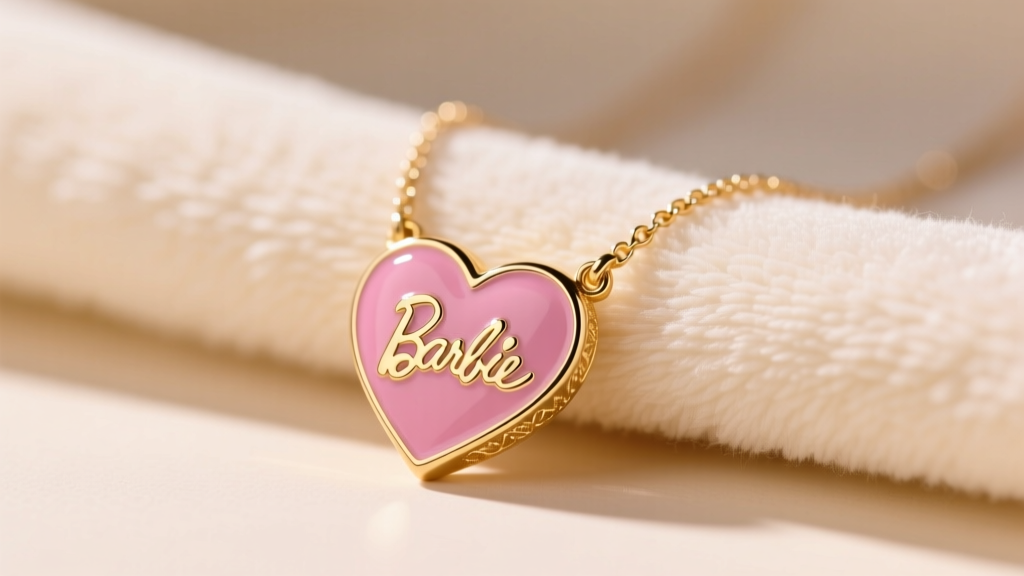
The Anatomy of a Barbie Heart Necklace: Materials Matter
Whether you own a vintage 1980s thermoplastic Barbie heart pendant, a 1990s rhinestone-encrusted piece, or a modern gold-plated brass collaboration from the recent Barbiecore resurgence, understanding the material composition is the first step in proper maintenance. The iconic Barbie heart necklace is rarely solid gold; it is a masterclass in costume and semi-fine jewelry engineering. To clean it safely, you must identify its three primary components:
- The Base Metal & Plating: Most modern iterations use brass or sterling silver as a base, coated in 14k or 18k gold plating. The plating thickness varies wildly. Flash-plated pieces have a microscopic layer (under 0.1 microns) that can wear off with friction, while high-end vermeil versions boast 2.5 microns or more.
- The Pink Finish (Enamel vs. Resin): Vintage pieces often use cold enamel (an epoxy-based resin) rather than vitreous (glass-based) enamel. Cold enamel is highly susceptible to heat and chemical solvents, softening at temperatures as low as 140°F (60°C).
- The Accent Stones: Pavé rhinestones or cubic zirconia are typically held in place by jeweler's epoxy or cyanoacrylate adhesives, which degrade rapidly when exposed to alcohols or ultrasonic vibrations.
According to the Victoria and Albert Museum's jewelry conservation guide, treating costume and mixed-material jewelry with the same harsh chemicals used for solid fine jewelry is the leading cause of irreversible damage.
Daily Wear & Tear: Preventing Enamel and Plating Damage
The most effective cleaning method is preventative maintenance. The gold plating on a Barbie heart necklace is highly reactive to the pH levels in human sweat, as well as the sulfur compounds found in everyday environments. Furthermore, the epoxy resin used for the signature pink heart can cloud or yellow when exposed to UV radiation and cosmetic chemicals.
The 'Last On, First Off' Rule
Always put your necklace on after applying perfume, hairspray, and lotions. Alcohol and essential oils in fragrances act as mild solvents that can dissolve the adhesive holding the rhinestones in place and strip the protective top-coat of the gold plating. When undressing, the necklace should be the first item removed to prevent the chain from catching on fabrics, which stretches the links and stresses the pendant bail.
Step-by-Step Cleaning Guide for Enamel and Rhinestone Pendants
When your necklace accumulates dead skin cells, sebum, and cosmetic residue, it requires a gentle, targeted cleaning approach. Never submerge a rhinestone-encrusted Barbie heart necklace in water, as liquid can seep beneath the stone settings, rusting the base metal foil backings and causing the stones to turn black or fall out.
Expert Insight: The Gemological Institute of America (GIA) strictly advises against using ultrasonic cleaners for any jewelry featuring fracture-filled stones, porous materials, or glued-in settings. The high-frequency vibrations will shatter cold enamel and shake rhinestones loose from their prongs.
The Safe Cleaning Protocol
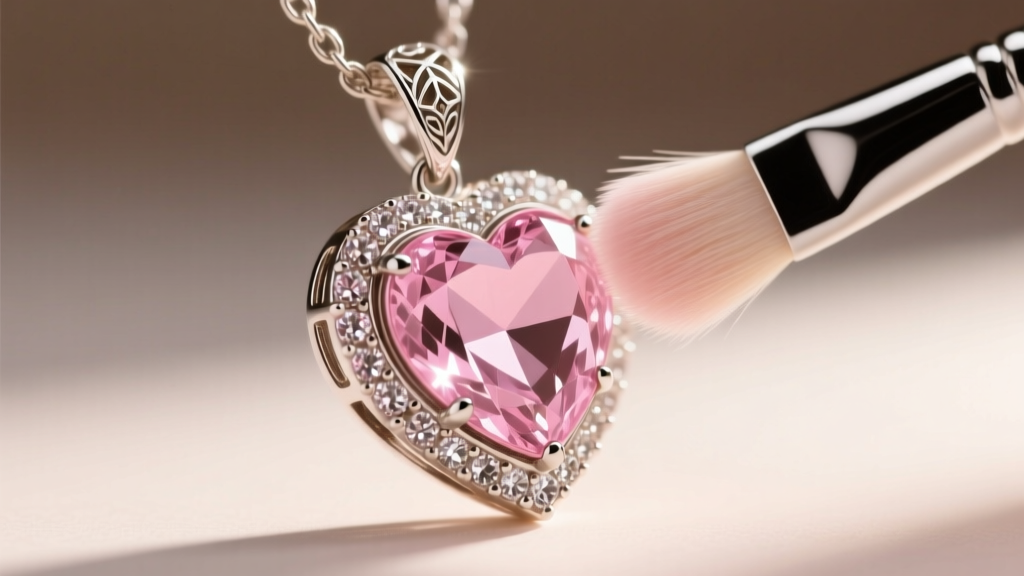
- Dry Dusting: Use a clean, dry, soft-bristle makeup brush (like a fluffy eyeshadow brush) to gently sweep away loose dust and dirt from the rhinestone pavé and the chain links. This prevents scratching during the wet wash.
- Targeted Wet Cleaning: Mix a few drops of pH-neutral, phosphate-free dish soap (such as Dawn or Seventh Generation) into a bowl of distilled water. Tap water contains chlorine and calcium that can leave hard water spots on the gold plating.
- The Lather Technique: Dip a cotton swab (Q-tip) into the soapy water, dabbing it on a paper towel to remove excess moisture. Gently roll the damp swab over the gold-plated surfaces and the enamel heart. Avoid rubbing the rhinestones directly.
- Rinsing: Dampen a fresh microfiber cloth with plain distilled water and wipe the pendant to remove soap residue. Do not hold the necklace under a running faucet.
- Drying: Immediately pat dry with a lint-free cloth, and use a hairdryer on the 'cool' setting to blow out any trapped moisture from the clasp or stone settings.
Chemical Compatibility Matrix
Using the wrong cleaning agent can permanently ruin the finish of your Barbie heart necklace. Refer to this compatibility chart before applying any solution:
| Cleaning Agent | Gold Plating (Brass Base) | Cold Enamel / Resin | Rhinestones / Adhesive |
|---|---|---|---|
| Mild Dish Soap & Distilled Water | Safe | Safe | Safe (Avoid Submersion) |
| Baking Soda Paste | DANGER (Abrasive) | DANGER (Scratches) | DANGER (Traps in settings) |
| Isopropyl Alcohol | Safe (Short term) | DANGER (Dissolves finish) | DANGER (Dissolves glue) |
| Commercial Silver Dip | DANGER (Strips plating) | DANGER (Chemical burn) | DANGER (Foil backing damage) |
| Ultrasonic Cleaner | Safe | DANGER (Shatters enamel) | DANGER (Shakes stones loose) |
Chain and Clasp Maintenance: The Hidden Trouble Spots
The chain and clasp of a Barbie heart necklace endure the most mechanical stress. Many of these necklaces feature delicate box chains or fine cable chains (often between 1.0mm and 1.5mm in width). Box chains are notorious for trapping lotion and dead skin inside their square links, leading to a dull, grayish buildup.
To clean the chain, lay it flat on a paper towel. Dip a soft baby toothbrush into your mild soapy solution and gently brush along the links in one direction. Flip the chain and repeat.
The Lobster Clasp Fix: If your clasp becomes stiff or sticky, do not use WD-40 or standard oil, which will attract dirt and gum up the internal spring. Instead, use a wooden toothpick to gently scrape out debris from the clasp crevice. Apply a microscopic drop of synthetic watch oil or mineral oil to the hinge using a pin, then click the clasp open and closed a dozen times to distribute the lubricant.
Long-Term Storage: Preventing Chain Tangles and Oxidation
How you store your Barbie heart necklace when it is not being worn dictates its lifespan. The brass base metals commonly used in fashion jewelry are highly prone to oxidation when exposed to ambient humidity and sulfur in the air.
The Archival Storage Method
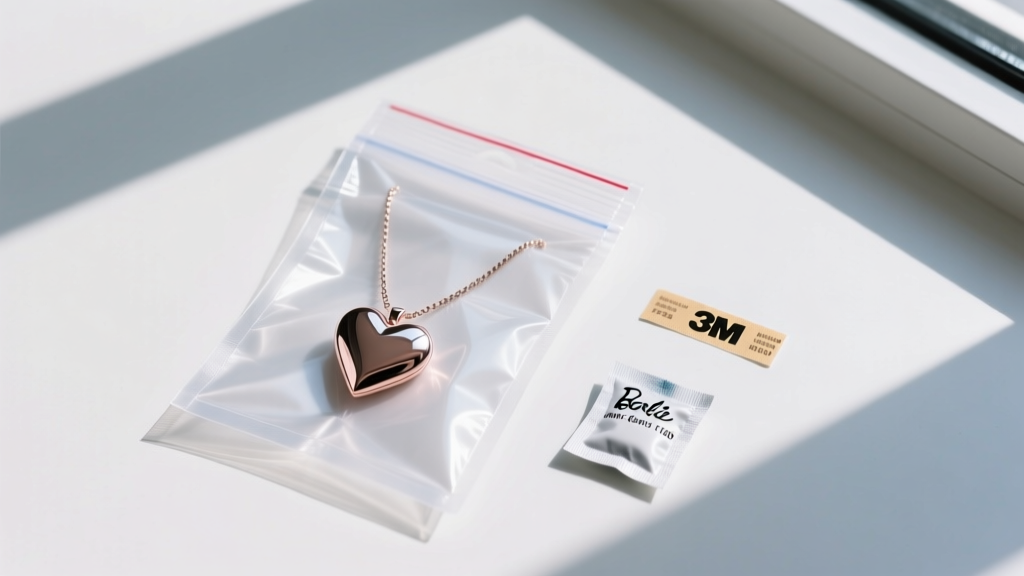
- Use Polyethylene, Not PVC: Store the necklace in a ziplock bag made of polyethylene. Avoid cheap plastic bags made of PVC (polyvinyl chloride), as PVC off-gasses chemicals that accelerate the tarnishing of gold plating and silver.
- Anti-Tarnish Strips: Drop a 3M anti-tarnish strip into the bag. These strips absorb sulfur compounds and can protect the metal plating for up to 12 months in a sealed environment.
- Moisture Control: Include a small silica gel desiccant packet to maintain a low-humidity microclimate, preventing the base metal from corroding beneath the gold plating.
- Prevent Tangles: Always fasten the lobster clasp before storing. For extra security against knotting, thread the chain through a plastic drinking straw and clasp it at the ends, or lay the necklace flat between two layers of acid-free tissue paper.
Restoring Vintage Barbie Jewelry: When to Call a Pro
If you own a genuine vintage 1980s or 1990s Barbie heart necklace where the gold plating has completely worn through to the base metal, or where the pink enamel is actively chipping, DIY cleaning will only accelerate the deterioration. At this stage, the piece requires professional conservation. A jeweler specializing in costume jewelry can carefully clean the piece, re-adhere loose rhinestones using archival-grade epoxy, and potentially apply a protective micro-crystalline wax coating (like Renaissance Wax) to seal the remaining plating and enamel from further environmental damage. Never attempt to re-plate a piece with cold enamel, as the electroplating baths and heat will melt the resin and destroy the iconic pink heart.


