Expert Care and Cleaning Guide for a Full Moon Necklace
Learn how to safely clean, store, and maintain your full moon necklace. Expert tips for moonstone, pearl, and silver celestial jewelry care.

The Material Science of Celestial Jewelry
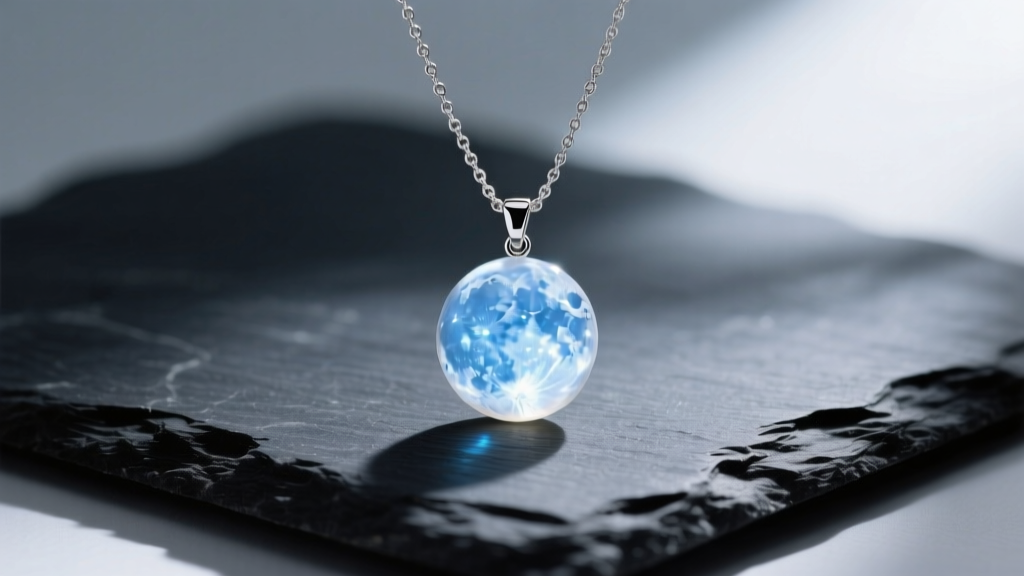
A full moon necklace is more than just a striking fashion statement; it is an interplay of specific geological materials and metallurgy that require highly tailored maintenance. Whether your pendant features a cabochon rainbow moonstone, a carved mother-of-pearl inlay, or a solid sterling silver disc, understanding the physical properties of these materials is the first step in preserving their luster. According to the Gemological Institute of America (GIA), moonstone is a feldspar mineral that ranks between 6 and 6.5 on the Mohs hardness scale. While this makes it reasonably durable for daily wear, it possesses two distinct planes of perfect cleavage, meaning a hard knock against a granite countertop can easily cause internal fracturing or surface chipping.
Conversely, if your full moon necklace features mother-of-pearl or nacre, you are dealing with calcium carbonate, which ranks a mere 2.5 to 4.5 on the Mohs scale. This organic gemstone is highly porous and exceptionally sensitive to acids, including the natural lactic acid found in human sweat and the citric acid in common household cleaners. Sterling silver (925), the most common setting and chain material for these pieces, is prone to tarnishing when exposed to atmospheric hydrogen sulfide. By recognizing these distinct vulnerabilities, you can curate a cleaning regimen that protects rather than degrades your jewelry.
Step-by-Step Cleaning Protocol for Moonstone and Pearl
The most common mistake jewelry owners make is utilizing ultrasonic cleaners for convenience. For a full moon necklace featuring genuine moonstone or pearl, ultrasonic cleaners are strictly prohibited. The high-frequency sound waves create microscopic cavitation bubbles that implode against the surface of the gem. In moonstone, these microscopic shockwaves will exploit the stone's natural cleavage planes, leading to catastrophic internal shattering. Similarly, steam cleaners can cause thermal shock, fracturing the stone or melting the delicate epoxy adhesives often used in bezel settings.
The Safe Manual Cleaning Method
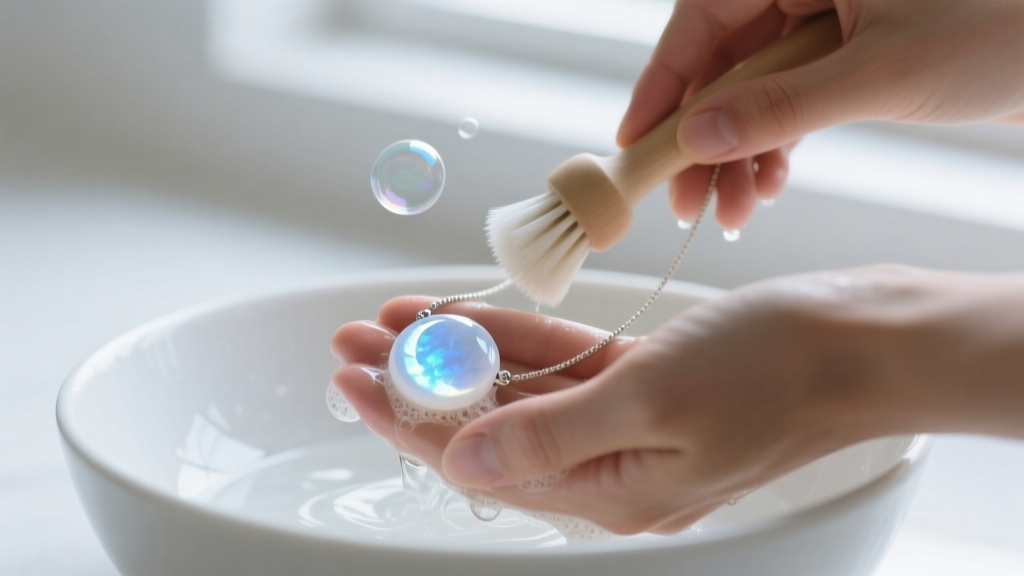
To safely remove sebum, cosmetic residue, and environmental dust, follow this professional-grade manual cleaning protocol:
- Prepare the Solution: Mix a few drops of pH-neutral, phosphate-free dish soap (such as original Dawn) into a bowl of lukewarm distilled water. Avoid tap water, as hard water minerals can leave microscopic calcium deposits on the stone's surface, dulling the adularescence.
- Soak Briefly: Submerge the pendant and chain for no more than three to five minutes. Prolonged soaking can weaken the silk threads if your necklace is strung, or compromise the adhesive in glued settings.
- Gentle Agitation: Using an extra-soft baby toothbrush, gently sweep the bristles across the back of the stone and along the chain links. Never scrub the face of a moonstone or pearl, as microscopic abrasives in the dust can cause permanent surface scratching.
- Rinse and Dry: Rinse thoroughly under a gentle stream of distilled water. Pat dry with a lint-free microfiber cloth, ensuring no moisture is trapped beneath the bezel or prongs.
Restoring the Metal Chain and Settings
While the gemstone requires a gentle touch, the sterling silver or gold vermeil chain requires a different approach to combat oxidation. Silver tarnish is not dirt; it is a chemical reaction resulting in silver sulfide. As of 2026, while many brands offer advanced anti-tarnish nanocoatings, vintage and standard sterling silver pieces will still require periodic polishing.
Avoid liquid 'silver dip' chemicals at all costs. These solutions typically contain thiourea, a highly toxic and corrosive compound that strips away the silver's natural patina and can permanently etch porous gemstones like moonstone and pearl if they are accidentally submerged. Instead, rely on a high-quality jeweler's polishing cloth impregnated with micro-abrasives and anti-tarnish agents, such as the industry-standard Sunshine Cloth. Gently rub the chain and the metal bezel in a back-and-forth motion, avoiding the gemstone itself. For intricate chain links like box chains or rope chains, use a soft cotton swab dipped in rubbing alcohol to dissolve stubborn grime in the crevices without affecting the metal's finish.
Cleaning Method Compatibility Chart
To eliminate any guesswork, refer to this compatibility matrix before attempting any cleaning or maintenance on your celestial jewelry. This framework ensures you match the correct methodology to your specific necklace variant.
| Material Variant | Ultrasonic Safe? | Steam Safe? | Chemical Dip Safe? | Recommended Cleaning Method |
|---|---|---|---|---|
| Rainbow Moonstone | No (Cleavage Risk) | No (Thermal Shock) | No | Lukewarm distilled water, pH-neutral soap, microfiber |
| Mother of Pearl | No (Surface Pitting) | No (Adhesive Failure) | No (Acid Etching) | Damp microfiber cloth only; avoid prolonged soaking |
| Solid Sterling Silver | Yes (If no stones) | Yes (If no stones) | Yes (With caution) | Impregnated polishing cloth, mild soap for grease |
| Gold Vermeil (Silver base) | No (Strips Gold) | No | No (Strips Gold) | Warm soapy water, ultra-soft brush, pat dry |
Environmental Enemies and Storage Best Practices
Proper storage is just as critical as the cleaning process. The Jewelers of America consistently emphasizes that environmental factors are the primary catalyst for jewelry degradation. Leaving your full moon necklace on a bathroom vanity exposes it to fluctuating humidity and aerosolized cosmetics, both of which accelerate silver tarnishing and degrade the optical clarity of moonstone.
The 'Last On, First Off' Rule
The Golden Rule of Porous Jewelry: Always put your full moon necklace on after applying perfumes, lotions, and hairsprays, and take it off first before showering, swimming, or exercising. Chlorine in pools and hot tubs will rapidly destroy the structural integrity of both sterling silver and calcium carbonate pearls.
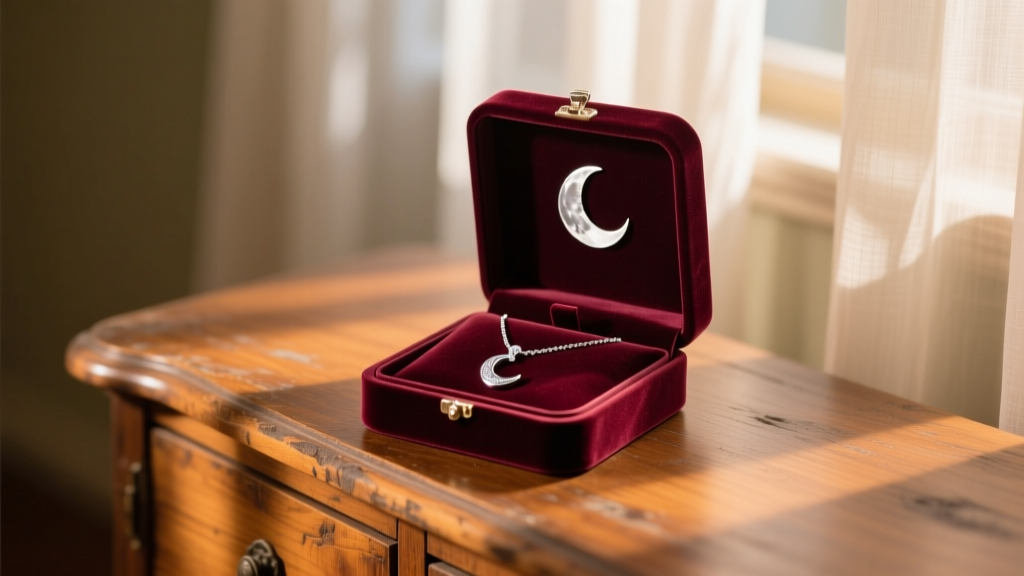
When storing the piece, never toss it into a communal jewelry box where it can be scratched by harder gemstones like diamonds (Mohs 10) or sapphires (Mohs 9). Store the necklace in an individual, airtight polyethylene ziplock bag. Squeeze out as much air as possible before sealing to limit oxygen and humidity exposure. For added protection, drop a 3M anti-tarnish strip and a small silica gel desiccant packet into the bag. The anti-tarnish strip acts as a sacrificial metal, absorbing ambient sulfur gases before they can react with your silver chain, while the silica gel maintains a low-humidity microenvironment.
When to Seek Professional Maintenance
While at-home care is sufficient for routine cleaning, structural maintenance requires a professional bench jeweler. Over time, the metal prongs or bezels securing the full moon cabochon can wear thin or pull away from the stone due to microscopic impacts and temperature changes. Once a year, inspect the setting under a 10x jeweler's loupe. If you notice light passing between the metal bezel and the gemstone, or if the chain's jump ring shows signs of thinning at the clasp connection, cease wearing the piece immediately.
A professional jeweler can perform a process called 'burnishing' to tighten the metal bezel securely against the moonstone without the need for heat or adhesives. They can also utilize specialized, low-vibration rotary tools to polish the metal settings without risking the abrasive damage that harsh at-home chemicals might cause. By combining meticulous at-home cleaning with annual professional inspections, your full moon necklace will retain its celestial brilliance and structural integrity for decades to come.


