Ultimate Care Guide for Your Favorite Fish Symbol Necklace
Learn expert cleaning and maintenance tips for your fish symbol necklace. Discover safe methods for silver, gold, enamel, and gemstone fish pendants.

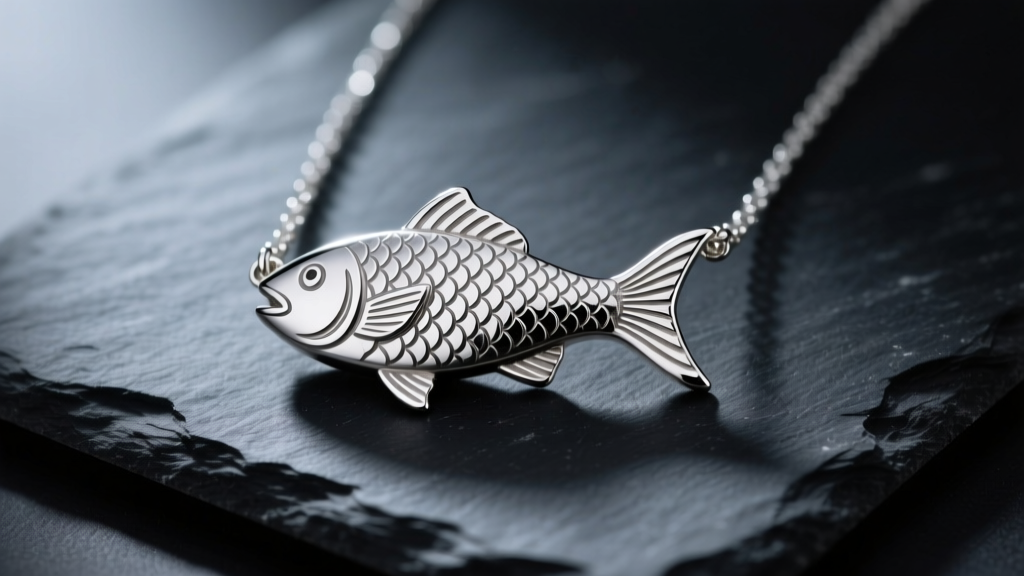
The Anatomy of a Fish Symbol Necklace: Why Texture Matters
Whether you wear an early Christian Ichthys, a Japanese koi, or a zodiac Pisces pendant, a fish symbol necklace is a deeply personal talisman. However, the very details that make these pendants beautiful—intricate scale engravings, sweeping fin ridges, and recessed gills—make them notorious traps for sebum, dead skin cells, and environmental pollutants. According to the Smithsonian Museum Conservation Institute, the microscopic crevices in textured jewelry accelerate localized tarnishing by trapping moisture and sulfur compounds against the metal surface. Understanding the specific anatomy of your fish pendant is the first step toward preserving its luster and structural integrity over decades of wear.
Step-by-Step Cleaning Protocols by Metal Type
Sterling Silver: The Electrochemical Approach
Sterling silver (92.5% silver, 7.5% copper) is highly susceptible to silver sulfide ($Ag_2S$) formation, which manifests as a yellowish or black film. Because fish necklaces often feature deep scale engravings, mechanical polishing with a cloth will fail to reach the tarnish hidden in the recesses. Instead, use an electrochemical reduction bath to reverse the chemical reaction without stripping away metal.
- Line a glass bowl with aluminum foil (shiny side up).
- Add 1 tablespoon of baking soda and 1 tablespoon of non-iodized salt.
- Pour boiling water into the bowl to activate the solution.
- Submerge your silver fish pendant for 3 to 5 minutes. The sulfur transfers from the silver to the aluminum.
- Rinse thoroughly with distilled water and pat dry with a microfiber cloth.
Expert Warning: If your fish symbol necklace features glued-in gemstone eyes (like turquoise or onyx), avoid this hot bath. Temperatures above 140°F (60°C) can soften cyanoacrylate or cheap epoxy adhesives, causing the stones to dislodge and fall out.
14k and 18k Gold: Surfactant Cleaning
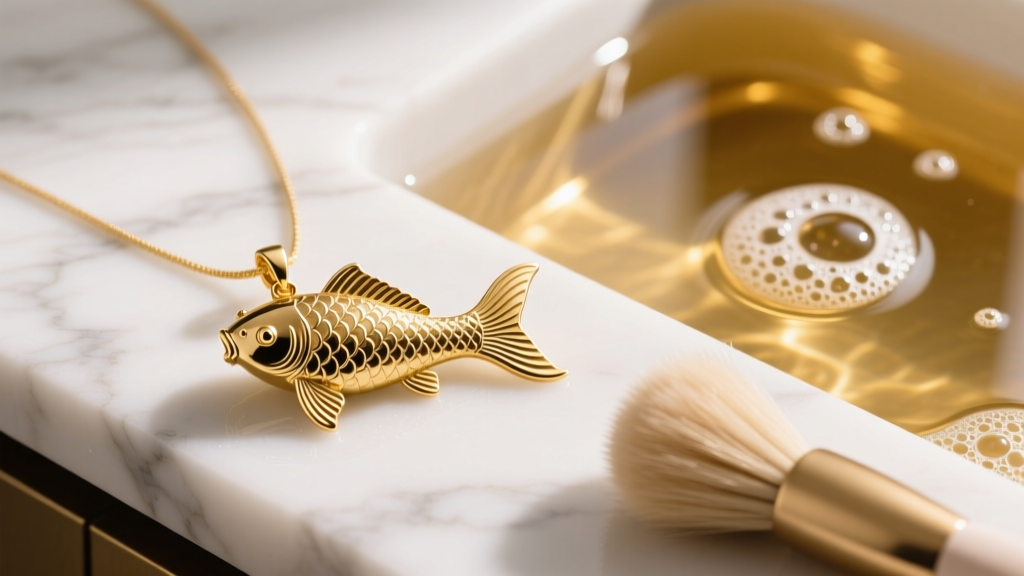
Gold alloys do not tarnish like silver, but they easily accumulate a film of lotions, soaps, and natural body oils, dulling the reflective surfaces of a koi or Pisces pendant. The Gemological Institute of America (GIA) recommends a mild surfactant approach for precious metals. Mix a few drops of phosphate-free dish soap into a bowl of lukewarm water. Let the gold fish pendant soak for 15 minutes. Use a baby toothbrush with ultra-soft bristles to gently sweep along the scale lines and the bail (the loop connecting the pendant to the chain). Never use a hard-bristled brush, as it can leave micro-scratches on high-polish gold fins.
Handling Delicate Details: Enamel, Gemstones, and Oxidization
Many artisan fish necklaces incorporate materials beyond plain metal. Cold enamel (epoxy resin) is often used to add vibrant blues and greens to fish scales, while vitreous enamel (fused glass) is found in higher-end pieces. Furthermore, many silversmiths use deliberate oxidation—chemically darkening the recesses of the scales to create contrast and depth.
| Material / Detail | Safe Cleaning Method | Unsafe Method | Risk Factor |
|---|---|---|---|
| Oxidized Silver Scales | Q-tip with mild soapy water, avoiding recesses | Treated polishing cloths (e.g., Sunshine) | Strips deliberate dark patina, ruining contrast |
| Vitreous Enamel | Damp microfiber cloth | Ultrasonic cleaners (40kHz) | High-frequency vibrations shatter the glass enamel |
| Pearl or Coral Eyes | Dry, soft cloth only | Any liquid submersion or chemicals | Porous stones absorb liquids, leading to cracking |
| Cold Enamel (Resin) | Mild soap and cool water | Hot water or alcohol-based cleaners | Causes resin to cloud, peel, or yellow prematurely |
For porous gemstones like pearls or coral, which are sometimes used for the eyes of high-end fish pendants, the GIA Pearl Care Guide strictly advises against submersion. Simply wipe the stone gently with a dry, lint-free cloth after each wear to remove acidic skin oils that can degrade the nacre over time.
Chain Care: Snake and Herringbone Vulnerabilities
Fish symbol necklaces are frequently paired with snake chains or herringbone chains because their smooth, fluid metal links mimic the movement of water or the sleek skin of a fish. However, these chain styles require specialized maintenance. Snake chains are notorious for trapping sebum between their tightly coiled rings, which can cause the chain to stiffen and eventually kink. To clean a snake chain, pull it through a soft, lint-free cloth dampened with a mild jewelry cleaning solution. Never scrub a snake chain with a brush, as the bristles can catch the micro-links and cause irreversible fraying. If your herringbone chain kinks, do not pull it; lay it flat on a table and gently massage the kink out with your fingertips using a circular motion.
Proper Storage to Prevent Tarnish and Tangling
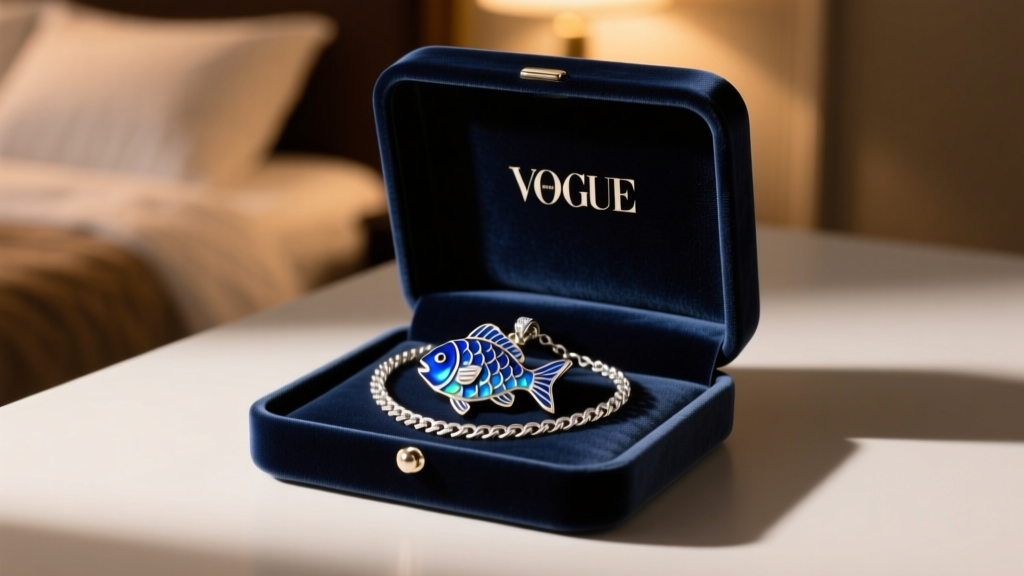
How you store your fish symbol necklace when it is not being worn is just as critical as how you clean it. Silver and copper alloys react with hydrogen sulfide in the air. To mitigate this, store your pendant in an airtight polyethylene ziplock bag alongside a 3M anti-tarnish strip, which absorbs corrosive gases. Avoid storing your jewelry in PVC plastic bags or cheap cardboard boxes; PVC off-gases hydrogen chloride, which will rapidly pit and corrode silver and brass fish charms. Furthermore, always unclasp the chain and hang the pendant vertically or lay it completely flat. Storing a textured fish pendant in a tangled pile will not only cause chain kinks but can also result in the pendant's sharp fins scratching the softer metal of the chain links.
Troubleshooting Common Fish Pendant Issues
Loose Bail or Jump Ring: The constant friction of a fish pendant swaying against the chest can wear down the jump ring connecting it to the chain. Inspect the gap in the jump ring every six months. If it is pulled open, use two pairs of flat-nose jewelry pliers to gently twist it closed laterally. Never pull the ends apart outward, as this weakens the metal's structural memory.
Stubborn Grime in Scale Crevices: If the electrochemical bath or soapy soak fails to lift dark grime from deep scale engravings, use a wooden toothpick or a soft interdental brush. Avoid metal needles or safety pins, which are harder than sterling silver and gold, and will leave permanent gouges in the metal.
Prong Maintenance for Gemstone Eyes: If your fish pendant features prong-set diamonds or sapphires for eyes, check the prongs annually. A snag on a sweater can lift a prong, risking the loss of the stone. Have a professional jeweler tighten and re-tip worn prongs using a laser welder to avoid heat damage to surrounding metal.
Conclusion
A fish symbol necklace is more than a mere accessory; it is a meaningful emblem of faith, astrology, or personal resilience. By tailoring your cleaning methods to the specific metals, enamels, and gemstones of your piece, and by storing it in a controlled environment, you ensure that every scale and fin remains as vivid as the day you first clasped it around your neck. For solid gold pieces without delicate stones, an annual visit to a jeweler for a professional 40kHz ultrasonic cleaning and steam polish will keep your pendant looking immaculate for a lifetime.


