How to Clean, Polish, and Store Hello Kitty Necklaces
Learn expert techniques to clean, polish, and store your Hello Kitty necklaces. Protect the enamel, silver, and gems with this detailed care guide.

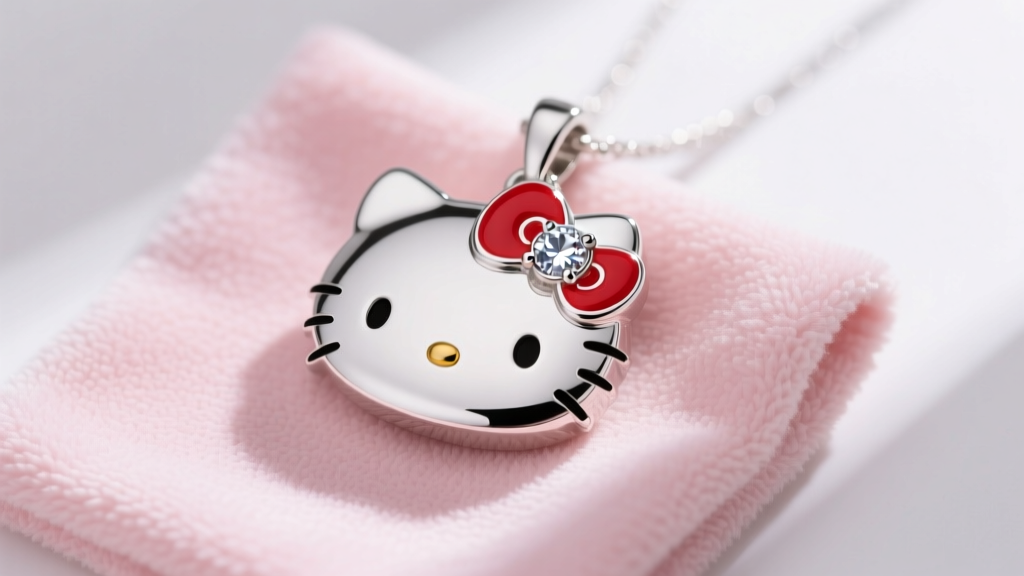
Hello Kitty necklaces have transcended their childhood origins to become highly sought-after collector's items and everyday fashion staples. From high-end Pandora x Sanrio collaborations featuring 925 sterling silver and cubic zirconia, to delicate 18k gold vermeil pieces adorned with cold enamel, these necklaces require specialized maintenance. Unlike plain metal chains, the intricate details of Hello Kitty’s iconic bow, whiskers, and facial expressions create microscopic crevices that trap cosmetics, sweat, and environmental pollutants. In this comprehensive guide, we break down the exact material science and professional cleaning protocols required to keep your Hello Kitty necklaces looking pristine in 2026 and beyond.
The Anatomy of Hello Kitty Necklaces: Material Breakdown
Before applying any cleaning solution, you must identify the materials used in your specific piece. Sanrio licenses its designs to various jewelers, resulting in a wide spectrum of material grades. Understanding these vulnerabilities is the first step in preventing irreversible damage.
| Material Component | Common Usage in Hello Kitty Jewelry | Primary Vulnerability | Cleaning Verdict |
|---|---|---|---|
| 925 Sterling Silver | Pendants, chains, and settings (e.g., Pandora) | Oxidation and sulfur tarnish | Safe for mild soap, polish cloths |
| Gold Vermeil (18k/14k) | Plated brass or silver bases | Plating wear from abrasion | No abrasives, no ultrasonic |
| Cold Enamel (Epoxy) | Red bows, pink noses, colored backgrounds | Heat, alcohol, and harsh chemicals | Damp cloth only, no soaking |
| Cubic Zirconia (CZ) | Diamond simulants in bows and eyes | Oil buildup, glue degradation | Soft brush, avoid steam |
Step-by-Step Cleaning Protocol by Component
According to the Jewelers of America, the safest and most effective baseline cleaning method for complex jewelry involves a gentle surfactant and mechanical agitation. Here is how to adapt this for your Sanrio pieces.
1. Reviving Sterling Silver and Gold Vermeil Bases
For the metal framework of your necklace, prepare a lukewarm bath using distilled water and a few drops of phosphate-free, mild dish soap (such as Dawn or Seventh Generation). Avoid hot water, as extreme temperature shifts can cause the metal to expand and contract, potentially loosening the adhesive holding enamel or stones in place. Submerge only the metal chain for 3 to 5 minutes. Use a clean, extra-soft baby toothbrush to gently sweep along the links of the chain. For gold vermeil, apply zero downward pressure; you only want to lift surface oils, not scrub away the microscopic gold layer.
2. Preserving Cold Enamel and Epoxy Resin Details
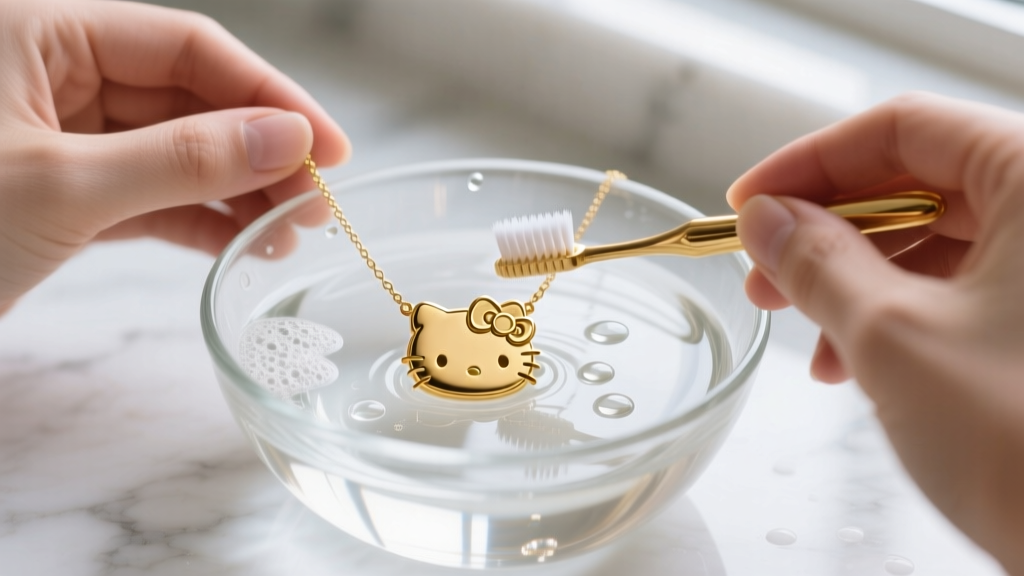
The vibrant red of Hello Kitty’s bow is almost always achieved using cold enamel (a hardened epoxy resin) rather than kiln-fired vitreous enamel. Cold enamel is highly sensitive to solvents. Never use rubbing alcohol, acetone, or ammonia-based glass cleaners on these areas, as they will cause the resin to cloud, soften, or peel. Instead, dip a cotton swab in your mild soapy water, squeeze out the excess, and gently roll it over the enameled sections. Immediately dry the area with a separate, dry cotton swab to prevent water from seeping under the enamel borders.
3. Restoring Sparkle to Cubic Zirconia and Crystals
Cubic zirconia is notoriously prone to looking dull because its porous surface readily absorbs skin oils and lotions. The Gemological Institute of America (GIA) notes that while CZ is durable, the settings holding them are often delicate. To restore the fire to CZ accents on your Hello Kitty pendant, use a wooden toothpick or a soft interdental brush to gently dislodge debris from the pavé settings. Wipe the surface of the stones with a lint-free microfiber cloth. Avoid steam cleaners, as the intense heat and pressure can melt the jeweler's epoxy used to secure smaller accent stones.
The Danger Zone: Cleaning Methods to Strictly Avoid
When dealing with character jewelry, standard silver cleaning practices can be disastrous. Avoid the following common mistakes:
- Ultrasonic Cleaners: The cavitation bubbles created by ultrasonic waves will shatter cold enamel and vibrate CZ stones right out of their prongs or glue settings.
- Liquid Silver Dip: Chemical silver dips strip away all oxidation. If your Hello Kitty necklace features intentionally oxidized (blackened) details to define her whiskers, eyes, or bow outlines, silver dip will erase them entirely, leaving the piece looking flat and featureless.
- Toothpaste and Baking Soda: These DIY hacks contain abrasive silica particles. On gold vermeil, baking soda will scratch right through the gold plating, exposing the base metal underneath and causing rapid green discoloration on your skin.
Advanced Storage Solutions for Sanrio Collectors
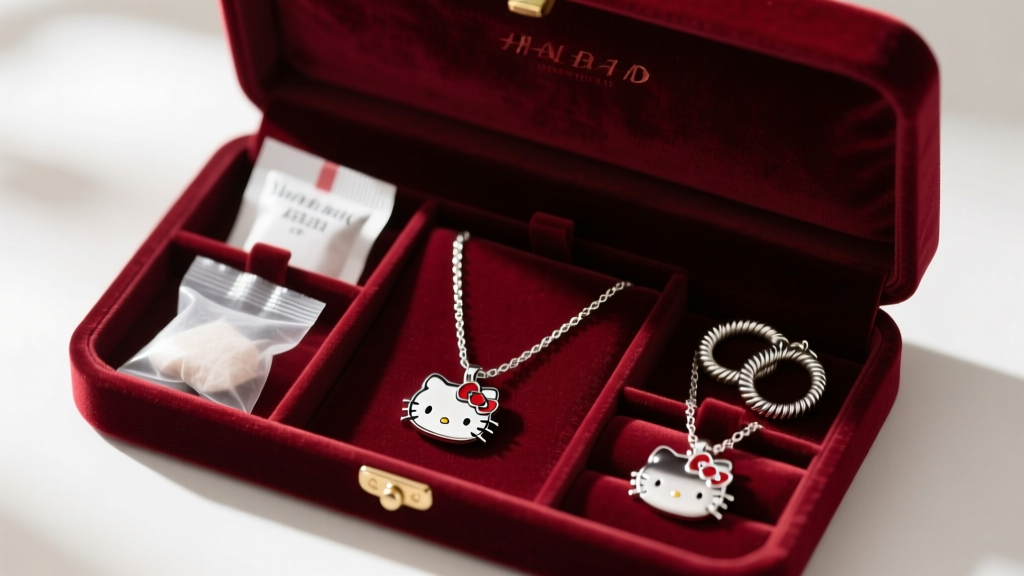
Proper storage is 90% of jewelry maintenance. Sterling silver tarnishes when exposed to hydrogen sulfide and moisture in the ambient air. To protect your collection, store each Hello Kitty necklace individually in a zip-top polyethylene bag. Squeeze out all excess air before sealing. Inside each bag, include a 3M anti-tarnish strip, which actively absorbs sulfur gases, and a small silica gel packet to control humidity. Never store multiple necklaces in the same compartment; the friction between chains will scratch the high-polish finishes, and the clasps can easily snag and pull delicate pavé settings.
Troubleshooting Common Hello Kitty Necklace Issues
Cloudy or Peeling Enamel
If the red enamel on your pendant's bow has become cloudy due to accidental exposure to hand sanitizer or perfume, you cannot chemically reverse the damage. However, you can sometimes restore a mild shine by gently buffing the surface with a tiny drop of mineral oil on a microfiber cloth. If the enamel is actively peeling or chipping, the piece requires professional restoration by a jeweler who specializes in epoxy resin refilling and color-matching.
Stubborn Grime in Whiskers and Bow Crevices
Dead skin cells and cosmetic foundations frequently become impacted in the deep grooves of Hello Kitty's whiskers. Do not use metal needles or safety pins to dig this out, as you will inevitably scratch the surrounding silver or gold. Instead, soak a soft-bristled detailing brush (or a clean makeup blending brush) in a 50/50 mix of distilled water and isopropyl alcohol—but only if the crevice does not border cold enamel. If enamel is nearby, stick to warm soapy water and use a wooden toothpick to gently lift the compacted debris, wiping the toothpick clean after every pass.
By treating your Hello Kitty necklaces with the same respect and technical care as fine jewelry, you ensure that these beloved pieces remain vibrant, sparkling, and structurally sound for decades of wear.


